Gloucester Cathedral
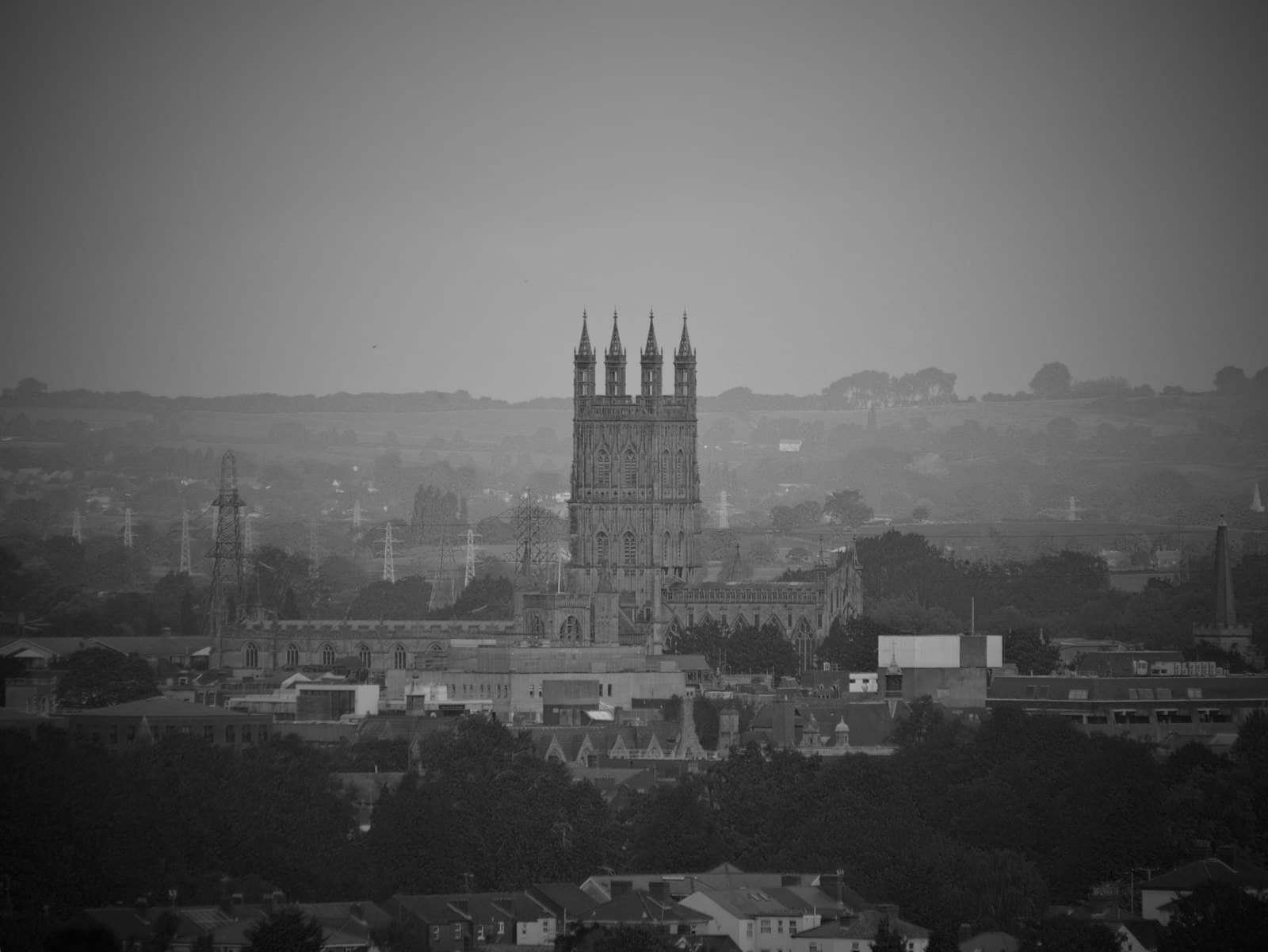
Die prächtige Gloucester Cathedral birgt ein Geheimnis, das Sie vielleicht das Gefühl gibt, in eine magische Akademie eingetreten zu sein.
Die ganze Geschichte wird in der Tour freigeschaltet
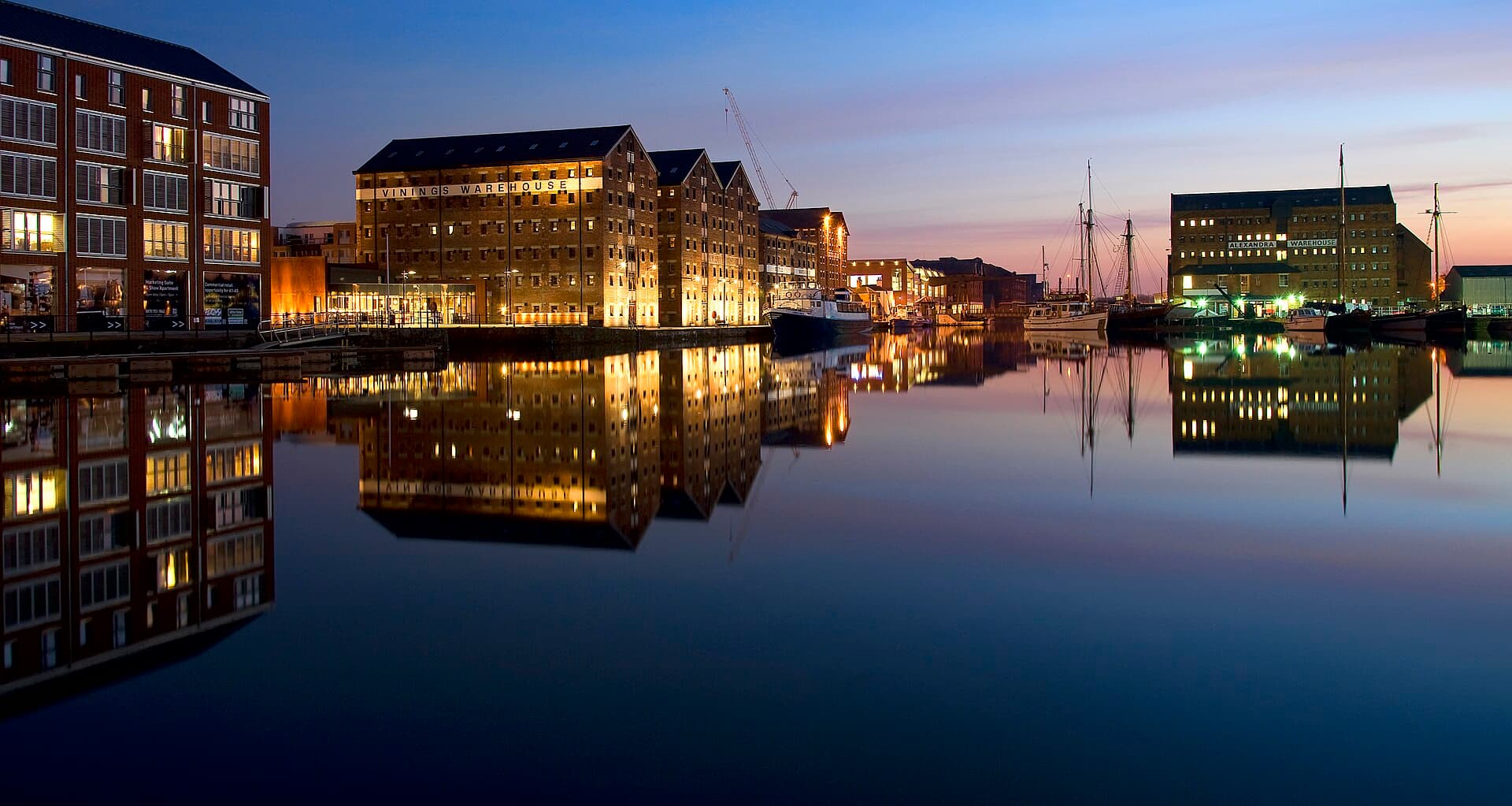 Saffron Blaze / CC BY-SA 3.0, via Wikimedia Commons
Selbstgeführte Audio-Walking-Tour durch Gloucester — GPS-Route, Offline-Wiedergabe, erzählerische Narration in 32 Sprachen.
“Wo römische Fundamente auf gotische Pracht treffen und Geschichten in Stein und Wasser gesponnen werden.”
Nicht die Postkarten. Die Geschichten, die selbst Einheimische nicht kennen – dir ins Ohr geflüstert, genau dort, wo sie geschahen.
Die prächtige Gloucester Cathedral birgt ein Geheimnis, das Sie vielleicht das Gefühl gibt, in eine magische Akademie eingetreten zu sein.
Ein unscheinbares Gasthaus in Gloucester gehörte einst einem Mann, dessen Bemühungen die Bildung für die Arbeiterklasse tiefgreifend veränderten.
Das charmante Geschäft, das eine beliebte Kindergeschichte inspirierte, hat einen fantasievolleren Ursprung, als man erwarten würde.
Entdecke jedes Geheimnis von Gloucester
Jede Adresse, jede Enthüllung vollständig – in deinem Ohr, genau dort, wo es geschah.
Du wählst deine Stationen. Du gehst. Die Stimme enthüllt, was andere übersehen.
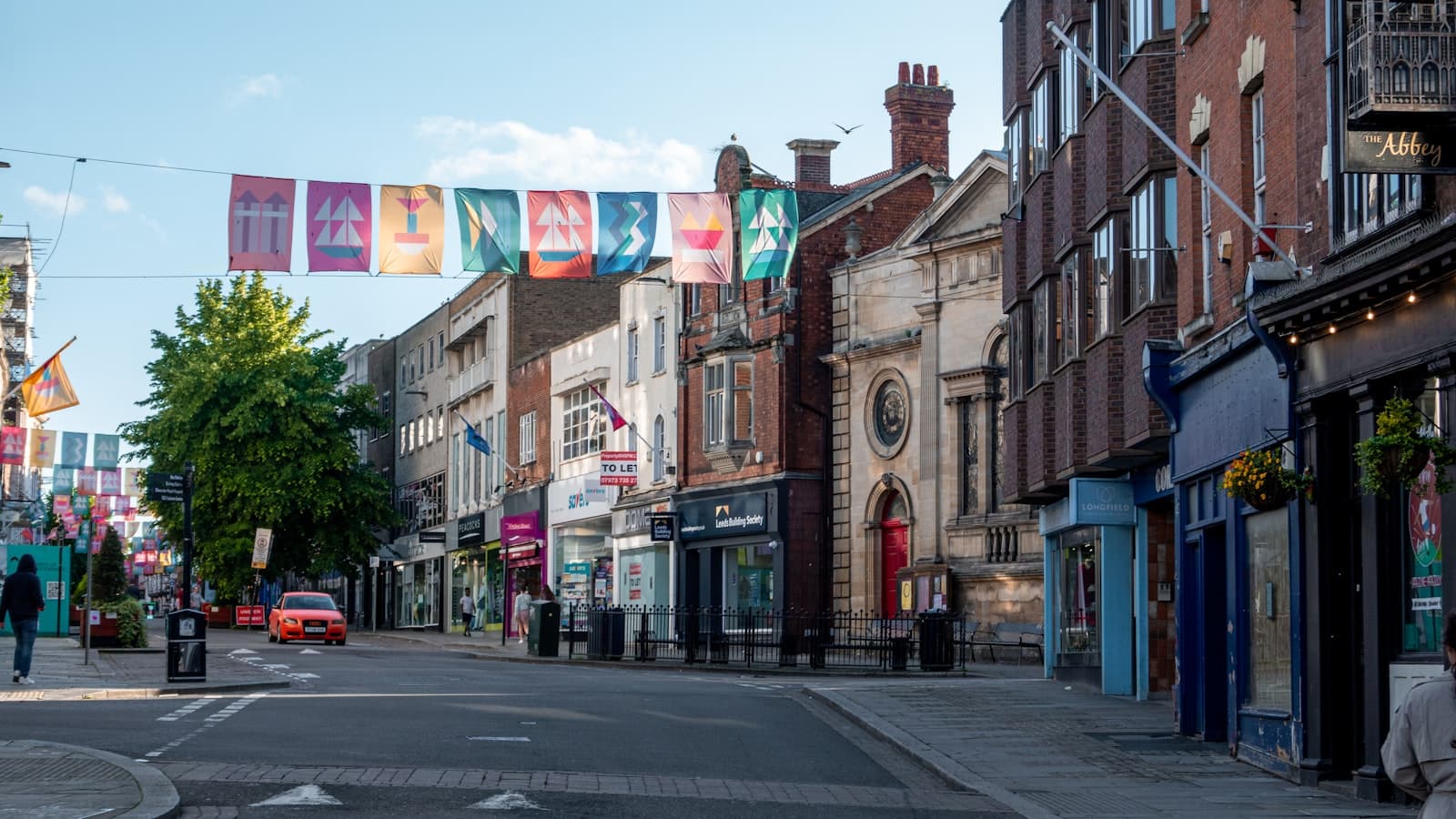

Deine selbstgeführte Audio-Tour durch Gloucester ist bereit – wähle deine Sehenswürdigkeiten, deine Sprache und starte, sobald du ankommst.
KaufenLume enthält einen integrierten Augmented-Reality-Guide. Halten Sie Ihr Handy hoch: Die Kamera zeigt die Straße vor Ihnen, mit einem leuchtenden Pfeil über dem echten Bild, der immer auf Ihren nächsten Stopp zeigt — keine Karte zum Rätseln, keine falschen Abzweigungen. Wie alles bei Lume funktioniert es komplett offline.
Gloucester, eine Kathedralstadt im Südwesten Englands, bietet eine überzeugende Mischung aus antiker Geschichte und einer neu belebten Uferpromenade. Die Stadt liegt am Fluss Severn, zwischen den Cotswolds und dem Forest of Dean, und ihre strategische Lage prägt ihre Geschichte seit Jahrtausenden. Von ihren römischen Ursprüngen als Glevum bis zu ihrer Bedeutung als mittelalterliches Handelszentrum hat sich Gloucester ständig neu erfunden und dabei seinen einzigartigen Charakter bewahrt.
Heute können Besucher eine Stadt erkunden, in der römische Fundamente unter modernen Straßen liegen und viktorianische Lagerhäuser an den historischen Docks in lebendige Freizeitziele umgewandelt wurden. Gloucesters tiefes kulturelles Gefüge ist mit Geschichten von Königen, Schriftstellern und Sozialreformern verwoben, was es zu einem Reiseziel macht, das neugierige Erkundungen belohnt.
## Vom römischen Außenposten zum mittelalterlichen Kraftzentrum Gloucesters Geschichte beginnt um 49 n. Chr., als die Römer eine Festung errichteten, die später zu einer Colonia namens Glevum wurde. Dieser hohe Status, den nur wenige römische Städte in Britannien teilten, legte den Grundstein für ihre zukünftige Bedeutung. Die zentrale Straßenführung der Stadt stammt vermutlich aus der späten sächsischen Zeit unter dem Einfluss von Æthelflæd von Mercia. Bis zum 10. Jahrhundert wurde eine Münzstätte eingerichtet und regelmäßig königliche Räte in einem nahegelegenen Palast abgehalten.
1085 ordnete Wilhelm der Eroberer in Gloucester die Erstellung des Domesday Book an. Die Stadt blühte im Mittelalter auf und profitierte von ihrer Lage als Verteidigungsbarriere und als schiffbare Stelle am Fluss Severn. Heinrich III. wurde im Alter von nur neun Jahren 1216 in der Abtei von Gloucester (heute die Kathedrale) gekrönt und später, 1327, dort beigesetzt. Die Abtei entwickelte sich zu einer der größten Benediktinerinstitutionen Englands, und neue religiöse Gründungen wie das Priorat Llanthony festigten Gloucesters religiöse Bedeutung weiter. 1483 erhielt Gloucester das Recht, eigene Richter zu ernennen, was es administrativ unabhängig machte, und 1541 wurde es mit der Gründung des Bistums Gloucester offiziell zur Stadt erklärt.
## Industrielle Revolution und moderne Wiederbelebung Gloucesters Rolle als Hafen reicht bis in die angelsächsische Zeit zurück, wobei ein früher Kai 1390 erwähnt wird. Elisabeth I. verlieh Gloucester 1580 den Status eines Zollhafens. Die Navigation im oberen Teil des Flusses Severn war jedoch schwierig. Um dies zu überwinden, wurde 1793 der Gloucester and Sharpness Canal genehmigt. Das Hauptbecken in Gloucester wurde 1797 fertiggestellt und der Kanal 1827 vollständig eröffnet. Dies machte Gloucester zum Binnenhafen Großbritanniens und erleichterte den Handel mit Waren wie Getreide, Holz und Zucker. Das viktorianische Zeitalter brachte einen Boom in den Docks mit sich, wobei Lagerhäuser rund um das Main Basin und das Victoria Basin, das 1849 eröffnet wurde, errichtet wurden.
In den 1970er Jahren ging der kommerzielle Schiffsverkehr in den Docks zurück, aber in den 1980er Jahren begannen Sanierungsbemühungen, die die historischen Lagerhäuser in Gewerbe- und Wohnräume verwandelten. Heute entwickelt sich Gloucester weiter und verbindet seine tiefen historischen Wurzeln mit dem modernen Leben als lebendige Universitätsstadt.
Gloucester bietet eine Reihe von Attraktionen, von alten religiösen Stätten bis hin zu einer belebten Uferpromenade. Die Gloucester Cathedral ist ein beeindruckendes Reiseziel mit ihrer normannischen und gotischen Architektur, dem Grab von König Edward II. und den frühesten erhaltenen Fächergewölben Englands in ihren Kreuzgängen. Das Große Ostfenster der Kathedrale, das in den 1350er Jahren installiert wurde, war einst das größte Buntglasfenster der Welt. Besucher können auch die Gloucester Docks erkunden, den Binnenhafen Großbritanniens, wo viktorianische Lagerhäuser heute Museen, Geschäfte und Restaurants beherbergen. Hier erzählt das National Waterways Museum die Geschichte der britischen Kanäle und Flüsse.
Einen Einblick in Gloucesters römische Vergangenheit erhalten Sie am Aussichtspunkt Eastgate, wo Überreste eines römischen Turms und eines Pferdebades sichtbar sind. Das Museum of Gloucester zeigt lokale Geschichte, Archäologie und römische Artefakte. Literaturbegeisterte können The House of the Tailor of Gloucester besuchen, ein Museum und Geschäft, das von Beatrix Potters geliebter Geschichte inspiriert ist. Weitere bemerkenswerte Sehenswürdigkeiten sind die alten Ruinen von St. Oswald's Priory und das holzgedeckte Blackfriars Priory, das 1239 gegründet wurde. Für Sportfans ist das Kingsholm Stadium die Heimat des Gloucester Rugby Clubs.
Gloucester ist ein ganzjähriges Reiseziel, aber die Zeit von Mai bis September bietet im Allgemeinen das angenehmste Wetter für Erkundungen. Juni und Juli haben typischerweise die wärmsten Temperaturen mit Durchschnittswerten von 18°C bis 23°C und die längsten Tageslichtstunden. Später Juni bis Anfang September gilt als ideal für Aktivitäten bei warmem Wetter. Der Herbst, insbesondere September und Oktober, bringt kühlere Temperaturen und die Schönheit der wechselnden Laubfärbung mit sich, was ihn für Spaziergänge in der Umgebung geeignet macht. Während die Winter kälter und bewölkter sind, bieten sie ein ruhigeres Erlebnis und saisonale Veranstaltungen.
Gloucester ist gut angebunden und leicht erreichbar. Mit dem Auto liegt es direkt an der Autobahn M5 (Ausfahrten 11, 11a oder 12) und die A40 bietet eine direkte Verbindung von London. Ausreichend Parkplätze sind in der ganzen Stadt vorhanden. Der Bahnhof Gloucester, nur 5 Gehminuten vom Stadtzentrum entfernt, bietet regelmäßige Verbindungen von und zu wichtigen Städten wie London, Bristol, Birmingham und Cardiff. Für Flugreisen bietet der Gloucestershire Airport Flüge zu Zielen wie der Isle of Man, Belfast und Jersey. Das Stadtzentrum ist fußgängerfreundlich, sodass es leicht zu Fuß erkundet werden kann. Informationen zu Attraktionen, Unterkünften und Veranstaltungen finden Sie auf der offiziellen Tourismus-Website der Stadt, Visit Gloucester.
Gloucester — Koreanisch, Chinesisch, Hebräisch und 29 weitere Sprachen, jede Station von einer muttersprachlichen Stimme erzählt. Die größte Sprachauswahl aller selbstgeführten Audiotouren.
Verfügbar auf: