Plaza de España
Grazalema est réputée pour sa pluie, mais il y a une raison spécifique pour laquelle cette place particulière donne souvent l'impression d'être au cœur d'une tempête, même par temps clair.
L'histoire complète se débloque dans le tour
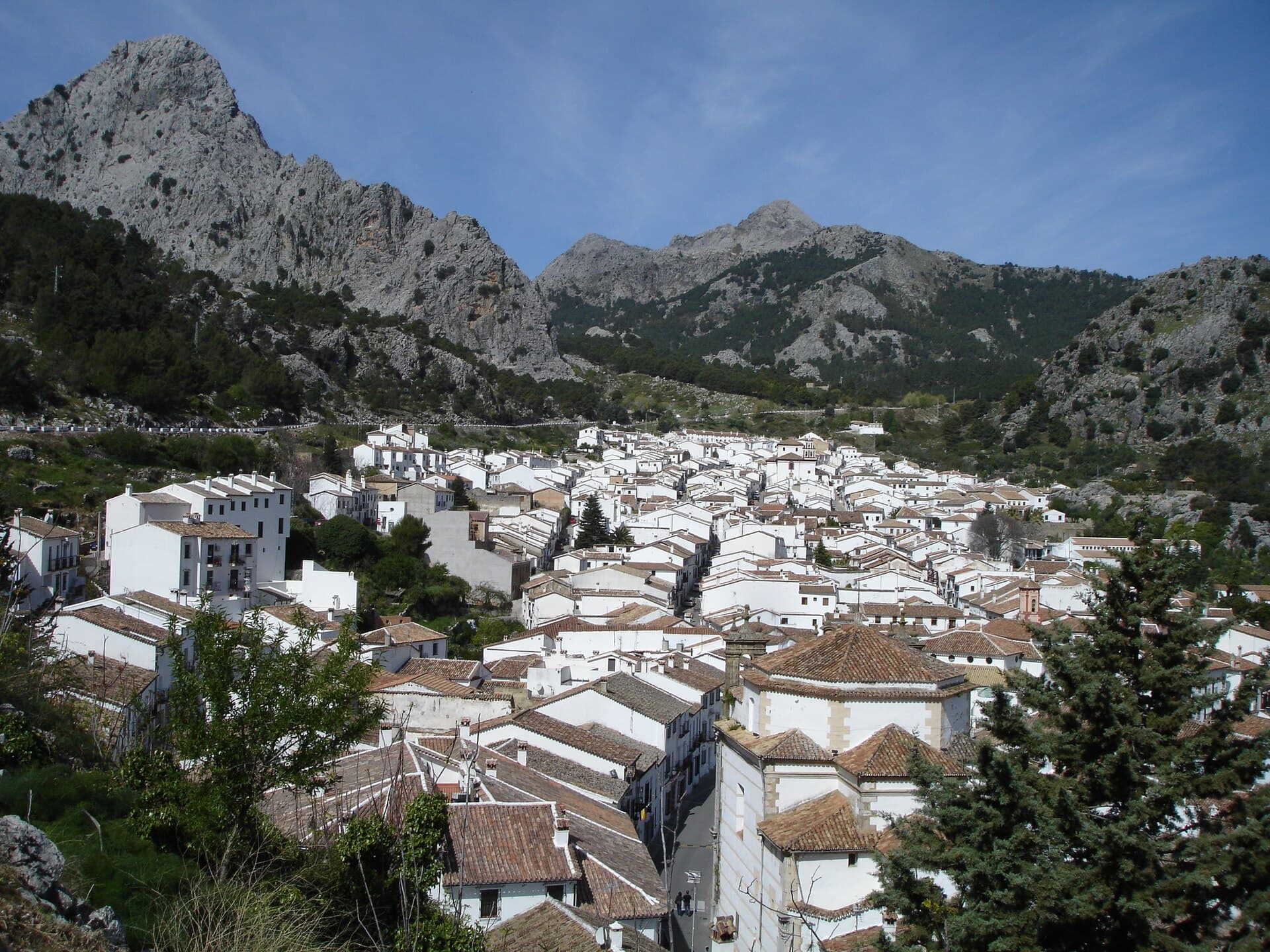 El Pantera / cc by-sa 4.0, via Wikimedia Commons
Visite audio autoguidée de Grazalema — parcours GPS à pied, lecture hors ligne, narration en 32 langues.
“Là où les nuages s'accrochent aux pics calcaires et les villages blancs scintillent.”
Pas les cartes postales. Les histoires que même les habitants ignorent — soufflées à l'oreille, là où elles se sont passées.
Grazalema est réputée pour sa pluie, mais il y a une raison spécifique pour laquelle cette place particulière donne souvent l'impression d'être au cœur d'une tempête, même par temps clair.
Les couvertures de Grazalema sont légendaires, mais le secret de leur chaleur ne réside pas seulement dans la laine ou le tissage.
De ce point de vue, vous pouvez observer les sapins 'pinsapo', une espèce souvent appelée 'fossile vivant'. Mais qu'est-ce qui les rend si anciens et rares ici ?
Découvrez tous les secrets de Grazalema
Chaque adresse, chaque révélation en entier — dans ton oreille, là où elle s'est passée.
Tu choisis tes lieux. Tu marches. La voix te révèle ce que les autres ignorent.


Votre visite audioguidée de Grazalema vous attend — choisissez vos lieux, votre langue, et lancez-vous dès votre arrivée.
AcheterLume intègre un guide en réalité augmentée. Levez votre téléphone : sa caméra montre la rue devant vous, avec une flèche lumineuse posée sur l'image réelle qui pointe toujours vers votre prochain arrêt — aucune carte à déchiffrer, aucun mauvais virage. Comme tout dans Lume, ça fonctionne entièrement hors-ligne.
Grazalema, un village de maisons blanchies à la chaux accroché à flanc de montagne, forme le cœur du Parc Naturel de la Sierra de Grazalema en Andalousie, Espagne. C'est un lieu où des pics calcaires spectaculaires rencontrent le ciel, et l'air porte souvent le parfum du pin et de la terre humide. Reconnu comme le village le plus pluvieux d'Espagne, Grazalema possède une qualité verdoyante qui le distingue des paysages plus secs du sud de l'Espagne, favorisant un écosystème unique et un mode de vie distinctif.
La vie ici se déroule à un rythme dicté par les montagnes et la météo. Des rues sinueuses, pavées de pierres, mènent devant des balcons fleuris de géraniums à des places ensoleillées où le murmure des conversations se mêle au tintement lointain des cloches de chèvres. C'est une destination pour ceux qui recherchent la grandeur tranquille de la nature, l'authenticité de la vie de village andalouse et la beauté vivifiante d'un paysage façonné par l'eau et le temps.
L'histoire de Grazalema est profondément liée à sa situation stratégique dans les montagnes. Des preuves suggèrent une présence romaine, probablement attirée par les vallées fertiles et les abondantes sources d'eau, bien que les vestiges étendus soient rares. Le village a véritablement commencé à prospérer sous la domination maure, lorsqu'il était connu sous le nom de « Ben-Salem » ou « Gran Zulema ». Les Maures ont reconnu ses avantages défensifs, construisant des fortifications et aménageant des terrasses pour l'agriculture. Ils ont introduit des systèmes d'irrigation sophistiqués, dont beaucoup sont encore utilisés aujourd'hui, et ont cultivé des olives, des raisins et des céréales.
En 1485, Grazalema fut capturée par les forces chrétiennes pendant la Reconquista, devenant partie du Royaume de Castille. Cette période apporta des changements significatifs, y compris la construction d'églises sur d'anciennes mosquées et la redistribution des terres. L'économie du village se transforma, l'élevage ovin et la production de textiles de laine gagnant en importance. Au XVIIIe siècle, Grazalema était réputée pour ses couvertures en laine de haute qualité, une tradition qui perdure encore aujourd'hui.
Le terrain accidenté qui offrait autrefois une défense fit également de Grazalema un refuge pour les bandits au XIXe siècle, une époque romancée dans le folklore andalou. Le village joua également un rôle dans la guerre d'indépendance espagnole contre Napoléon. Au XXe siècle, comme de nombreuses zones rurales, Grazalema connut une dépopulation à mesure que les habitants se déplaçaient vers les grandes villes. Cependant, la création du Parc Naturel de la Sierra de Grazalema en 1984 marqua une nouvelle ère de conservation et de tourisme durable, revitalisant l'économie locale et préservant son patrimoine naturel et culturel unique.
Commencez par la Plaza de España, la place principale du village, encadrée par l'Église de Nuestra Señora de la Encarnación. Flânez dans les rues étroites et pavées, admirant les maisons blanchies à la chaux et les jardinières fleuries. Visitez l'Église de San José, un ancien couvent carmélite avec un clocher saisissant. Pour un aperçu du passé du village, explorez le Musée du Textile (Museo Textil), présentant la production traditionnelle de couvertures en laine. Juste à l'extérieur du village, le Mirador de Grazalema offre des vues imprenables sur le village et les forêts de pinsapos environnantes. Pour les amoureux de la nature, plusieurs sentiers de randonnée bien balisés partent de Grazalema, y compris des itinéraires à travers la Forêt de Pinsapar, abritant le rare sapin d'Espagne.
Les périodes les plus agréables pour visiter Grazalema sont le printemps (avril à juin) et l'automne (septembre à octobre). Pendant ces saisons, le temps est agréablement doux pour la randonnée et l'exploration, et le paysage est particulièrement éclatant de fleurs sauvages ou de couleurs automnales. Les étés peuvent être chauds, bien que généralement plus frais que les zones de basse altitude d'Andalousie, tandis que les hivers sont frais et humides, offrant un charme différent, souvent brumeux.
Grazalema est plus facilement accessible en voiture, offrant une flexibilité pour explorer le parc naturel. Un parking est disponible à l'entrée du village et dans des zones désignées. Portez des chaussures de marche confortables, car les rues sont raides et pavées. De nombreux restaurants locaux servent une cuisine andalouse traditionnelle, avec un accent sur le gibier local, les fromages et la charcuterie. En raison de sa popularité, surtout pendant les hautes saisons, il est conseillé de réserver votre hébergement à l'avance. L'anglais est parlé dans les établissements orientés vers le tourisme, mais quelques phrases en espagnol seront appréciées.
Grazalema en coréen, en chinois ou en hébreu — et dans 29 autres langues, chaque étape narrée par une voix native. La plus large gamme de langues de tous les audioguides autoguidés.
Disponible en :