Kilianskirche
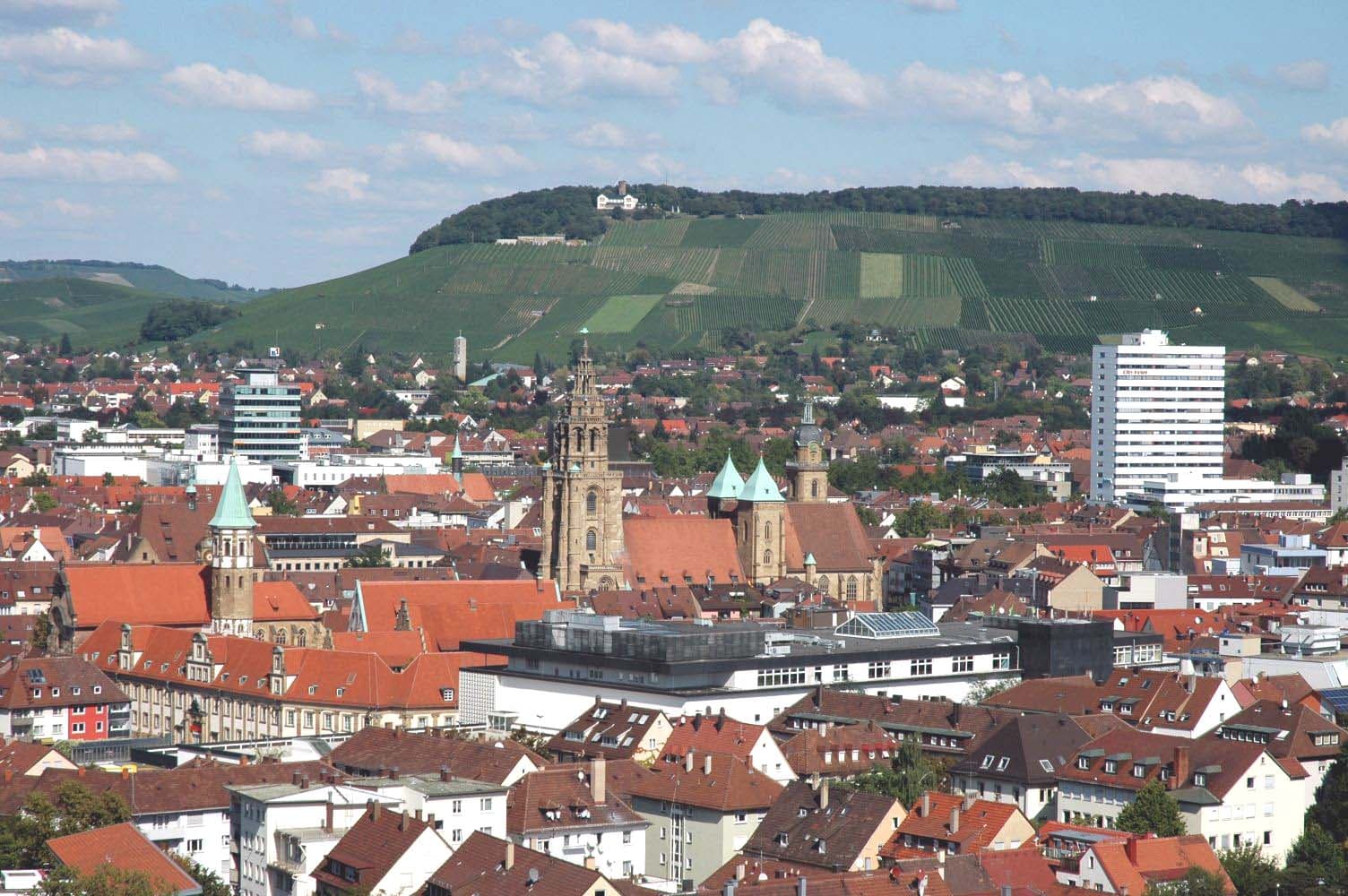
La Kilianskirche, una impactante iglesia gótica, guarda un secreto bajo su altar mayor.
La historia completa se desbloquea en el tour
 K. Jähne / CC BY-SA 3.0, via Wikimedia Commons
Tour de audio autoguiado de Heilbronn — ruta GPS a pie, reproducción offline, narración en 32 idiomas.
“Heilbronn: Donde los manantiales romanos se encontraron con el comercio medieval y la innovación moderna, todo acunado por viñedos.”
No las postales. Las historias que ni los locales conocen — al oído, justo donde ocurrieron.
La Kilianskirche, una impactante iglesia gótica, guarda un secreto bajo su altar mayor.
A pesar de su apariencia moderna, un apodo local para Heilbronn insinúa un pasado más áspero.
Heilbronn ostenta una distinción sorprendente en la historia de la energía eléctrica.
Descubre todos los secretos de Heilbronn
Cada dirección, cada revelación al completo — a tu oído, justo donde ocurrió.
Eliges tus paradas. Caminas. La voz te revela lo que los demás ignoran.


Tu tour de audioguía por Heilbronn te espera — elige tus lugares, tu idioma y empieza al llegar.
ComprarLume incluye una guía de realidad aumentada. Levanta el móvil y su cámara muestra la calle que tienes delante, con una flecha luminosa sobre la imagen real que siempre apunta a tu próxima parada — sin mapas que descifrar, sin giros equivocados. Como todo en Lume, funciona completamente sin conexión.
Heilbronn, una ciudad en el norte de Baden-Württemberg, Alemania, se asienta a lo largo del río Neckar, rodeada de viñedos y el Parque Natural del Bosque Suabo-Franco. Esta dinámica ciudad, con una población de unos 125,000 habitantes, a menudo es llamada "Käthchenstadt" en honor a la obra de Heinrich von Kleist, Das Käthchen von Heilbronn.
Aunque en gran parte reconstruida después de los extensos daños sufridos en la Segunda Guerra Mundial, Heilbronn combina a la perfección sus profundas raíces históricas con una sensibilidad moderna y con visión de futuro. Sirve como un importante centro económico para la región de Heilbronn-Franken y un centro para diversas industrias, desde la automotriz y la maquinaria hasta la electrónica y la alimentación. La ciudad también es celebrada como un importante centro vitivinícola, con viñedos que se extienden hasta sus límites.
El carácter de Heilbronn es una mezcla única de la alegría francona y la laboriosidad suaba. Su pintoresco entorno a orillas del río Neckar ofrece amplias oportunidades para paseos por el verde paseo, excursiones en barco y recorridos en bicicleta por la región vinícola circundante.
## Desde asentamiento romano hasta Ciudad Imperial Libre Los orígenes de Heilbronn se remontan a la Antigua Edad de Piedra, con evidencia de asentamientos humanos tempranos en las fértiles llanuras aluviales del Neckar. El sitio de la ciudad fue una vez un asentamiento romano, y fue mencionada por primera vez en registros históricos en el año 741 d.C. Los príncipes carolingios mantuvieron un palacio aquí, subrayando su importancia temprana.
Para 1225, Heilbronn pasó a formar parte del Imperio Hohenstaufen, evolucionando hasta convertirse en una ciudad fortificada con muros y fosos protectores. En 1281, fue designada "ciudad real" bajo el rey Rodolfo I, gobernada por un funcionario real y un consejo municipal. La construcción de su primer ayuntamiento alrededor de 1300 y el derecho a modificar el río Neckar para presas y puertos solidificaron aún más su estatus como un atractivo centro comercial. En 1371, Heilbronn alcanzó el codiciado estatus de Ciudad Imperial Libre, que mantuvo hasta 1803.
## Industrialización y devastación en tiempos de guerra El siglo XIX marcó el comienzo de una nueva era para Heilbronn, ya que se convirtió en uno de los centros de la industrialización temprana de Württemberg. Las conexiones ferroviarias de la ciudad se expandieron significativamente en la década de 1860, uniéndola con importantes centros como Heidelberg, Würzburg y Crailsheim, transformándola en un importante centro industrial, solo superado por Stuttgart en Württemberg a finales de siglo. Un logro notable fue en 1892, cuando Heilbronn se convirtió en la primera ciudad a nivel mundial en recibir energía eléctrica a larga distancia.
El siglo XX trajo inmensos desafíos. Heilbronn sufrió una destrucción catastrófica durante un ataque aéreo el 4 de diciembre de 1944, cuando su casco antiguo fue casi completamente arrasado. La ciudad fue posteriormente reconstruida en la década de 1950, una tarea formidable que vio la reinauguración del histórico ayuntamiento en 1953.
## Heilbronn moderna: una ciudad reinventada En la posguerra, Heilbronn continuó creciendo y modernizándose. La finalización de la Autobahn A6 a Mannheim en 1968 y, posteriormente, la A81 a Würzburg y la A6 a Núremberg en la década de 1970, consolidaron su papel como un centro logístico vital en el sur de Alemania. Esto llevó a muchas grandes empresas a establecer oficinas en la ciudad. Más recientemente, en 2019, Heilbronn fue sede de la Bundesgartenschau (exposición federal de horticultura de Alemania), lo que impulsó la creación del nuevo barrio de Neckarbogen, conocido por su diversidad arquitectónica y su ubicación junto al río. La ciudad también fue nombrada Capital Verde Europea para 2027. Hoy en día, Heilbronn es reconocida como una ciudad universitaria, hogar de la Universidad de Ciencias Aplicadas de Heilbronn y del Parque de Innovación de Inteligencia Artificial (IPAI), el ecosistema de IA más grande de Europa.
Heilbronn ofrece una mezcla de sitios históricos y atracciones modernas, muchos centrados en su revitalizado centro urbano y el río Neckar. La Plaza del Mercado es el corazón de la ciudad, con el reconstruido Rathaus (Ayuntamiento) y su ornamentado reloj astronómico de 1580, una maravilla de la artesanía del siglo XVI. Cerca, la Kilianskirche es una iglesia gótica de salón con partes que datan del siglo XIII, notable por su torre renacentista y un magnífico altar gótico tardío de Hans Seyffer de 1498.
Para un vistazo al pasado de la ciudad, visite la Haus der Stadtgeschichte (Casa de la Historia de la Ciudad). Aún quedan restos de las antiguas murallas, como la Götzenturm y la Bollwerksturm. La Hafenmarktturm simboliza la reconstrucción de Heilbronn después de la guerra. El río Neckar es fundamental para el atractivo de la ciudad, con un paseo verde a orillas del río perfecto para pasear o andar en bicicleta. También puede hacer un crucero en barco por el Neckar. La Neckarmeile es la franja de restaurantes más larga a lo largo de un río en el sur de Alemania.
Para los entusiastas de la ciencia, Experimenta es el centro de ciencias más grande de Alemania, que ofrece exhibiciones interactivas. Dada la identidad de Heilbronn como ciudad del vino, explorar sus viñedos circundantes es una experiencia clave. El Wartberg ofrece vistas panorámicas y un sendero panorámico del vino. Considere una visita a una bodega local o a una Besenwirtschaft, una taberna de vinos de temporada. Para una inmersión más profunda en la viticultura de la región, el Wein-Schatzkeller de la Weingenossenschaftskellerei Heilbronn exhibe 300 vinos diferentes.
El mejor momento para experimentar Heilbronn para actividades de clima cálido es de mediados de junio a principios de septiembre. Durante estos meses, el clima es agradable, con temperaturas diarias promedio que oscilan entre 30°F y 78°F, rara vez superando los 90°F. Julio es típicamente el mes más cálido, con una máxima promedio de 76°F y los cielos más despejados. Mayo también ofrece un clima primaveral agradable con temperaturas suaves a cálidas, paisajes florecientes y multitudes moderadas, ideal para actividades al aire libre y el inicio de eventos relacionados con el vino. Aunque los inviernos son fríos y ventosos, diciembre ofrece los mercados navideños de la ciudad.
Heilbronn se encuentra en el estado de Baden-Württemberg, en el suroeste de Alemania. La moneda local es el euro (EUR). La ciudad es de fácil acceso, situada a unos 45 minutos en coche de Stuttgart, y a una hora de Heidelberg, Mannheim y Rothenburg ob der Tauber. El transporte público dentro de Heilbronn es eficiente, con un sistema de S-Bahn que funciona como un híbrido de tranvía y tren, que recorre la calle principal. La ubicación central de la ciudad y su extensa infraestructura de transporte la convierten en una buena base para explorar la región en general. Heilbronn se considera generalmente una ciudad segura. Para alojamiento, las opciones incluyen hoteles como el HARBR Hotel, Parkhotel e Inselhotel.
Heilbronn en coreano, en chino o en hebreo — y 29 idiomas más, cada parada narrada por una voz nativa. La mayor variedad de idiomas de cualquier audioguía autoguiada.
Disponible en: