Kirche San Bartolomé
Diese gotische Kirche in Jáveas Altstadt ist mehr als ein Ort stiller Kontemplation.
Die ganze Geschichte wird in der Tour freigeschaltet
 No machine-readable author provided. Rodriguillo assumed (based on copyright claims). / public domain, via Wikimedia Commons
Selbstgeführte Audio-Walking-Tour durch Jávea — GPS-Route, Offline-Wiedergabe, erzählerische Narration in 32 Sprachen.
“Wo alte Steine auf die mediterrane Luft treffen, lädt Jávea zu einer Reise durch Epochen und Umgebungen ein.”
Nicht die Postkarten. Die Geschichten, die selbst Einheimische nicht kennen – dir ins Ohr geflüstert, genau dort, wo sie geschahen.
Diese gotische Kirche in Jáveas Altstadt ist mehr als ein Ort stiller Kontemplation.
Entlang der zerklüfteten Küste birgt eine Meereshöhle eine überraschende Wahrheit über ihre Entstehung.
Im Gegensatz zu vielen sich schnell entwickelnden Küstenstädten hat Jávea ein unverwechselbares Profil vor dem Himmel sorgfältig bewahrt.
Entdecke jedes Geheimnis von Jávea
Jede Adresse, jede Enthüllung vollständig – in deinem Ohr, genau dort, wo es geschah.
Du wählst deine Stationen. Du gehst. Die Stimme enthüllt, was andere übersehen.
Deine selbstgeführte Audio-Tour durch Jávea ist bereit – wähle deine Sehenswürdigkeiten, deine Sprache und starte, sobald du ankommst.
KaufenLume enthält einen integrierten Augmented-Reality-Guide. Halten Sie Ihr Handy hoch: Die Kamera zeigt die Straße vor Ihnen, mit einem leuchtenden Pfeil über dem echten Bild, der immer auf Ihren nächsten Stopp zeigt — keine Karte zum Rätseln, keine falschen Abzweigungen. Wie alles bei Lume funktioniert es komplett offline.
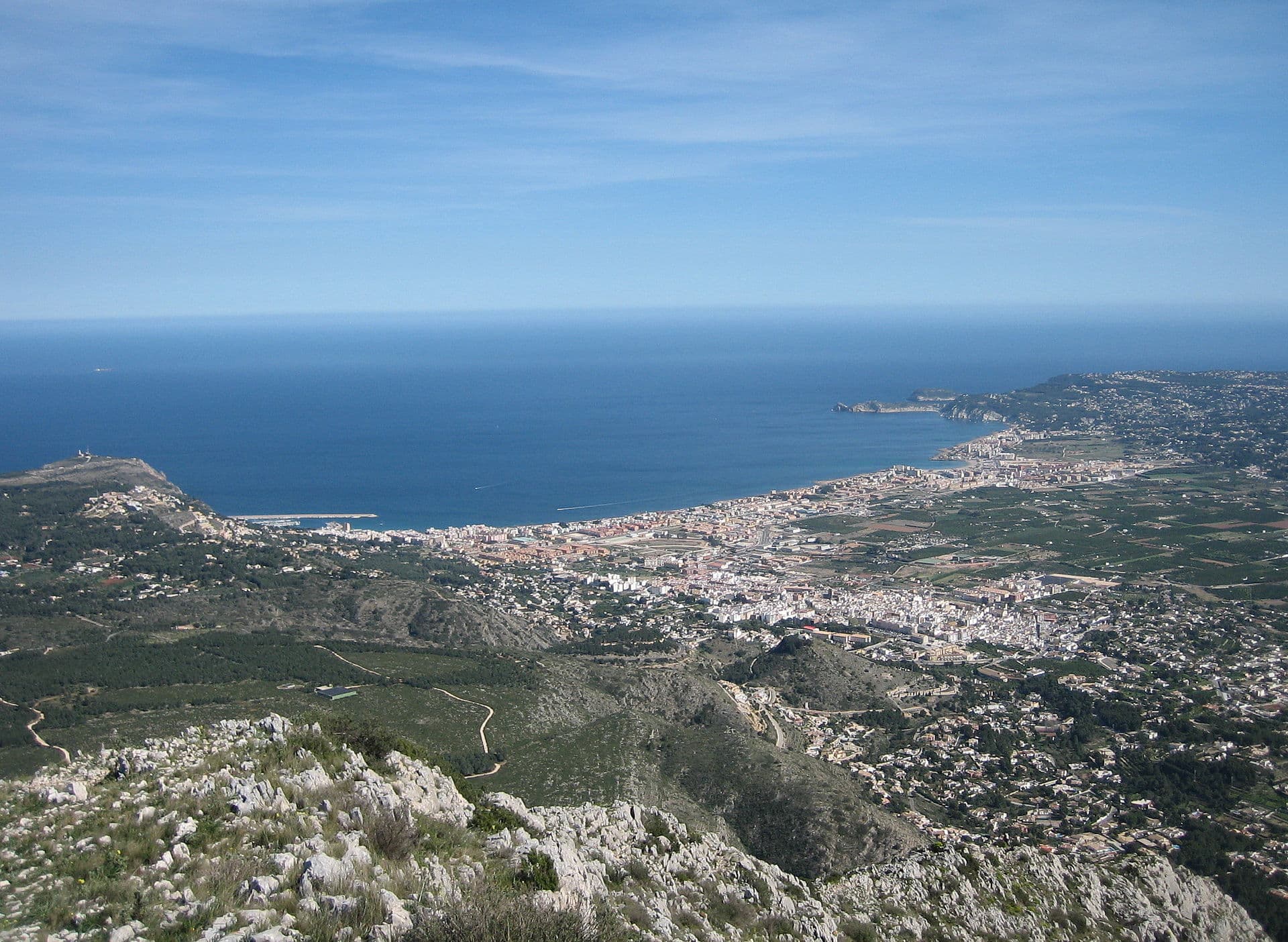
Jávea, lokal bekannt als Xàbia auf Valencianisch, ist eine Küstenstadt an Spaniens Costa Blanca, anmutig gelegen zwischen den Kaps von San Antonio und La Nao. Diese Ecke der Provinz Alicante ist berühmt für ihre vielfältige natürliche Umgebung mit Sandstränden, abgelegenen Buchten und dramatischen Felsformationen. Die Stadt gliedert sich in drei unterschiedliche Bereiche: die ehrwürdige Altstadt, den lebhaften Hafen und den sonnenverwöhnten Arenal-Strand.
Jáveas Reiz liegt in der Verschmelzung von natürlicher Pracht, beständigem Erbe und einem ruhigen Rhythmus, was sie zu einem beliebten Ort sowohl für Reisende als auch für diejenigen macht, die einen längeren Aufenthalt suchen. Die Stadt wird vom Naturpark Montgó überwacht, einem elefantengroßen Berg, der eine beeindruckende Kulisse und Wege für Outdoor-Aktivitäten bietet. Mit einem mediterranen Klima, das über 300 Sonnentage im Jahr liefert, gilt Jávea als eine der gesündesten Klimazonen der Welt, anerkannt von der Weltgesundheitsorganisation.
Über ihre landschaftliche Schönheit hinaus pflegt Jávea eine blühende Gemeinschaft, eine vielfältige kulinarische Landschaft und ein Engagement für den Schutz ihrer natürlichen Umgebung. Ihr einzigartiger Charakter, geprägt von jahrhundertelangen Ereignissen und einem durchdachten Wachstumskonzept, unterscheidet sie von anderen Küstenorten.
Jáveas Geschichte reicht über 30.000 Jahre zurück, mit Beweisen für frühe menschliche Bewohner, die als Jäger und Sammler lebten. Die ersten dokumentierten Siedler waren die Iberer, deren archäologische Überreste in Gebieten wie der Montgó-Höhle zu finden sind. Die Römer nutzten Jávea im 2. Jahrhundert als Hafen und errichteten eine Anlage zur Fischkonservierung. Der Name Jávea selbst soll vom lateinischen Wort 'Xabia' stammen, was 'Ort des Wassers' bedeutet.
Nach dem Abzug der Römer blieb die Gegend unbewohnt, bis die islamischen Mauren im 9. Jahrhundert ankamen. Ihre Anwesenheit hinterließ eine unauslöschliche Spur in Jáveas Kunst, Kultur und Architektur. Die maurische Herrschaft wurde jedoch 1244 gestürzt, als Christen in Jávea ankamen. Diese Konfliktzeit wird heute noch mit dem jährlichen Fest 'Mauren und Christen' im Juli erinnert, bei dem Einheimische mit aufwendigen Kostümen Kampfszenen nachstellen.
Vom 14. bis 17. Jahrhundert litt Jávea unter häufigen Einfällen von Piraten und Angreifern. Zum Schutz siedelten die Bewohner ins Landesinnere um und errichteten schützende Mauern und Türme um die Altstadt und den Hafen. Die Kirche San Bartolomé, ein bemerkenswertes Beispiel isabellinischer Gotik, wurde in dieser Zeit erbaut und diente sowohl als Gotteshaus als auch als Verteidigungsanlage.
Das 18. und 19. Jahrhundert brachten Jávea wirtschaftlichen Wohlstand, der größtenteils durch den Anbau und Export von Rosinen angekurbelt wurde. Wohlhabende Kaufleute bauten elegante Häuser und Anwesen, von denen einige noch heute bewundert werden können, wie das Casa dels Bolufer. Dieser Wohlstand ließ im 20. Jahrhundert aufgrund von Konkurrenz und der Reblausplage, die die Weinberge befiel, nach. In der zweiten Hälfte des 20. Jahrhunderts orientierte sich Jávea neu als Reiseziel und zog Besucher aus ganz Europa an, während es gleichzeitig bestrebt war, seine natürliche Schönheit und kulturelle Identität zu bewahren.
Jávea bietet eine Reihe von Erlebnissen in seinen verschiedenen Zonen. Beginnen Sie in der Altstadt (El Pueblo), einem Labyrinth aus engen Gassen mit weiß getünchten Gebäuden, gotischen Fenstern und traditionellen 'Tosca'-Steindetails. Erkunden Sie hier die befestigte Kirche San Bartolomé und das Rathaus aus dem 18. Jahrhundert, das auf einem alten mittelalterlichen Friedhof errichtet wurde. Verpassen Sie nicht das Archäologische und Ethnografische Museum Soler Blasco mit Artefakten aus der Römerzeit.
Bewegen Sie sich in Richtung El Puerto, Jáveas Hafenviertel, wo Fischerboote immer noch den Fang des Tages anliefern. Schlendern Sie entlang der Uferpromenade und besuchen Sie die moderne Kirche der Jungfrau von Loreto, die für ihre markante ovale Form bekannt ist, die an einen Schiffsrumpf erinnert. Für diejenigen, die sandige Ufer lieben, ist der Arenal-Strand ein Sandstreifen in der Mitte der Bucht von Jávea, der klares Wasser und eine lebhafte Promenade mit Restaurants und Cafés bietet.
Erkunden Sie jenseits der Hauptbereiche Jáveas Naturwunder. Der Naturpark Montgó bietet Wanderwege mit weiten Ausblicken und prähistorischen Höhlenmalereien. Entdecken Sie die Miradores, eine Reihe von 15 Aussichtspunkten entlang der Küste, die jeweils eine einzigartige Perspektive auf die Klippen und das Meer bieten. Für ein besonderes Abenteuer wandern Sie zur Cova Tallada, einer Höhle auf Meereshöhe, die einst als Steinbruch der Mauren diente. Die Küste bietet auch zahlreiche Buchten wie Cala Granadella und Cala Portitxol, ideal zum Schwimmen, Schnorcheln und Kajakfahren.
Jávea hat ein mediterranes Klima mit über 300 Sonnentagen im Jahr, was es fast das ganze Jahr über zu einem angenehmen Reiseziel macht. Die optimale Reisezeit hängt von den individuellen Vorlieben ab. Für Strandaktivitäten und lebhafte Energie sind die Sommermonate von Juni bis August ideal, mit durchschnittlichen Höchsttemperaturen von 30-32°C und einladenden Meerestemperaturen. Diese Zeit bietet auch zahlreiche lokale Feste.
Für Outdoor-Enthusiasten und diejenigen, die weniger Menschenmassen suchen, bieten das späte Frühjahr (März bis Mai) und der frühe Herbst (September bis Oktober) milde Temperaturen zwischen 17-27°C, perfekt zum Wandern und Erkunden. Der September bietet immer noch warme Meerestemperaturen zum Schwimmen. Selbst der Winter (Dezember bis Februar) bietet einen friedlichen Rückzugsort mit milden Temperaturen um 17°C, geeignet für gemütliche Spaziergänge und das Genießen des lokalen Charakters.
Jávea ist gut erreichbar und liegt etwa 100 km von den Flughäfen Alicante-Elche (ALC) und Valencia (VLC) entfernt, mit Fahrzeiten von etwa 90 Minuten mit dem Auto. Taxis vom Flughafen Alicante kosten in der Regel etwa 90-100 €, während eine Busverbindung (über Benidorm) etwa 15,50 € kostet und fast drei Stunden dauert. Ein Mietwagen bietet eine bequeme Möglichkeit, die weitere Region zu erkunden.
Innerhalb Jáveas ist die Stadt gut zu Fuß erkundbar, insbesondere in den verschiedenen Zonen wie der Altstadt, dem Hafen und dem Arenal. Für die Fortbewegung stehen Taxis zur Verfügung, und Fahrräder sowie Roller können gemietet werden. Die Unterkunftsoptionen reichen von Luxusvillen über Boutique-Hotels bis hin zu Apartments und decken verschiedene Geschmäcker und Budgets ab. Die Stadt beherbergt eine vielfältige, internationale Gemeinschaft, in der Spanisch, Englisch, Niederländisch, Deutsch und Französisch üblicherweise gesprochen werden.
Jávea — Koreanisch, Chinesisch, Hebräisch und 29 weitere Sprachen, jede Station von einer muttersprachlichen Stimme erzählt. Die größte Sprachauswahl aller selbstgeführten Audiotouren.
Verfügbar auf: