Galería de Gemas de Kemi
Finlandia estuvo a punto de coronar a un rey, y su adorno real reside aquí, aunque con un giro inesperado.
La historia completa se desbloquea en el tour
 Estormiz / CC0, via Wikimedia Commons
Tour de audio autoguiado de Kemi — ruta GPS a pie, reproducción offline, narración en 32 idiomas.
“Donde el mar helado se encuentra con una ciudad forjada en hielo y resiliencia.”
No las postales. Las historias que ni los locales conocen — al oído, justo donde ocurrieron.
Finlandia estuvo a punto de coronar a un rey, y su adorno real reside aquí, aunque con un giro inesperado.
Este imponente edificio blanco en el corazón de la ciudad guarda un secreto de la Segunda Guerra Mundial.
Imagina deslizarte por la extensión helada del mar Ártico sin sentir el frío punzante.
Descubre todos los secretos de Kemi
Cada dirección, cada revelación al completo — a tu oído, justo donde ocurrió.
Eliges tus paradas. Caminas. La voz te revela lo que los demás ignoran.


Tu tour de audioguía por Kemi te espera — elige tus lugares, tu idioma y empieza al llegar.
ComprarLume incluye una guía de realidad aumentada. Levanta el móvil y su cámara muestra la calle que tienes delante, con una flecha luminosa sobre la imagen real que siempre apunta a tu próxima parada — sin mapas que descifrar, sin giros equivocados. Como todo en Lume, funciona completamente sin conexión.
Kemi, una ciudad en la costa norte de la Bahía de Botnia en la Laponia finlandesa, presenta una fusión singular de naturaleza ártica, herencia marinera y encuentros culturales. Establecida en 1869 por el Emperador Alejandro II de Rusia debido a su estratégico puerto de aguas profundas, Kemi se desarrolló rápidamente como un centro industrial, impulsado principalmente por la silvicultura y la industria de la celulosa y el papel. Hoy, con una población de alrededor de 19.000 habitantes, Kemi es celebrada por sus atracciones distintivas, incluyendo un inmenso Castillo de Nieve y un barco rompehielos que guía a los visitantes a través del mar helado.
Más allá de sus maravillas heladas, Kemi ofrece oportunidades para adentrarse en su cultura marítima, su animado puerto interior y los archipiélagos cercanos. La ubicación de la ciudad también la convierte en un lugar ideal para experimentar el sol de medianoche en verano y, durante el invierno, las esquivas Auroras Boreales. Kemi sirve como centro de comercio y servicios en la Laponia Marítima, ofreciendo una variedad de museos locales, galerías, cafeterías y restaurantes, asegurando una visita memorable en cualquier estación.
## Del Decreto Imperial a la Potencia Industrial La historia oficial de Kemi comenzó en 1869, cuando el Emperador Alejandro II de Rusia emitió un decreto que establecía la ciudad. Esta decisión fue en gran parte influenciada por la necesidad de un puerto de aguas profundas en el Golfo de Botnia para servir a los vastos territorios del norte de Finlandia, que en ese momento era un Gran Ducado autónomo bajo el dominio ruso. La ubicación estratégica en la desembocadura del río Kemijoki resultó ideal para las exportaciones de madera, lo que llevó a un rápido desarrollo a finales del siglo XIX y principios del XX.
El crecimiento industrial fue impulsado por el establecimiento de aserraderos y, más tarde, fábricas de celulosa y papel. El puerto de aguas profundas se convirtió en un enlace crucial tanto para la exportación de madera como para la importación de mercancías. En 1903, la finalización de una línea ferroviaria conectó Kemi con el sur de Finlandia, integrando aún más la ciudad en el sistema de transporte nacional y acelerando su expansión económica.
## Importancia en Tiempos de Guerra y Reconstrucción Postguerra Kemi desempeñó un papel importante durante la Segunda Guerra Mundial, particularmente durante la Guerra de Laponia en 1944. Después de que Finlandia firmara el Armisticio de Moscú, se vio envuelta en un conflicto con sus antiguos aliados alemanes, luchando para expulsarlos del territorio finlandés. En un dramático incidente en octubre de 1944, las fuerzas alemanas capturaron a 132 rehenes civiles finlandeses en Kemi, amenazando sus vidas a menos que se liberaran a los prisioneros de guerra alemanes. Finlandia se negó a cumplir, amenazando con represalias, y finalmente, todos los rehenes fueron liberados ilesos.
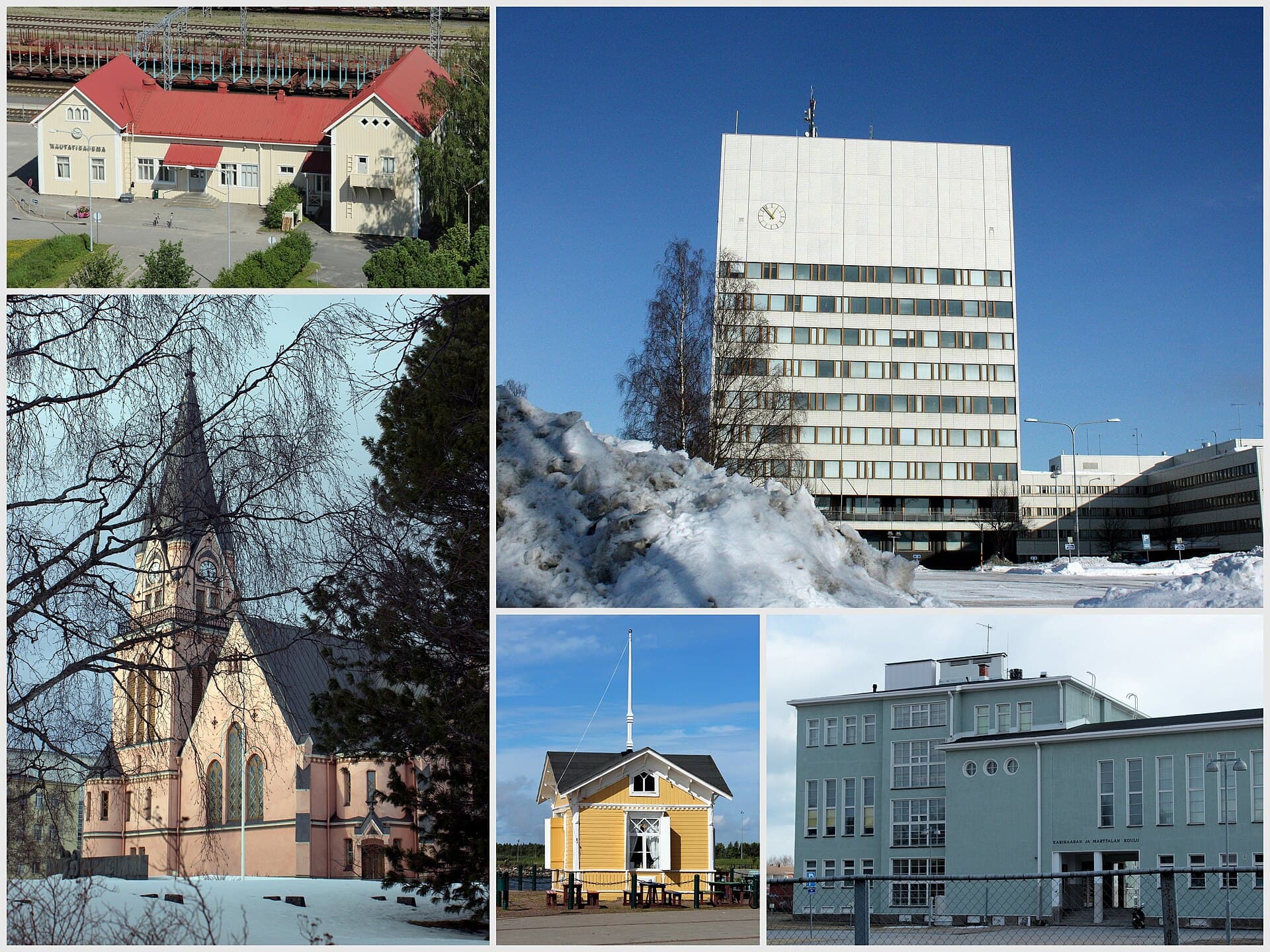
Aunque la ciudad sufrió algunos daños durante la guerra, fue reconstruida en el período de posguerra. Hitos arquitectónicos clave, como el Ayuntamiento de Kemi, construido en 1940, mostraron resiliencia al sobrevivir a los intentos de bombardeo con daños menores. La ciudad continuó evolucionando, lanzando el rompehielos 'Sampo' en 1960 para asegurar la navegación invernal y construyendo el primer Castillo de Nieve en 1996, que obtuvo reconocimiento internacional.
Kemi presenta una variedad de atracciones distintivas, muchas de ellas centradas en su entorno ártico. El Castillo de Nieve de Kemi es un atractivo principal, reconstruido cada invierno con un nuevo diseño de nieve y hielo. Incluye un hotel de nieve, un restaurante de hielo y una capilla de nieve. Para aquellos que visitan fuera del invierno, la galería interior SnowExperience365 ofrece una exposición de hielo durante todo el año, manteniendo una temperatura constante de -5°C, completa con esculturas de hielo y un bar de hielo.
Un crucero en el Rompehielos Sampo es una experiencia verdaderamente singular. Este antiguo rompehielos gubernamental ahora lleva a los turistas en excursiones a través de la Bahía de Botnia congelada, permitiendo a los pasajeros presenciar cómo el barco rompe el hielo grueso e incluso flotar en trajes de supervivencia en el agua helada. La Galería de Gemas de Kemi, ubicada en la antigua Aduana, exhibe más de 3.000 gemas y piezas de joyería, incluyendo una réplica de la Corona de Finlandia y otras joyas célebres.
Otros lugares de interés notables incluyen la Iglesia Luterana de Kemi, una estructura neogótica terminada en 1902 con un distintivo exterior rosa pálido y agujas góticas. El Puerto Interior es un lugar animado durante el verano, con restaurantes, cafeterías y oportunidades para excursiones en barco a los archipiélagos cercanos. Para los entusiastas del arte, el Museo de Arte de Kemi (el primer museo de arte de Laponia) y el Museo Histórico de Kemi ofrecen conocimientos culturales.
Kemi ofrece experiencias distintas según la estación. Para actividades de clima cálido y disfrutar del sol de medianoche, la mejor época para visitar es desde principios de julio hasta principios de agosto, cuando las temperaturas son suaves. Los meses de verano también permiten excursiones al archipiélago y disfrutar del animado puerto interior.
Para experiencias invernales, incluyendo el Castillo de Nieve, cruceros en rompehielos y una mayor probabilidad de ver las Auroras Boreales, el período ideal es de diciembre a marzo. El Castillo de Nieve suele estar abierto desde mediados de enero hasta mediados de abril, mientras que los cruceros del rompehielos Sampo generalmente operan desde justo antes de Navidad hasta principios de abril.
Kemi es fácilmente accesible por varios medios de transporte. Se puede llegar a la ciudad por aire a través del Aeropuerto de Kemi-Tornio, que está a unos 10 minutos en coche del centro de la ciudad. Hay conexiones de tren disponibles desde ciudades como Helsinki, Oulu y Rovaniemi, con una opción de tren nocturno desde Helsinki. La ciudad también está bien conectada por carretera, situada cerca de la autopista E4.
Una vez en Kemi, el centro de la ciudad es transitable a pie, y los autobuses locales conectan diferentes áreas. Para atracciones como el rompehielos Sampo, a menudo se incluyen autobuses de enlace obligatorios en los paquetes turísticos, que parten de puntos de encuentro designados como el Kemi Snow Hotel. La Oficina de Turismo de Kemi, ubicada en el vestíbulo del ayuntamiento, ofrece asistencia e información sobre las atracciones locales y la región más amplia de la Laponia Marítima. Las opciones de alojamiento van desde hoteles hasta villas de cristal únicas junto al mar, y hay una variedad de restaurantes y cafeterías disponibles.
Kemi en coreano, en chino o en hebreo — y 29 idiomas más, cada parada narrada por una voz nativa. La mayor variedad de idiomas de cualquier audioguía autoguiada.
Disponible en: