Cementerio de María
El 'padre del patinaje artístico moderno' encontró su descanso final en una inesperada ciudad costera finlandesa.
La historia completa se desbloquea en el tour
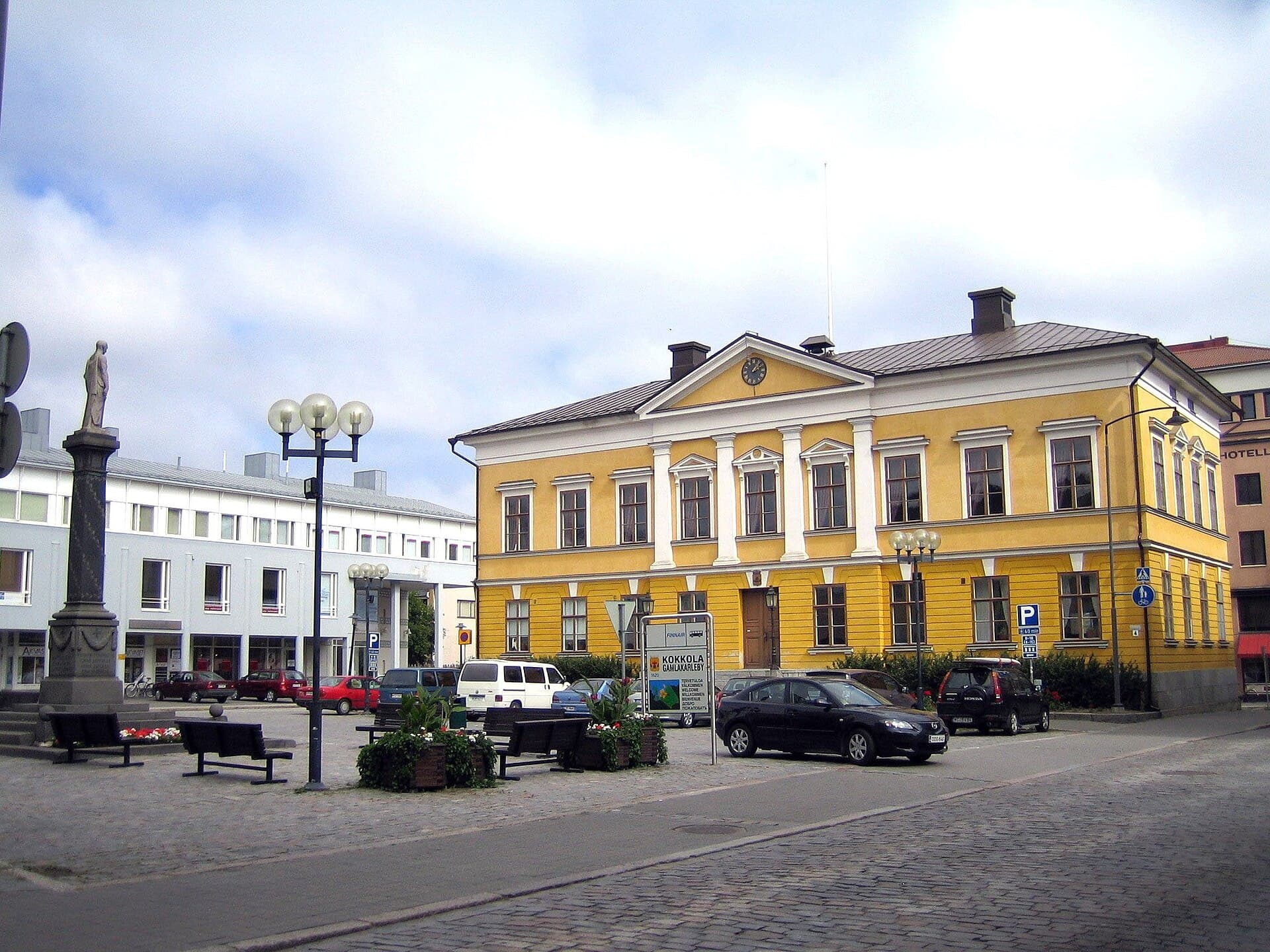 Tomisti / CC BY-SA 3.0, via Wikimedia Commons
Tour de audio autoguiado de Kokkola — ruta GPS a pie, reproducción offline, narración en 32 idiomas.
“Donde el mar susurra historias de alquitrán, comercio y calles de madera imperecederas.”
No las postales. Las historias que ni los locales conocen — al oído, justo donde ocurrieron.
El 'padre del patinaje artístico moderno' encontró su descanso final en una inesperada ciudad costera finlandesa.
Un singular trofeo de la Guerra de Crimea se alza en un parque finlandés.
Los orígenes de un querido chocolate finlandés se remontan a un comerciante de Kokkola.
Descubre todos los secretos de Kokkola
Cada dirección, cada revelación al completo — a tu oído, justo donde ocurrió.
Eliges tus paradas. Caminas. La voz te revela lo que los demás ignoran.


Tu tour de audioguía por Kokkola te espera — elige tus lugares, tu idioma y empieza al llegar.
ComprarLume incluye una guía de realidad aumentada. Levanta el móvil y su cámara muestra la calle que tienes delante, con una flecha luminosa sobre la imagen real que siempre apunta a tu próxima parada — sin mapas que descifrar, sin giros equivocados. Como todo en Lume, funciona completamente sin conexión.
Kokkola, conocida como Karleby en sueco, es una ciudad costera en el Golfo de Botnia, en el oeste de Finlandia, que sirve como centro regional de Ostrobotnia Central. Fundada en 1620 por el rey Gustavo II Adolfo de Suecia, tiene la distinción de ser una de las ciudades más antiguas de Finlandia. La identidad de la ciudad está profundamente ligada a su herencia marítima, habiendo sido un importante centro para la construcción naval y el comercio de alquitrán. Esta historia aún es visible en su arquitectura de madera bien conservada y la naturaleza bilingüe de la ciudad, con el finés y el sueco como idiomas oficiales.
Hoy en día, Kokkola alberga aproximadamente a 48,000 residentes y continúa su tradición comercial, poseyendo el tercer puerto general más grande de Finlandia. Más allá de su importancia industrial, Kokkola ofrece una mezcla de experiencias culturales y belleza natural, desde su casco antiguo histórico hasta su extenso parque urbano nacional. El paisaje llano de la ciudad, característico de la región de Ostrobotnia, está atravesado por varios ríos, siendo el más grande el Perhonjoki, que desemboca en el Golfo de Botnia.
La historia de Kokkola comienza el 7 de septiembre de 1620, cuando el rey Gustavo II Adolfo de Suecia otorgó el estatuto de ciudad al pequeño pueblo de pescadores y agricultores de Ristiranta, inicialmente llamado Gamlakarleby. La elección del rey de un barril de alquitrán con tres llamas ardientes para el sello de la ciudad subrayó el propósito fundacional de Kokkola: ser un puerto importante para el vital comercio de alquitrán. En esta época, Finlandia formaba parte del Imperio Sueco, y Kokkola se convirtió rápidamente en un exportador clave de alquitrán a Suecia y otras partes de Europa, importando bienes esenciales e incluso nuevas ideas.
Para el siglo XVIII, Kokkola se había convertido en una de las ciudades costeras más prósperas de la región, impulsada por una sustancial flota mercante y un activo comercio marítimo. Un hito importante ocurrió en 1765 cuando Anders Chydenius, un prominente político sueco y defensor de la libertad económica, aseguró derechos de libre comercio para Kokkola. Esto permitió a la ciudad participar en el comercio exterior directo, evitando intermediarios y aumentando aún más su riqueza. La ciudad también se convirtió en un importante centro de construcción naval, con astilleros locales que producían embarcaciones que navegaban por todo el mundo.
Sin embargo, el crecimiento de Kokkola no estuvo exento de desafíos. Un devastador incendio en 1664 destruyó la mayoría de las estructuras de madera de la ciudad, lo que llevó a un esfuerzo de reconstrucción basado en un plan más regular. El constante levantamiento de la tierra, un fenómeno en el que la tierra se eleva aproximadamente 8.8 milímetros anualmente, también desempeñó un papel crucial, ya que las áreas que alguna vez estuvieron bajo el agua se convirtieron gradualmente en tierra seca, alterando la costa y el puerto de la ciudad. A pesar de estos cambios, la tradición comercial de Kokkola perduró, y a principios del siglo XIX, poseía la flota mercante más grande de Finlandia, con ricos armadores y comerciantes desempeñando un papel importante en la configuración del paisaje cultural de la ciudad.
Comience su exploración en Neristan, el histórico distrito de madera de Kokkola. Esta zona se encuentra entre las ciudades de madera antiguas mejor conservadas de Finlandia, con calles estrechas, casas coloridas y patios tranquilos que evocan la vida de artesanos, comerciantes y marineros del pasado. Puede realizar un recorrido a pie para descubrir sus calles clave y edificios históricos.
Para un viaje al pasado, visite el Museo K.H. Renlund. Esta institución cultural central alberga colecciones de arte finlandés, historia local y la colección de cámaras del fotógrafo Leo Torppa. Dentro del Barrio del Museo, encontrará el Pedagogio, uno de los edificios de madera seculares conservados más antiguos de Finlandia, que data de 1696, y que una vez sirvió como escuela. Cerca, la Casa Lassander ofrece una visión de la vida de un comerciante del siglo XVIII.
Tome un ferry a la Isla del Faro de Tankar, una pintoresca isla en el archipiélago exterior conocida por sus tradiciones marineras y pesqueras. La isla ofrece una cafetería de verano, un puerto para huéspedes y opciones de alojamiento. Otro punto culminante natural es el Parque Urbano Nacional de Kokkola, establecido en 2020. Es el parque urbano nacional más grande de Finlandia, cubriendo casi 20,000 hectáreas, en su mayoría agua, y extendiéndose desde la estación de tren hasta el Faro de Tankar.
Las familias pueden disfrutar del Parque de Animales y Museo Campesino de Toivonen, ubicado a unos 10 kilómetros al norte de Kokkola. Presenta la vida rural del siglo XIX a través de edificios históricos y permite la interacción con animales de granja tradicionales. Para divertirse bajo techo, VesiVeijari ofrece toboganes tanto interiores como exteriores.
La mejor época para visitar Kokkola para actividades de clima cálido es desde finales de junio hasta mediados de agosto. Durante estos meses, los veranos son suaves y agradables, con temperaturas promedio en julio que alcanzan los 16-17°C, ideales para caminar y actividades al aire libre. El período de junio a agosto también ofrece el fenómeno del Sol de Medianoche en Finlandia, creando largas y brillantes noches. Si espera presenciar la Aurora Boreal, la temporada óptima para verla en Kokkola va de septiembre a marzo, siendo septiembre estadísticamente el mejor mes debido al equinoccio de otoño y al aumento de la oscuridad. Los inviernos son fríos y nevados, con temperaturas típicamente entre -4°C y -6°C en enero y febrero, adecuadas para deportes de invierno.
Kokkola es una ciudad bilingüe, con el finés y el sueco como idiomas oficiales, y las señales de las calles a menudo están en ambos. El inglés se habla ampliamente, especialmente por los jóvenes y en la industria de servicios. La ciudad está bien conectada con la principal red ferroviaria de Finlandia, con una estación céntrica. El aeropuerto de Kokkola-Pietarsaari también está cerca. Conducir es una opción viable, con las principales autopistas que conectan la ciudad con otros centros urbanos importantes.
Los precios del alojamiento son generalmente de gama media para Finlandia, con una habitación doble estándar que cuesta entre 100 y 150 euros por noche. Se recomienda reservar con antelación, especialmente durante la temporada alta de verano en julio. Para moverse, hay taxis disponibles, y el ferry M/S Jenny ofrece viajes de temporada, incluyendo a la isla de Tankar. Kokkola se considera una ciudad muy segura con bajas tasas de criminalidad. Tenga en cuenta que muchas tiendas pequeñas pueden cerrar temprano los sábados y estar cerradas los domingos.
Kokkola en coreano, en chino o en hebreo — y 29 idiomas más, cada parada narrada por una voz nativa. La mayor variedad de idiomas de cualquier audioguía autoguiada.
Disponible en: