Istana Kenangan
This former royal residence, now a museum, holds a surprising architectural secret.
Full story unlocks in the tour
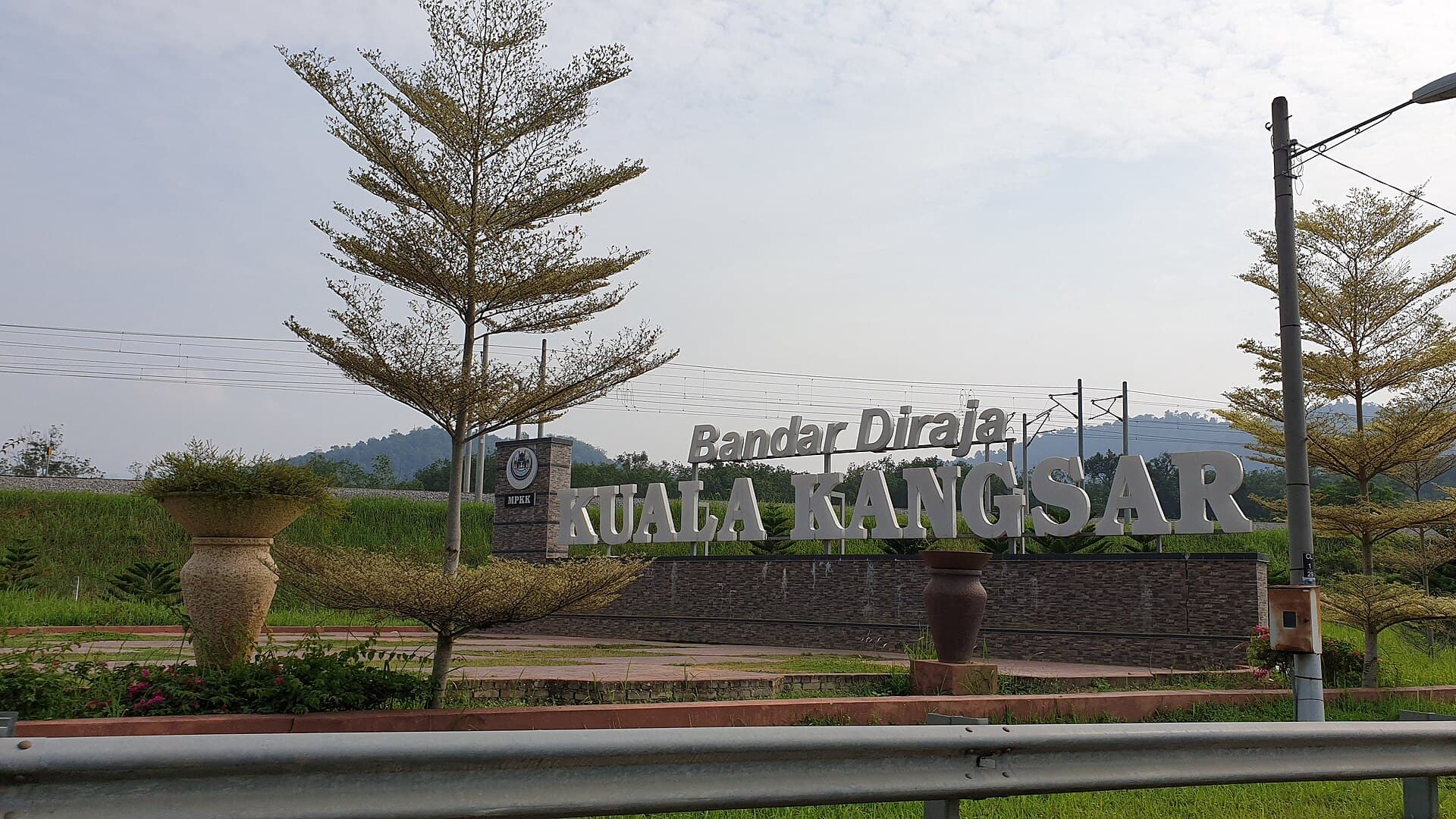 Michael / Public domain, via Wikimedia Commons
Self-guided audio walking tour of Kuala Kangsar — GPS route, offline playback, story-driven narration in 32 languages.
“Where golden domes meet timeless tales by the Perak River.”
Not the postcards. The stories even locals don't know — whispered in your ear, right where they happened.
This former royal residence, now a museum, holds a surprising architectural secret.
The construction of Kuala Kangsar's most iconic mosque faced an unexpected delay involving royal animals.
A humble tree in Kuala Kangsar holds the distinction of being the genesis of Malaysia's booming rubber industry.
Discover every secret of Kuala Kangsar
Every address, every reveal in full — in your ear, right where it happened.
You pick your stops. You walk. The voice reveals what the others miss.


Your self-guided audio tour of Kuala Kangsar is ready — pick your landmarks, choose your language, and start the moment you arrive.
BuyLume has a built-in augmented-reality guide. Hold your phone up and its camera shows the street ahead of you, with a glowing arrow laid over the real view that always points to your next stop — no map to puzzle over, no wrong turns. Like everything in Lume, it works fully offline.
Kuala Kangsar, the royal town of Perak, offers a captivating journey through Malaysia's heritage and colonial past. Situated along the serene Perak River, this destination is a living testament to centuries of tradition, where grand palaces, iconic mosques, and traditional crafts converge. Often overshadowed by larger cities, Kuala Kangsar provides a peaceful escape, inviting visitors to delve into a unique blend of Malay royal history and British colonial influence.
The town's unhurried pace allows for a deeper appreciation of its cultural fabric. From the gleaming golden domes of the Ubudiah Mosque to the intricate architecture of the former royal residences, every corner tells a story. Kuala Kangsar is not just a collection of historical sites; it's a place where local life unfolds against a backdrop of significant landmarks, offering a genuine glimpse into a cherished side of Malaysia.
Kuala Kangsar's history stretches back to the 18th century, when it was established as the royal town of Negeri Perak. The name itself is full of local lore, believed to be derived from 'Kuala Kurang-Sa', a poetic reference to the 99 tributaries feeding into the Perak River. This strategic location along the second-longest river in Peninsular Malaysia made it a vital hub.
The town's significance grew with the arrival of the British in the 1870s. Kuala Kangsar became the administrative seat of the first British Resident in the Malay Peninsula, James W. W. Birch, from October 1874 until his assassination in November 1875. This marked the beginning of a period of profound transformation, as the British gradually exerted control, turning the region into a powerhouse of tin mining and rubber farming.
A pivotal moment in Malaysian history unfolded in Kuala Kangsar in 1897, when it hosted the first Conference of Rulers of the Federated Malay States, known as the Durbar. This gathering underscored the town's importance as a political and royal center. Despite the later economic rise of tin mining towns like Ipoh and Taiping, Kuala Kangsar retained its regal charm and cultural prominence.
The town is also recognized as the birthplace of Malaysia's rubber industry. In 1877, the first rubber tree in the country was planted here by Henry Nicholas Ridley, whose efforts laid the foundation for what would become a cornerstone of the Malaysian economy. Today, Kuala Kangsar continues to showcase this blend of Malay royal heritage and British colonial legacy, with its architecture and traditions reflecting a fascinating past.
A stroll through Kuala Kangsar reveals a captivating array of historical and cultural sights. Begin with the Ubudiah Mosque, widely regarded as one of Malaysia's most beautiful mosques, with its striking golden domes and intricate Moorish and Victorian architecture. Nearby, explore the Istana Kenangan, also known as the Perak Royal Museum. This former royal residence, built entirely without nails, offers a glimpse into the opulent life of the Perak sultans.
Visit the Istana Iskandariah, the current official residence of the Sultan of Perak, a grand white palace visible from afar. For a taste of colonial history, visit the Malay College Kuala Kangsar, often dubbed 'Little Eton', known for its distinctive architecture and rugby fields. In the town center, the Coronation Memorial Clock Tower stands as a charming colonial-era landmark.
A short drive out of town leads to the historic Victoria Bridge in Karai, one of Malaysia's oldest railway bridges, now a scenic spot for pedestrians and cyclists. To delve deeper into local culture, explore the Labu Sayong village, famous for its traditional clay pottery. The Sultan Azlan Shah Gallery also houses a collection of exhibits and photographs related to the Perak Sultanate.
Kuala Kangsar experiences a hot, humid, and often overcast climate year-round, with temperatures typically ranging from 74°F to 91°F. The clearer part of the year is generally from mid-December to late March, with February being the clearest month. For activities in warm weather, the best times to visit are from mid-July to mid-August and from late December to mid-March. Precipitation is highest in November and lowest in February. While the temperature varies little, planning your visit during the drier months can enhance your outdoor exploration.
Kuala Kangsar is a small, easily navigable town. Many attractions are within walking distance, or you can opt for a traditional 'beca' (trishaw) for a unique experience. For getting into Kuala Kangsar, intercity buses are readily available, and frequent local bus connections operate from Ipoh. The town is also on the main North-South train line, making it accessible from Kuala Lumpur and Penang (Butterworth).
Accommodation options range from budget-friendly hotels and guesthouses to homestays, some offering pools or a traditional 'kampong' (village) experience. If you're visiting during Ramadan, don't miss the 'Bazar Ramadan' in the town center for local delicacies. Light clothing and staying hydrated are advisable due to the warm weather.
Kuala Kangsar in Korean, in Chinese or in Hebrew — and 29 more languages, every stop narrated by a native voice. The widest language range of any self-guided audio tour.
Available in: