Pueblo de Lastovo
El asentamiento principal de Lastovo mira hacia el interior, una elección inusual para un pueblo isleño.
La historia completa se desbloquea en el tour
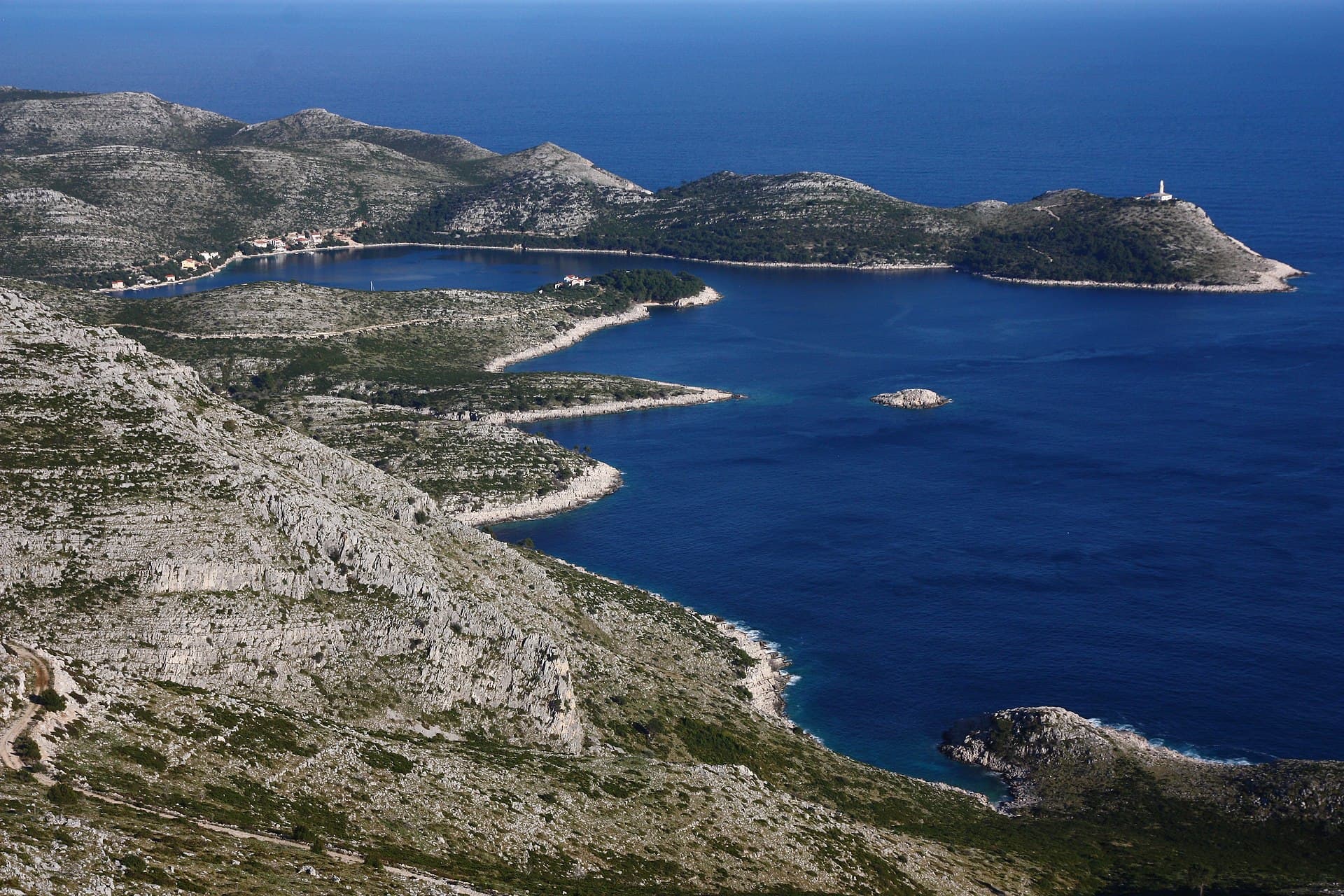 Dijana Župan / CC BY-SA 4.0, via Wikimedia Commons
Tour de audio autoguiado de Lastovo — ruta GPS a pie, reproducción offline, narración en 32 idiomas.
“Lastovo: Donde las aguas más claras del Adriático se encuentran con un cielo lleno de estrellas.”
No las postales. Las historias que ni los locales conocen — al oído, justo donde ocurrieron.
El asentamiento principal de Lastovo mira hacia el interior, una elección inusual para un pueblo isleño.
Observe los tejados en el pueblo de Lastovo y discernirá una característica llamativa sobre sus chimeneas.
Uno de los faros de Lastovo ofrece más que un simple haz de luz para las embarcaciones.
Descubre todos los secretos de Lastovo
Cada dirección, cada revelación al completo — a tu oído, justo donde ocurrió.
Eliges tus paradas. Caminas. La voz te revela lo que los demás ignoran.


Tu tour de audioguía por Lastovo te espera — elige tus lugares, tu idioma y empieza al llegar.
ComprarLume incluye una guía de realidad aumentada. Levanta el móvil y su cámara muestra la calle que tienes delante, con una flecha luminosa sobre la imagen real que siempre apunta a tu próxima parada — sin mapas que descifrar, sin giros equivocados. Como todo en Lume, funciona completamente sin conexión.
Lastovo, un municipio archipiélago dentro del condado de Dubrovnik-Neretva, Croacia, abarca 46 islas e islotes, con la isla principal también llamada Lastovo. Reconocida como una de las islas habitadas más distantes de Croacia, presenta un escape tranquilo definido por su naturaleza virgen, aguas excepcionalmente claras y un ritmo de vida más pausado. Aproximadamente el 70% de la isla está cubierta de bosques verdes, lo que le ha valido la designación de 'La Isla Verde'.
Designado parque natural en 2006, el Archipiélago de Lastovo sirve como santuario para una diversa vida, tanto en tierra como en su abundante entorno marino. Su relativo aislamiento, derivado de su distancia de las principales rutas de navegación y una existencia pasada como zona militar, ha ayudado a salvaguardar su carácter auténtico y su esplendor natural. Esto convierte a Lastovo en un destino ideal para quienes buscan tranquilidad, actividades al aire libre y una conexión genuina con los prístinos alrededores del Adriático.
La historia de Lastovo se remonta a miles de años, con la evidencia más antigua de presencia humana descubierta en la Cueva de Rača, que data del Neolítico tardío. Inicialmente habitada por ilirios, la isla se integró más tarde en las rutas comerciales griegas y probablemente fue una colonia griega. Cuando los romanos conquistaron Dalmacia, se asentaron en Lastovo, dándole el nombre de 'Augusta Insula' o 'Isla del Emperador', impresionados por su belleza y promesa agrícola.
En el siglo VII, los croatas se establecieron en Lastovo, y en el año 950 d.C., el emperador bizantino Constantino VII Porfirogénito la mencionó con su nombre croata, Lastobon. Sin embargo, su posición estratégica también la convirtió en un objetivo. En el año 1000 d.C., el Dux veneciano Pietro Orseolo II destruyó el asentamiento de Lastovo en respuesta a la piratería, lo que llevó a los isleños a reconstruir su ciudad principal tierra adentro para una mejor defensa. En el siglo XIII, Lastovo se unió voluntariamente a la República de Ragusa, manteniendo cierto grado de autogobierno. Esta autonomía disminuyó gradualmente, lo que llevó a un levantamiento en 1602, después del cual Venecia ocupó brevemente la isla.
Los siglos XIX y XX trajeron una sucesión de administradores, incluidos franceses, austriacos e italianos, y Lastovo pasó a formar parte de Yugoslavia después de la Segunda Guerra Mundial. Durante la era yugoslava, Lastovo funcionó como zona militar, en gran parte cerrada a los visitantes internacionales. Si bien esto llevó al estancamiento económico y la despoblación, protegió inadvertidamente su carácter natural e histórico. La prohibición se levantó en 1988, y el Ejército Popular Yugoslavo finalmente se retiró en julio de 1992, tras la declaración de independencia de Croacia. Hoy, Lastovo forma parte de la República independiente de Croacia, y su extensa historia es evidente en su arquitectura, desde estructuras renacentistas venecianas hasta numerosas iglesias pequeñas.
El pueblo de Lastovo, el asentamiento más grande de la isla, es un monumento cultural protegido reconocido por su distintiva arquitectura renacentista y sus singulares 'fumari' (chimeneas). Ascienda a la cima de Kašćel, una antigua fortaleza que ahora alberga una estación meteorológica, para disfrutar de amplias vistas del pueblo y los islotes circundantes. Explore las numerosas iglesias y capillas de la isla; de las 38 de la isla, 21 están registradas como bienes culturales protegidos. La Iglesia Parroquial de los Santos Cosme y Damián, que data del siglo XIV, es particularmente notable por sus obras de arte venecianas y su cáliz gótico-renacentista.
Más allá del pueblo principal, visite el Faro de Struga en Skrivena Luka (Puerto Escondido), uno de los faros más antiguos del Adriático, construido en 1839. La Cueva de Rača ofrece una visión del pasado prehistórico de la isla, con evidencia de habitación desde el Neolítico tardío. Para los entusiastas del aire libre, explore la extensa red de senderos para caminatas y ciclismo de la isla, o disfrute nadando, haciendo snorkel y buceando en las aguas excepcionalmente claras del Parque Natural del Archipiélago de Lastovo. No pierda la oportunidad de observar las estrellas; el cielo nocturno de Lastovo es célebre como uno de los más claros de Europa.
La época más favorable para visitar Lastovo es durante las temporadas intermedias de mayo, junio y septiembre. Estos meses ofrecen un clima cálido, temperaturas agradables del mar para nadar y actividades acuáticas, y menos visitantes que los meses pico de verano. Julio y agosto también son adecuados para actividades de clima cálido, aunque las bahías populares como Skrivena Luka pueden llenarse más con barcos chárter. Junio es ideal para las flores silvestres y una excelente visibilidad para el buceo, mientras que septiembre ofrece mares cálidos y puestas de sol espectaculares.
Lastovo es accesible mediante servicios diarios de ferry o catamarán desde Split y Vela Luka en Korčula hasta el puerto de Ubli. El viaje en ferry desde Split dura aproximadamente 4 horas y 45 minutos, mientras que el catamarán es más rápido, con unas 3 horas. Una vez en la isla, hay un pequeño supermercado Studenac en Ubli, y un Konzum un poco más grande en el pueblo de Lastovo (a unos 5 km tierra adentro). Es aconsejable abastecerse bien antes de llegar, especialmente si viaja en barco. Hay un cajero automático en Ubli, y también una gasolinera. La cobertura de telefonía móvil puede ser inconsistente, particularmente en la costa sur y los islotes exteriores.
Lastovo en coreano, en chino o en hebreo — y 29 idiomas más, cada parada narrada por una voz nativa. La mayor variedad de idiomas de cualquier audioguía autoguiada.
Disponible en: