El antiguo castillo de los Condes de Armañac
Esta fortaleza medieval, antaño símbolo de poder, ahora alberga un tesoro sorprendente para los entusiastas del pasado.
La historia completa se desbloquea en el tour
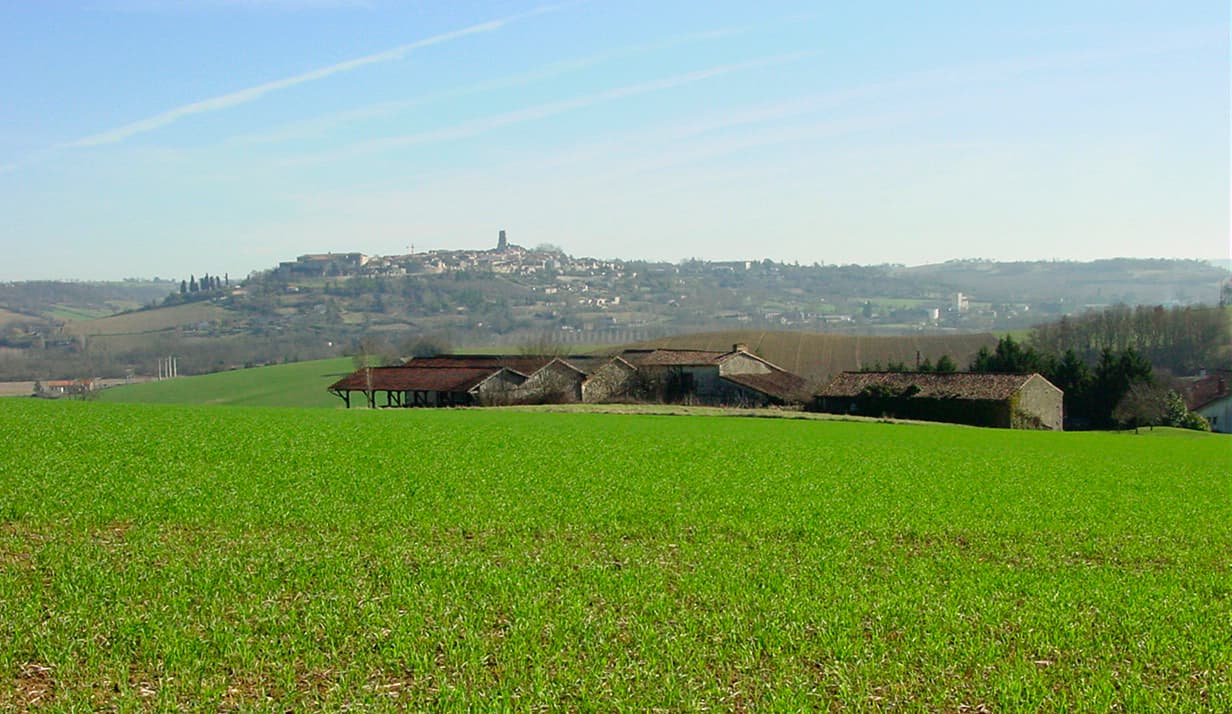 Ww2censor / Public domain, via Wikimedia Commons
Tour de audio autoguiado de Lectoure — ruta GPS a pie, reproducción offline, narración en 32 idiomas.
“Donde las piedras antiguas revelan secretos gascones.”
No las postales. Las historias que ni los locales conocen — al oído, justo donde ocurrieron.
Esta fortaleza medieval, antaño símbolo de poder, ahora alberga un tesoro sorprendente para los entusiastas del pasado.
Esta antigua fuente, que data de la época romana, una vez guardó un secreto que aseguró la prosperidad del pueblo.
Más allá de las grandes fachadas, los estrechos callejones de Lectoure revelan un vistazo a la planificación urbana medieval.
Descubre todos los secretos de Lectoure
Cada dirección, cada revelación al completo — a tu oído, justo donde ocurrió.
Eliges tus paradas. Caminas. La voz te revela lo que los demás ignoran.


Tu tour de audioguía por Lectoure te espera — elige tus lugares, tu idioma y empieza al llegar.
ComprarLume incluye una guía de realidad aumentada. Levanta el móvil y su cámara muestra la calle que tienes delante, con una flecha luminosa sobre la imagen real que siempre apunta a tu próxima parada — sin mapas que descifrar, sin giros equivocados. Como todo en Lume, funciona completamente sin conexión.
Lectoure, una ciudad en el suroeste de Francia, se asienta sobre una cresta caliza con vistas al valle del río Gers. Es un lugar donde la historia se siente tangible, con estructuras medievales y una gran antigua catedral que dan forma a su núcleo. Antaño una parada importante en la ruta de peregrinación a Santiago de Compostela, Lectoure sigue atrayendo a visitantes con su mezcla de encanto histórico y la serena campiña gascona.
Conocida como la capital de la histórica región de Lomagne, Lectoure es reconocida por su patrimonio distintivo, incluyendo sus famosos melones, ajo rosa y Armañac. La calle principal de la ciudad está bordeada de casas y mansiones de los siglos XVII al XIX, y sus murallas ofrecen amplias vistas del valle del Gers y, en días claros, de los Pirineos. Lectoure está oficialmente reconocida como uno de los 'desvíos más hermosos de Francia', invitando a explorar su antiguo pasado y su animada cultura local.
Hoy en día, Lectoure es una ciudad que equilibra su profundo pasado con un presente animado, albergando varios eventos durante todo el año. Ofrece un escape tranquilo, donde el ritmo de vida fomenta la apreciación de sus detalles arquitectónicos, la gastronomía local y la belleza natural circundante.
La historia de Lectoure se remonta a milenios, con evidencia de ocupación humana continua desde el período Mesolítico, entre el 10,000 y el 2,500 a.C. La ubicación estratégica de la ciudad en un promontorio rocoso fortificado, u oppidum, ha favorecido constantemente el asentamiento humano. Los Lactorates, un pueblo celta, se establecieron aquí dos siglos antes de la era común. Tras la llegada de los romanos, la antigua ciudad de Lactora floreció en los siglos I al IV cerca del río Gers, en la intersección de dos importantes calzadas romanas que conectaban Burdeos con Narbona y Agen con Saint-Bertrand de Comminges.
Durante la Edad Media, a medida que aumentaban las invasiones bárbaras, los residentes fortificaron el oppidum, estableciendo Lectoure como una fortaleza. En 1032, el Ducado de Gascuña pasó al Duque de Aquitania, y más tarde, Leonor de Aquitania lo aportó como dote a Enrique Plantagenet, quien se convertiría en Rey de Inglaterra. La carta de costumbres de Lectoure fue redactada en 1294, y a mediados del siglo XIV, los Condes de Armañac tomaron posesión de la ciudad, convirtiéndola en la sede de su vasto condado.
Este período de prominencia, sin embargo, no estuvo exento de conflictos. En 1473, el rey Luis XI asedió Lectoure, y tras su caída, la población sufrió enormemente. La ciudad fue saqueada y reconstruida, aunque nunca recuperó por completo su grandeza medieval. El siglo XVI trajo más disturbios con las Guerras de Religión, donde Lectoure nuevamente enfrentó graves dificultades.
Los siglos XVII y XVIII marcaron un período más tranquilo para Lectoure, fomentando el crecimiento de su burguesía y pequeña nobleza. La ciudad disfrutó de exenciones fiscales otorgadas por Luis XI y renovadas por sus sucesores hasta mediados del siglo XVII. Durante la Revolución Francesa, muchos voluntarios locales, incluidas figuras notables como el mariscal Jean Lannes, alcanzaron prominencia en el Imperio. Sus retratos ahora adornan la sala de personas ilustres en el Ayuntamiento, que originalmente fue un palacio episcopal construido en 1676.
Los siglos XIX y XX vieron una disminución gradual de la población de la ciudad, una tendencia común en muchas ciudades pequeñas. Sin embargo, Lectoure se libró en gran medida del impacto directo de las Guerras Mundiales debido a su ubicación geográfica, incluso recibiendo una afluencia de refugiados durante la Segunda Guerra Mundial. Desde 1985, Lectoure ha sido designada 'ciudad de arte e historia' por el Ministerio de Cultura y Comunicación francés, reconociendo su perdurable importancia cultural e histórica. Hoy en día, el siglo XXI ve a Lectoure abrazando su profunda herencia y centrándose en el turismo, asegurando que su pasado continúe dando forma a su futuro.
Comience su exploración en la Catedral de Saint-Gervais-Saint-Protais, un llamativo edificio del siglo XV reconstruido después de su destrucción por Luis XI. Su impresionante campanario, que una vez fue uno de los más altos de Francia, presenta una torreta redonda. Adyacente a la catedral se encuentra el Ayuntamiento, ubicado en el antiguo Palacio Episcopal del siglo XVII. Descienda a sus bodegas abovedadas para descubrir el museo lapidario, que exhibe una colección de hallazgos arqueológicos galorromanos, incluyendo veinte altares adornados con animales de sacrificio de los siglos II y III.
Pasee por la Rue Nationale, la calle principal de la ciudad, para admirar las mansiones privadas construidas entre los siglos XVII y XIX. Busque la Fuente de Diana, un manantial natural alojado dentro de una estructura gótica, con partes que datan de la época romana. Para disfrutar de amplias vistas del valle del Gers y los Pirineos, visite el Paseo del Bastión. El antiguo castillo de los Condes de Armañac ahora alberga un singular pueblo de anticuarios, que ofrece una intrigante exploración de tesoros antiguos.
Experimente los sabores locales en el mercado de los viernes por la mañana, donde podrá encontrar productos regionales como melones de Lectoure, foie gras y ajo rosa. No se pierda la tienda Bleu de Lectoure en la Rue Alsace-Lorraine, donde podrá aprender y comprar productos elaborados con glasto, un tinte natural que produce asombrosos tonos de azul. Para un momento de relajación, el centro termal de Lectoure, ubicado en un antiguo hospital privado del siglo XVII, ofrece tratamientos terapéuticos con sus aguas ricas en sulfato, cloruro y sodio.
La época más agradable para visitar Lectoure es durante los meses de abril, mayo, junio, julio, agosto, septiembre y octubre. Durante estos meses, las temperaturas son agradables, oscilando entre los 19°C (66°F) y los 30°C (85°F). Julio es particularmente cálido y ventoso, con máximas diarias promedio de alrededor de 30°C (86°F) y mínimas de alrededor de 16°C (61°F). Si bien las precipitaciones son bastante constantes durante todo el año, julio generalmente registra menos lluvias, lo que lo hace ideal para la exploración al aire libre. La ciudad también alberga varios eventos y festividades durante los meses más cálidos, como el Festival del Melón en agosto y las "Les Nuits Musicales en Armagnac" desde finales de julio hasta mediados de agosto.
Lectoure se encuentra en el departamento de Gers, aproximadamente a 32 km al norte de Auch y a 30 km al sur de Agen. Si bien la ciudad es fácil de explorar a pie, algunas calles en la cresta son irregulares y empinadas, por lo que se recomiendan zapatos cómodos y resistentes. El centro de la ciudad es compacto, con las principales atracciones fácilmente accesibles.
Para quienes lleguen en transporte público, el aeropuerto y la estación de tren más cercanos están en Agen, a unos 35 km de distancia, con un servicio de autobús que sale dos veces al día hacia Lectoure. Si se conduce, Lectoure está a unos 30 minutos en coche de la autopista A62, que conecta Burdeos y el Mediterráneo. Hay aparcamiento disponible, especialmente cerca del Village des Brocanteurs. La moneda local es el Euro. Muchos establecimientos aceptan tarjetas de crédito, pero siempre es aconsejable llevar algo de efectivo para compras más pequeñas o mercados locales.
Lectoure en coreano, en chino o en hebreo — y 29 idiomas más, cada parada narrada por una voz nativa. La mayor variedad de idiomas de cualquier audioguía autoguiada.
Disponible en: