Basílica y Monasterio Bernardinos
La grandiosa Basílica Bernardina, una fortaleza de fe, guarda un secreto dentro de sus muros relacionado con su propia fundación.
La historia completa se desbloquea en el tour
 Janusz Pruchnik / CC BY-SA 4.0, via Wikimedia Commons
Tour de audio autoguiado de Leżajsk — ruta GPS a pie, reproducción offline, narración en 32 idiomas.
“Donde las melodías sagradas se encuentran con los susurros jasídicos, y la historia está grabada en cada piedra antigua.”
No las postales. Las historias que ni los locales conocen — al oído, justo donde ocurrieron.
La grandiosa Basílica Bernardina, una fortaleza de fe, guarda un secreto dentro de sus muros relacionado con su propia fundación.
El magnífico órgano de tubos del siglo XVII en la Basílica Bernardina es mundialmente conocido, pero su construcción implicó un sorprendente detalle artístico.
El cementerio judío de Leżajsk es un lugar de peregrinación venerado, sin embargo, su historia guarda un oscuro secreto de profanación y un inesperado acto de desafío.
Descubre todos los secretos de Leżajsk
Cada dirección, cada revelación al completo — a tu oído, justo donde ocurrió.
Eliges tus paradas. Caminas. La voz te revela lo que los demás ignoran.


Tu tour de audioguía por Leżajsk te espera — elige tus lugares, tu idioma y empieza al llegar.
ComprarLume incluye una guía de realidad aumentada. Levanta el móvil y su cámara muestra la calle que tienes delante, con una flecha luminosa sobre la imagen real que siempre apunta a tu próxima parada — sin mapas que descifrar, sin giros equivocados. Como todo en Lume, funciona completamente sin conexión.
Leżajsk, oficialmente la Ciudad Real Libre de Leżajsk, es una ciudad en el sureste de Polonia, en el Voivodato de Subcarpatia. Con una existencia documentada que se remonta al menos a 1354, esta ciudad aparentemente tranquila alberga una notable superposición de significado cultural y religioso. Es un lugar donde lo sagrado y lo terrenal se entrelazan, conocida tanto por su venerada Basílica y Monasterio Bernardinos como por la reconocida Cervecería Leżajsk.
La ciudad es un importante destino de peregrinación tanto para católicos como para judíos jasídicos. Miles de jasidim de todo el mundo visitan la tumba del Tzaddik Elimelech, uno de los fundadores del movimiento jasídico, buscando intercesión espiritual. Mientras tanto, la Basílica Bernardina, con su imagen milagrosa de la Virgen María y un monumental órgano de tubos del siglo XVII, atrae a peregrinos católicos y entusiastas de la música por igual. Leżajsk invita a los visitantes a explorar su pasado en capas, desde orígenes medievales y períodos de destrucción y reconstrucción hasta su perdurable legado espiritual.
## De la Concesión Real a la Ciudad Resiliente La historia documentada de Leżajsk comienza en 1354, y el rey Władysław Jagiełło le concedió derechos de ciudad de mercado en 1397. Sin embargo, su desarrollo temprano se vio obstaculizado por frecuentes y devastadores ataques de tártaros y valacos a lo largo de finales del siglo XV y principios del XVI. Un ataque tártaro particularmente destructivo en 1524 llevó al rey Zygmunt I el Viejo a ordenar que la ciudad fuera trasladada a un lugar más defendible, aproximadamente 5 kilómetros al suroeste de su sitio original, que ahora se conoce como Stare Miasto o 'Ciudad Vieja'.
## Desarrollo Religioso y Económico El siglo XVI marcó un período de prosperidad para Leżajsk. Esta era vio la llegada de comerciantes judíos, posaderos y arrendatarios, con la primera mención de judíos en Leżajsk que data de 1521. La comunidad judía creció constantemente, estableciendo su propia sinagoga a principios del siglo XVII e incluso recibiendo privilegios reales para elaborar y vender cerveza y aguamiel. Esta antigua tradición cervecera continúa hoy con la moderna Cervecería Leżajsk, establecida en la década de 1970.
El siglo XVII también vio el establecimiento del Monasterio y la Basílica Bernardinos, tras una serie de apariciones marianas en 1590. Este complejo, construido entre 1618 y 1628, se convirtió en un importante centro de vida religiosa y una fortaleza contra nuevas incursiones.
## Siglos de Conflicto y Renacimiento Leżajsk continuó enfrentando desafíos, incluyendo ser saqueada y quemada por los tártaros de Crimea en 1624 y sufrir destrucción durante la invasión sueca (1655-1660). En 1772, con la Primera Partición de Polonia, la ciudad fue anexada por el Imperio de los Habsburgo y permaneció bajo el dominio austriaco hasta que Polonia recuperó su independencia en 1918. Tanto la Primera Guerra Mundial como la Segunda Guerra Mundial trajeron nuevas tragedias, con muchos ciudadanos asesinados por los alemanes entre 1939 y 1944. La población judía enfrentó una severa represión, incluyendo ser colocada en un gueto y ver su sinagoga quemada y su cementerio profanado. Después de las guerras, Leżajsk comenzó a reconstruirse, con empresas industriales establecidas a mediados del siglo XX. Hoy, la ciudad es un testimonio de su espíritu perdurable, un lugar donde las capas históricas son visibles y las tradiciones culturales y religiosas perduran.
Comience su exploración en la Basílica y Monasterio Bernardinos, un sorprendente ejemplo de arquitectura eclesiástica renacentista y barroca. Maravíllese con su opulento interior, con 19 altares laterales de los siglos XVII y XVIII, y especialmente con el monumental órgano de tubos del siglo XVII, considerado uno de los mejores de Polonia. El monasterio también alberga el Museo de la Provincia Bernardina, que exhibe una colección de arte eclesiástico, vasos litúrgicos y manuscritos históricos.
Para una profunda experiencia espiritual, visite el Cementerio Judío, un importante lugar de peregrinación para judíos jasídicos de todo el mundo. Aquí, encontrará el ohel (tumba) del Tzaddik Elimelech, una figura venerada en el jasidismo. El cementerio también cuenta con un lapidarium, donde se han conservado fragmentos de matzevot (lápidas) destruidas durante la Segunda Guerra Mundial.
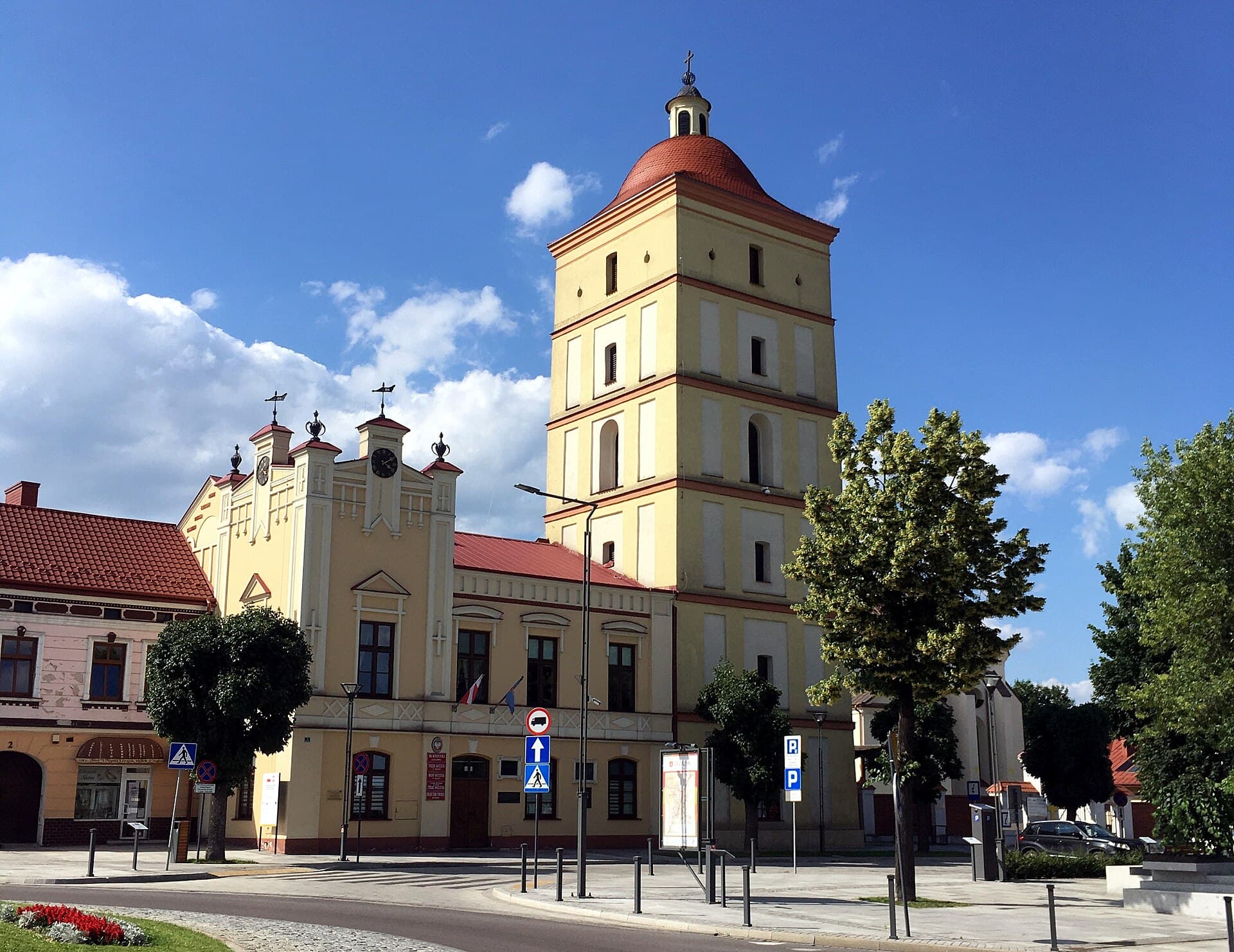
En el centro de la ciudad, explore la Plaza del Mercado, donde los restos del pasado de Leżajsk yacen literalmente bajo sus pies. El Museo de Leżajsk, ubicado en el Starostgården del siglo XVIII, ofrece información sobre la historia de la región, incluyendo exhibiciones sobre la industria cervecera local. No se pierda la Iglesia de la Santísima Trinidad, una iglesia parroquial que data de 1616, y el histórico Ayuntamiento con su distintiva torre de seis pisos.
La mejor época para visitar Leżajsk es a finales de primavera (mayo a junio) y principios de otoño (septiembre a octubre). Durante estos meses, el clima es suave y agradable, ideal para explorar los sitios históricos de la ciudad y disfrutar de actividades al aire libre. Los veranos (julio y agosto) también son populares, con temperaturas agradables, aunque puede haber más gente. Si le interesan los Festivales Internacionales de Órgano y Música de Cámara en la Basílica, estos suelen tener lugar durante la temporada de verano. Los peregrinos jasídicos suelen visitar la tumba del Tzaddik Elimelech a principios de marzo, el día 21 de Adar.
Leżajsk se encuentra en el sureste de Polonia, aproximadamente a 41 kilómetros (25 millas) al noreste de Rzeszów, la capital regional. La moneda local es el Złoty polaco (PLN); aunque algunos negocios orientados al turismo pueden aceptar euros, es mejor usar PLN para la mayoría de las transacciones. Los cajeros automáticos y las oficinas de cambio están fácilmente disponibles. El transporte público dentro de Polonia, incluidos autobuses y trenes, es extenso y asequible. Muchas personas en ciudades más grandes y áreas turísticas hablan inglés, pero aprender algunas frases básicas en polaco siempre es apreciado, especialmente en entornos más rurales. Polonia se considera generalmente segura para los turistas, pero se aconsejan precauciones estándar con respecto a las pertenencias personales. Para visitantes internacionales, Polonia forma parte del Espacio Schengen. Los visitantes de países no Schengen pueden permanecer hasta 90 días sin visa, pero es crucial verificar los requisitos específicos de visa según su nacionalidad.
Leżajsk en coreano, en chino o en hebreo — y 29 idiomas más, cada parada narrada por una voz nativa. La mayor variedad de idiomas de cualquier audioguía autoguiada.
Disponible en: