The Replösa Stone
Before Ljungby even took shape, two Viking figures held sway, their story etched into a silent, weathered stone.
Full story unlocks in the tour
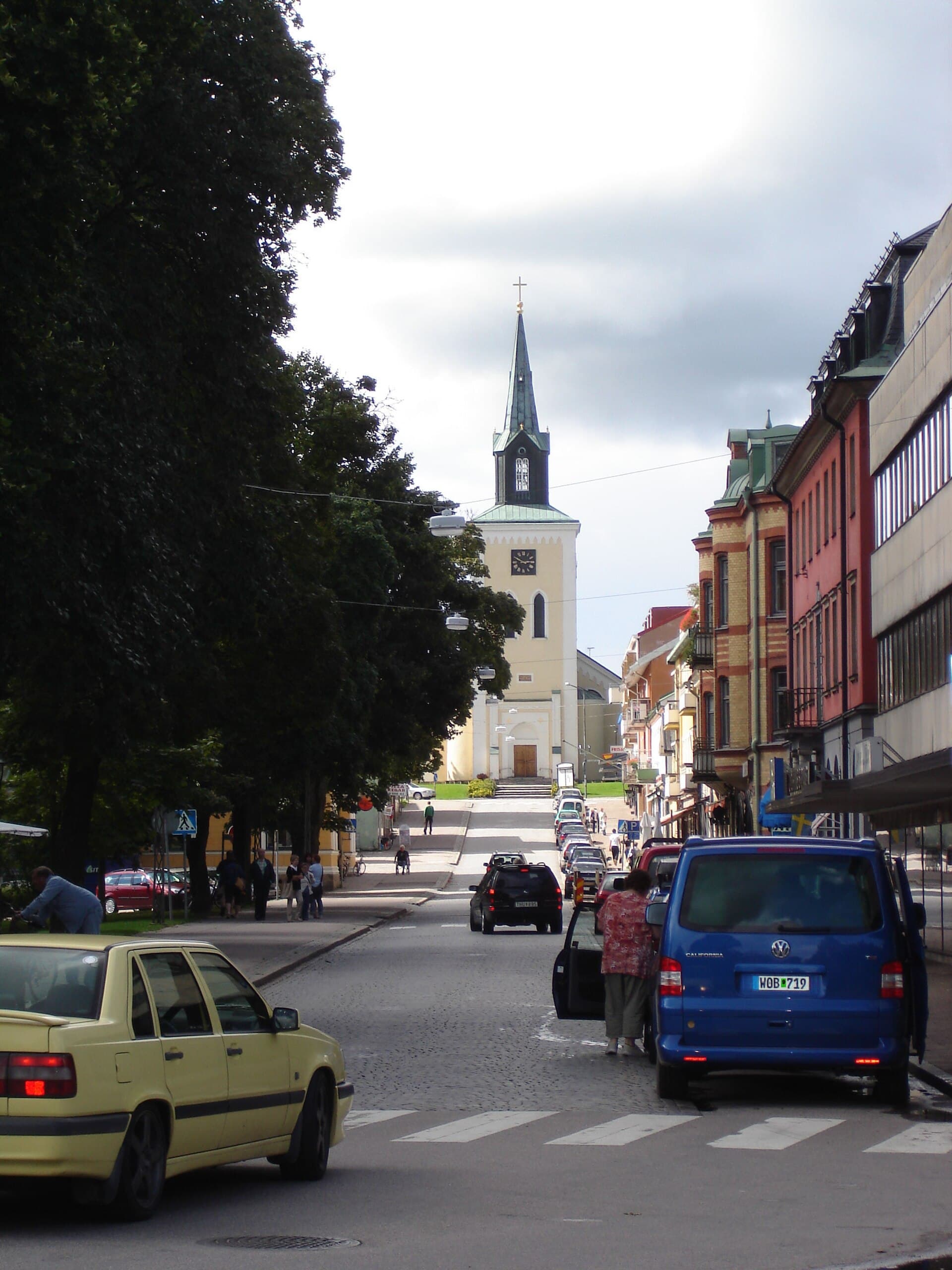 Eddie001 at German Wikipedia / Public domain, via Wikimedia Commons
Self-guided audio walking tour of Ljungby — GPS route, offline playback, story-driven narration in 32 languages.
“Where ancient sagas meet modern ingenuity.”
Not the postcards. The stories even locals don't know — whispered in your ear, right where they happened.
Before Ljungby even took shape, two Viking figures held sway, their story etched into a silent, weathered stone.
A royal decree once established a crucial stopping point in Ljungby, a place where trade routes converged and fortunes were forged.
A single night in Ljungby's mid-20th century history dramatically reshaped its town center, leaving a controversial architectural legacy.
Discover every secret of Ljungby
Every address, every reveal in full — in your ear, right where it happened.
You pick your stops. You walk. The voice reveals what the others miss.
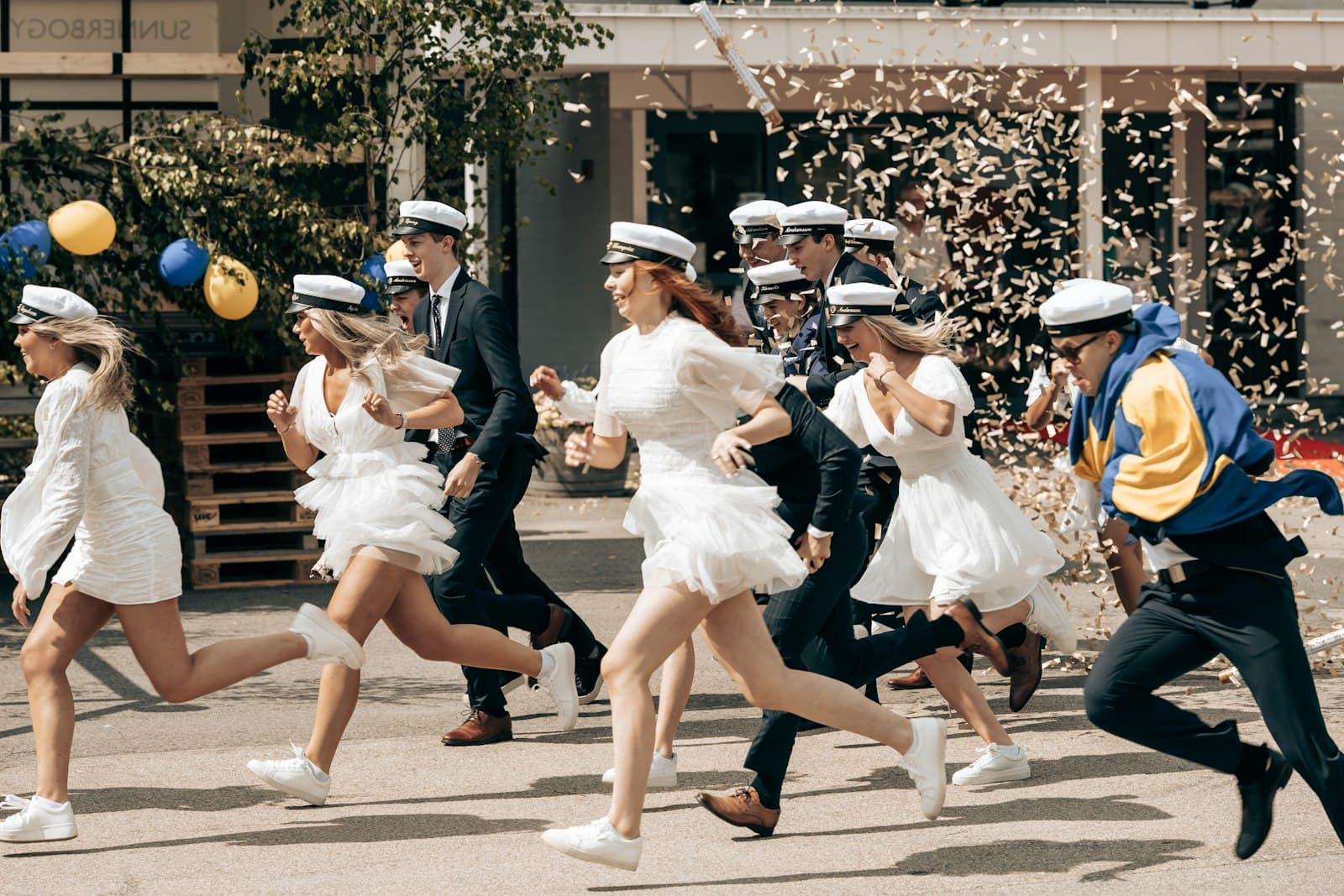
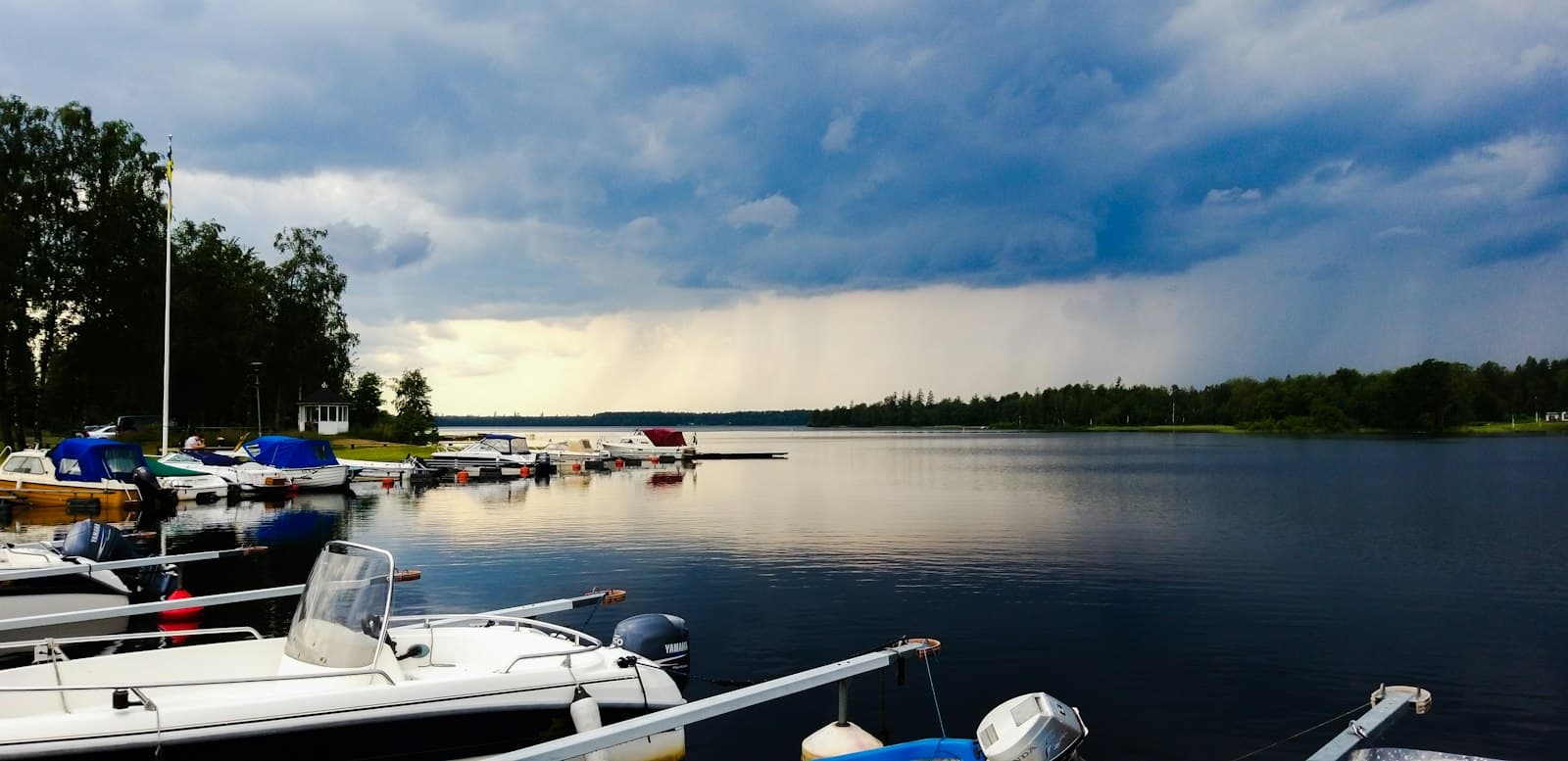
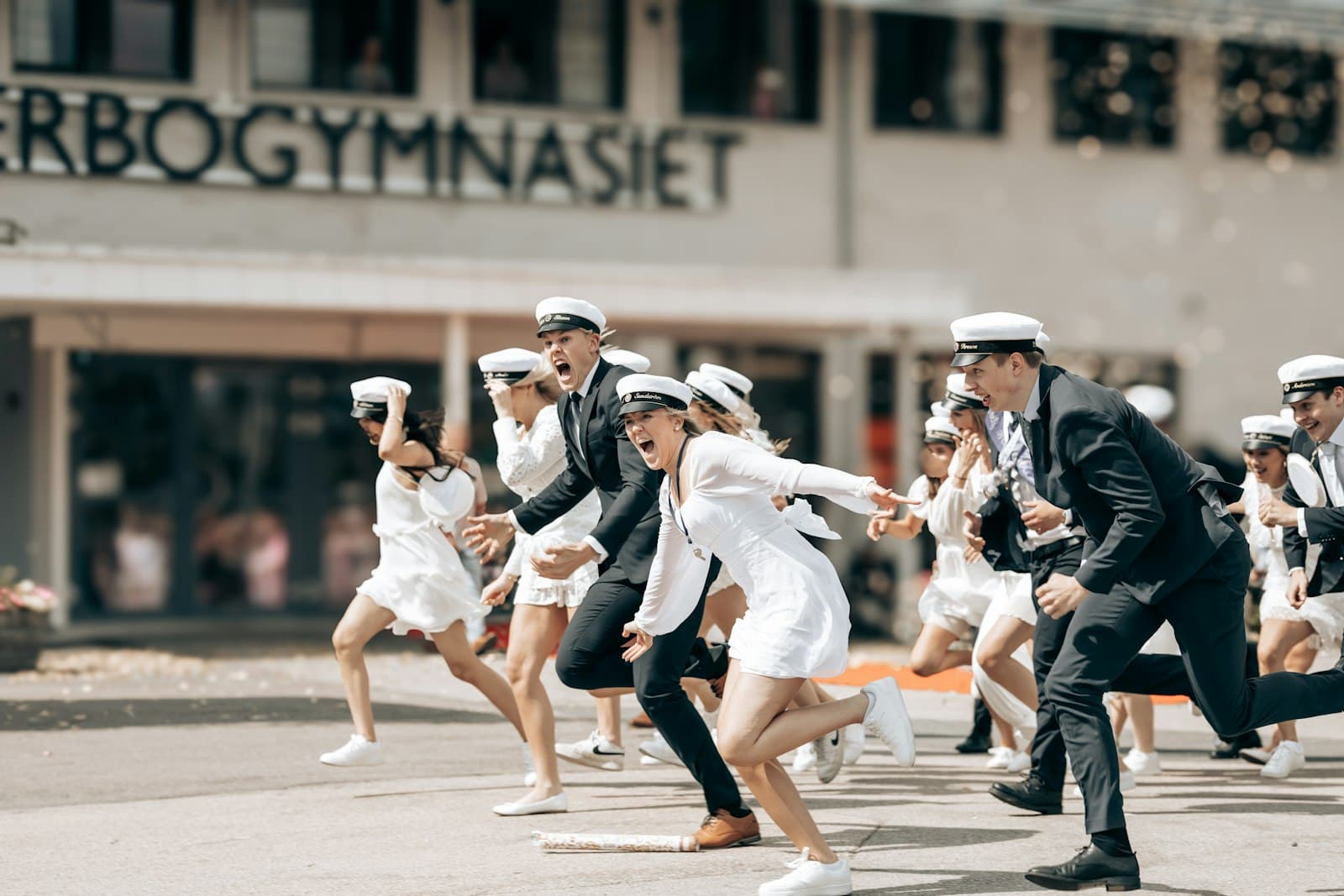
Your self-guided audio tour of Ljungby is ready — pick your landmarks, choose your language, and start the moment you arrive.
BuyLume has a built-in augmented-reality guide. Hold your phone up and its camera shows the street ahead of you, with a glowing arrow laid over the real view that always points to your next stop — no map to puzzle over, no wrong turns. Like everything in Lume, it works fully offline.
Ljungby, a town in Kronoberg County, Sweden, serves as the administrative seat of Ljungby Municipality. With a population of around 15,785 people as of 2015, it is a place where ancient history and folklore intertwine with a modern industrial spirit. In the province of Småland, Ljungby offers a blend of cultural institutions, natural beauty, and a surprising number of captivating stories.
Often described as a destination where bustling city life meets cultural heritage and outdoor adventures, Ljungby draws visitors, particularly from Germany. Its central location in southern Sweden, coupled with good road connections, has historically made it a significant crossroads for trade and continues to contribute to its present-day role in logistics and industry.
From Viking-era runestones to a museum dedicated to oral storytelling, Ljungby invites visitors to delve into its past and explore its unique character. Whether you are drawn to tales of trolls and legendary places or interested in the town's industrial growth and artistic contributions, Ljungby provides a distinctive Swedish experience.
The history of Ljungby stretches back to the Viking Age, with evidence of early inhabitants like Astrad and Götrad, commemorated on the 11th-century Replösa Stone. The area's strategic importance as a meeting point for crucial north-south and east-west trade routes led to the establishment of a royal inn in the 14th century. This inn, particularly under the ownership of Märta Ljungberg in the 17th and 18th centuries, became a significant economic force, with Märta's acquired lands forming the foundation of the modern town.
Ljungby officially became a friköping, a type of smaller market town, around 1828 to 1830, though it did not gain full town privileges until later. The 19th century also saw efforts to transform the sandy, barren land around Ljungby into more fertile ground through extensive tree planting. The arrival of the railroad in 1878 further spurred Ljungby's development, connecting it to other towns and establishing it as a railway junction. However, these railway lines eventually closed, with the last rails removed in 2009, and many sections were converted into bicycle paths.
The 20th century marked a period of significant growth for Ljungby, driven largely by its burgeoning workshops and wood industry, with the most substantial expansion occurring between 1940 and 1960. A pivotal event in the town's modern history was the devastating fire of July 1953, which consumed twenty buildings in the town center and left many homeless and jobless. The subsequent reconstruction introduced International Style architecture, a choice that continues to elicit mixed reactions among residents.
In 1936, Ljungby was granted the title of stad (town or city), and in 1971, the City of Ljungby amalgamated with surrounding rural municipalities to form the present Ljungby Municipality. Today, Ljungby continues to be an industrial center with an export-oriented engineering industry and a strong presence in logistics. It also cultivates a lively cultural scene, including its renowned museums and annual storytelling festival, reflecting a deep connection to its historical roots and the oral traditions of Småland.
Ljungby offers a diverse range of attractions, blending cultural experiences with natural beauty. The Museum of Legends (Sagomuseet) is a primary destination, dedicated to oral storytelling, fairytales, and folklore from the Småland region. It brings ancient tales of trolls, gnomes, and giants to life through engaging exhibits and storytelling guides. The museum also curates a map of 'Legendary Places' in the surrounding countryside, allowing for self-guided explorations of mythical sites.
For art enthusiasts, the Ljungberg Museum (Ljungbergmuseet) showcases the works of renowned artists Sven Ljungberg and his wife Ann Margret Dahlquist-Ljungberg, as well as temporary exhibitions by other Swedish and Nordic artists. The Ljungby Library is another notable cultural institution, recognized for its modern architecture and extensive collection; it also hosts a café and a small art gallery.
Beyond the museums, explore Minivärlden Ljungby, a miniature world attraction. For a touch of nature, Aagarden provides a pleasant outdoor space. The municipality also offers opportunities for outdoor activities like canoeing and kayaking in Agunnaryd or relaxing at Mjälen beach. Do not miss the Replösa Stone, an ancient runestone offering a tangible link to Ljungby's Viking past.
The best time to visit Ljungby for comfortable weather and outdoor activities is generally from May through September. During these months, temperatures are pleasant, and there are more hours of sunshine. July is typically the warmest month, with average highs around 22°C (72°F). This period is ideal for exploring the town's attractions, enjoying the natural landscapes, and attending outdoor events.
For those seeking fewer crowds and potentially lower prices, the quieter months of November through February offer cooler temperatures and a chance to experience snowy landscapes. However, winters are cold, with January being the coldest month, averaging around 2°C (36°F) during the day and freezing nights.
Ljungby is well-connected and accessible. The town is served by bus services, with key stops including Ljungby Bus Station, making it easy to navigate the area. Rideshare services are also available for additional flexibility. For broader exploration of the Kronoberg region and beyond, considering a rental car is recommended.
Accommodation options in Ljungby include hotels like Hotel Terraza and Best Western Hotell Ljungby, offering comfortable stays for various budgets. The local cuisine features diverse dining experiences, including Italian and Asian options. To make the most of your visit, consider downloading the "Land of Legends" app, which helps you discover mythical places throughout the region. Additionally, Ljungby offers several InfoPoints for tourist information, including at Agundaborg Camp & Paddle and Best Western Hotell Ljungby.
Ljungby in Korean, in Chinese or in Hebrew — and 29 more languages, every stop narrated by a native voice. The widest language range of any self-guided audio tour.
Available in: