Grotte di Longmen
Tra migliaia di sculture buddiste, si dice che un Buddha assomigli a una potente imperatrice.
La storia completa si sblocca nel tour
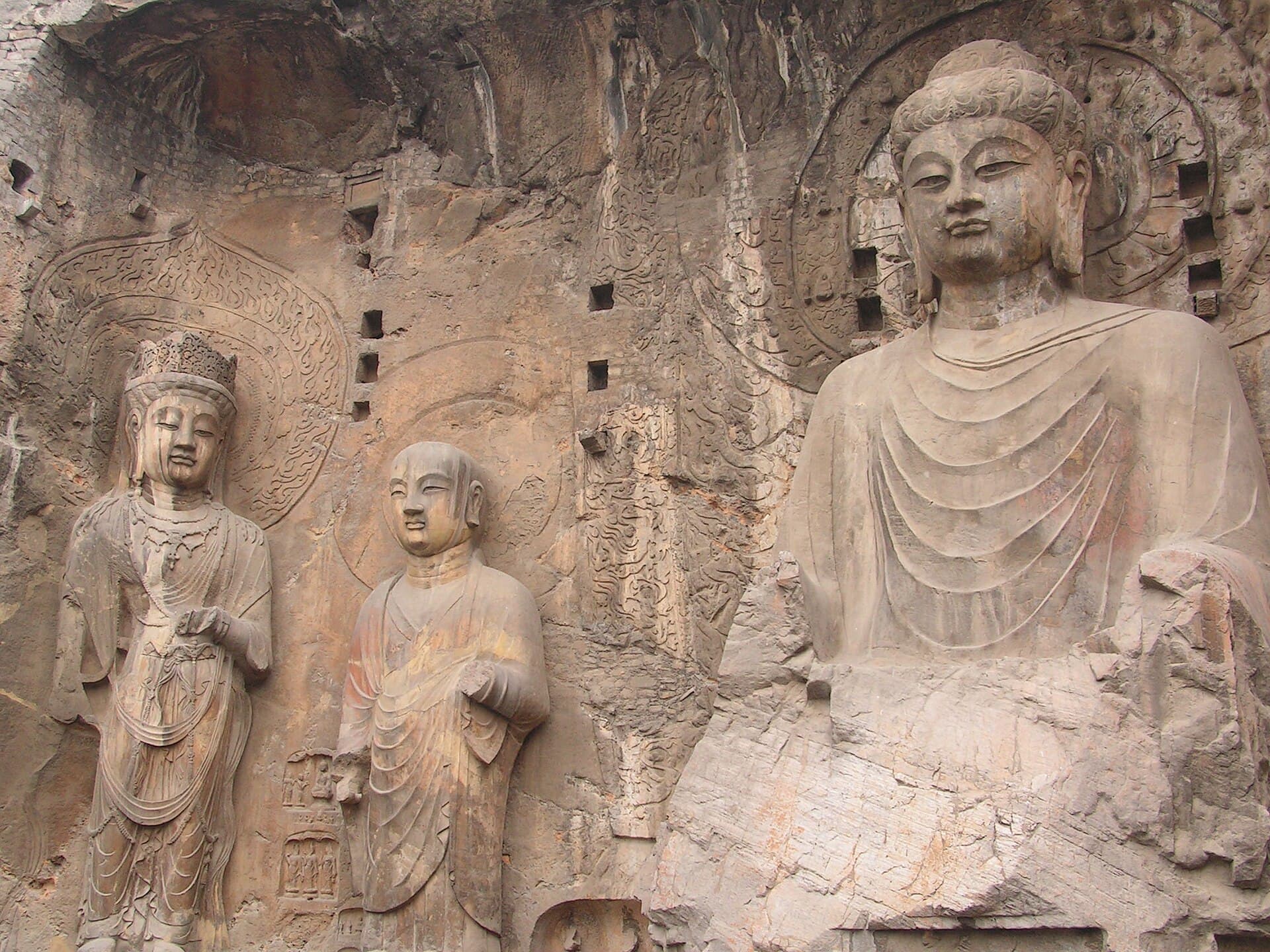 Rialfver Original uploader was Rialfver at nl.wikipedia / CC BY-SA 3.0, via Wikimedia Commons
Tour audio autoguidato di Luoyang — percorso GPS a piedi, riproduzione offline, narrazione coinvolgente in 32 lingue.
“Dove antiche dinastie parlavano al mondo moderno.”
Non le cartoline. Le storie che nemmeno i locali conoscono — sussurrate nel tuo orecchio, proprio dove sono accadute.
Tra migliaia di sculture buddiste, si dice che un Buddha assomigli a una potente imperatrice.
Pur essendo considerato il primo tempio buddista della Cina, gran parte del suo aspetto attuale non risale alla sua costruzione iniziale.
Oltre alle sue vivaci strade e all'architettura tradizionale, quest'area nasconde un significativo segreto architettonico di un'epoca passata.
Scopri ogni segreto di Luoyang
Ogni indirizzo, ogni rivelazione completa — nel tuo orecchio, proprio dove è accaduta.
Scegli le tue tappe. Cammini. La voce rivela ciò che gli altri perdono.
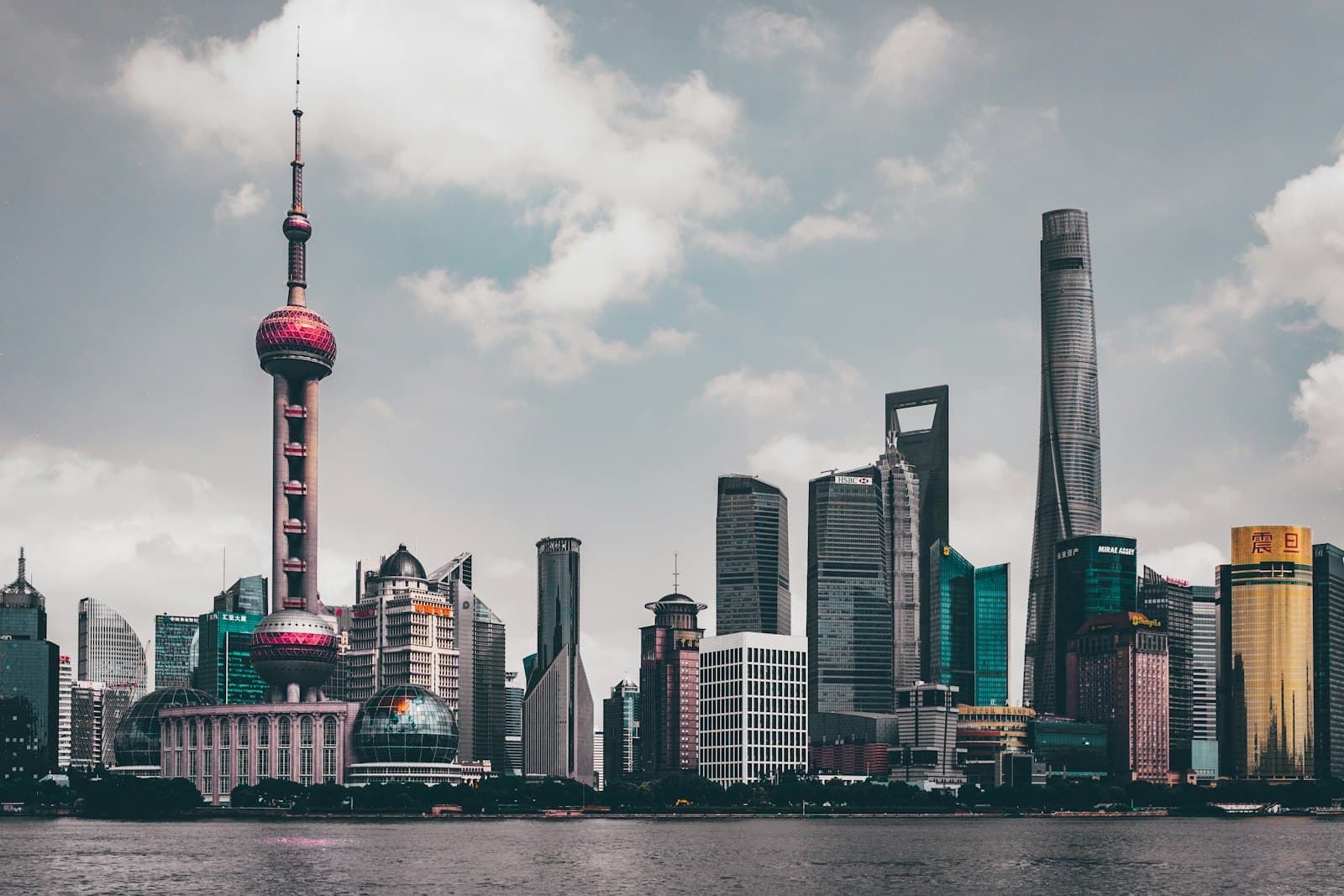
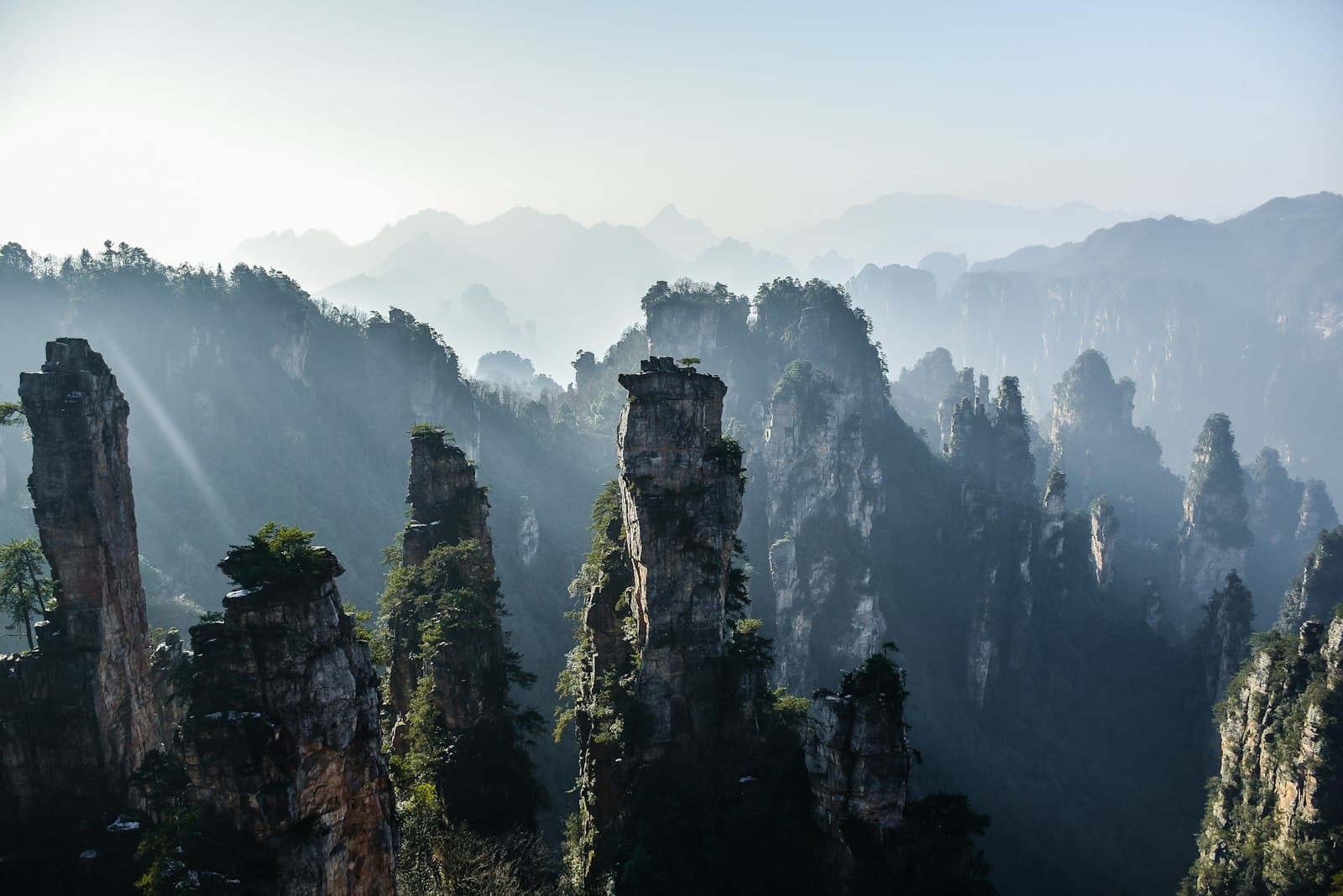
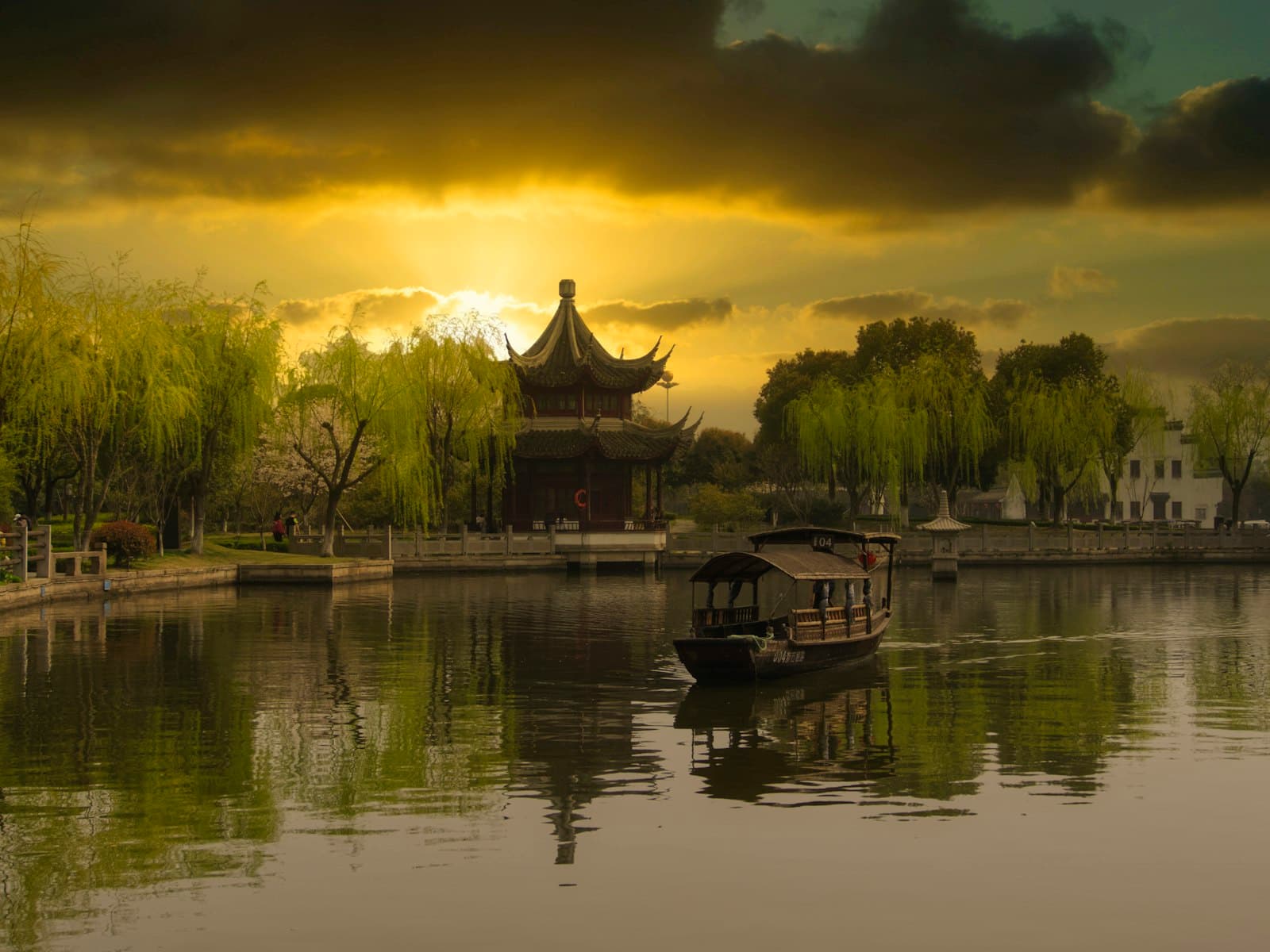
Il tuo tour audio autoguidato di Luoyang è pronto — scegli i tuoi punti di interesse, seleziona la tua lingua e inizia nel momento in cui arrivi.
AcquistaLume include una guida in realtà aumentata. Alza il telefono: la fotocamera mostra la strada davanti a te, con una freccia luminosa sovrapposta all'immagine reale che punta sempre verso la tua prossima tappa — nessuna mappa da decifrare, nessuna svolta sbagliata. Come tutto in Lume, funziona completamente offline.
Luoyang, situata nella parte occidentale della provincia di Henan alla confluenza dei fiumi Luo e Giallo, si erge come una delle città più antiche della Cina e un sito fondamentale della civiltà cinese. Con una storia che abbraccia oltre 4.000 anni, è stata la capitale di 13 diverse dinastie, guadagnandosi il titolo di una delle Quattro Grandi Antiche Capitali della Cina.
Questa città, un tempo il capolinea orientale della Via della Seta, era un centro cruciale per il commercio e lo scambio culturale tra Oriente e Occidente. Dalle corti imperiali delle dinastie Han Orientale e Tang alla culla del Buddhismo cinese al Tempio del Cavallo Bianco, Luoyang offre un profondo viaggio attraverso il passato della Cina. Oggi, combina il suo patrimonio monumentale con una vivace vita urbana, invitando i visitatori a esplorare i suoi siti antichi, immergersi nella cultura locale e scoprire l'eredità duratura di una città che ha plasmato gran parte della storia cinese.
Oltre al suo significato storico, Luoyang è celebrata anche come la 'Città delle Peonie', con l'annuale Festival delle Peonie di Luoyang che trasforma la città in uno spettacolo di colori e profumi ogni primavera. Che si tratti di ammirare le migliaia di sculture buddiste nelle Grotte di Longmen, esplorare templi antichi o semplicemente passeggiare per i suoi vecchi quartieri, Luoyang offre una finestra unica sul cuore della civiltà cinese.
## La Culla delle Dinastie La storia di Luoyang risale a oltre quattromila anni fa, rendendola uno dei primi insediamenti urbani in Cina e un sito fondamentale per la civiltà cinese. La sua posizione strategica all'incrocio dei fiumi Luo e Yi le ha permesso di controllare vitali trasporti terrestri e fluviali, contribuendo alla sua importanza duratura nel corso di varie epoche.
La città emerse per la prima volta all'inizio dell'XI secolo a.C. quando fu fondata come Luoyi, diventando successivamente la capitale della dinastia Zhou Orientale nel 770 a.C. Questo segnò l'inizio del suo status di lunga data come capitale imperiale, un ruolo che avrebbe ricoperto per 13 diverse dinastie, tra cui gli Han Orientali, i Wei Settentrionali e i Tang.
## L'Ascesa del Buddhismo e la Grandezza Imperiale Durante la dinastia Han Orientale, Luoyang fu dichiarata capitale nel 25 d.C. e conobbe una significativa crescita economica. Un momento cruciale arrivò nel 68 d.C. con la fondazione del Tempio del Cavallo Bianco, tradizionalmente riconosciuto come il primo tempio buddista della Cina. Questo tempio divenne un centro cruciale per la traduzione dei sutra buddisti in cinese, facilitando la diffusione della religione in tutto il paese. La dinastia Wei Settentrionale consolidò ulteriormente l'eredità buddista di Luoyang quando l'imperatore Xiaowen vi trasferì la capitale nel 493 d.C. e iniziò la costruzione delle maestose Grotte di Longmen, un sito Patrimonio dell'Umanità dell'UNESCO con migliaia di sculture buddiste.
Sotto le dinastie Sui e Tang, Luoyang fiorì come Dongdu, la "Capitale Orientale", con una popolazione che al suo apice raggiunse circa un milione di abitanti, seconda solo a Chang'an. L'imperatrice Wu Zetian, l'unica imperatrice della Cina, dichiarò persino Luoyang la sua "Capitale Divina" (Shendu) durante il suo regno. Questo periodo vide la costruzione di grandi palazzi come il Mingtang e il Tiantang, che fanno ora parte del Parco Nazionale del Patrimonio della Città di Luoyang delle dinastie Sui e Tang.
## Cicli di Declino e Rinascita Luoyang affrontò periodi di distruzione, in particolare quando il signore della guerra Dong Zhuo rase al suolo la città nel 190 d.C. durante la sua ritirata, e più tardi durante la Ribellione di An Lushan. Nonostante queste battute d'arresto, la città risorse ripetutamente dalle sue ceneri, fungendo spesso da centro culturale e politico, come durante la dinastia Song Settentrionale quando era conosciuta come la 'Capitale Occidentale' e ospitò importanti filosofi. Anche nella storia più recente, la città fu incendiata dalle forze giapponesi invasori nel 1944, seguita dalla ricostruzione e dall'impatto della Rivoluzione Culturale.
Oggi, Luoyang rimane una testimonianza dell'eredità duratura della civiltà cinese, con le sue antiche rovine della capitale, i siti storici e le tradizioni culturali che continuano ad attrarre visitatori.
Inizia la tua esplorazione dalle Grotte di Longmen, un sito Patrimonio dell'Umanità dell'UNESCO. Queste scogliere calcaree lungo il fiume Yi sono scolpite con oltre 100.000 statue buddiste, alcune piccole come un pollice, altre alte 17 metri, che mostrano l'evoluzione dell'arte buddista dalla dinastia Wei Settentrionale alla dinastia Tang.
Successivamente, visita il Tempio del Cavallo Bianco, riconosciuto come il primo tempio buddista della Cina. Sebbene gran parte della sua architettura attuale risalga alla dinastia Ming, il suo significato storico come culla del Buddhismo cinese è profondo.
Esplora l'Antica Città di Luoyi, un'area turistica culturale e storica nel vivace centro della città. Quest'area offre un assaggio di architettura in stile Tang, negozi e un'atmosfera vivace, specialmente la sera con gli edifici illuminati.
Per uno sguardo alla vita imperiale, visita il Parco Nazionale del Patrimonio della Città di Luoyang delle dinastie Sui e Tang, sede delle ricostruzioni del Mingtang (Sala dell'Illuminazione) e del Tiantang (Sala Celeste) dell'imperatrice Wu Zetian. Sali sul Tiantang a nove piani per viste panoramiche.
Considera una visita al Museo di Luoyang per approfondire il passato della città, con reperti delle 13 dinastie che hanno chiamato Luoyang casa. Se il tempo lo permette, il Tempio di Guanlin, dedicato al venerato Generale Guan Yu, offre un'altra esperienza storica e culturale.
I periodi ideali per visitare Luoyang sono la primavera (marzo-maggio) e l'autunno (settembre-novembre). La primavera offre temperature miti, comprese tra 10°C e 20°C, e coincide con il rinomato Festival delle Peonie di Luoyang, solitamente tenuto dall'inizio di aprile all'inizio di maggio, quando la città è inondata di peonie in fiore. L'autunno porta temperature più fresche (15–22°C), cieli sereni e meno turisti, rendendolo piacevole per le visite all'aperto. Evita le principali festività cinesi come il Primo Maggio (1-5 maggio) e la Festa Nazionale (1-7 ottobre), poiché le attrazioni saranno affollate e i costi di viaggio più elevati. Le estati (giugno-agosto) sono calde e umide con piogge frequenti, mentre gli inverni (dicembre-febbraio) sono freddi e secchi.
Luoyang è accessibile tramite il suo aeroporto, l'Aeroporto di Luoyang Beijiao (LYA), che offre voli domestici per le principali città cinesi e alcuni voli internazionali per destinazioni come Hong Kong. In alternativa, i treni ad alta velocità collegano la Stazione di Luoyang Longmen alle principali città come Pechino (circa 4 ore) e Xi'an (1,5-2 ore), rendendola una tappa conveniente in un itinerario più ampio della Cina.
Spostarsi a Luoyang è semplice. La città dispone di un sistema di autobus pubblici che serve le principali attrazioni come le Grotte di Longmen e il Tempio del Cavallo Bianco. I taxi sono anche facilmente disponibili e generalmente economici. La metropolitana di Luoyang, con le linee 1 e 2, collega le principali aree culturali e commerciali, inclusa la Stazione di Luoyang Longmen e la Porta di Lijing.
Il mandarino è la lingua ufficiale e, sebbene esista il dialetto locale di Luoyang, il mandarino è ampiamente compreso. I pagamenti mobili (Alipay, WeChat Pay) sono diffusi, ma è consigliabile portare un po' di contanti in Yuan Cinesi (CNY) per i piccoli commercianti. Le opzioni di alloggio vanno dagli ostelli agli hotel internazionali, con aree intorno alla Stazione di Longmen che offrono hotel più recenti e un buon accesso alla metropolitana, mentre la Città Vecchia offre una posizione centrale per esplorare siti storici e vita notturna.
Luoyang — coreano, cinese, ebraico e altre 29 lingue, ogni tappa narrata da una voce madrelingua. La più ampia scelta di lingue tra i tour audio autoguidati.
Disponibile in: