Xi'an City Wall
This formidable fortification, one of China's best-preserved, was built with an unexpected ingredient in its mortar.
Full story unlocks in the tour
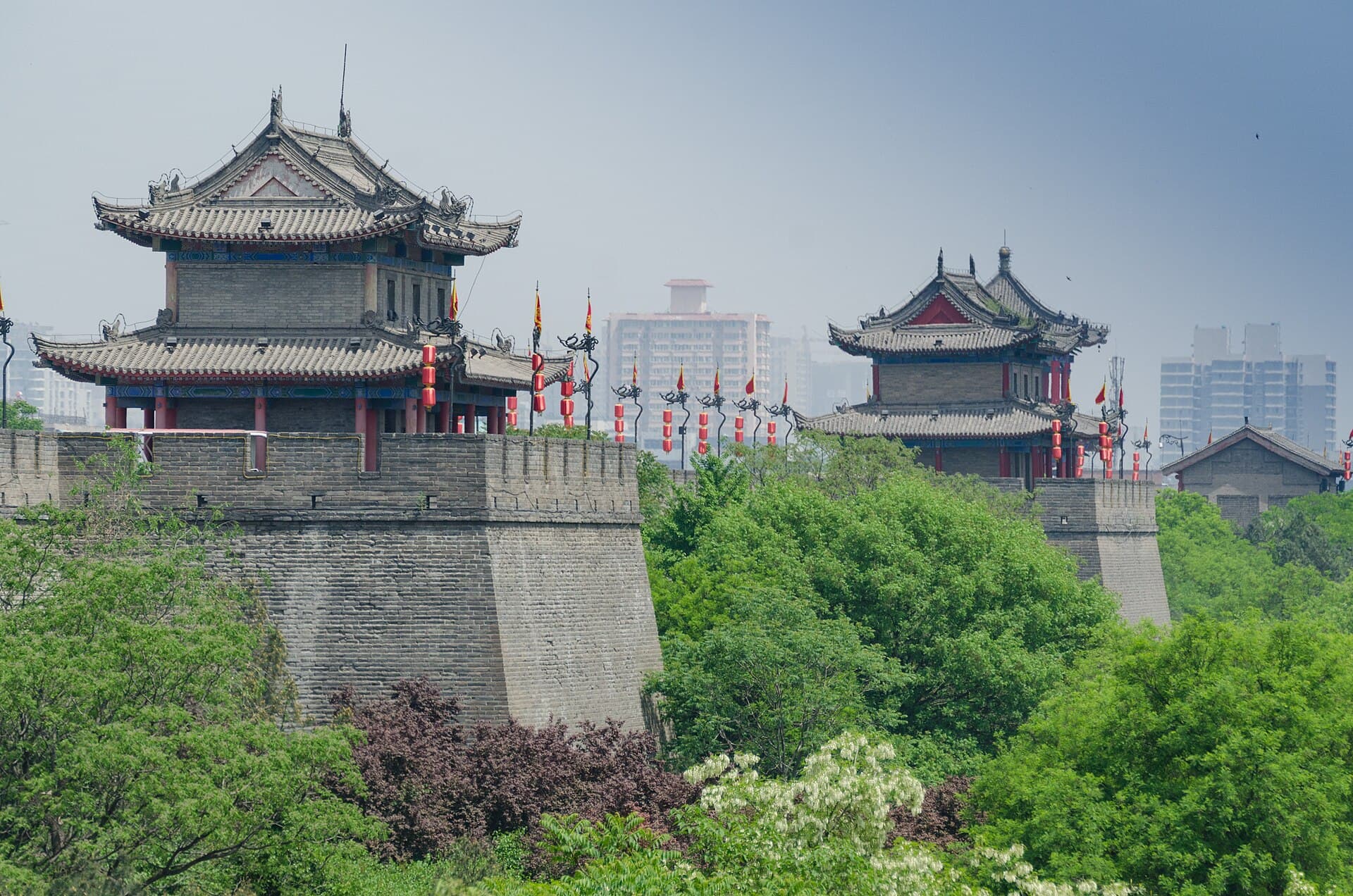 xiquinhosilva / CC BY 2.0, via Wikimedia Commons
Self-guided audio walking tour of Xi'an — GPS route, offline playback, story-driven narration in 32 languages.
“Where ancient empires echo through modern avenues.”
Not the postcards. The stories even locals don't know — whispered in your ear, right where they happened.
This formidable fortification, one of China's best-preserved, was built with an unexpected ingredient in its mortar.
Though a significant center of Islamic worship, its architecture might initially lead you to mistake it for something entirely different.
This ancient time-telling structure holds a secret about its construction that defies common building practices.
Discover every secret of Xi'an
Every address, every reveal in full — in your ear, right where it happened.
You pick your stops. You walk. The voice reveals what the others miss.
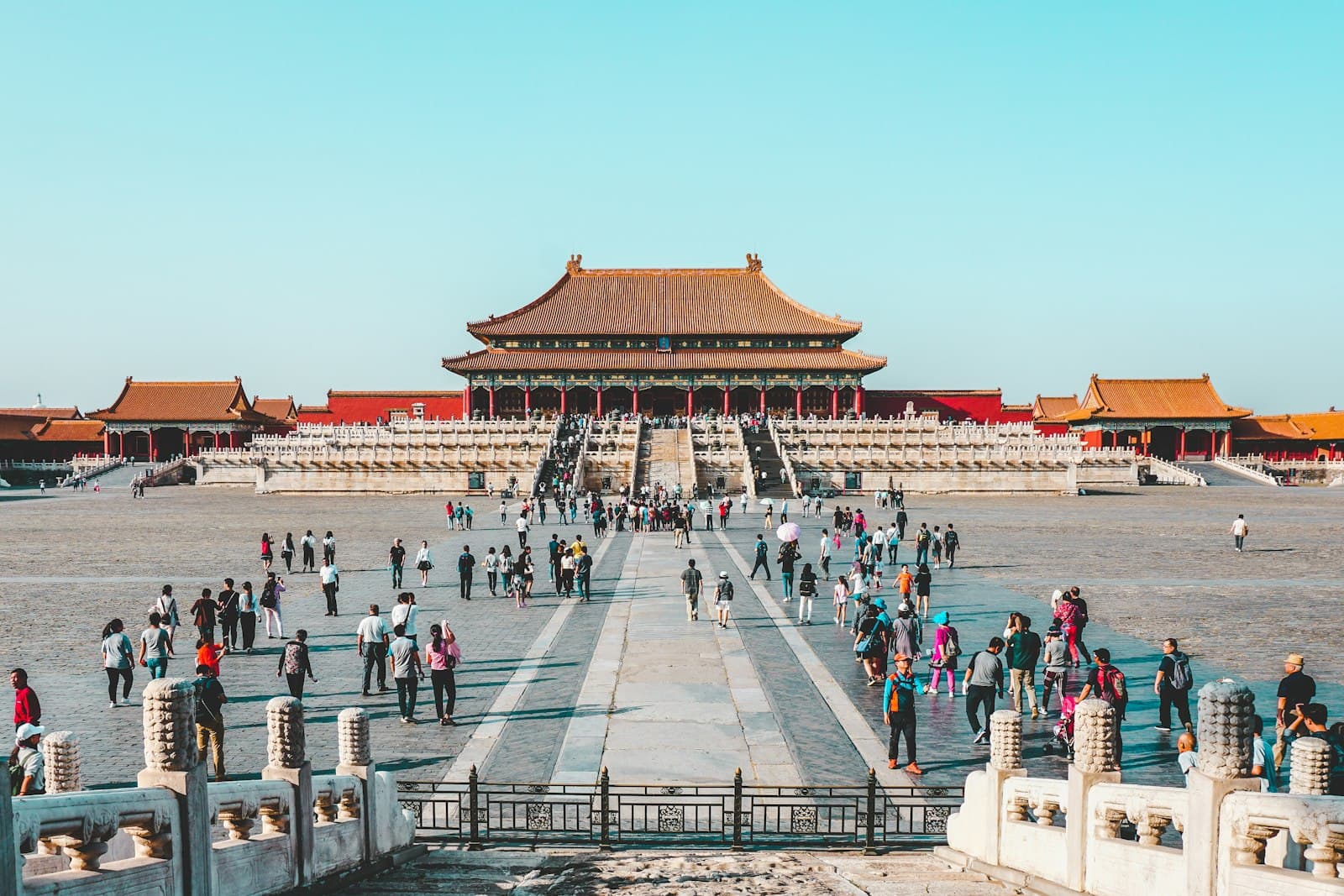
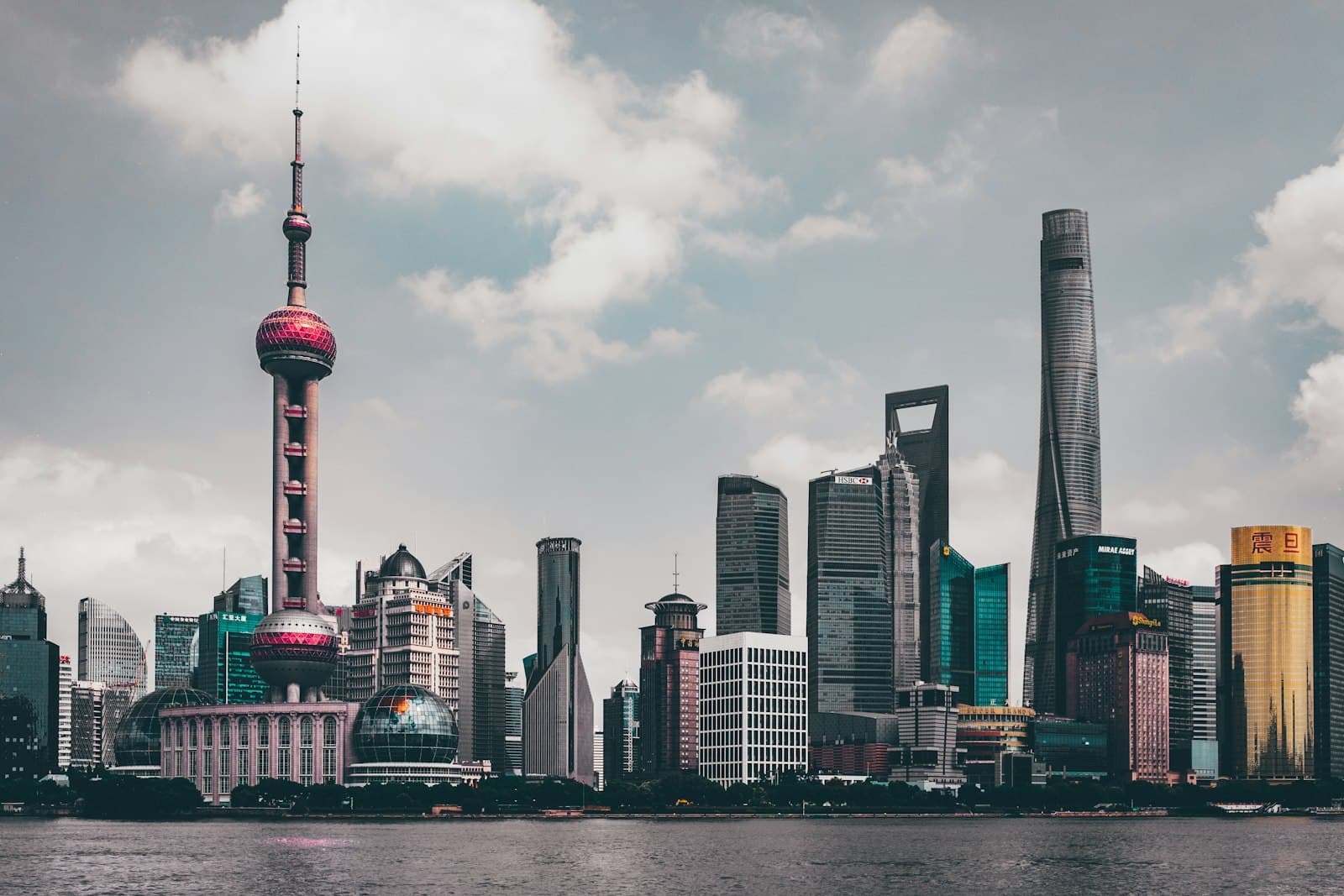
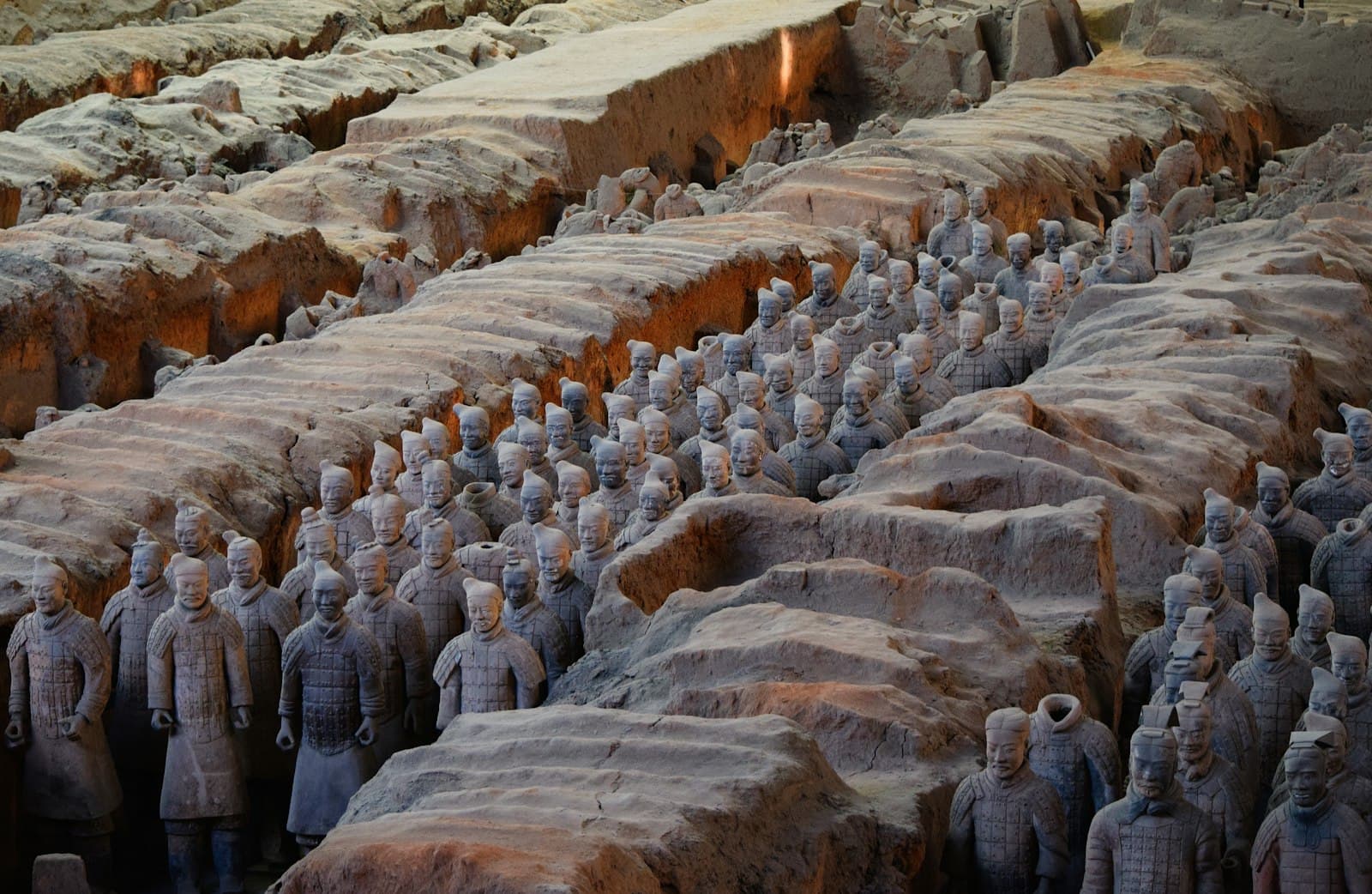
Your self-guided audio tour of Xi'an is ready — pick your landmarks, choose your language, and start the moment you arrive.
BuyLume has a built-in augmented-reality guide. Hold your phone up and its camera shows the street ahead of you, with a glowing arrow laid over the real view that always points to your next stop — no map to puzzle over, no wrong turns. Like everything in Lume, it works fully offline.
Xi'an, once known as Chang'an, stands as a profound testament to China's imperial past, having served as the capital for 13 dynasties over more than 1,100 years. It's a city where the echoes of ancient civilizations resonate through modern life, offering a tangible connection to the country's origins. As the eastern terminus of the ancient Silk Road, Xi'an was a pivotal hub for cultural exchange between East and West.
Today, Xi'an is the second most popular tourist destination in China, drawing visitors with its unparalleled historical sites. Beyond its monumental attractions, the city offers a lively array of local life, from the bustling alleys of the Muslim Quarter with its renowned street food to the serene beauty of its pagodas. It's a place where every corner holds a story, inviting exploration beyond the well-trodden paths.
The history of Xi'an stretches back over 3,000 years, with evidence of human habitation dating to the Lantian Man at least 500,000 years ago, and the Neolithic Banpo people around 8,000 years ago. The area became a cultural and political center in the 11th century BC with the founding of the Zhou Dynasty, whose capital, Fenghao, was located southwest of present-day Xi'an.
China's unification under the Qin Dynasty (221–206 BC) saw Xianyang, just northwest of modern Xi'an, established as the capital. It was Emperor Qin Shi Huang who commissioned the iconic Terracotta Army and his mausoleum, east of Xi'an, almost immediately after his ascension to the throne. The Han Dynasty, founded in 202 BC, established its capital in Chang'an, meaning 'Perpetual Peace,' south of the Wei River, covering the central area of present-day Xi'an. Chang'an flourished, becoming the political, economic, and cultural heart of China and the starting point of the Silk Road.
After periods of upheaval, the Sui Dynasty (581–618 AD) rebuilt the capital as Daxing, and under the Tang Dynasty (618–907 AD), it was renamed Chang'an again, entering a golden age as one of the most splendid and cosmopolitan cities in the world. This era saw significant international exchange, attracting foreigners from across Asia. The city's current name, Xi'an, meaning 'Western Peace,' was adopted in 1369 during the early Ming Dynasty. The Ming Dynasty also saw the enlargement of the city wall, building upon Tang Dynasty foundations, creating the robust fortifications visible today. In more recent history, the Xi'an Incident in 1936 played a crucial role in forming a united front against the Imperial Japanese Army during the Second Sino-Japanese War.
No visit to Xi'an is complete without witnessing the Terracotta Army, a monumental collection of thousands of life-sized warrior statues guarding the tomb of Emperor Qin Shi Huang. Discovered in 1974, this UNESCO World Heritage site is considered one of the greatest archaeological finds of the 20th century.
Within the city, the Xi'an City Wall is one of China's largest and best-preserved ancient city walls, stretching 13.7 kilometers around the historic center. You can walk or cycle the entire perimeter, offering unique perspectives of the city's blend of old and new.
The Muslim Quarter is a lively district near the Bell Tower, known for its diverse street food and energetic atmosphere. Here, you can explore the Great Mosque of Xi'an, a remarkable example of Chinese and Islamic architectural fusion.
The Bell Tower and Drum Tower, located at the city's geographical center, are iconic landmarks that once signaled time. Both are beautifully illuminated at night. Further south, the Giant Wild Goose Pagoda, built in 652 AD, housed Buddhist scriptures brought from India by the monk Xuanzang. The surrounding square hosts a popular musical fountain show in the evening.
For a deeper dive into the region's past, the Shaanxi History Museum is one of China's largest, showcasing thousands of artifacts from prehistoric times to various dynasties.
The best times to visit Xi'an are during spring (March to May) and autumn (September to November). During these seasons, the weather is mild and comfortable, ideal for exploring outdoor attractions like the City Wall and the Terracotta Army. Spring offers pleasant temperatures and blooming landscapes, while autumn brings clear skies and moderate temperatures, with fresh air. Summers (July and August) can be very hot, with temperatures often reaching 38–40°C (100–104°F), and attractions can be extremely crowded due to school holidays. Winters are cold and dry, but offer fewer crowds and potentially snow scenery. It's advisable to avoid Chinese national holidays, such as the first week of October (National Day) and the Spring Festival (January or February), as sites become very crowded and prices for hotels and transport increase.
Xi'an is well-connected for travelers. Xi'an Xianyang International Airport (XIY) is the largest airport in northwest China, with daily flights to numerous domestic and international destinations. High-speed trains frequently connect Xi'an to major cities like Beijing and Shanghai.
Within the city, Xi'an's old town is quite walkable, especially if you stay inside the city walls near the Bell or Drum Tower. The city also has an efficient metro system with several lines covering major tourist sights and the airport. For destinations not on a metro line, ride-sharing apps like DiDi (China's Uber equivalent) are the easiest option, though it's recommended to set it up before you arrive. Taxis can be a hassle for foreigners.
Accommodation options are varied, with many visitors preferring to stay inside the city walls for walkability and proximity to key attractions. The area around the Bell Tower is particularly convenient. Booking in advance is recommended during peak seasons.
Xi'an in Korean, in Chinese or in Hebrew — and 29 more languages, every stop narrated by a native voice. The widest language range of any self-guided audio tour.
Available in: