Iglesia de San Francesco Saverio (La Missione)
Al mirar hacia arriba en la Iglesia de San Francesco Saverio, podrías creer que la cúpula se extiende mucho más alto de lo que realmente lo hace.
La historia completa se desbloquea en el tour
 Maurizio Codogno, it:Utente:.mau. / CC BY-SA 3.0, via Wikimedia Commons
Tour de audio autoguiado de Mondovì — ruta GPS a pie, reproducción offline, narración en 32 idiomas.
“Mondovì: Donde el tiempo y los globos flotan sobre una historia estratificada”
No las postales. Las historias que ni los locales conocen — al oído, justo donde ocurrieron.
Al mirar hacia arriba en la Iglesia de San Francesco Saverio, podrías creer que la cúpula se extiende mucho más alto de lo que realmente lo hace.
Los elegantes y modernos vagones del funicular que conectan los dos distritos principales de Mondovì esconden un pasado sorprendente.
A diferencia de muchos guetos europeos, el Barrio Judío de Mondovì nunca tuvo puertas tradicionales.
Descubre todos los secretos de Mondovì
Cada dirección, cada revelación al completo — a tu oído, justo donde ocurrió.
Eliges tus paradas. Caminas. La voz te revela lo que los demás ignoran.


Tu tour de audioguía por Mondovì te espera — elige tus lugares, tu idioma y empieza al llegar.
ComprarLume incluye una guía de realidad aumentada. Levanta el móvil y su cámara muestra la calle que tienes delante, con una flecha luminosa sobre la imagen real que siempre apunta a tu próxima parada — sin mapas que descifrar, sin giros equivocados. Como todo en Lume, funciona completamente sin conexión.
Mondovì, una cautivadora ciudad en la región italiana de Piamonte, ofrece un viaje a través del tiempo a través de sus dos almas distintas: el distrito inferior y bullicioso de Breo y el antiguo y elevado barrio de Piazza. Conectadas por un pintoresco funicular, estas áreas desvelan una narrativa convincente de historia, arte y vida local. Desde sus orígenes medievales como un asentamiento rebelde hasta su esplendor barroco y tradiciones únicas, Mondovì presenta una experiencia estratificada para aquellos que buscan un auténtico carácter italiano lejos de los caminos más frecuentados.
Al pie de los Alpes del sur, Mondovì ofrece amplias vistas que se extienden a través de viñedos ondulantes hasta los grandes picos. Es un lugar donde palacios e iglesias históricas se alzan junto a animados mercados y talleres artesanales, ofreciendo una mezcla de inmersión cultural y esplendor natural. Ya sea que te atraigan sus maravillas arquitectónicas, su sorprendente conexión con los globos aerostáticos o los ecos de su pasado industrioso, Mondovì invita a un ritmo más lento de descubrimiento.
Esta guía te llevará por los intrigantes rincones de Mondovì, revelando las historias y secretos que hacen que este destino piamontés sea tan cautivador.
La historia de Mondovì no comienza con un gran decreto, sino con un acto de desafío. En 1198, habitantes de las aldeas cercanas de Vico, Vasco y Carassone, cansados del poder feudal del obispo de Asti, se unieron para fundar una nueva comuna independiente en Monte Vico, de donde deriva el nombre Mondovì. Sin embargo, este espíritu rebelde fue recibido con una rápida represalia, y la naciente ciudad fue inicialmente destruida. Aun así, la comunidad persistió, reconstruyendo después de 1231 y defendiendo ferozmente su autonomía contra ataques posteriores.
A lo largo de la Edad Media, la posición estratégica de Mondovì en el cruce de las rutas comerciales de montaña entre Piamonte y la costa mediterránea consolidó su importancia para el comercio y las empresas militares. Pasó por manos de varias potencias, incluidos los Anjou, los Visconti y el Marquesado de Montferrato, antes de finalmente quedar bajo el dominio de la Casa de Saboya en 1418. En el siglo XVI, Mondovì se había convertido en la ciudad más grande del Piamonte.
Los siglos XVI y XVII marcaron un florecimiento cultural significativo para Mondovì. En 1388, se le concedió una diócesis, y de 1560 a 1719, albergó con orgullo la primera universidad del Piamonte. Esta época también vio la llegada del primer libro impreso en Piamonte utilizando tipografía moderna en 1472, lo que solidificó la reputación de Mondovì como una "Ciudad de Estudios" y un centro de actividad intelectual. La prosperidad de la ciudad durante este período se refleja en su arquitectura barroca, gran parte de la cual se atribuye al arquitecto local Francesco Gallo, quien llevó el estilo barroco al sur del Piamonte.
La victoria de Napoleón Bonaparte sobre las fuerzas austro-sardas en 1796 grabó aún más a Mondovì en los anales de la historia. El siglo XIX trajo desarrollo industrial, particularmente en la producción de seda, y la ciudad continuó creciendo en tamaño e importancia. Hoy en día, el legado histórico de Mondovì es evidente en sus dos distritos distintos: Breo, el centro comercial inferior a lo largo del río Ellero, y Piazza, la ciudad más antigua y elevada con sus tesoros medievales y barrocos, conectados por el icónico funicular.
Comienza tu exploración en Mondovì Piazza, la ciudad alta, fácilmente accesible a través del moderno funicular desde Breo. El viaje en sí ofrece una vista panorámica de la ciudad y los Alpes circundantes. En Piazza Maggiore, la plaza principal, admira los palacios con arcadas como el Palazzo dei Bressani y el Palacio del Gobernador. La Iglesia de San Francesco Saverio, también conocida como La Missione, es un punto culminante, con la increíble cúpula en trampantojo de Andrea Pozzo.
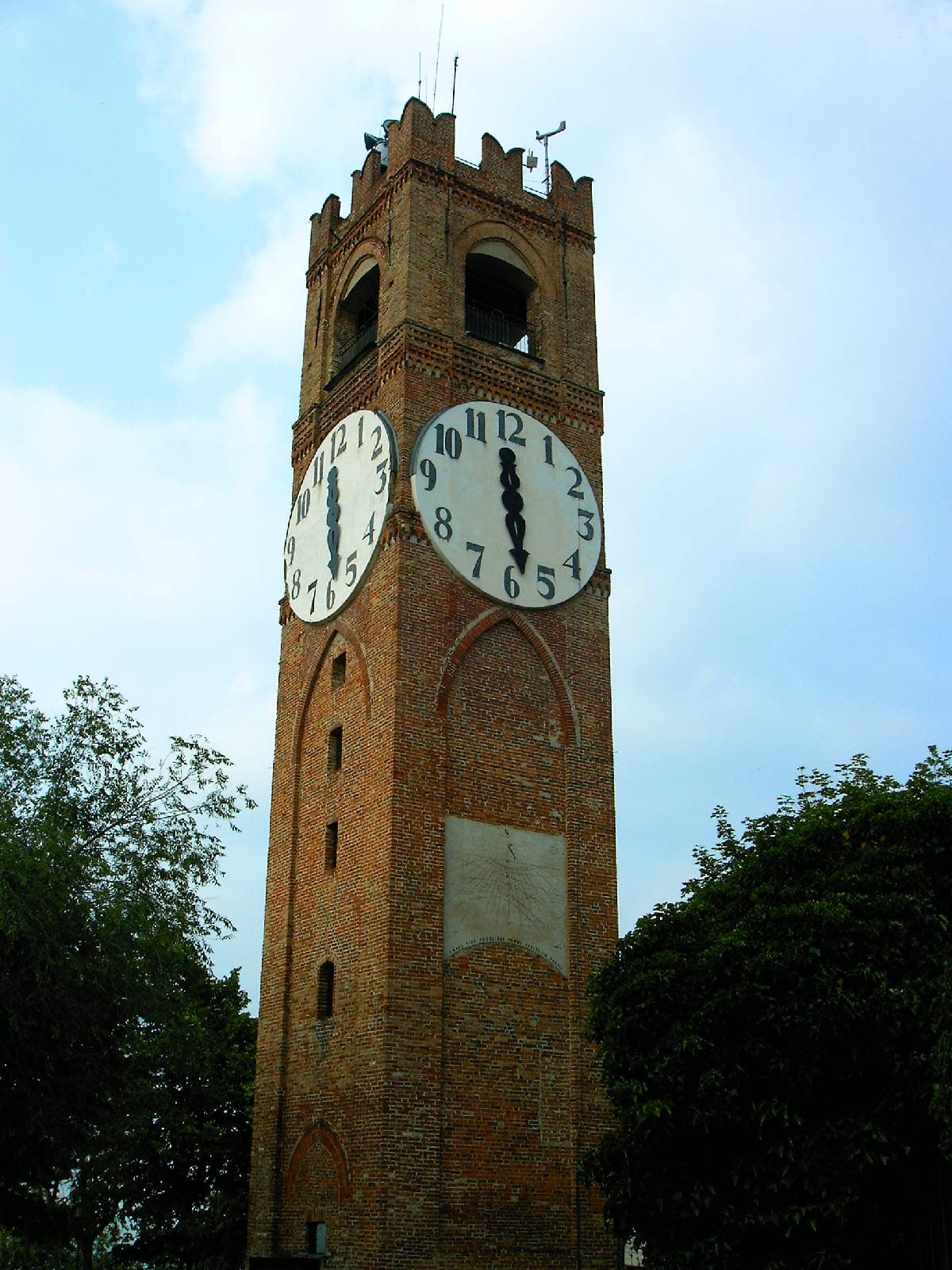
A poca distancia a pie de Piazza Maggiore, descubre el Jardín Belvedere y su Torre Cívica, que ofrecen amplias vistas del territorio de Monregalese y el arco alpino. El jardín también alberga el 'Parque del Tiempo', una exposición al aire libre de instrumentos para medir el tiempo. No pases por alto el Museo de Cerámica de Mondovì, ubicado en el histórico palacio Fauzone di Germagnano, que exhibe dos siglos de tradiciones cerámicas locales. La cercana Catedral de San Donato, diseñada por Francesco Gallo, es otra obra arquitectónica significativa.
Desciende al distrito de Breo para explorar sus encantadoras calles, tiendas históricas y Piazza San Pietro, adornada con relojes de sol. La Iglesia de los Santos Pedro y Pablo, con su fachada barroca, también merece una visita. Para una experiencia única, considera un paseo en globo aerostático, ya que Mondovì es reconocida como la capital italiana de los globos aerostáticos.
Mondovì ofrece un encanto especial durante todo el año. Para un clima agradable, ideal para actividades al aire libre y visitas turísticas, considera visitar en abril, mayo o septiembre. Estos meses evitan la temporada alta de turismo de verano y las temperaturas más cálidas. Julio y agosto son los meses más cálidos, con máximas promedio alrededor de 27 °C (81 °F), adecuados para actividades de clima cálido. Si no te importan las temperaturas más frescas, el período navideño y principios de enero son particularmente evocadores, con decoraciones festivas, mercados y el Encuentro Internacional de Globos. Las precipitaciones se distribuyen a lo largo del año, siendo octubre y noviembre típicamente los meses más húmedos.
Mondovì es fácilmente accesible en coche, con conexiones a través de la autopista A6 desde Turín o Savona. Si llegas en coche, hay aparcamiento disponible cerca de la plaza del mercado en Breo, desde donde puedes tomar el funicular hasta Piazza. La ciudad también está bien conectada por servicios de tren regionales a centros más grandes como Turín y Cuneo. El aeropuerto más cercano es Cuneo Levaldigi (CUF), aproximadamente a 23 km de distancia, con Turín Caselle y Génova Sestri como opciones alternativas.
Una vez en Mondovì, la forma más conveniente de explorar el centro histórico es a pie. El funicular conecta eficientemente el distrito inferior de Breo con el distrito superior de Piazza, funcionando cada 10 minutos y tardando solo 3 minutos en el trayecto. Un billete cuesta 3,00 € y es válido durante 4 horas, con niños de menos de un metro de altura viajando gratis. El funicular está cerrado el 25 de diciembre y el 1 de enero, y normalmente el primer lunes de cada mes después de la 1:40 PM por mantenimiento.
Mondovì en coreano, en chino o en hebreo — y 29 idiomas más, cada parada narrada por una voz nativa. La mayor variedad de idiomas de cualquier audioguía autoguiada.
Disponible en: