Pont de Calicanto
Le mortier qui lie l'historique pont de Calicanto à Monguí contiendrait un ingrédient inhabituel.
L'histoire complète se débloque dans le tour
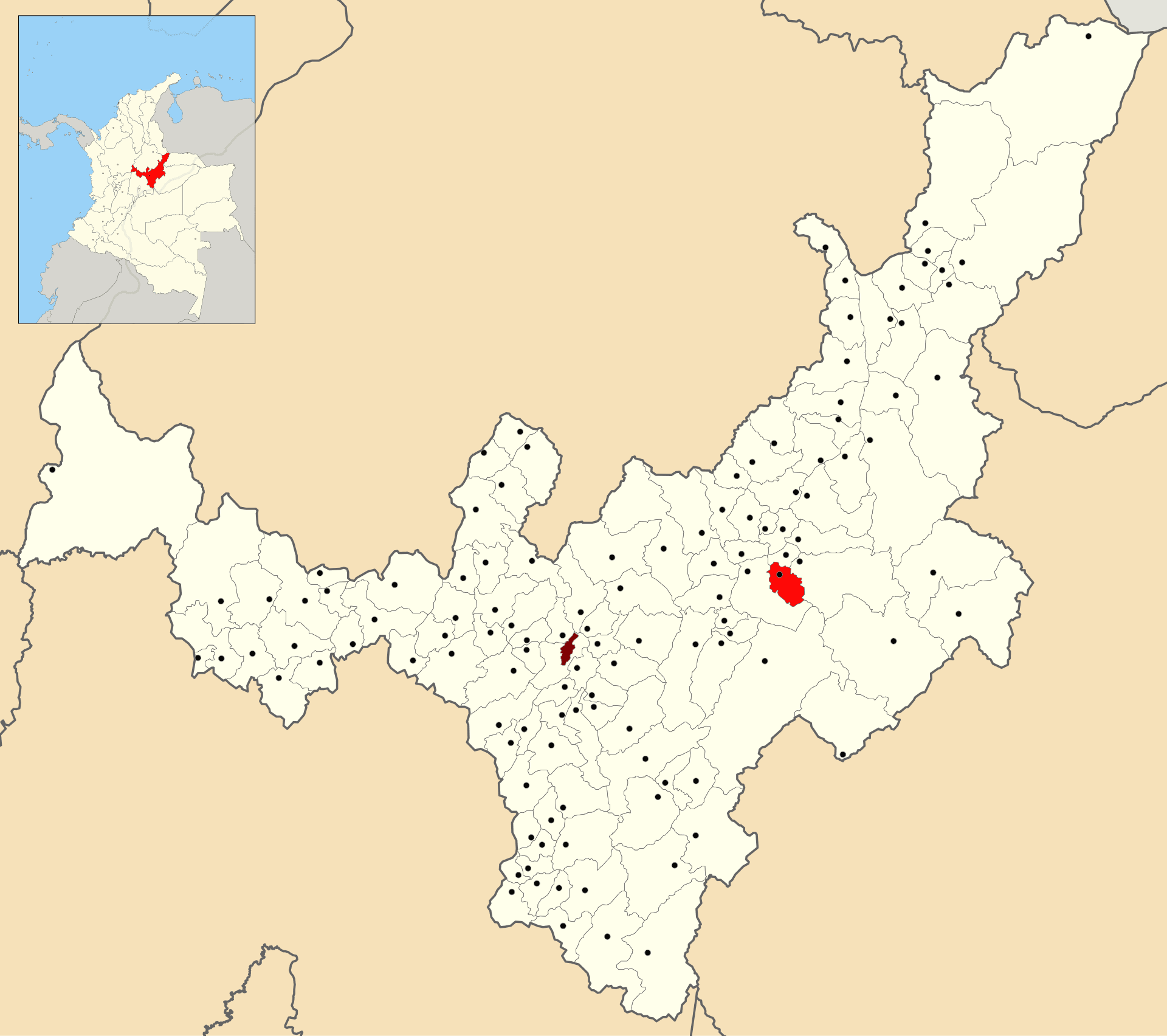 Milenioscuro / CC BY-SA 3.0, via Wikimedia Commons
Visite audio autoguidée de Monguí — parcours GPS à pied, lecture hors ligne, narration en 32 langues.
“Où l'élégance coloniale rencontre l'air pur des montagnes et l'esprit du jeu.”
Pas les cartes postales. Les histoires que même les habitants ignorent — soufflées à l'oreille, là où elles se sont passées.
Le mortier qui lie l'historique pont de Calicanto à Monguí contiendrait un ingrédient inhabituel.
La palette de couleurs saisissante de la ville est plus que décorative; elle raconte un chapitre de l'histoire colombienne.
Monguí est réputée pour ses ballons de football faits à la main, mais les origines de cette industrie distinctive restent un mystère local.
Découvrez tous les secrets de Monguí
Chaque adresse, chaque révélation en entier — dans ton oreille, là où elle s'est passée.
Tu choisis tes lieux. Tu marches. La voix te révèle ce que les autres ignorent.


Votre visite audioguidée de Monguí vous attend — choisissez vos lieux, votre langue, et lancez-vous dès votre arrivée.
AcheterLume intègre un guide en réalité augmentée. Levez votre téléphone : sa caméra montre la rue devant vous, avec une flèche lumineuse posée sur l'image réelle qui pointe toujours vers votre prochain arrêt — aucune carte à déchiffrer, aucun mauvais virage. Comme tout dans Lume, ça fonctionne entièrement hors-ligne.
Monguí, désignée « Pueblo Patrimonio », est une ville patrimoniale située au cœur des Andes colombiennes, vénérée pour son architecture coloniale soigneusement préservée et son passé captivant. Ses chemins pavés de pierre, bordés de maisons blanches aux toits de tuiles rouges, transportent les visiteurs vers une époque révolue. À une altitude de près de 3 000 mètres, la ville offre un air de montagne pur et des vues imprenables sur le paysage environnant du Boyacá.
Au-delà de son attrait visuel, Monguí présente une fusion distinctive d'expériences culturelles et de splendeur naturelle. C'est un lieu où l'artisanat des ballons de football en cuir faits à la main prospère, lui valant le surnom de « La Ville des Ballons ». Elle sert également de point d'entrée au Páramo de Ocetá, l'une des landes d'altitude les plus impressionnantes du monde, ce qui en fait un sanctuaire pour les amoureux de la nature et les randonneurs. Monguí offre une expérience andine plus tranquille et authentique que certaines des villes coloniales les plus fréquentées de Colombie.
L'histoire de Monguí remonte aux Muiscas, l'un des groupes indigènes les plus avancés de Colombie, qui habitaient à l'origine ce territoire. En 1550, des moines franciscains arrivèrent avec l'intention d'évangéliser la population indigène, les déplaçant pour faciliter la conversion et le travail. La ville fut officiellement établie le 1er décembre 1601 par Alonso Domínguez Medellín et le Frère Juan Blas Redondo. Monguí gagna rapidement en importance à la fin du XVIIe siècle, devenant un centre commercial et culturel notable dans la région.
L'héritage colonial espagnol est évident dans l'architecture durable de Monguí. La construction de l'impressionnante Basilique Mineure de Notre-Dame de Monguí commença par une chapelle, avec des pierres pour sa création transportées sur un pont spécialement construit. La grande basilique et son couvent franciscain attenant, érigés entre 1694 et 1760, sont considérés comme des jalons architecturaux et ont été déclarés Monument National de Colombie en 1975. Le couvent, ajouté en 1702, fonctionne maintenant comme un musée d'art religieux, offrant un aperçu du mélange des cultures indigènes et catholiques pendant la période coloniale.
Un autre édifice historique significatif est le Pont de Calicanto, datant de 1715. Ce pont de pierre était crucial pour le transport des matériaux pour la basilique et se dresse comme un symbole de la convergence des histoires indigènes et coloniales. Alors que les indigènes avaient initialement construit une version antérieure du pont en 1557, celle visible aujourd'hui a été reconstruite en 1715. Au fil des siècles, Monguí a conservé une grande partie de sa grandeur coloniale, gagnant sa place dans le Réseau des Villages Patrimoniaux de Colombie.
Commencez votre exploration sur la Plaza Mayor, le cœur de Monguí, où de larges chemins de pierre et des balcons coloniaux encadrent la vie quotidienne. Vous y trouverez l'impressionnante Basilique Mineure de Notre-Dame de Monguí, une structure du XVIIe siècle de style roman avec des détails d'autel complexes à voir à l'intérieur. Adjacente à la basilique se trouve le Couvent Franciscain, aujourd'hui un musée d'art religieux, offrant une fenêtre sur le passé colonial de la ville.
Marchez jusqu'au Pont de Calicanto, un pont de pierre datant de 1715, qui traverse la rivière El Morro et est l'une des plus anciennes structures du village. Ne manquez pas les Talleres Artesanales de Balones, les ateliers de ballons de football faits à la main, où vous pourrez observer les artisans fabriquer des ballons en cuir et acquérir un souvenir distinctif. Pour des vues imprenables sur la ville et la vallée, faites une courte ascension vers les Miradores juste au-dessus du centre. Monguí est également un point d'accès principal au Páramo de Ocetá, un écosystème d'altitude essentiel offrant des sentiers de randonnée, une flore unique comme les frailejones et une faune sauvage.
La période optimale pour visiter Monguí pour les activités de plein air est de fin décembre à fin mars, avec un pic la première semaine de février, en raison de jours plus clairs et sans pluie et de températures confortables. Il y a aussi une saison sèche plus courte de juillet à début septembre. Bien que la Colombie soit une destination toute l'année, et même pendant la saison des pluies le soleil est rarement absent, les mois plus secs sont idéaux pour explorer la ville et faire des randonnées dans le Páramo de Ocetá. Les températures à Monguí varient généralement entre 8ºC et 16ºC (46-61°F).
Monguí se situe à une altitude d'environ 2 900 mètres (9 500 pieds), préparez-vous donc à des températures plus fraîches, surtout le soir. Des vêtements chauds sont conseillés. La ville est accessible en bus depuis Sogamoso, un point de connexion majeur depuis Bogotá ou Bucaramanga. Le trajet en bus de Sogamoso à Monguí dure environ 40-45 minutes. Bien que Monguí offre une gamme d'options d'hébergement, elle n'est pas submergée par de grands hôtels. Il est judicieux d'avoir suffisamment d'argent liquide car il n'y a pas de distributeurs automatiques de billets à Monguí, et de nombreux petits magasins peuvent ne pas accepter les paiements par carte. Des visites guidées du village et du Páramo de Ocetá sont disponibles auprès des agences locales.
Monguí en coréen, en chinois ou en hébreu — et dans 29 autres langues, chaque étape narrée par une voix native. La plus large gamme de langues de tous les audioguides autoguidés.
Disponible en :