Playa Blanca
The brilliant white sands of Playa Blanca guard a secret, a natural occurrence that transforms the water into a celestial light show after the sun dips below the horizon.
Full story unlocks in the tour
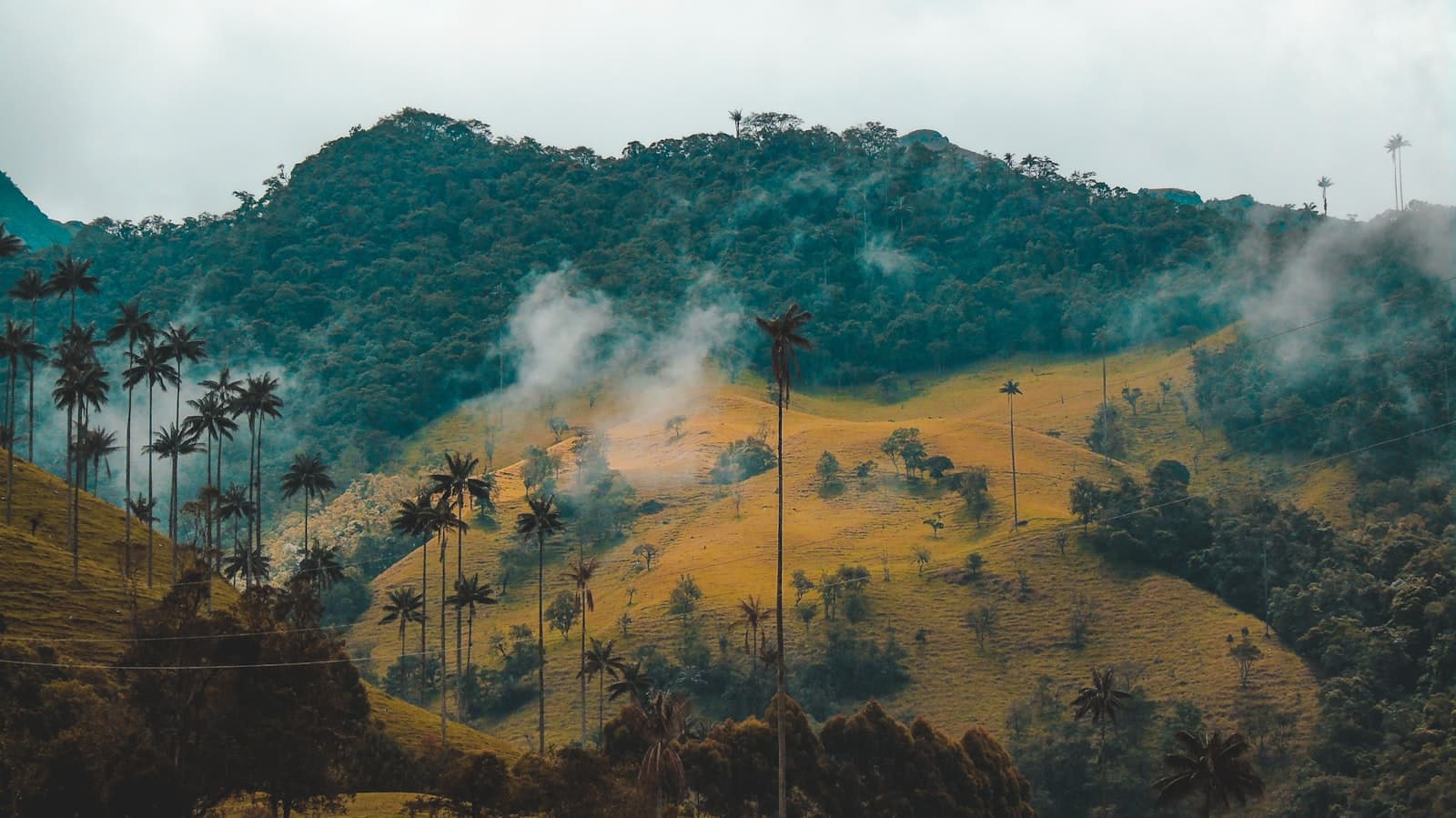 Photo: Fernanda Fierro / Unsplash
Self-guided audio walking tour of Playa Blanca — GPS route, offline playback, story-driven narration in 32 languages.
“Where the Caribbean murmurs of white sands and turquoise depths, if you know where to listen.”
Not the postcards. The stories even locals don't know — whispered in your ear, right where they happened.
The brilliant white sands of Playa Blanca guard a secret, a natural occurrence that transforms the water into a celestial light show after the sun dips below the horizon.
Before the bridge linked Isla Barú to the mainland, reaching this serene stretch of coastline involved a different kind of passage, one that shaped its early tourism.
Amidst the animated atmosphere of Playa Blanca, a quiet, ancient observance sometimes unfolds, essential for the survival of a vulnerable species.
Discover every secret of Playa Blanca
Every address, every reveal in full — in your ear, right where it happened.
You pick your stops. You walk. The voice reveals what the others miss.

Your self-guided audio tour of Playa Blanca is ready — pick your landmarks, choose your language, and start the moment you arrive.
BuyLume has a built-in augmented-reality guide. Hold your phone up and its camera shows the street ahead of you, with a glowing arrow laid over the real view that always points to your next stop — no map to puzzle over, no wrong turns. Like everything in Lume, it works fully offline.
Playa Blanca, situated on Isla Barú, is acclaimed for its striking white sands and crystalline turquoise waters, making it a favored destination near Cartagena, Colombia. This Caribbean beach provides a picturesque escape, drawing visitors with its idyllic scenery. While frequently considered part of the Rosario Islands, Playa Blanca is technically on Barú, an island now accessible by land.
However, its renown has presented substantial challenges, including overcrowding, environmental impact, and concerns about unregulated tourism practices. Despite these issues, many still find its natural splendor compelling, especially during quieter intervals or by seeking out less crowded areas of the beach. The area continues to be a focal point for discussions on sustainable tourism and community-based management to alleviate these pressures.
Playa Blanca, situated on Isla Barú, was once a more secluded and unspoiled location, a tranquil expanse of white sand and clear waters. Historically, access to Isla Barú, and thus Playa Blanca, was primarily by boat, contributing to its more isolated character. The island itself, home to approximately 10,000 residents across towns like Ararca, Santa Ana, and Barú, has long had communities whose livelihoods were tied to the sea and, increasingly, to tourism.
The landscape began to shift significantly with the construction of a bridge connecting Isla Barú to the mainland. This development made Playa Blanca considerably more accessible from Cartagena, transforming it from a destination reachable mainly by ferry or tour boat into one accessible by car or bus. This increased accessibility, while invigorating tourism, also brought about a rapid and largely unregulated growth in services and visitors.
Over the past decade, Playa Blanca has experienced a dramatic surge in popularity, evolving into one of Cartagena's most visited beaches. This influx of tourists, at times exceeding the beach's capacity, has led to concerns about over-exploitation, pollution, and the strain on local infrastructure. Efforts towards integrated coastal zone management (ICZM) and community-based adaptive governance models have been explored to address these socio-environmental challenges, aiming to harmonize human activities with environmental conservation. These initiatives seek to empower local communities and promote sustainable development in the face of ongoing tourism pressures.
Beyond the inviting waters, Playa Blanca and its surroundings offer a few distinct experiences. The primary allure remains swimming and sunbathing in the calm, clear blue water and on the white sand. For those seeking more activity, various water sports are available, including jet skiing and tube rides. Boat trips can also be arranged for snorkeling in the crystal-clear waters, where you can observe colorful tropical fish.
A unique natural spectacle is the bioluminescent plankton, visible after dark. Tour operators can arrange a short boat trip to witness these tiny organisms emitting a captivating blue light when disturbed. While not directly on Playa Blanca, the nearby Aviario Nacional de Colombia (National Aviary of Colombia) on Isla Barú is a significant attraction. This conservation-focused bird sanctuary houses thousands of birds from hundreds of species, many native to Colombia, within habitats that mimic their natural environments. It's a well-regarded destination for experiencing Colombia's diverse avian life.
The optimal time to visit Playa Blanca is generally during Colombia's dry season, which extends from December to March, and a shorter dry interval from July to August. During these months, rainfall is less frequent, and the weather is typically sunny, ideal for beach activities. However, these are also the busiest times for tourism.
To avoid the largest crowds, consider visiting during the week rather than on weekends or holidays. The beach tends to be quieter in the late afternoon and evening, after most day tours have departed.
Playa Blanca is situated on Isla Barú, approximately 45 minutes to an hour from Cartagena by shuttle or speedboat. While public buses and moto-taxis offer a more budget-friendly route, a private taxi or a day pass that includes transportation from Cartagena are often recommended for convenience.
It is advisable to bring enough cash, as ATMs are not available on Isla Barú, and not all vendors accept cards. Be prepared for numerous beach vendors offering everything from food and drinks to massages and souvenirs. While some can be persistent, a polite but firm 'No, thank you' is usually effective. If considering purchases or services, agree on a price beforehand to avoid misunderstandings. Mosquito repellent is also recommended, especially if staying overnight.
Playa Blanca in Korean, in Chinese or in Hebrew — and 29 more languages, every stop narrated by a native voice. The widest language range of any self-guided audio tour.
Available in: