Place principale de Pijao
L'horloge de l'église sur la place centrale de Pijao semblait suivre son propre rythme.
L'histoire complète se débloque dans le tour
 nn43 / cc by-sa 3.0, via Wikimedia Commons
Visite audio autoguidée de Pijao — parcours GPS à pied, lecture hors ligne, narration en 32 langues.
“Pijao : Là où le temps s'étire et le café éveille l'esprit.”
Pas les cartes postales. Les histoires que même les habitants ignorent — soufflées à l'oreille, là où elles se sont passées.
L'horloge de l'église sur la place centrale de Pijao semblait suivre son propre rythme.
Sous la peinture éclatante des maisons traditionnelles de Pijao se cache une histoire d'endurance et de dessein commun.
Le nom de la ville, « Pijao », porte un héritage bien plus ancien et complexe que ses rues colorées ne le suggèrent.
Découvrez tous les secrets de Pijao
Chaque adresse, chaque révélation en entier — dans ton oreille, là où elle s'est passée.
Tu choisis tes lieux. Tu marches. La voix te révèle ce que les autres ignorent.


Votre visite audioguidée de Pijao vous attend — choisissez vos lieux, votre langue, et lancez-vous dès votre arrivée.
AcheterLume intègre un guide en réalité augmentée. Levez votre téléphone : sa caméra montre la rue devant vous, avec une flèche lumineuse posée sur l'image réelle qui pointe toujours vers votre prochain arrêt — aucune carte à déchiffrer, aucun mauvais virage. Comme tout dans Lume, ça fonctionne entièrement hors-ligne.
Pijao, une petite ville de la province colombienne du Quindío, offre une expérience captivante au sein du célèbre Paysage culturel du café, un site classé au patrimoine mondial de l'UNESCO. Située à environ 31 kilomètres au sud d'Armenia, Pijao se distingue par son engagement profond envers le mouvement Cittaslow (Ville Lente), ce qui en fait la première ville de Colombie et d'Amérique latine à adopter cette philosophie. Cette éthique imprègne son atmosphère tranquille, où la vie quotidienne se déroule à un rythme délibéré, invitant les visiteurs à savourer chaque instant.
La ville présente une mosaïque d'architecture traditionnelle de la région du café, avec des bâtiments ornés de couleurs vives et joyeuses, de larges avant-toits et de balcons en bois. Entourée de collines verdoyantes et traversée par les eaux claires de la rivière Lejos, Pijao offre une évasion sereine loin de l'agitation des destinations plus fréquentées. C'est un endroit où l'air est pur, et où l'accent est mis sur les produits locaux, l'artisanat et une hospitalité authentique, offrant un aperçu véritable de la culture du café colombien.
Les origines de Pijao remontent à la fin du XIXe siècle, lorsque des colons, dont beaucoup de libéraux cherchant refuge contre l'agitation politique et la Guerre des Mille Jours, sont arrivés de régions comme Tolima, Manizales et Antioquia. L'aspiration à une communauté dotée d'une église et d'une école a conduit à la fondation officielle de la ville le 15 mai 1902, initialement nommée San Antonio de Colón. Juan García a généreusement fait don du terrain pour cette nouvelle colonie, située dans une vallée le long des rives de la rivière Lejos.
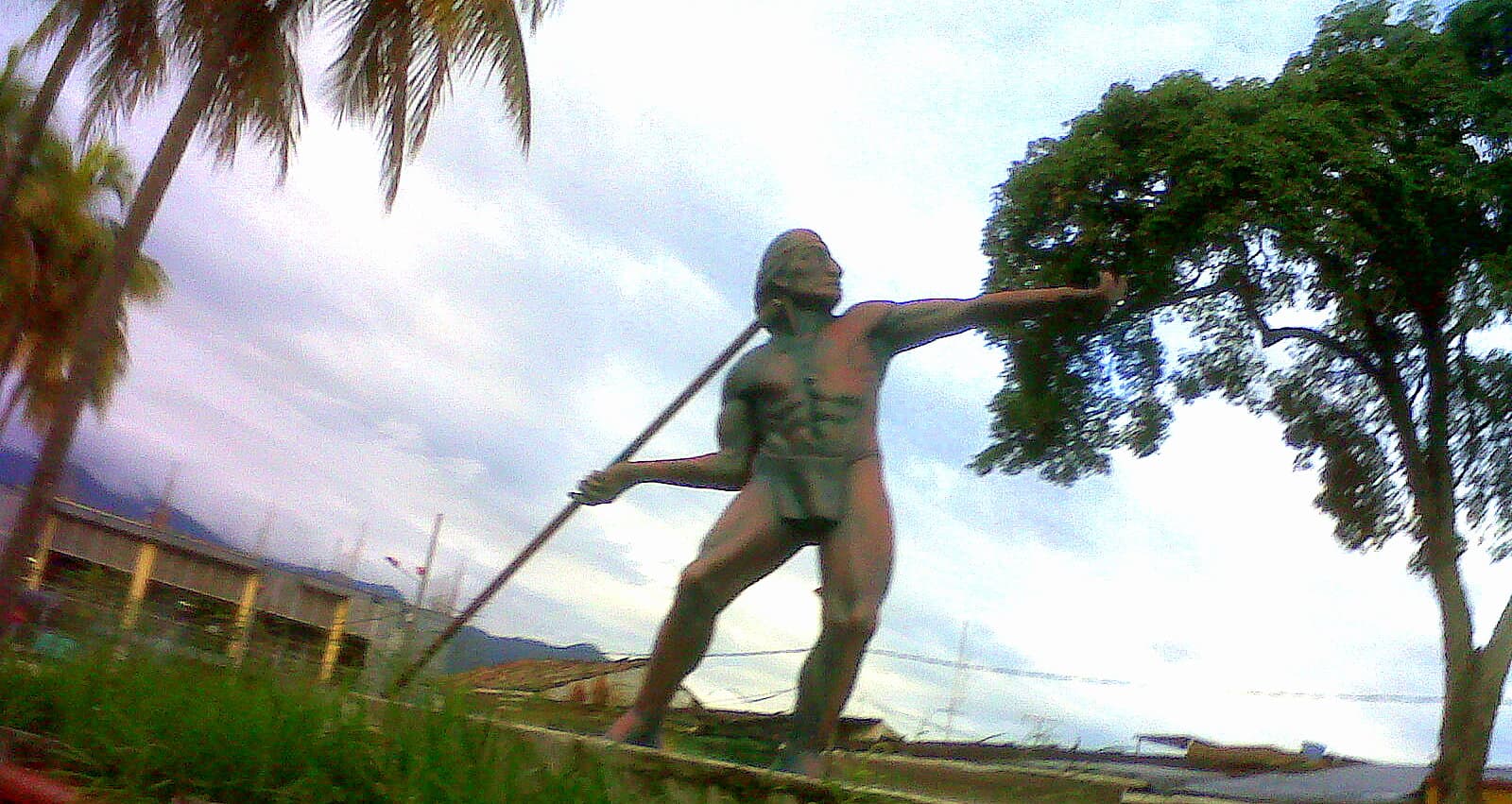
En 1930, le nom de la ville a été officiellement changé en Pijao, une reconnaissance culturelle significative du peuple indigène qui habitait la région des siècles auparavant. Le peuple Pijao était connu pour sa farouche résistance aux colonisateurs espagnols, une lutte qui a finalement conduit à une décimation de sa population au milieu du XVIIe siècle. Bien qu'on ait cru autrefois qu'ils étaient culturellement éteints, les Coyaima Pijao ont connu une résurgence culturelle dans les années 1990 et ont été officiellement reconnus par le gouvernement colombien comme un peuple indigène.
La ville a fait face à des défis considérables à la fin du XXe et au début du XXIe siècle, notamment l'échec du Pacte du Café en 1989, un tremblement de terre dévastateur en 1999 et une invasion de guérilla en 2001. Ces événements ont laissé Pijao en état de délabrement et d'abandon, son architecture, ses parcs et ses rues se détériorant. Cependant, un tournant est arrivé avec le retour de Monica Florez, une spécialiste en communication née à Pijao, qui a initié la Fondation Pijao Cittaslow. Cette fondation, créée il y a environ 15 ans, a mené des efforts pour récupérer les façades des bâtiments et promouvoir la richesse environnementale et le patrimoine culturel de la ville.
Aujourd'hui, Pijao est célébrée comme la première ville de Colombie et d'Amérique latine à rejoindre le mouvement Cittaslow, un réseau international fondé en Italie en 1999. Ce mouvement, inspiré par Slow Food, prône un rythme de vie plus lent, la préservation de l'environnement, du patrimoine culturel et du tourisme durable. L'adoption de cette philosophie par Pijao l'a transformée en une ville sereine et paisible, dédiée à un mode de vie réfléchi, aux produits locaux et au tourisme non de masse.
Pijao offre une douce palette d'expériences, à commencer par sa place centrale, le cœur social de la ville. Ici, l'église de San José de Pijao se dresse en évidence, entourée de bâtiments de style colonial traditionnel aux couleurs vives. Prenez le temps de simplement flâner dans les rues, en admirant l'architecture bien conservée avec ses balcons en bois, ses portes colorées et ses larges avant-toits.
Étant donné son emplacement dans le Paysage culturel du café, une visite à une ferme de café locale est essentielle. De nombreuses excursions partent du village, offrant des aperçus de la production de café et des opportunités de dégustation. Pour ceux qui recherchent des activités plus actives, les montagnes environnantes offrent d'excellentes opportunités de randonnée, de vélo et d'équitation, avec diverses cascades à découvrir. L'observation des oiseaux est une autre activité populaire, car la région regorge d'espèces aviaires diverses. Le Páramo de Chilí, situé à proximité, est un écosystème important et une source d'approvisionnement en eau pour la ville, offrant des paysages uniques à explorer.
Pijao bénéficie d'un climat subtropical d'altitude avec une température moyenne de 18°C (64°F) toute l'année. Bien que la pluie soit fréquente, surtout l'après-midi, la ville est considérée comme une destination agréable tout au long de l'année. Pour ceux qui préfèrent des conditions légèrement plus sèches, les périodes en dehors des saisons des pluies les plus intenses pourraient être idéales, bien que la luxuriance du paysage soit un résultat direct des précipitations constantes.
Pijao est située à environ 31 kilomètres au sud d'Armenia, la capitale du département du Quindío. Le moyen le plus courant de se rendre à Pijao est en bus depuis Armenia, un trajet qui prend généralement entre une heure et 90 minutes. Bien que Pijao gagne en reconnaissance, elle reste moins fréquentée par les touristes internationaux que d'autres villes du café, attendez-vous donc à une expérience plus authentique et moins commercialisée. Les hébergements comprennent plusieurs auberges et hôtels familiaux aux façades traditionnelles. La ville compte également un certain nombre de restaurants, de cafés et de boutiques d'artisans.
Adoptant la philosophie de la « Ville Lente », Pijao met l'accent sur le tourisme durable et l'engagement communautaire. Vous y trouverez des « interprètes culturels » plutôt que des guides touristiques traditionnels, favorisant les opportunités d'emploi pour les femmes et les jeunes et encourageant des liens significatifs avec les traditions locales et la nature. Apporter un vélo peut améliorer votre exploration de la ville et de ses environs pittoresques.
Pijao en coréen, en chinois ou en hébreu — et dans 29 autres langues, chaque étape narrée par une voix native. La plus large gamme de langues de tous les audioguides autoguidés.
Disponible en :