Longwood Mansion
Una meraviglia architettonica, questa dimora rimane una testimonianza permanente di un sogno interrotto.
La storia completa si sblocca nel tour
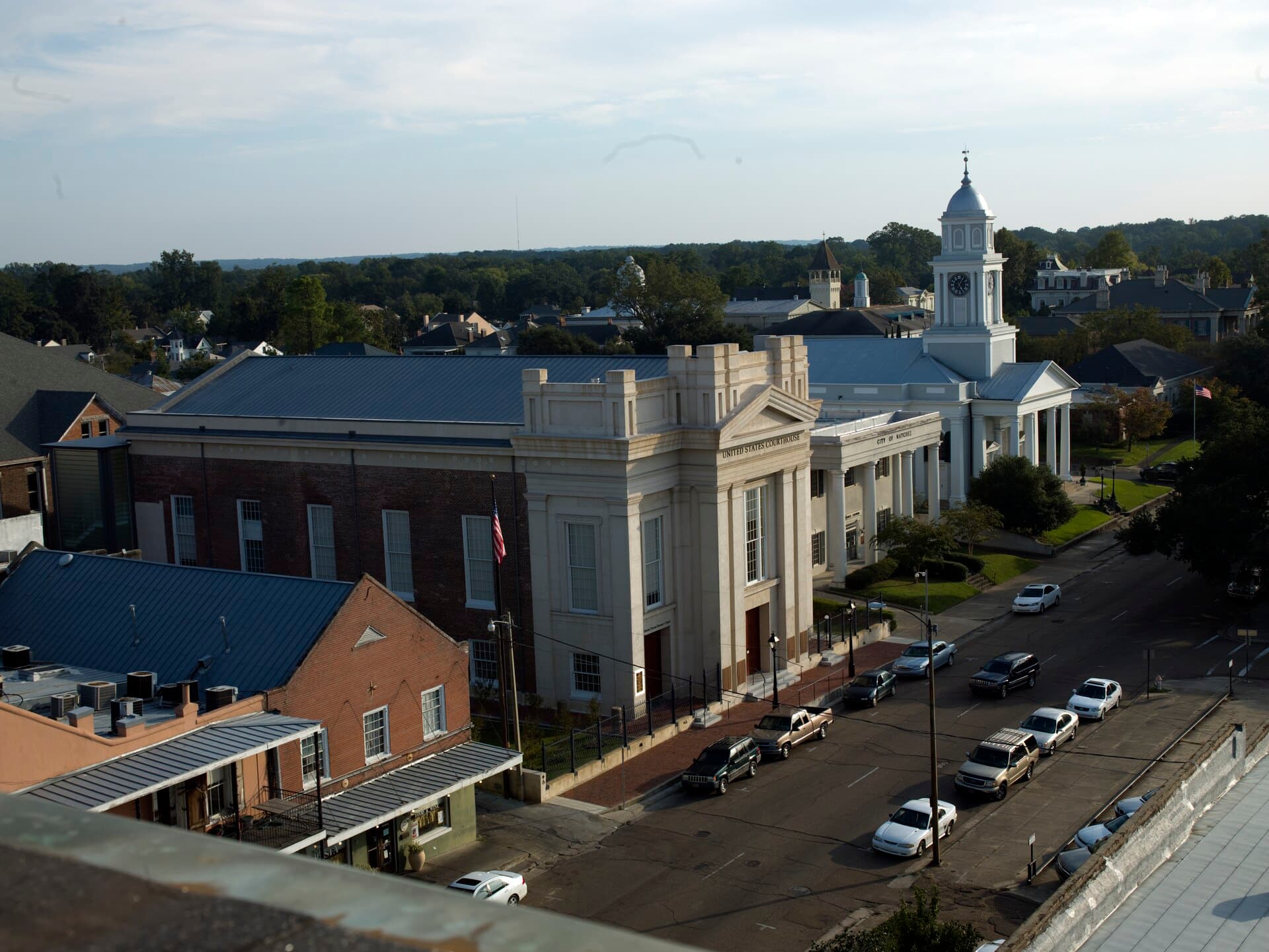 Carol M. Highsmith / Public domain, via Wikimedia Commons
Tour audio autoguidato di Natchez — percorso GPS a piedi, riproduzione offline, narrazione coinvolgente in 32 lingue.
“Dove le correnti del Mississippi portano secoli di storie.”
Non le cartoline. Le storie che nemmeno i locali conoscono — sussurrate nel tuo orecchio, proprio dove sono accadute.
Una meraviglia architettonica, questa dimora rimane una testimonianza permanente di un sogno interrotto.
Tra i maestosi monumenti e il muschio spagnolo che si drappeggia, si dice che una tomba possieda una particolare vitalità.
Questo tranquillo quartiere sul lungofiume un tempo aveva una formidabile reputazione come uno dei porti più senza legge lungo il Mississippi.
Scopri ogni segreto di Natchez
Ogni indirizzo, ogni rivelazione completa — nel tuo orecchio, proprio dove è accaduta.
Scegli le tue tappe. Cammini. La voce rivela ciò che gli altri perdono.
Il tuo tour audio autoguidato di Natchez è pronto — scegli i tuoi punti di interesse, seleziona la tua lingua e inizia nel momento in cui arrivi.
AcquistaLume include una guida in realtà aumentata. Alza il telefono: la fotocamera mostra la strada davanti a te, con una freccia luminosa sovrapposta all'immagine reale che punta sempre verso la tua prossima tappa — nessuna mappa da decifrare, nessuna svolta sbagliata. Come tutto in Lume, funziona completamente offline.
Natchez, Mississippi, una città fondata nel 1716, detiene il primato di essere il più antico insediamento europeo sul fiume Mississippi, antecedente a New Orleans di due anni. Situata su alture che dominano il fiume, offre un viaggio distintivo attraverso la storia americana, caratterizzato dalla sua duplice identità: l'elegante "Top-of-the-Hill" e l'un tempo famigerato "Under-the-Hill". La particolare conservazione della città è in gran parte dovuta alla sua resa durante la Guerra Civile, che ha risparmiato molte delle sue costruzioni del XVIII e XIX secolo dalla distruzione.
Oggi, Natchez invita i visitatori a esplorare il suo passato stratificato, dalle sue origini con la tribù Natchez al suo ruolo di centro nevralgico del commercio del cotone, costruito sul lavoro degli schiavi. Con oltre 1.000 siti storici registrati, la città funziona come un museo vivente, offrendo un mix di fascino del Sud e uno sguardo schietto su un'eredità complessa.
## Dalle Terre Indigene a una Potenza Fluviale La storia di Natchez inizia con la tribù Natchez, che abitava l'area e da cui la città prende il nome. I francesi stabilirono Fort Rosalie nel 1716, segnando l'inizio dell'insediamento europeo. Questa posizione strategica sul fiume Mississippi la rese rapidamente un luogo conteso, passando di mano tra francesi, britannici, spagnoli e infine americani.
All'inizio del XIX secolo, Natchez emerse come un importante centro per il commercio del cotone, diventando una delle città più ricche degli Stati Uniti prima della Guerra Civile. Questa prosperità, tuttavia, era indissolubilmente legata al lavoro forzato degli schiavi, con migliaia di persone comprate e vendute nel mercato degli schiavi della città. Natchez sviluppò anche una notevole comunità di persone di colore libere, tra cui imprenditori come William Johnson, un barbiere i cui diari dettagliati offrono preziose intuizioni sulla vita afroamericana prima della Guerra Civile.
Nonostante la sua importanza economica, Natchez servì brevemente come prima capitale del Territorio del Mississippi nel 1798, sebbene non fu mai costruito un edificio capitolino ufficiale. Il destino unico della città durante la Guerra Civile – la sua resa senza una battaglia importante – significò che gran parte della sua architettura antebellum e delle sue strutture storiche furono preservate, a differenza di molte altre città del Sud. Questa conservazione permette una connessione tangibile con il suo passato, abbracciando sia la grandezza delle sue dimore che le realtà sobering delle sue fondamenta.
Inizia la tua esplorazione con una passeggiata nel centro storico, noto come "Top-of-the-Hill", dove edifici splendidamente conservati ospitano boutique, caffè e ristoranti. Fai un giro in carrozza trainata da cavalli per una prospettiva classica dell'architettura vittoriana. Per ampie vedute del fiume Mississippi, dirigiti verso le Natchez Bluffs o Bluff Park, specialmente al tramonto.
Nessuna visita a Natchez è completa senza visitare alcune delle sue dimore antebellum. Longwood, una dimora ottagonale incompiuta, offre un'esperienza architettonica singolare. Rosalie Mansion, che domina il Mississippi, mostra l'architettura in stile Federal, mentre Stanton Hall e Magnolia Hall sono anch'essi esempi di spicco. Considera una visita al Natchez Museum of African American History and Culture per comprendere il profondo impatto degli schiavi sullo sviluppo della città. Il sito Forks of the Road, un ex mercato di schiavi, offre una prospettiva storica sommessa ma essenziale. Per uno sguardo sulle vite delle persone nere libere, visita la William Johnson House. Esplora Natchez Under-the-Hill, il distretto storico lungo il fiume, e considera una crociera al tramonto sul Mississippi.
I periodi più piacevoli per visitare Natchez per un clima gradevole e attività all'aperto vanno da metà aprile a inizio giugno e da inizio settembre a fine ottobre. Durante questi mesi primaverili e autunnali, le temperature sono confortevoli, oscillando tra 20–25°C in primavera e con il caldo estivo che si attenua in autunno. La città ospita anche i suoi eventi annuali di Pellegrinaggio durante questi periodi, quando molte case storiche private aprono per le visite. Le estati sono lunghe, calde e umide, con temperature che spesso superano i 33°C e una maggiore probabilità di pioggia. Gli inverni sono miti, con temperature medie intorno ai 10–13°C, e le gelate sono rare.
Il Natchez Visitor Center, situato all'inizio del Mississippi River Bridge, è un eccellente primo punto di sosta per mappe, informazioni e un breve film sulla storia locale. Natchez è facilmente raggiungibile in auto, con la Natchez Trace Parkway che inizia qui, offrendo un percorso panoramico verso Nashville. La città offre una varietà di alloggi, tra cui locande e hotel storici, con circa 1.200 camere d'albergo disponibili. Le opzioni di ristorazione spaziano dal raffinato al casual, con molti locali nel quartiere storico. Lo shopping nel quartiere storico include negozi di antiquariato, souvenir e libri, e molte case visitabili hanno negozi di souvenir. Per chi guida all'interno del Distretto Storico, potrebbe essere necessaria una licenza per cambiare i colori esterni delle case.
Natchez — coreano, cinese, ebraico e altre 29 lingue, ogni tappa narrata da una voce madrelingua. La più ampia scelta di lingue tra i tour audio autoguidati.
Disponibile in: