Casa Cotto
La plus ancienne maison de Neive recèle un secret, non seulement d'âge, mais aussi d'artisanat romain antique.
L'histoire complète se débloque dans le tour
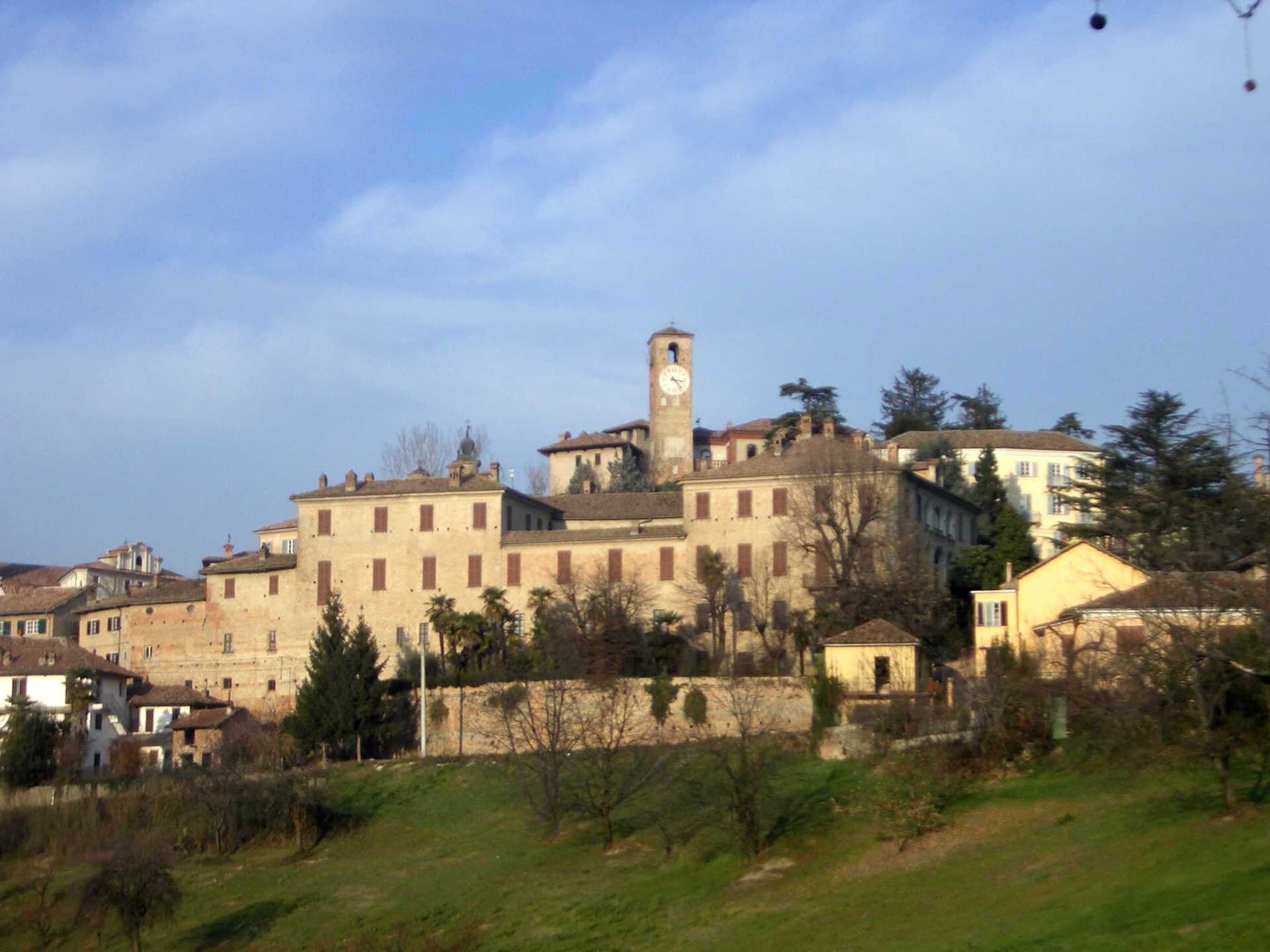 Laurom / Public domain, via Wikimedia Commons
Visite audio autoguidée de Neive — parcours GPS à pied, lecture hors ligne, narration en 32 langues.
“Là où le Barbaresco coule à flots et les échos médiévaux flottent à travers les vignobles ensoleillés.”
Pas les cartes postales. Les histoires que même les habitants ignorent — soufflées à l'oreille, là où elles se sont passées.
La plus ancienne maison de Neive recèle un secret, non seulement d'âge, mais aussi d'artisanat romain antique.
Cette tour emblématique a un passé tumultueux, reconstruite à plusieurs reprises en raison d'anciennes rivalités.
La genèse du vin Barbaresco n'a pas toujours été une évidence, et un expert français a joué un rôle essentiel.
Découvrez tous les secrets de Neive
Chaque adresse, chaque révélation en entier — dans ton oreille, là où elle s'est passée.
Tu choisis tes lieux. Tu marches. La voix te révèle ce que les autres ignorent.


Lume intègre un guide en réalité augmentée. Levez votre téléphone : sa caméra montre la rue devant vous, avec une flèche lumineuse posée sur l'image réelle qui pointe toujours vers votre prochain arrêt — aucune carte à déchiffrer, aucun mauvais virage. Comme tout dans Lume, ça fonctionne entièrement hors-ligne.
Neive, officiellement reconnu comme l'un des plus beaux villages d'Italie ('Borghi più belli d'Italia'), est une ville médiévale captivante perchée sur une colline au cœur de la région des Langhe, classée au patrimoine mondial de l'UNESCO dans le Piémont. Ses rues pavées sinueuses, ses élégants palais baroques et son architecture en pierre historique offrent un voyage dans le temps, loin de l'agitation des grandes destinations touristiques.
Ce charmant village est un paradis pour les amateurs de vin, étant l'une des quatre villes clés de la DOCG Barbaresco, et célébré pour sa production de vins Barbaresco, Barbera d'Alba, Dolcetto d'Alba et Moscato d'Asti. Au-delà de sa renommée viticole, Neive offre une atmosphère tranquille, des vues panoramiques imprenables sur les vignobles vallonnés et une scène culinaire profondément enracinée dans la philosophie Slow Food.
Neive est divisé en deux parties distinctes : l'ancienne 'Neive Alto' sur la colline, riche en monuments artistiques, et le plus moderne 'Neive Borgonuovo' dans la plaine en contrebas, où les activités commerciales sont regroupées. Explorer Neive Alto à pied révèle des siècles d'histoire, de charmantes boutiques et des trattorias qui invitent les visiteurs à ralentir et à savourer l'authentique expérience italienne.
L'histoire de Neive s'étend sur plus de deux millénaires, son nom même faisant écho à ses anciennes origines romaines. La ville est censée avoir été nommée d'après l'illustre famille patricienne romaine, 'Gens Naevia' ou 'Naevii', qui possédait des terres dans la région. À l'époque romaine, Neive était un poste important sur les routes commerciales, la Via Emilia reliant Alba à Acqui Terme passant directement par elle.
Après la chute de l'Empire romain, la région a connu des invasions par les Huns et les Sarrasins, une période pendant laquelle le premier château fortifié a été construit sur la colline. Au XIe siècle, les moines bénédictins exerçaient une influence considérable, possédant de vastes domaines autour de leur monastère, dont il ne reste aujourd'hui que le clocher roman. Neive est devenue une municipalité en 1190.
La situation stratégique de Neive entre les puissantes villes d'Asti et d'Alba la plaçait souvent au centre des conflits médiévaux. Cette période tumultueuse a entraîné la destruction et la reconstruction de nombreuses structures, y compris l'emblématique Torre dell'Orologio (Tour de l'Horloge), qui fut construite pour la première fois en 1224 et a été reconstruite plusieurs fois en raison de ces batailles. L'ancien château de Pian Castello, le point culminant du borgo, fut également détruit en 1276 lors d'un conflit entre Asti et Alba.
Le plan médiéval de la ville, connu sous le nom de 'ricetto', reflète son passé défensif. Ce plan urbain caractéristique du nord de l'Italie impliquait des bâtiments disposés en pentagone sur la colline, enfermés par un mur crénelé, parfois avec des douves, pour protéger les habitants et leurs biens lors des attaques.
Autour de ce noyau fortifié, une communauté de familles nobles et riches a prospéré, valant à Neive le titre de 'pajs dj Sgnuret' (ville des nobles). Des familles comme les Comtes Doglio di Torre Uzzone, Cocito, Cissone, Bongiovanni, Cotto et Demaria ont construit de splendides palais, dont beaucoup subsistent encore aujourd'hui, comme le Palazzo dei Conti Bongioanni Cocito, un élégant exemple d'architecture baroque du XVIIIe siècle.
Le XVIIIe siècle a marqué un tournant important pour l'industrie viticole de Neive. C'est dans les caves historiques du Palazzo dei Conti di Castelborgo qu'eut lieu la première vinification expérimentale des raisins Nebbiolo en vin Barbaresco, un moment clé guidé par l'œnologue français Louis Oudart. Cela a jeté les bases de la renommée mondiale de Neive en tant que région viticole. Le développement de la ligne de chemin de fer à la fin du XIXe et au début du XXe siècle a encore relié Neive aux grandes villes comme Turin, Milan et Gênes, facilitant la distribution de ses vins exceptionnels et de ses produits locaux.
Commencez votre exploration à Neive Alto, le cœur historique perché sur la colline, un labyrinthe de rues pavées sinueuses et de bâtiments séculaires. L'architecture de la ville, un mélange d'éléments médiévaux et baroques, présente des façades en briques rougeâtres, de nobles palais aux plafonds ornés de fresques et des balcons en fer forgé.
Au cœur du village se trouve la Piazza Italia, une place du XVIIe siècle entourée de bâtiments historiques, dont l'ancien hôtel de ville et l'impressionnante Torre dell'Orologio (Tour de l'Horloge). Montez la Tour de l'Horloge du XIIIe siècle pour des vues panoramiques sur Neive et les vignobles environnants classés au patrimoine de l'UNESCO.
Ne manquez pas la Chiesa di San Pietro, l'église la plus importante de Neive, qui présente une magnifique architecture baroque. À proximité, la Chiesa della Confraternita di San Michele, également baroque, offre un détail architectural unique avec son dôme et sa tour visibles de derrière. Explorez les chapelles rurales de San Rocco et San Sebastiano, situées respectivement aux portes sud et nord.
Pour les amateurs de vin, une visite à la Bottega dei Quattro Vini, installée dans la cave de l'ancien hôtel de ville, est essentielle. Ici, vous pourrez déguster et acheter les quatre vins clés de Neive : Barbaresco, Barbera d'Alba, Dolcetto d'Alba et Moscato d'Asti. De nombreuses caves et domaines viticoles locaux proposent des visites et des dégustations, offrant un aperçu du processus de vinification.
Envisagez une visite au Castello di Neive, un château du XVIIIe siècle avec des caves historiques proposant des visites et des dégustations de vin. Pour une expérience culturelle unique, recherchez le musée 'Donna Selvatica', un hommage à Romano Levi, connu pour ses étiquettes de grappa distinctives dessinées à la main. Enfin, trouvez le Big Bench vert pastel sur Crocetta pour une occasion de photo insolite et des vues imprenables sur les Langhe.
Neive est enchanteur toute l'année, mais les périodes idéales pour visiter sont la fin du printemps (mai-juin) et le début de l'automne (septembre-octobre). Au printemps, la campagne éclate de fleurs colorées et de vignobles verdoyants, offrant un temps agréable pour les activités de plein air. L'automne, en particulier pendant la récolte du raisin et la saison de la truffe blanche (octobre-novembre), transforme les vignobles en un spectacle doré, remplissant l'air de l'arôme des raisins mûrs. C'est une période privilégiée pour les visites de vignobles et la chasse à la truffe. Les étés (juillet-août) sont populaires et animés, tandis que les hivers (décembre-mars) sont plus calmes, offrant une atmosphère chaleureuse pour explorer la ville historique et déguster les vins et la cuisine locaux dans les trattorias et enotecas.
Neive se découvre mieux à pied, vous permettant de flâner dans ses rues pavées sinueuses et de vous imprégner du charme médiéval. Des chaussures confortables sont fortement recommandées. Bien que le centre historique soit en grande partie piétonnier, un parking est disponible en périphérie, comme sur la Piazza Garibaldi. La location d'une voiture est fortement recommandée pour explorer la région des Langhe environnante, ses vignobles et les villes voisines comme Alba et Barbaresco.
Pour ceux qui dépendent des transports en commun, Neive possède sa propre gare dans le quartier moderne de Borgonuovo, sur la ligne Asti-Alba. Pour rejoindre le centre historique ('Neive Alto') depuis la gare, prévoyez une courte mais raide marche ou prenez un taxi local. Les aéroports les plus proches sont Milan Malpensa, Milan Linate ou Turin Caselle. Depuis ces aéroports, vous pouvez louer une voiture ou prendre un train jusqu'à Alba, puis prendre un bus ou un taxi jusqu'à Neive.
Il est conseillé de réserver l'hébergement et les activités à l'avance, surtout pendant les hautes saisons comme la récolte du raisin et les foires aux truffes. De nombreux domaines viticoles apprécient les réservations à l'avance pour les dégustations. Bien que l'anglais ne soit pas aussi largement parlé que dans les grandes villes italiennes, de nombreux acteurs du tourisme le parlent.
Neive en coréen, en chinois ou en hébreu — et dans 29 autres langues, chaque étape narrée par une voix native. La plus large gamme de langues de tous les audioguides autoguidés.
Disponible en :