Casa e Estúdio de Frank Lloyd Wright
A casa de Frank Lloyd Wright em Oak Park foi mais do que apenas uma residência; foi um laboratório vivo.
História completa desbloqueada no tour
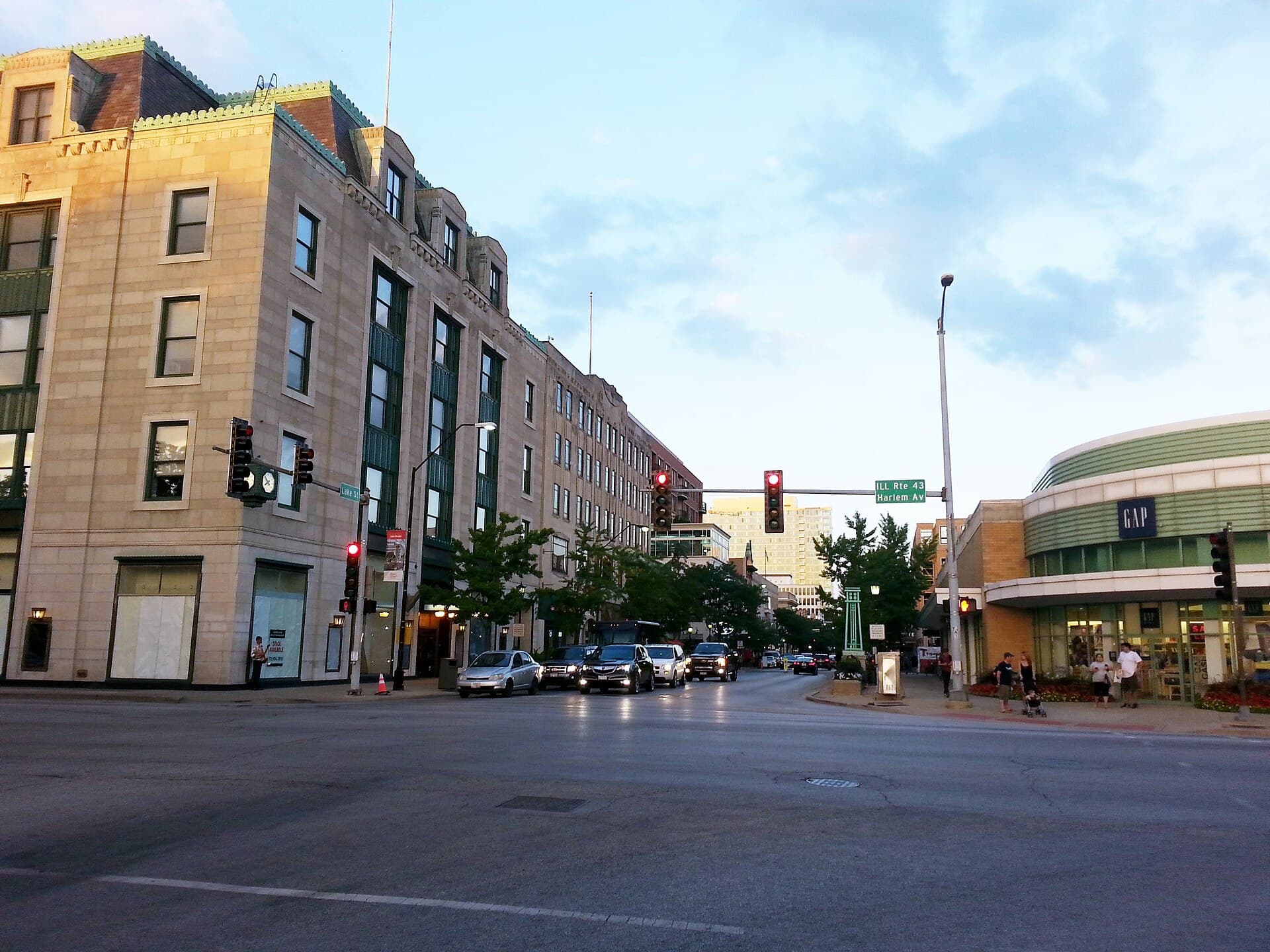 Dennisyerger84 / CC BY-SA 4.0, via Wikimedia Commons
Tour de áudio autoguiado por Oak Park — rota GPS a pé, reprodução offline, narração envolvente em 32 idiomas.
“Onde a inovação arquitetônica encontra as origens de gigantes literários.”
Não os postais. As histórias que nem os locais conhecem — sussurradas ao seu ouvido, exatamente onde aconteceram.
A casa de Frank Lloyd Wright em Oak Park foi mais do que apenas uma residência; foi um laboratório vivo.
A casa aparentemente tradicional em estilo Queen Anne onde Ernest Hemingway nasceu possuía uma conveniência moderna secreta para sua época.
Oak Park já foi conhecida por um apelido surpreendente relacionado às suas políticas sociais.
Descubra cada segredo de Oak Park
Cada endereço, cada revelação na íntegra — no seu ouvido, exatamente onde aconteceu.
Você escolhe as suas paragens. Você caminha. A voz revela o que os outros perdem.

O seu tour áudio autoguiado de Oak Park está pronto — escolha os seus pontos de interesse, selecione o seu idioma e comece no momento em que chegar.
ComprarA Lume inclui um guia de realidade aumentada. Levante o telemóvel: a câmara mostra a rua à sua frente, com uma seta luminosa sobreposta à imagem real que aponta sempre para a sua próxima paragem — sem mapa para decifrar, sem voltas erradas. Como tudo na Lume, funciona totalmente offline.
Oak Park, Illinois, uma vila imediatamente a oeste de Chicago, oferece uma mistura distinta de acessibilidade urbana e apelo suburbano. Conhecida por suas ruas arborizadas e valores de vanguarda, é uma comunidade que cultivou uma forte identidade local. Com uma população de cerca de 54.500 pessoas em seus 4,7 milhas quadradas, Oak Park é celebrada por sua mistura diversificada de culturas, etnias e estilos de vida.
A vila está convenientemente ligada ao centro de Chicago pelas linhas CTA Green Line e Metra Union Pacific West Line, tornando o trajeto de apenas 20-25 minutos. Esse fácil acesso à cidade, combinado com seu caráter único, tornou Oak Park uma comunidade procurada, frequentemente reconhecida em publicações por sua qualidade de vida e significado arquitetônico.
## De Oak Ridge à "Maior Vila do Mundo" A história de Oak Park começou em 1835, quando Joseph e Betty Kettlestrings, imigrantes ingleses, estabeleceram uma fazenda perto do que hoje são Lake Street e Harlem Avenue. A área era inicialmente conhecida como Oak Ridge, nomeada em homenagem aos carvalhos que cobriam a terra. Também era habitada pelas tribos nativas americanas Potawatomi, Sac e Fox.
A chegada da Galena & Chicago Union Railroad em 1848 impulsionou significativamente o desenvolvimento, tornando Oak Park uma das primeiras cidades conectadas a Chicago por ferrovia. A estação ferroviária e os correios eventualmente adotaram o nome Oak Park. O devastador Incêndio de Chicago de 1871 acelerou ainda mais o crescimento da vila, pois os moradores buscavam refúgio e novos lares fora da cidade lotada. A população, cerca de 500 em 1871, aumentou para quase 4.600 em 1890.
Oak Park se incorporou oficialmente como vila em 1902, separando-se de Cicero Township. O início do século XX viu uma rápida expansão, com a maior parte do estoque de moradias e edifícios da vila construída entre 1892 e 1950. Em 1930, a população de Oak Park atingiu 64.000, ainda maior que seu tamanho atual, ganhando o apelido de "Maior Vila do Mundo".
## Um Legado de Valores Progressistas Além de sua fama arquitetônica, Oak Park tem um histórico notável de políticas sociais progressistas. Em 1968, a vila promulgou uma Portaria de Habitação Aberta, uma medida proativa para promover a integração racial e prevenir a "fuga branca". Essa iniciativa, juntamente com esforços populares, ajudou a estabelecer Oak Park como uma comunidade multicultural e politicamente progressista. O Oak Park Regional Housing Center, fundado em 1972, tornou-se um modelo nacional para promover a diversidade por meio de práticas de aluguel pró-integrativas. Esse compromisso em gerenciar a mudança, mantendo a estabilidade, tem sido uma característica definidora de Oak Park ao longo de sua história.
Oak Park é um tesouro para aqueles interessados em arquitetura e literatura. A Casa e Estúdio de Frank Lloyd Wright oferece insights sobre onde Wright viveu, trabalhou e desenvolveu o Estilo Prairie de arquitetura de 1889 a 1909. A vila contém a maior coleção de seus projetos residenciais no mundo, com mais de duas dúzias de estruturas a uma curta distância. Não perca o Unity Temple, um Patrimônio Mundial da UNESCO e um exemplo icônico da arquitetura moderna também projetado por Wright.
Para entusiastas da literatura, o Ernest Hemingway Birthplace Museum oferece um vislumbre da vida inicial do autor vencedor do Prêmio Nobel e Pulitzer. Os visitantes podem visitar a casa restaurada em estilo Queen Anne onde Hemingway nasceu em 1899 e aprender sobre as influências formativas de sua infância. Outra conexão literária notável é a antiga casa de Edgar Rice Burroughs, criador de Tarzan.
Além desses marcos icônicos, Oak Park oferece outras atrações como o Oak Park Conservatory, um jardim botânico interno gratuito com mais de 3.000 plantas em três salas distintas. Austin Gardens oferece um refúgio verde e abriga o Oak Park Festival Theatre durante o verão. O Pleasant Home, projetado por George Maher, é outra maravilha arquitetônica que exibe o movimento Arts and Crafts.
A melhor época para visitar Oak Park para atividades de clima quente é de meados de junho a meados de setembro. Durante esses meses, as temperaturas são confortáveis, sendo julho o mês mais quente, com uma média de máxima de 28°C (83°F). Setembro geralmente oferece as condições climáticas mais ideais. A parte mais clara do ano em Oak Park geralmente vai de meados de junho a final de outubro, com agosto sendo o mês mais claro. Embora os verões sejam quentes, os invernos são muito frios, sendo janeiro o mês mais frio, com uma média de mínima de -6°C (21°F).
Oak Park é facilmente acessível a partir de Chicago por transporte público, com as linhas CTA Green Line e Metra Union Pacific West Line servindo a vila. Para quem dirige, o Aeroporto Internacional de O'Hare fica a cerca de 30 minutos de carro a noroeste. A Vila de Oak Park oferece vários recursos, incluindo um centro de visitantes para mapas e informações.
O estacionamento em Oak Park tem regulamentos específicos; há uma proibição de estacionamento noturno em toda a vila, exceto em áreas designadas por permissão. Informações sobre passes de estacionamento estão disponíveis através da Vila de Oak Park. A vila também possui dois hospitais comunitários, o West Suburban Medical Center e o Rush Oak Park Hospital.
Oak Park — coreano, chinês, hebraico e mais 29 idiomas, cada parada narrada por uma voz nativa. A maior variedade de idiomas entre os passeios de áudio autoguiados.
Disponível em: