Casa del Dr. Richard Eells
Una casa en Quincy no era solo una residencia; era un punto crucial en una red clandestina.
La historia completa se desbloquea en el tour
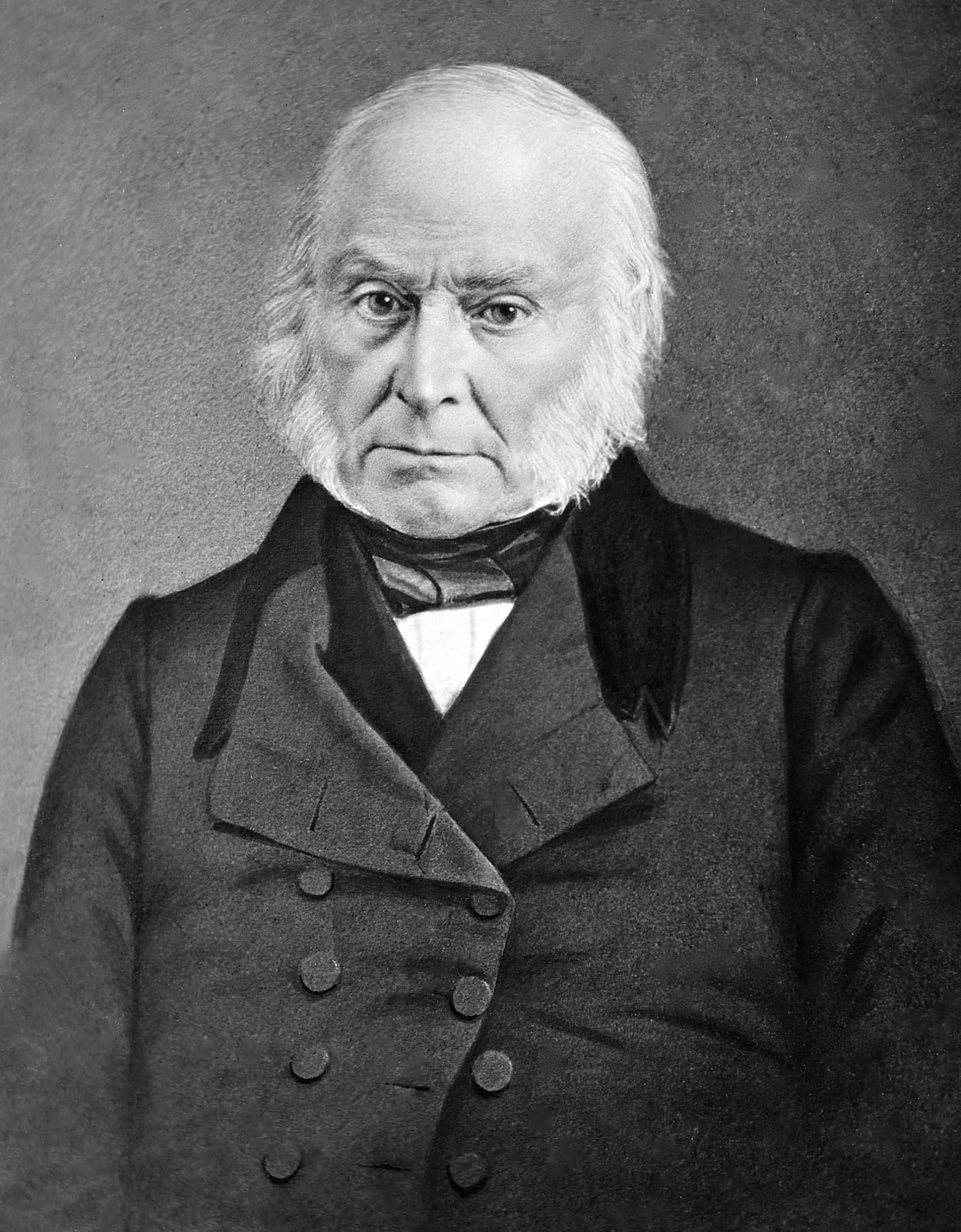 Mathew Brady / public domain, via Wikimedia Commons
Tour de audio autoguiado de Quincy — ruta GPS a pie, reproducción offline, narración en 32 idiomas.
“Donde el Misisipi cuenta historias y la historia resuena desde cada acantilado.”
No las postales. Las historias que ni los locales conocen — al oído, justo donde ocurrieron.
Una casa en Quincy no era solo una residencia; era un punto crucial en una red clandestina.
Un parque aparentemente ordinario fue escenario de un momento crucial que moldeó el futuro de una nación.
El fundador de Quincy ostentaba una distinción única, convirtiendo su hogar en una sede temporal del poder estatal.
Descubre todos los secretos de Quincy
Cada dirección, cada revelación al completo — a tu oído, justo donde ocurrió.
Eliges tus paradas. Caminas. La voz te revela lo que los demás ignoran.
Tu tour de audioguía por Quincy te espera — elige tus lugares, tu idioma y empieza al llegar.
ComprarQuincy, Illinois, a menudo llamada la 'Ciudad Destacada', se asienta dramáticamente sobre los acantilados que dominan el poderoso río Misisipi. Esta histórica ciudad ribereña, fundada en 1825 y nombrada en honor al presidente John Quincy Adams, posee un pasado cautivador entrelazado con momentos significativos de la historia estadounidense. Desde sus primeros días como un centro de transporte vital hasta su papel fundamental en el Ferrocarril Subterráneo y los Debates Lincoln-Douglas, Quincy ha moldeado y reflejado continuamente la narrativa de la nación.
Hoy, Quincy sirve como el corazón económico y cultural del centro-oeste de Illinois, un testimonio de su espíritu y herencia perdurables. Sus calles están bordeadas de impresionante arquitectura del siglo XIX, particularmente evidente en sus distritos históricos, mostrando la influencia de los primeros colonos de Nueva Inglaterra y una importante ola de inmigrantes alemanes. Más allá de su atractivo histórico, Quincy ofrece una próspera escena artística, atracciones únicas y una atmósfera acogedora que invita a la exploración.
La historia de Quincy comenzó en 1819 cuando John Wood, un pionero de Nueva York y futuro gobernador de Illinois, compró 160 acres a lo largo del Misisipi. Inicialmente conocido como 'Bluffs', el asentamiento fue oficialmente trazado y renombrado Quincy en 1825, el mismo día en que John Quincy Adams fue investido como presidente de EE. UU., honrándolo y estableciendo el Condado de Adams. Los primeros colonos, principalmente yanquis de Nueva Inglaterra, trajeron consigo valores progresistas, incluido el apoyo a la educación pública.
Las décadas de 1830 y 1840 marcaron a Quincy como un refugio significativo. En 1838, la ciudad proporcionó refugio, alimentos y alojamiento a cientos de mormones que huían de la persecución en Misuri, un notable acto de hospitalidad. Simultáneamente, Quincy se convirtió en un eslabón crucial en el Ferrocarril Subterráneo, con abolicionistas acérrimos como el Dr. Richard Eells utilizando sus hogares para albergar a esclavos fugitivos en ruta a Chicago. La ubicación de la ciudad, directamente al otro lado del Misisipi desde el estado esclavista de Misuri, la convirtió en un punto focal en el debate nacional sobre la esclavitud.
Este conflicto latente culminó en 1858 cuando Quincy fue sede del sexto debate senatorial entre Abraham Lincoln y Stephen Douglas en Washington Park. Este evento atrajo a una inmensa multitud y sigue siendo un momento significativo en la historia política estadounidense. La Guerra Civil trajo más cambios, y en 1886, Quincy fue elegida como el sitio para el primer Hogar de Veteranos de Illinois.
Mediados del siglo XIX vio una oleada de inmigrantes alemanes, particularmente después de las Revoluciones en las provincias alemanas, quienes trajeron valiosas habilidades y riqueza cultural a Quincy. Su influencia todavía es visible en la arquitectura de la ciudad, particularmente en el Distrito Histórico Alemán del Lado Sur, y en tradiciones locales como el Oktoberfest. Las décadas de 1850 y 1860 fueron un período de inmensa prosperidad, ya que los barcos de vapor y el recién establecido Ferrocarril de Chicago, Burlington y Quincy transformaron la ciudad en un próspero centro de transporte. Para 1870, la población de Quincy había aumentado, convirtiéndola en la segunda ciudad más grande de Illinois. Esta era también vio la fundación de industrias prominentes, incluida la Cervecería Dick Brothers, que en un momento superó a Anheuser-Busch en tamaño.
A lo largo del siglo XX, Quincy continuó evolucionando, preservando sus distritos históricos mientras abrazaba nuevos desarrollos. La ciudad sigue siendo una destacada ciudad ribereña y una parte integral de la Gran Ruta del Río, la histórica vía transcontinental norte-sur de América. Los esfuerzos por reurbanizar mientras se mantienen sus raíces alemanas han llevado a un extenso sistema de parques y una próspera escena de artes escénicas, incluyendo la Orquesta Sinfónica de Quincy y el Teatro Comunitario de Quincy.
Comience su exploración en Washington Park, el corazón histórico de Quincy, donde tuvo lugar el Debate Lincoln-Douglas. Desde allí, pasee por el Distrito Histórico del Centro de Quincy, admirando la arquitectura de los siglos XIX y principios del XX, incluido el primer rascacielos de la ciudad, el Edificio Western Catholic Union. No se pierda el Distrito Histórico Alemán del Lado Sur, conocido por sus sólidas casas de ladrillo que reflejan la herencia alemana de la ciudad.
Profundice en el pasado de Quincy en el Museo de Historia en la Plaza, ubicado en un hermoso edificio románico richardsoniano de 1888, que ofrece información sobre eventos locales y nacionales, incluido el papel de Quincy en el Ferrocarril Subterráneo. Visite la Mansión del Gobernador John Wood, la casa de estilo neogriego del fundador de Quincy, que ofrece un vistazo a la vida fronteriza. Para una experiencia arquitectónica verdaderamente única, explore la Villa Kathrine, un castillo de estilo morisco con vistas al río Misisipi.
Más allá de la historia, disfrute de la belleza natural del Parque Bicentenario Clat Adams para disfrutar de las vistas del Misisipi y el Puente Bayview. El Museo de Todas las Guerras, ubicado en el campus del Hogar de Veteranos de Illinois, alberga más de 5,000 artefactos de los conflictos militares estadounidenses. Para una excursión escénica, considere el Mirador de Fall Creek con su histórico puente de arco de piedra y cascadas.
La época ideal para visitar Quincy para disfrutar de un clima agradable y actividades al aire libre es de mayo a mediados de junio y de mediados de septiembre a mediados de octubre. Durante estos períodos, las temperaturas son suaves, generalmente oscilando entre 18°C y 30°C (65°F y 86°F), con menor humedad. Los veranos (julio y agosto) son calurosos, con máximas promedio de alrededor de 30°C (87°F), y pueden ser húmedos. Los inviernos (diciembre a febrero) son fríos, con mínimas promedio en enero de alrededor de -7°C a -5°C (19-22°F) y nevadas.
Quincy es accesible en Amtrak y United Airlines, con transporte diario desde y hacia Chicago. Para el tránsito local, Quincy Transit Lines (QTL) opera servicios de autobús de ruta fija los siete días de la semana, excepto el Día de Acción de Gracias y Navidad. Las rutas y horarios específicos están disponibles en QTL, con centros principales en 7th y Jersey y Quincy Town Center. Los servicios de taxi también están disponibles a través de compañías como Quincy Premium Transportation. Si conduce, hay estacionamiento disponible y la ciudad está conectada con Misuri a través de los puentes Memorial y Bayview.
Muchos museos, como el Museo de Historia en la Plaza, ofrecen entrada gratuita, aunque las visitas guiadas pueden requerir reservaciones. Siempre es una buena idea verificar los horarios de funcionamiento de atracciones específicas antes de visitar, ya que algunas, como The Quincy Museum, pueden tener cierres estacionales o disponibilidad limitada de recorridos.
Quincy en coreano, en chino o en hebreo — y 29 idiomas más, cada parada narrada por una voz nativa. La mayor variedad de idiomas de cualquier audioguía autoguiada.
Disponible en: