Lappan
El Lappan, una distintiva torre de ladrillo, tuvo una vez un propósito mucho más sombrío que su actual papel decorativo.
La historia completa se desbloquea en el tour
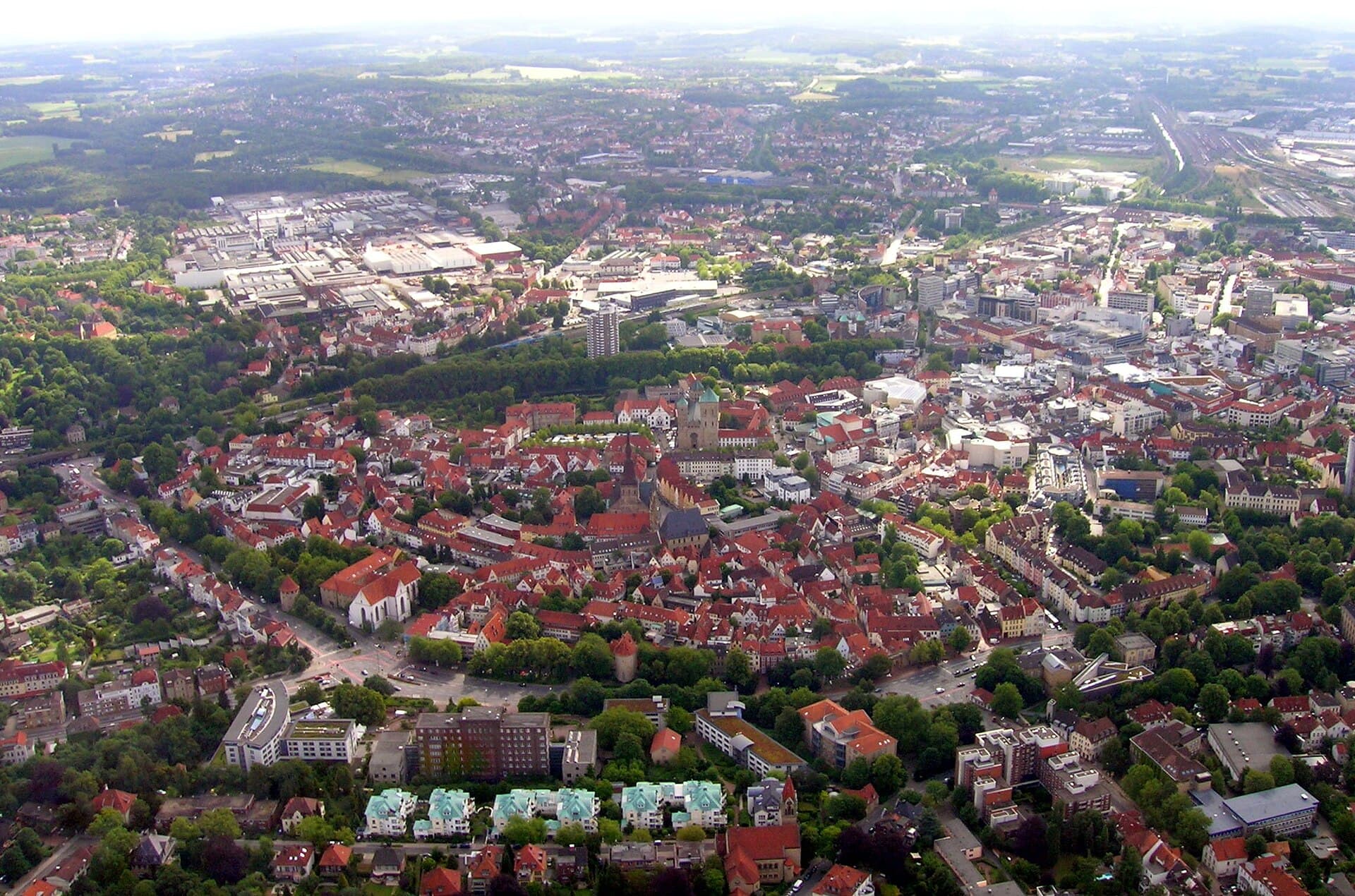 Photo of Osnabrück, via Wikimedia Commons
Tour de audio autoguiado de Oldemburgo — ruta GPS a pie, reproducción offline, narración en 32 idiomas.
“Más allá del ladrillo, una ciudad de poder sereno y sorprendente verdor.”
No las postales. Las historias que ni los locales conocen — al oído, justo donde ocurrieron.
El Lappan, una distintiva torre de ladrillo, tuvo una vez un propósito mucho más sombrío que su actual papel decorativo.
Una pequeña torre redonda cerca del Schlossgarten guarda un secreto relacionado con la pólvora y la defensa.
La casa de entramado de madera más antigua de Oldenburg contiene un detalle peculiar que apunta a una época de estricto orden social.
Descubre todos los secretos de Oldemburgo
Cada dirección, cada revelación al completo — a tu oído, justo donde ocurrió.
Eliges tus paradas. Caminas. La voz te revela lo que los demás ignoran.


Tu tour de audioguía por Oldemburgo te espera — elige tus lugares, tu idioma y empieza al llegar.
ComprarOldenburg, una ciudad en Baja Sajonia, Alemania, se despliega con una dignidad tranquila, sus edificios de ladrillo rojo y sus espacios verdes tejiendo una narrativa de herencia ducal y vida contemporánea. Esta antigua residencia de grandes duques se presenta no con una grandeza ostentosa, sino con una elegancia discreta, invitando a la exploración a un ritmo mesurado. El centro de la ciudad, en gran parte peatonal, anima a los visitantes a pasear, a observar la interacción de fachadas históricas y diseño moderno, y a descubrir los numerosos oasis verdes que salpican su tejido urbano.
Más allá de su núcleo histórico, Oldenburg se extiende en un paisaje moldeado por el agua y la agricultura, reflejando su posición en la llana llanura del norte de Alemania. El río Hunte serpentea por la ciudad, ofreciendo senderos serenos y una conexión con la región más amplia. Las instituciones educativas aportan una energía juvenil, asegurando una escena cultural dinámica que complementa sus tradiciones establecidas. Oldenburg ofrece un viaje reflexivo para aquellos que aprecian las ciudades que revelan su carácter a través de la observación cuidadosa y el compromiso sin prisas.
## De Asentamiento a Gran Ducado Los orígenes de Oldenburg se remontan a un pequeño asentamiento sobre una cresta de arena, estratégicamente ubicado donde se podía cruzar el río Hunte. La primera mención documentada de Aldenburg, o 'castillo viejo', aparece en 1108. A lo largo de los siglos, los condes de Oldenburg expandieron constantemente su influencia, estableciendo una base de poder regional. La ubicación de la ciudad en el cruce de rutas comerciales contribuyó a su crecimiento temprano, fomentando una comunidad que equilibraba las actividades agrícolas con el comercio floreciente.
## Esplendor Ducal y Fortunas Cambiantes La Casa de Oldenburg ascendió a la prominencia, con sus miembros eventualmente gobernando Dinamarca, Noruega, Suecia y partes de Rusia. En 1774, Oldenburg se convirtió en un ducado, y más tarde, en 1815, en un gran ducado, consolidando su estatus como estado independiente dentro de la Confederación Alemana. Este período vio un desarrollo arquitectónico significativo, con la construcción del Palacio Gran Ducal, el Elisabeth-Anna-Palais y la expansión del Schlossgarten. Estas estructuras reflejan las aspiraciones y sensibilidades estéticas de la familia gobernante, dejando una marca indeleble en la apariencia de la ciudad. Los grandes duques fueron mecenas de las artes y las ciencias, fomentando un ambiente cultural que sigue resonando hoy.
## Modernidad y Resiliencia Los siglos XIX y principios del XX trajeron la industrialización y la modernización a Oldenburg. La llegada del ferrocarril conectó la ciudad más estrechamente con otros centros urbanos, facilitando el comercio y el crecimiento de la población. A pesar de su importancia estratégica, Oldenburg escapó en gran medida de la destrucción generalizada de la Segunda Guerra Mundial, conservando gran parte de su arquitectura histórica. En la posguerra, la ciudad asumió su papel como centro administrativo y educativo regional. El establecimiento de la Universidad Carl von Ossietzky en 1973 consolidó aún más su reputación como centro de aprendizaje e innovación. Hoy, Oldenburg equilibra su legado histórico con una perspectiva de futuro, manteniendo su carácter único mientras se adapta a los desafíos contemporáneos.
El Schlossgarten ofrece un escape tranquilo, sus senderos serpenteantes y árboles maduros proporcionan un entorno sereno para un paseo. Adyacente, el Palacio Gran Ducal, ahora sede del Museo Estatal de Arte e Historia Cultural, invita a explorar sus opulentas salas y extensas colecciones. El Lappan, una distintiva torre de ladrillo, se erige como un hito de la ciudad. Para una inmersión más profunda en el arte regional, el Horst-Janssen-Museum exhibe las obras del renombrado dibujante y artista gráfico. El Teatro Estatal de Oldenburg presenta un variado programa de actuaciones dentro de sus históricas paredes. El Elisabeth-Anna-Palais, una elegante residencia, contribuye a la gracia arquitectónica de la ciudad. El Botanischer Garten de la universidad ofrece una diversa colección de plantas, un lugar tranquilo para la reflexión. Pasee por el centro de la ciudad peatonal, observando la mezcla arquitectónica de lo antiguo y lo nuevo, y descubra los muchos pequeños patios y espacios verdes que salpican el paisaje urbano.
Oldenburg revela sus encantos a lo largo de las estaciones. La primavera trae jardines en flor y un suave calor, ideal para explorar el Schlossgarten. El verano ofrece días más largos y eventos al aire libre, con temperaturas agradables para paseos junto al río. El otoño pinta los árboles de la ciudad con tonos cálidos, creando un telón de fondo pintoresco para la exploración urbana. Si bien los inviernos son más fríos, la ciudad adquiere una belleza tranquila, y sus museos y cafeterías brindan una calidez acogedora.
Oldenburg se navega fácilmente a pie o en bicicleta, con una red bien desarrollada de carriles bici. El centro de la ciudad es en gran parte peatonal, lo que hace que caminar sea una forma agradable de descubrir sus atracciones. El transporte público, principalmente autobuses, conecta todas las partes de la ciudad y las áreas circundantes. La estación principal de tren ofrece conexiones con las principales ciudades alemanas. Las opciones de alojamiento van desde hoteles boutique en el centro de la ciudad hasta casas de huéspedes en las afueras. Numerosos restaurantes y cafeterías satisfacen diversos gustos, con opciones de comida tradicional alemana y cocina internacional.
Oldemburgo en coreano, en chino o en hebreo — y 29 idiomas más, cada parada narrada por una voz nativa. La mayor variedad de idiomas de cualquier audioguía autoguiada.
Disponible en: