Museo MOU (Ayuntamiento de Oudenaarde)
Examina de cerca los elaborados tapices y es posible que descubras un detalle inesperado tejido en los intrincados diseños.
La historia completa se desbloquea en el tour
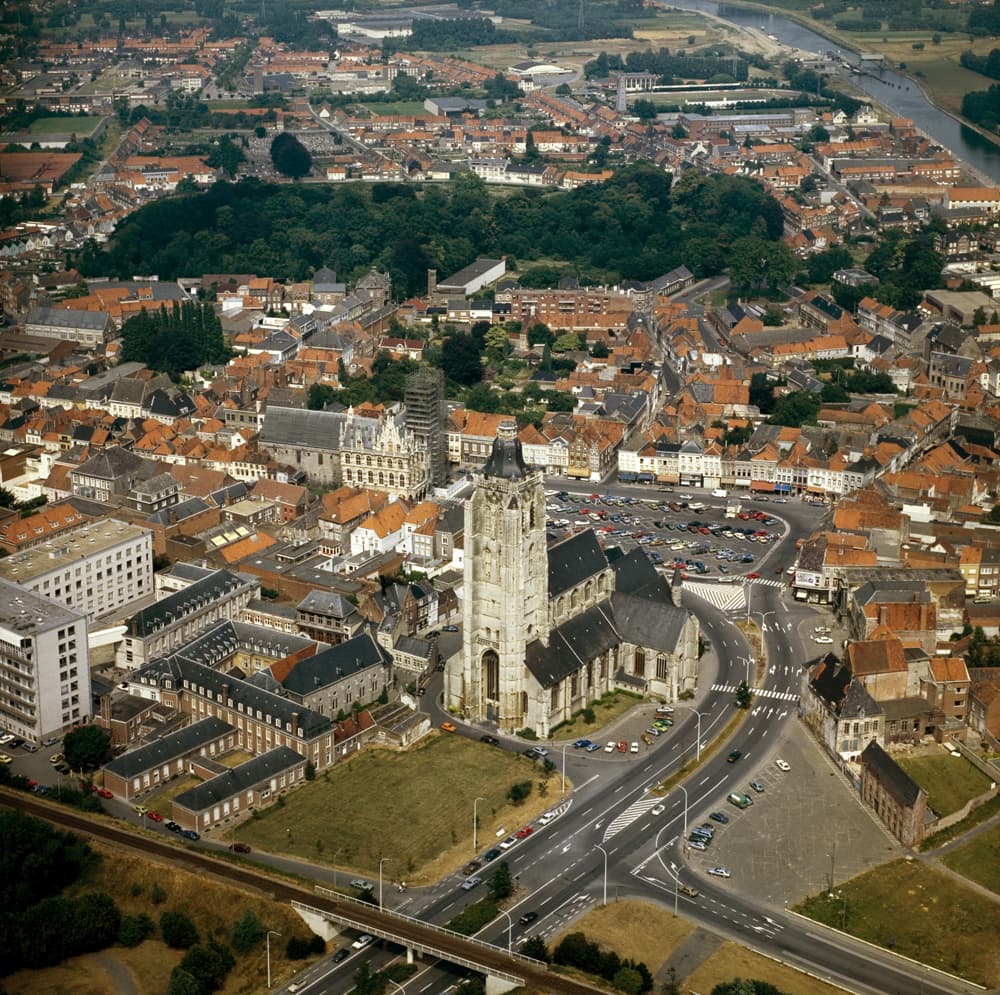 PMRMaeyaert / CC BY-SA 3.0, via Wikimedia Commons
Tour de audio autoguiado de Oudenaarde — ruta GPS a pie, reproducción offline, narración en 32 idiomas.
“Donde la grandeza medieval se encuentra con la leyenda del ciclismo.”
No las postales. Las historias que ni los locales conocen — al oído, justo donde ocurrieron.
Examina de cerca los elaborados tapices y es posible que descubras un detalle inesperado tejido en los intrincados diseños.
Un sorprendente monumento en la plaza del pueblo, que representa a una mujer afligida, conmemora no a un héroe local o un conflicto europeo, sino una expedición belga lejana y trágica.
La ornamentada fuente frente al Ayuntamiento, adornada con delfines decorativos, no fue un embellecimiento flamenco original.
Descubre todos los secretos de Oudenaarde
Cada dirección, cada revelación al completo — a tu oído, justo donde ocurrió.
Eliges tus paradas. Caminas. La voz te revela lo que los demás ignoran.


Tu tour de audioguía por Oudenaarde te espera — elige tus lugares, tu idioma y empieza al llegar.
ComprarOudenaarde, una ciudad en la provincia flamenca de Flandes Oriental, Bélgica, ofrece un viaje a través del tiempo donde la grandeza medieval se entrelaza con una apasionada cultura ciclista. Situada a lo largo del río Escalda, el nombre de la ciudad, que significa "campo antiguo" o "corte antigua", alude a sus profundas raíces históricas, que se remontan a la época romana. Antiguamente un próspero centro de fabricación de telas y célebre por sus elaborados tapices, Oudenaarde hoy invita a los visitantes a explorar su bien conservado centro histórico, caracterizado por una pintoresca arquitectura flamenca y un tranquilo paisaje ribereño.
Más allá de su belleza arquitectónica, Oudenaarde es reconocida internacionalmente como la ciudad de llegada de la prestigiosa carrera ciclista Tour de Flandes, atrayendo a entusiastas de todo el mundo. La ciudad ofrece una mezcla única de patrimonio cultural y actividades activas, desde adentrarse en el intrincado arte del tejido de tapices en el museo local hasta afrontar las icónicas subidas adoquinadas de las Ardenas flamencas. Ya sea usted un entusiasta de la historia, un aficionado al arte o un devoto del ciclismo, Oudenaarde ofrece una experiencia belga auténtica y menos transitada.
Los orígenes de Oudenaarde se remontan a un puesto avanzado romano, que más tarde evolucionó a una fortificación visigoda. La primera mención de un castillo apareció en el siglo X, y en el siglo XI, se erigieron murallas, marcando su transformación en un próspero centro comercial a lo largo del río Escalda. El asentamiento cercano de Ename, donde el emperador del Sacro Imperio Romano Germánico Otón II construyó un fuerte alrededor del 974, desempeñó un papel importante en el desarrollo temprano de la región antes de su destrucción en 1034, lo que llevó a muchos de sus habitantes a reubicarse en Oudenaarde.
Oudenaarde floreció durante la Edad Media, principalmente debido a su próspera industria de telas y tapices. Desde el siglo XV hasta el XVIII, la ciudad ganó renombre internacional por sus elaborados tapices, particularmente las 'verdures' que representaban paisajes verdes y motivos naturales. Tan significativa fue esta industria que el emperador Carlos V, un conocido admirador de los tapices, ordenó una marca de tejedor única – el escudo de armas de la ciudad con gafas – para garantizar su autenticidad y calidad. Sin embargo, la industria sufrió un declive en el siglo XV cuando muchos tejedores expertos, algunos formados en Oudenaarde, se trasladaron a otros centros como París, contribuyendo al éxito de los tapices de Gobelin.
La ubicación estratégica de Oudenaarde también la convirtió en un lugar recurrente de conflicto. A lo largo de la Edad Media, fue frecuentemente asediada en conflictos con la rival Gante. En 1708, fue el escenario de un gran enfrentamiento en la Guerra de Sucesión Española, donde las fuerzas aliadas, lideradas por el Duque de Marlborough, derrotaron decisivamente al ejército francés. La ciudad sufrió múltiples ocupaciones francesas, durante las cuales se mejoraron las fortificaciones, solo para ser destruidas nuevamente durante los asedios. El siglo XX también trajo dificultades, con daños significativos durante la Primera Guerra Mundial y la ocupación por las fuerzas nazis alemanas en la Segunda Guerra Mundial, antes de su liberación por las tropas británicas y la Resistencia local en septiembre de 1944.
En la historia más reciente, Oudenaarde ha consolidado su lugar en el escenario mundial como un centro para el ciclismo. Desde 2012, ha servido como lugar de llegada para el icónico Tour de Flandes, una de las carreras clásicas de un día más prestigiosas del ciclismo. Las Ardenas flamencas circundantes, con sus desafiantes subidas adoquinadas como el Oude Kwaremont, Paterberg y Koppenberg, atraen a ciclistas y aficionados de todo el mundo, haciendo de Oudenaarde un centro vibrante para el deporte.
Comience su exploración en el Ayuntamiento de Oudenaarde, un magnífico edificio gótico del siglo XVI con un impresionante campanario de cinco pisos, declarado Patrimonio de la Humanidad por la UNESCO. En su interior, el Museo MOU (Museo de Oudenaarde y las Ardenas Flamencas) profundiza en el patrimonio artístico y cultural de la ciudad, particularmente en sus tapices de fama mundial. El museo exhibe una colección única de estas obras de arte tejidas, incluidas las distintivas 'verdures', y destaca la historia de la ciudad y su colección de platería.
Cerca, la Iglesia de Santa Walburga, una llamativa iglesia gótica, exhibe hermosas vidrieras y obras de arte religioso. Otro sitio religioso significativo es la Iglesia de Nuestra Señora de Pamele del siglo XIII. Para los entusiastas del ciclismo, el Centro del Tour de Flandes ofrece una experiencia inmersiva en la icónica carrera, con exhibiciones y recuerdos. Incluso puede probar su propia valía en bicicletas estáticas para sentir la emoción de la carrera. Camine a lo largo del río Escalda para disfrutar de vistas panorámicas, o explore el animado Mercado de Oudenaarde un sábado por la mañana.
La época más cómoda para visitar Oudenaarde y disfrutar de un clima agradable y actividades al aire libre es durante la primavera (abril-junio) y principios de otoño (septiembre-octubre). Las temperaturas durante estos meses son suaves, oscilando entre 10°C y 21°C (50°F y 70°F), con menos aglomeraciones que en pleno verano. El verano (julio-agosto) ofrece el clima más cálido, ideal para festivales al aire libre, pero espere más turistas y precios potencialmente más altos. Aunque Oudenaarde se puede visitar durante todo el año, el invierno (noviembre-febrero) ofrece una experiencia más tranquila y económica, aunque será más frío y húmedo.
Oudenaarde es una ciudad compacta, lo que facilita su exploración a pie. La plaza principal, Grote Markt, es un punto central para muchas atracciones y restaurantes locales. La ciudad está bien conectada por el sistema de trenes belga, con una estación de tren convenientemente ubicada en la ciudad, a unos 10 minutos a pie del Ayuntamiento. Las líneas de tren directas conectan Oudenaarde con Gante (30 minutos), Bruselas (1 hora) y Kortrijk. Si planea visitar pueblos más pequeños y remotos en las Ardenas flamencas, considere alquilar un coche. El servicio de autobús local, De Lijn, también da servicio al centro de la ciudad.
El idioma oficial en Oudenaarde es el neerlandés. Las tiendas suelen abrir de 10:00 a 18:00, de lunes a sábado, y generalmente cierran los domingos. La moneda utilizada es el euro (EUR). Para cenar, el almuerzo suele ser la comida principal, servido entre las 12:00 y las 14:00, y muchos restaurantes cierran por la tarde.
Oudenaarde en coreano, en chino o en hebreo — y 29 idiomas más, cada parada narrada por una voz nativa. La mayor variedad de idiomas de cualquier audioguía autoguiada.
Disponible en: