Torre de les Hores
Esta prominente torre del reloj, que alguna vez formó parte de un castillo más grande, guarda un secreto sobre la población medieval a la que sirvió.
La historia completa se desbloquea en el tour
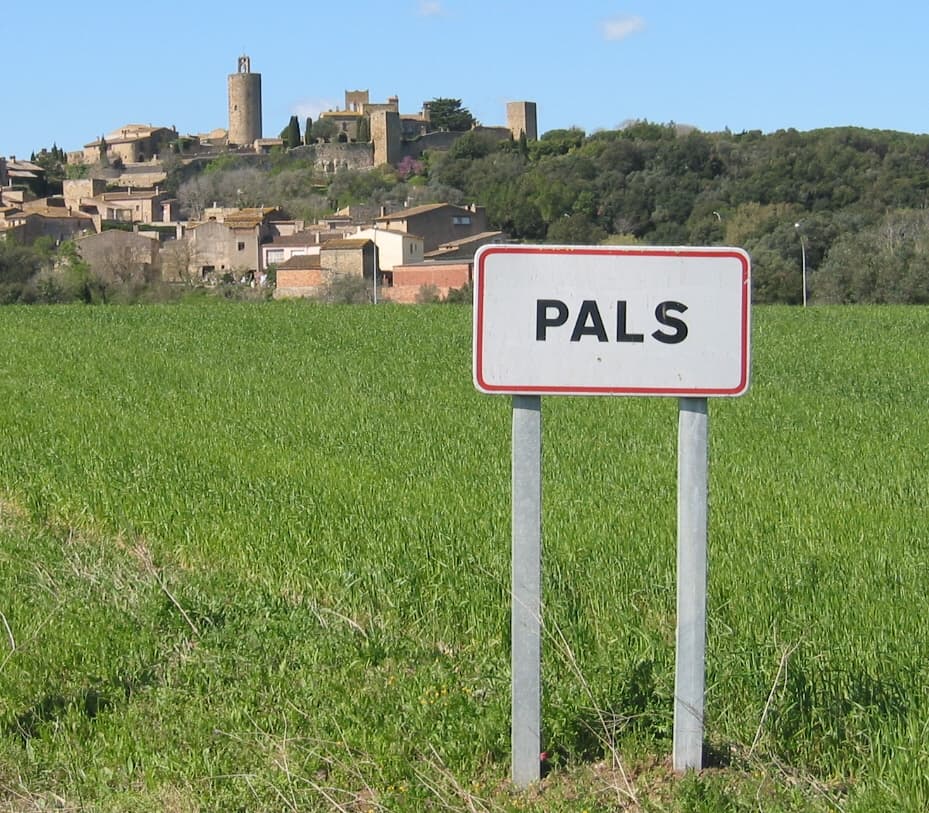 Stephen Parnell at English Wikipedia / public domain, via Wikimedia Commons
Tour de audio autoguiado de Pals — ruta GPS a pie, reproducción offline, narración en 32 idiomas.
“Piedras ancestrales evocan marismas y un espíritu perdurable.”
No las postales. Las historias que ni los locales conocen — al oído, justo donde ocurrieron.
Esta prominente torre del reloj, que alguna vez formó parte de un castillo más grande, guarda un secreto sobre la población medieval a la que sirvió.
El notable estado de la arquitectura histórica de Pals no se debe solo a su antigüedad; es gracias a una persona dedicada.
Las fértiles llanuras alrededor de Pals, ahora celebradas por su arroz, sugieren un pasado diferente, insinuado por el propio nombre del pueblo.
Descubre todos los secretos de Pals
Cada dirección, cada revelación al completo — a tu oído, justo donde ocurrió.
Eliges tus paradas. Caminas. La voz te revela lo que los demás ignoran.


Tu tour de audioguía por Pals te espera — elige tus lugares, tu idioma y empieza al llegar.
ComprarLume incluye una guía de realidad aumentada. Levanta el móvil y su cámara muestra la calle que tienes delante, con una flecha luminosa sobre la imagen real que siempre apunta a tu próxima parada — sin mapas que descifrar, sin giros equivocados. Como todo en Lume, funciona completamente sin conexión.
Pals, un pueblo medieval en la Costa Brava de España, ofrece un viaje en el tiempo con su notablemente conservado Barrio Gótico. Situado en una colina, domina amplias vistas de la llanura del Empordà circundante, el mar Mediterráneo y las distantes Islas Medes. Sus calles de piedra, casas antiguas y pintorescos arcos crean una atmósfera que se siente verdaderamente ancestral, convirtiéndolo en un destino cautivador para aquellos que buscan un ritmo más lento y una conexión con épocas perdurables.
Más allá de su núcleo histórico, Pals está rodeado de extensos campos de arroz, un paisaje distintivo que contrasta con el típico escenario de la Costa Brava. Estos campos no solo son pintorescos; son centrales para la cultura y gastronomía local, con el cultivo de arroz que se remonta a siglos. La mezcla de encanto medieval, esplendor natural y tradición culinaria del pueblo lo convierte en una parada distintiva en la región del Baix Empordà.
Los orígenes de Pals se remontan al siglo IX, con los primeros registros escritos que mencionan un castillo y una torre alrededor del año 889. El nombre del pueblo, derivado del latín 'Palus' (terreno pantanoso), refleja el paisaje histórico de estanques y marismas que alguna vez lo rodearon. A lo largo de los siglos, Pals evolucionó hasta convertirse en un pueblo medieval fortificado.
Entre los siglos XI y XIII, se construyó un castillo en el punto más alto del pueblo. Si bien gran parte de este castillo fue demolido posteriormente durante la Guerra Civil Catalana en el siglo XV, una estructura significativa perduró: la Torre de les Hores. Esta torre románica circular de 15 metros, construida sobre un podio de roca natural, se convirtió en campanario en el siglo XV y sigue siendo un hito prominente hoy en día. Las piedras del castillo desmantelado se reutilizaron para construir una muralla alrededor del pueblo en el siglo XIV, con cuatro de sus torres originales aún en pie.
La Església de Sant Pere, una iglesia con una historia que abarca más de un milenio, también exhibe una mezcla de estilos arquitectónicos, incluyendo elementos románicos, góticos y barrocos, reflejando su larga historia de construcción y reconstrucción. En 1973, Pals fue declarado oficialmente Sitio de Interés Histórico, un testimonio de sus exitosos esfuerzos de preservación, iniciados en gran parte por un médico local después de la Guerra Civil Catalana.
Comience su exploración en el Barrio Gótico, conocido como El Pedró, donde las estrechas calles de piedra y las casas antiguas invitan a pasear tranquilamente. La Torre de les Hores, una torre románica y el único vestigio del castillo original, ofrece impresionantes vistas panorámicas de la llanura del Empordà, el mar Mediterráneo y las Islas Medes desde su cima. Cerca, la Església de Sant Pere, una iglesia con más de mil años de antigüedad, muestra una cautivadora mezcla de arquitectura románica, gótica y barroca.
Pasee por la Plaça Major, una encantadora plaza donde encontrará el ayuntamiento y la oficina de turismo. No pase por alto Ca la Pruna, una casa fortificada del siglo XV que ahora funciona como centro cultural y museo, albergando exposiciones sobre vinos catalanes y una réplica de una farmacia del siglo XVIII. Más allá de las murallas del pueblo, explore los extensos campos de arroz que se extienden hacia la costa. Puede andar en bicicleta o caminar por senderos que serpentean a través de estos campos, ofreciendo una perspectiva diferente del paisaje.
Para un cambio de escenario, Platja de Pals, una larga playa de arena a solo 3 kilómetros de distancia, es ideal para tomar el sol, nadar o caminar por dunas y humedales protegidos. Desde el mirador de Josep Pla, llamado así por el reconocido escritor catalán, podrá disfrutar de amplias vistas de montañas, mar e islas.
Pals es un destino para todo el año, pero para una experiencia más agradable, considere visitarlo en primavera (mayo, junio) o principios de otoño (septiembre, octubre). Durante estos meses, el clima es agradablemente cálido, ideal para explorar las calles de piedra sin el calor intenso y las grandes multitudes de julio y agosto. Si bien el verano es animado, puede ser muy concurrido y caluroso, con temperaturas a menudo superiores a los 24 °C (75 °F). El invierno ofrece una atmósfera más tranquila y local, aunque las temperaturas son más frescas.
Eventos especiales como la siembra tradicional de arroz en junio y la Nit de les Espelmes (Noche de las Velas) en julio, donde el pueblo se ilumina con miles de velas, ofrecen experiencias culturales únicas.
Pals es fácilmente accesible en coche, aproximadamente a 50 minutos de Girona y de 1,5 a 2 horas de Barcelona. También hay autobuses diarios desde la Estació del Nord de Barcelona y Girona a Pals, aunque los servicios son menos frecuentes, por lo que es aconsejable consultar los horarios con antelación. Dentro del centro medieval, caminar es la mejor manera de explorar sus estrechas y desiguales calles de piedra.
Aunque el núcleo histórico de Pals se puede explorar en un par de horas, dedicar más tiempo le permite saborear la atmósfera, explorar tiendas de artesanía y disfrutar de la gastronomía local. Para comer, los favoritos locales incluyen Antic Casino Restaurant y El Pedró para platos tradicionales catalanes, o La Vermuteria de Can Tanet para tapas. Si visita durante la temporada alta (julio y agosto), reserve mesa en los restaurantes con antelación. Para aquellos con niños, la cercana Platja de Pals ofrece servicios familiares, y los campos de arroz ofrecen rutas para caminar o andar en bicicleta aptas para cochecitos.
Pals en coreano, en chino o en hebreo — y 29 idiomas más, cada parada narrada por una voz nativa. La mayor variedad de idiomas de cualquier audioguía autoguiada.
Disponible en: