Los cimientos del antiguo palacio de los Barones de Cruïlles y Peratallada
Durante las renovaciones en la década de 1960, los trabajadores descubrieron un secreto asombroso bajo el palacio medieval.
La historia completa se desbloquea en el tour
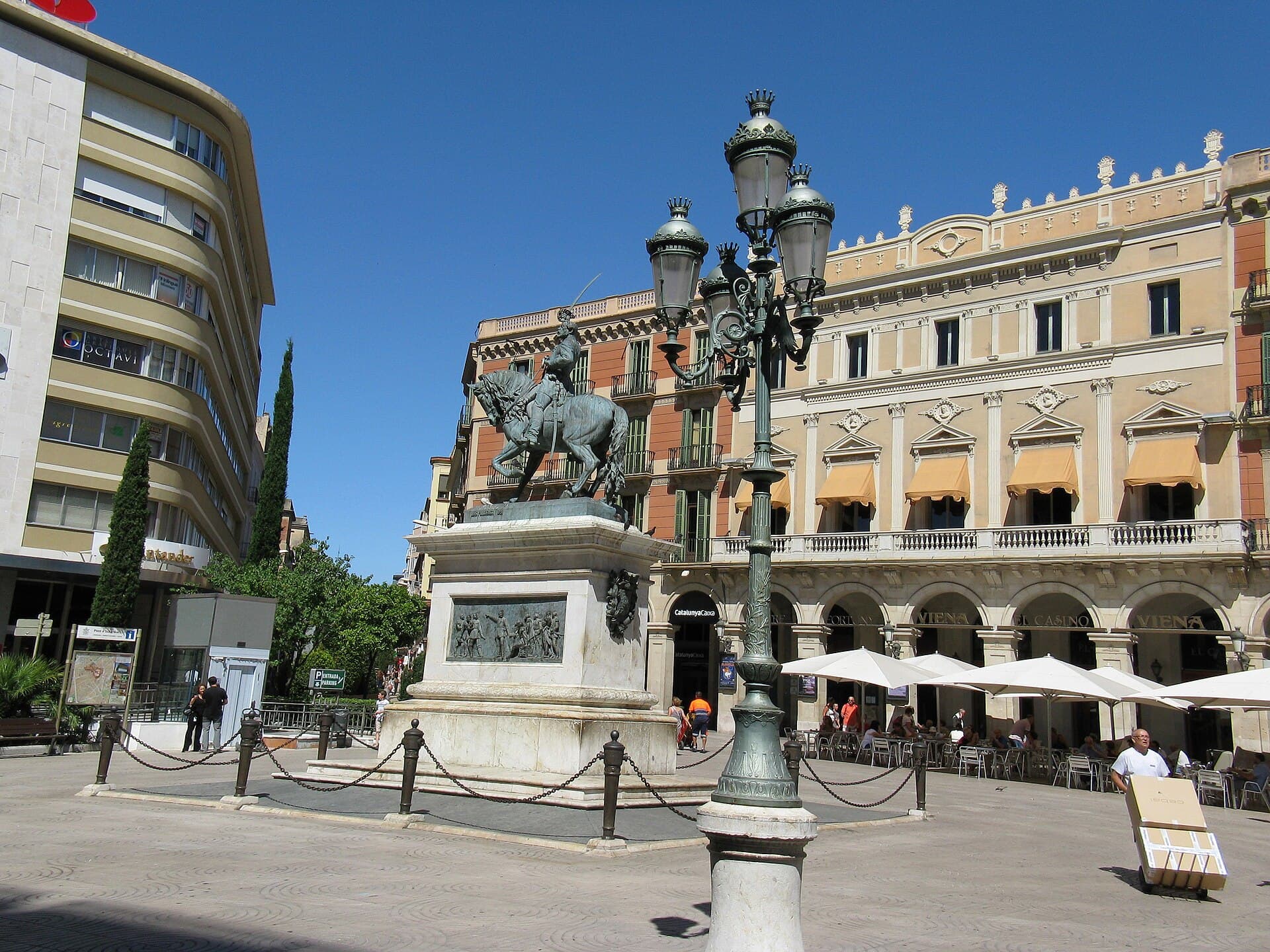 Photo of Reus, via Wikimedia Commons
Tour de audio autoguiado de Peratallada — ruta GPS a pie, reproducción offline, narración en 32 idiomas.
“Donde la piedra milenaria narra un pasado esculpido.”
No las postales. Las historias que ni los locales conocen — al oído, justo donde ocurrieron.
Durante las renovaciones en la década de 1960, los trabajadores descubrieron un secreto asombroso bajo el palacio medieval.
Esta iglesia románica, una parte significativa del legado medieval de Peratallada, se encuentra notablemente fuera de las murallas principales del pueblo.
El propio nombre del pueblo, 'Peratallada', tiene un significado literal que ilumina la ingeniosa ingeniería detrás de sus antiguas defensas.
Descubre todos los secretos de Peratallada
Cada dirección, cada revelación al completo — a tu oído, justo donde ocurrió.
Eliges tus paradas. Caminas. La voz te revela lo que los demás ignoran.

Tu tour de audioguía por Peratallada te espera — elige tus lugares, tu idioma y empieza al llegar.
ComprarLume incluye una guía de realidad aumentada. Levanta el móvil y su cámara muestra la calle que tienes delante, con una flecha luminosa sobre la imagen real que siempre apunta a tu próxima parada — sin mapas que descifrar, sin giros equivocados. Como todo en Lume, funciona completamente sin conexión.
Peratallada, un pueblo en el corazón de la región del Baix Empordà en Cataluña, ofrece un viaje tangible a la Edad Media. Declarado Conjunto Histórico-Artístico, es ampliamente considerado uno de los ejemplos más significativos y mejor conservados de arquitectura medieval en Cataluña. Su nombre, que significa 'piedra tallada', alude a la construcción única del pueblo, donde gran parte de sus estructuras defensivas y cimientos están tallados directamente en la roca arenisca natural.
Caminar por las estrechas y sinuosas calles de piedra de Peratallada es como adentrarse en un museo viviente. El pueblo es un conjunto armonioso de casas de piedra, murallas fortificadas y un formidable castillo, todo meticulosamente mantenido. Es un lugar donde cada rincón invita a la contemplación, instando a los visitantes a demorarse e imaginar los siglos de vida que se han desarrollado dentro de sus antiguos confines.
El área alrededor de Peratallada ha estado habitada desde tiempos prehistóricos, con hallazgos arqueológicos que datan de la Edad del Bronce e incluso urnas funerarias de los siglos IV al V a.C. descubiertas bajo el palacio. La historia documentada del pueblo como asentamiento medieval comienza en el siglo IX, inicialmente como una pequeña comunidad agrícola. En el siglo X, su ubicación estratégica en un promontorio rocoso y la proximidad a la Vía Augusta, una importante calzada romana, elevaron su importancia. El primer registro escrito de Peratallada, específicamente su fortaleza, data de 1065.
Durante la Edad Media, Peratallada creció significativamente como una ciudad fortificada. Su historia está profundamente entrelazada con la poderosa familia feudal de Cruïlles. En 1153, Dalmau de Peratallada fue uno de los primeros terratenientes, y el linaje ganó prestigio entre la nobleza catalana. Un momento crucial ocurrió en 1266 con el matrimonio de Gilabert de Cruïlles con Guillema de Peratallada, que unió dos influyentes casas nobles y puso el castillo y la ciudad bajo el control de la familia Cruïlles. Esta unión creó una poderosa dinastía que jugó un papel significativo en la política catalana. Las defensas del pueblo fueron continuamente mejoradas, con el castillo y las murallas de la ciudad construidas en gran parte entre los siglos XI y XIII.
Peratallada fue considerada una de las ciudades más fortificadas de Cataluña, con tres recintos amurallados y un profundo foso tallado directamente en la roca. El siglo XIV vio una recuperación económica y un prestigio continuo para la familia Cruïlles, que albergó a los Reyes de Aragón en varias ocasiones. Sin embargo, la importancia de la ciudad disminuyó en los siglos XV y XVI a medida que crecieron los centros urbanos más grandes, y sus fortificaciones cayeron en desuso. Los esfuerzos de restauración comenzaron a finales del siglo XIX y principios del XX, transformando Peratallada en el destino medieval conservado que es hoy.
Una visita a Peratallada se disfruta mejor paseando por sus calles empedradas y sin coches. Comience en la Muralla, construida entre los siglos XII y XIII, y observe su impresionante foso, excavado en la roca viva. El Portal de la Verge es la única entrada medieval que se conserva.
El Castillo-Palacio de Peratallada, una característica central, muestra estilos arquitectónicos de los siglos XI al XIV. Aunque el castillo y su palacio no suelen estar abiertos al público, su exterior es impresionante. La bien conservada Torre de l'Homenatge, coronada por almenas, se alza prominentemente dentro del recinto del castillo. Otro lugar significativo es la Iglesia de Sant Esteve, una iglesia románica del siglo XII fuera de las murallas principales, notable por su sobria fachada y un sepulcro gótico de 1348 en su interior. La Plaça de les Voltes, la plaza principal, es un pintoresco espacio porticado donde se pueden encontrar restaurantes y cafeterías. Explore las diversas torres, incluyendo la Torre de les Hores y la Torre de Planta Circular.
Peratallada es agradable durante todo el año debido a sus inviernos suaves y veranos moderados. Para disfrutar del clima más agradable y experimentar el pueblo con actividad, considere visitarlo en primavera o durante los meses de verano, excluyendo agosto, cuando puede estar bastante concurrido. Las temporadas intermedias de mayo, junio, septiembre y octubre ofrecen un clima óptimo con temperaturas entre 21°C y 28°C. Para evitar multitudes, se recomiendan los días laborables, las mañanas temprano o las últimas horas de la tarde. El pueblo también alberga varios eventos, incluyendo el Festival de las Hierbas a finales de abril, el canto de Habaneras el 27 de julio, la Fiesta Mayor el 6 y 7 de agosto, y un Mercado Medieval el primer fin de semana de octubre.
Peratallada es un pueblo sin coches, por lo que los visitantes deben planificar aparcar en uno de los dos aparcamientos de pago situados en las entradas norte y sur. Los zapatos cómodos son esenciales para transitar por las calles empedradas e irregulares. El pueblo es relativamente pequeño y se puede recorrer completamente en una mañana. Sirve como una excelente base para explorar la región más amplia del Baix Empordà y está a solo unos 12 kilómetros de las playas de la Costa Brava. El pueblo ofrece una importante selección gastronómica, con numerosos restaurantes, aunque es aconsejable consultar los horarios de apertura en temporada baja. La oficina de turismo local, situada en la Plaça del Castell, puede proporcionar mapas e información adicional.
Peratallada en coreano, en chino o en hebreo — y 29 idiomas más, cada parada narrada por una voz nativa. La mayor variedad de idiomas de cualquier audioguía autoguiada.
Disponible en: