Commercial Street
La via principale di Provincetown è nota per il suo ritmo energico, ma un tempo aveva un tipo diverso di trambusto.
La storia completa si sblocca nel tour
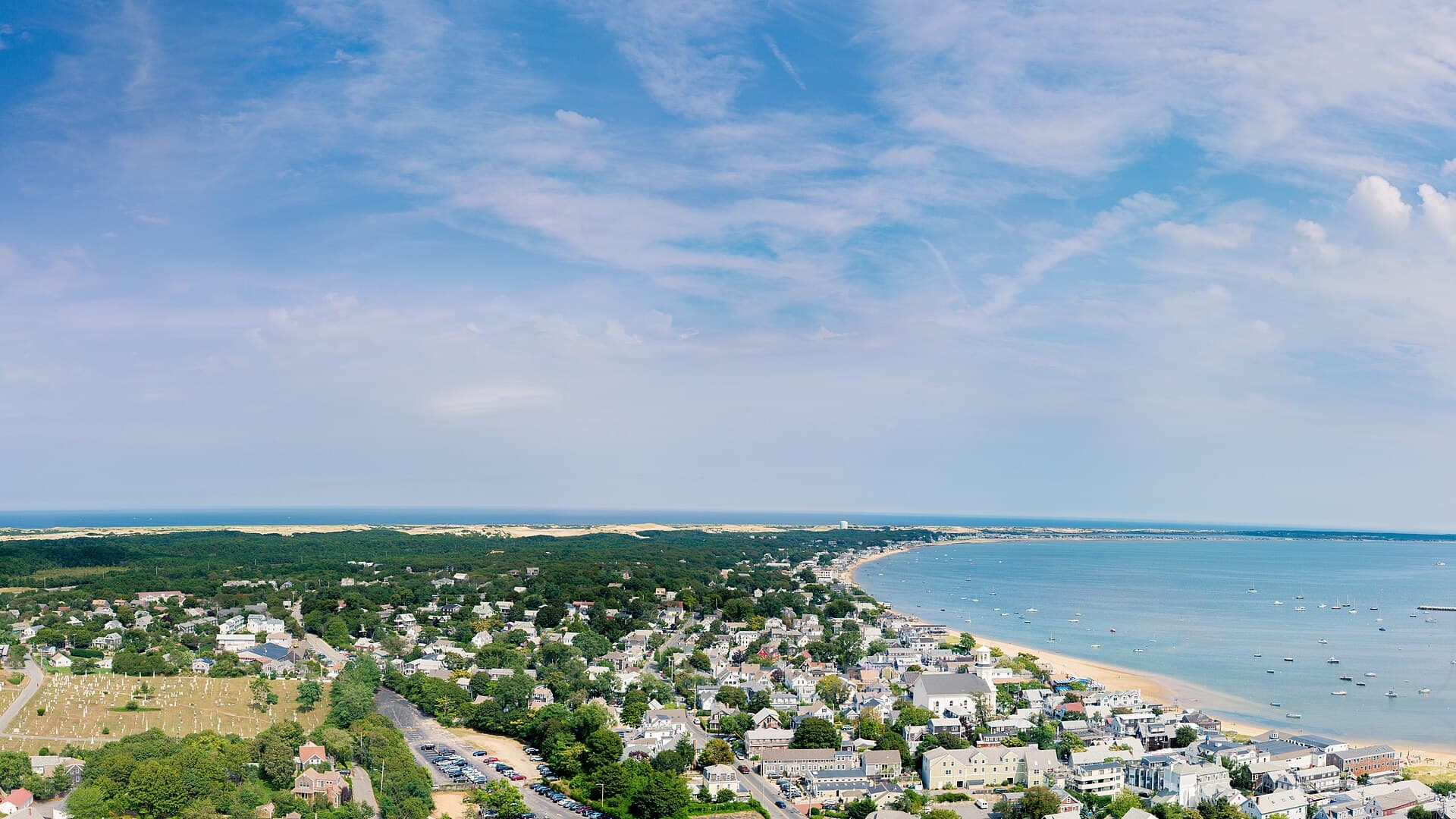 WestportWiki / CC BY-SA 3.0, via Wikimedia Commons
Tour audio autoguidato di Provincetown — percorso GPS a piedi, riproduzione offline, narrazione coinvolgente in 32 lingue.
“Ai margini del mondo, dove l'individualità trova la sua espressione più vera.”
Non le cartoline. Le storie che nemmeno i locali conoscono — sussurrate nel tuo orecchio, proprio dove sono accadute.
La via principale di Provincetown è nota per il suo ritmo energico, ma un tempo aveva un tipo diverso di trambusto.
Questi rustici rifugi sparsi tra le dune nascondono un segreto di ingegnosità e un paesaggio in evoluzione.
Mentre i falò sono generalmente proibiti sulle spiagge cittadine, esiste un'eccezione specifica che parla di un legame più profondo con la terra.
Scopri ogni segreto di Provincetown
Ogni indirizzo, ogni rivelazione completa — nel tuo orecchio, proprio dove è accaduta.
Scegli le tue tappe. Cammini. La voce rivela ciò che gli altri perdono.


Il tuo tour audio autoguidato di Provincetown è pronto — scegli i tuoi punti di interesse, seleziona la tua lingua e inizia nel momento in cui arrivi.
AcquistaLume include una guida in realtà aumentata. Alza il telefono: la fotocamera mostra la strada davanti a te, con una freccia luminosa sovrapposta all'immagine reale che punta sempre verso la tua prossima tappa — nessuna mappa da decifrare, nessuna svolta sbagliata. Come tutto in Lume, funziona completamente offline.
Provincetown, spesso chiamata 'P-town', si trova all'estremità di Cape Cod, una sottile striscia sabbiosa che si estende nell'Atlantico. Questa comunità più esterna ha a lungo attratto una folla eterogenea, dai nativi americani e i primi esploratori europei ai pescatori, artisti e alla comunità LGBTQ+. La sua posizione unica, abbracciata da mare, sabbia e cielo, contribuisce a un'atmosfera distintiva che molti descrivono come incantevole.
La città è un luogo che promuove l'individualità e la libertà di espressione, un'eredità che l'ha resa una destinazione amata dai viaggiatori LGBTQ+ e un rifugio continuo per gli artisti. Commercial Street, il vivace cuore di Provincetown, è un tratto trafficato di negozi, gallerie d'arte, ristoranti e pensioni. Oltre al vivace centro, lo splendore naturale della National Seashore, con le sue dune suggestive e le ampie spiagge, offre un tranquillo contrappunto.
Che siate attratti dal suo patrimonio artistico, dal suo spirito inclusivo o dal fascino del suo paesaggio costiero, Provincetown offre un'esperienza che si trasforma con ogni stagione, dal vivace carnevale estivo alla quieta introspezione invernale.
La storia di Provincetown inizia molto prima dell'arrivo degli europei, con le tribù Wampanoag e Nauset che abitavano l'area come cacciatori-raccoglitori e pescatori tra il 3000 e il 2000 a.C. Nel 1620, i Pellegrini approdarono per la prima volta nel porto di Provincetown, non a Plymouth, dopo il loro viaggio di due mesi attraverso l'Atlantico. Prima di sbarcare, gli uomini a bordo della Mayflower firmarono il Mayflower Compact, un documento di governo che avrebbe in seguito influenzato i Padri Fondatori. Dopo un mese di esplorazione della terra e scontri con la tribù nativa americana Pamet, i Pellegrini si trasferirono a Plymouth in cerca di acqua e suolo migliori.
Dopo la Rivoluzione Americana, Provincetown divenne rapidamente un importante centro di pesca e baleniera. I marinai portoghesi, molti provenienti dalle Azzorre, aumentarono la popolazione, dominando infine l'industria della pesca. La loro influenza rimane visibile nelle panetterie, nei ristoranti della città e nell'annuale Festa Portoghese e Benedizione della Flotta. Negli anni '90 del XIX secolo, la città prosperava, attirando scrittori e artisti accanto alla sua fiorente industria della pesca.
L'inizio del XX secolo segnò un cambiamento significativo. Nel 1899, Charles W. Hawthorne aprì la sua Cape Cod School of Painting, attirando artisti verso le dune, i moli e le navi a vela della zona. Alla Prima Guerra Mondiale, la reputazione di Provincetown come colonia artistica era saldamente consolidata, abbracciando uno stile di vita bohémien che attirava pittori, drammaturghi e poeti come Eugene O'Neill e Norman Mailer. Questa eredità artistica continua, rendendo Provincetown la più antica comunità artistica continua in America.
Negli anni '60, la lunga tradizione di tolleranza e atteggiamenti progressisti di Provincetown, unita al suo ambiente scenico, portò alla sua adozione da parte della comunità gay, consolidando il suo status di rifugio per la comunità LGBTQ+. Oggi, Provincetown mantiene il suo mix di fascino storico e sofisticazione contemporanea, continuando ad attrarre un eclettico mix di persone.
Iniziate la vostra esplorazione dal Pilgrim Monument, la più alta struttura in granito degli Stati Uniti, che commemora il primo approdo dei Pellegrini. Salite i suoi 116 gradini per godere di ampie viste su Provincetown, le dune e l'Oceano Atlantico. Passeggiate lungo Commercial Street, la vivace via principale, dove scoprirete una serie di negozi eclettici, gallerie d'arte e ristoranti. Provincetown ospita la Provincetown Art Association and Museum (PAAM), che custodisce un'ampia collezione di opere di artisti che hanno vissuto sull'Outer Cape.
Per gli amanti della natura, la Cape Cod National Seashore offre un'affascinante bellezza naturale. Esplorate il Province Lands Bike Trail, un anello asfaltato di 5,5 miglia che serpeggia tra le dune, con punti di partenza a Race Point e al Province Lands Visitor Center. Rilassatevi sulle ampie spiagge come Herring Cove Beach e Race Point Beach, preferite per prendere il sole, nuotare e godersi i tramonti. Considerate un tour di avvistamento balene dal MacMillan Pier; Provincetown è stata la prima a iniziare i tour di avvistamento balene nel New England, e la Dolphin Fleet Whale Watch finanzia la sua ricerca interamente con i biglietti.
Provincetown offre esperienze distinte durante tutto l'anno. Per le attività all'aria aperta, l'alta stagione va da fine giugno a metà settembre, con strade vivaci, spiagge attive e numerosi eventi come il Carnevale. La primavera (aprile-maggio) e l'autunno (settembre-ottobre) offrono una visita più tranquilla con clima mite, ideale per esplorare spiagge, piste ciclabili e gallerie d'arte senza la folla estiva. L'autunno è spesso considerato il preferito dai locali, con tempo piacevole e molti esercizi ancora aperti. L'inverno (novembre-marzo) offre l'esperienza più serena, perfetta per una fuga tranquilla e romantica con locande accoglienti e tranquille viste sul lungomare, sebbene alcune attrazioni potrebbero essere chiuse.
Provincetown è molto percorribile a piedi e molte località essenziali nel centro della città (che è largo 0,8 miglia) sono accessibili a piedi, in bicicletta o con la navetta. Un'auto spesso non è necessaria e può aggiungere complessità a causa dei problemi di parcheggio, soprattutto in estate. Il parcheggio a pagamento è attivo dal 1 maggio al 2 novembre, dalle 8:00 alle 24:00 tutti i giorni, inclusi fine settimana e festivi. Le opzioni includono due parcheggi custoditi (MacMillan Pier Lot e Grace Hall) e numerosi spazi numerati pagabili tramite l'app Passport Parking. Sono disponibili anche permessi stagionali per il parcheggio dei visitatori.
L'aeroporto municipale di Provincetown (PVC) si trova a due miglia a nord-ovest del centro città, offrendo voli stagionali per l'aeroporto Logan International di Boston (BOS) tramite Cape Air e JetBlue, e dall'aeroporto della contea di Westchester. Servizi di traghetto veloce sono disponibili da Boston (90 minuti) tramite Bay State Cruise Company e Boston Harbor Cruises, e da Plymouth (90 minuti) tramite Captain John Boats, offrendo un'alternativa all'auto.
Sebbene Provincetown si sforzi per l'accessibilità, alcune parti più vecchie della città presentano marciapiedi irregolari e strade ripide. Diverse strutture ricettive offrono camere e servizi accessibili ai disabili. Parcheggi accessibili, bagni, spogliatoi e sedie a rotelle da spiaggia sono disponibili presso le spiagge di Coast Guard e Herring Cove.
Provincetown — coreano, cinese, ebraico e altre 29 lingue, ogni tappa narrata da una voce madrelingua. La più ampia scelta di lingue tra i tour audio autoguidati.
Disponibile in: