Pszczyna Castle, Mirror Hall
Imagine a room so grand, its very mirrors speak of immense fortune and a sweeping vision.
Full story unlocks in the tour
 Bieniecki Piotr / CC BY-SA 4.0, via Wikimedia Commons
Self-guided audio walking tour of Pszczyna — GPS route, offline playback, story-driven narration in 32 languages.
“Where ducal splendor meets untamed wilderness.”
Not the postcards. The stories even locals don't know — whispered in your ear, right where they happened.
Imagine a room so grand, its very mirrors speak of immense fortune and a sweeping vision.
This opulent palace, far from the battlefields, unexpectedly became a central command for global conflict.
An island pavilion, once a private retreat, now offers a window into a vanished age of leisure.
Discover every secret of Pszczyna
Every address, every reveal in full — in your ear, right where it happened.
You pick your stops. You walk. The voice reveals what the others miss.
Your self-guided audio tour of Pszczyna is ready — pick your landmarks, choose your language, and start the moment you arrive.
BuyLume has a built-in augmented-reality guide. Hold your phone up and its camera shows the street ahead of you, with a glowing arrow laid over the real view that always points to your next stop — no map to puzzle over, no wrong turns. Like everything in Lume, it works fully offline.
Pszczyna, often called the 'Pearl of Upper Silesia,' is a town in southern Poland that offers a compelling blend of aristocratic history, preserved architecture, and natural beauty. Situated on the Pszczynka River within the Oświęcim Basin, it stands as a testament to centuries of shifting European power and enduring cultural identity. The town's focal point is its magnificent castle, a former ducal residence that now functions as a museum, renowned for its remarkably preserved interiors.
Beyond the castle's grandeur, Pszczyna invites exploration of its charming Old Town, characterized by historic tenements and a lively market square. The expansive Castle Park, encompassing three distinct areas, provides a serene escape with its winding paths, picturesque ponds, and diverse flora. For those seeking a unique wildlife encounter, the European Bison Reservation offers a chance to observe these majestic animals in a semi-natural habitat. Pszczyna's allure lies in its ability to transport visitors to a different era while celebrating its natural heritage, making it a distinctive destination in the Silesian Voivodeship.
Pszczyna's documented history dates back to 1303, though a settlement likely existed much earlier, strategically positioned along a main trading route between Kievan Rus and the Moravian Gate. The land of Pszczyna was initially part of Lesser Poland before becoming integral to Silesia in 1178. Over the centuries, it changed hands numerous times, ruled by various noble families and dukes, including the Piast dynasty. In 1517, the last Piast proprietor, Casimir II, Duke of Cieszyn, sold Pszczyna to the Hungarian magnate Aleksy Thurzo, who established the 'Free State of Pszczyna.' This entity, with Pszczyna as its capital, encompassed numerous villages and towns, operating directly under the Holy Roman Emperor.
The castle itself began as a ducal hillfort in the 12th century, evolving into a Gothic defensive castle by the 15th century. It withstood a Hussite siege around 1433, demonstrating its early fortifications. Significant transformations occurred under the Promnitz family, who owned Pszczyna for over two centuries from 1548. During their tenure, in the 1560s, the castle was remodeled in the Renaissance style, gaining new wings and vaulted cloisters. However, it suffered damage during the Thirty Years' War and a major fire in 1679.
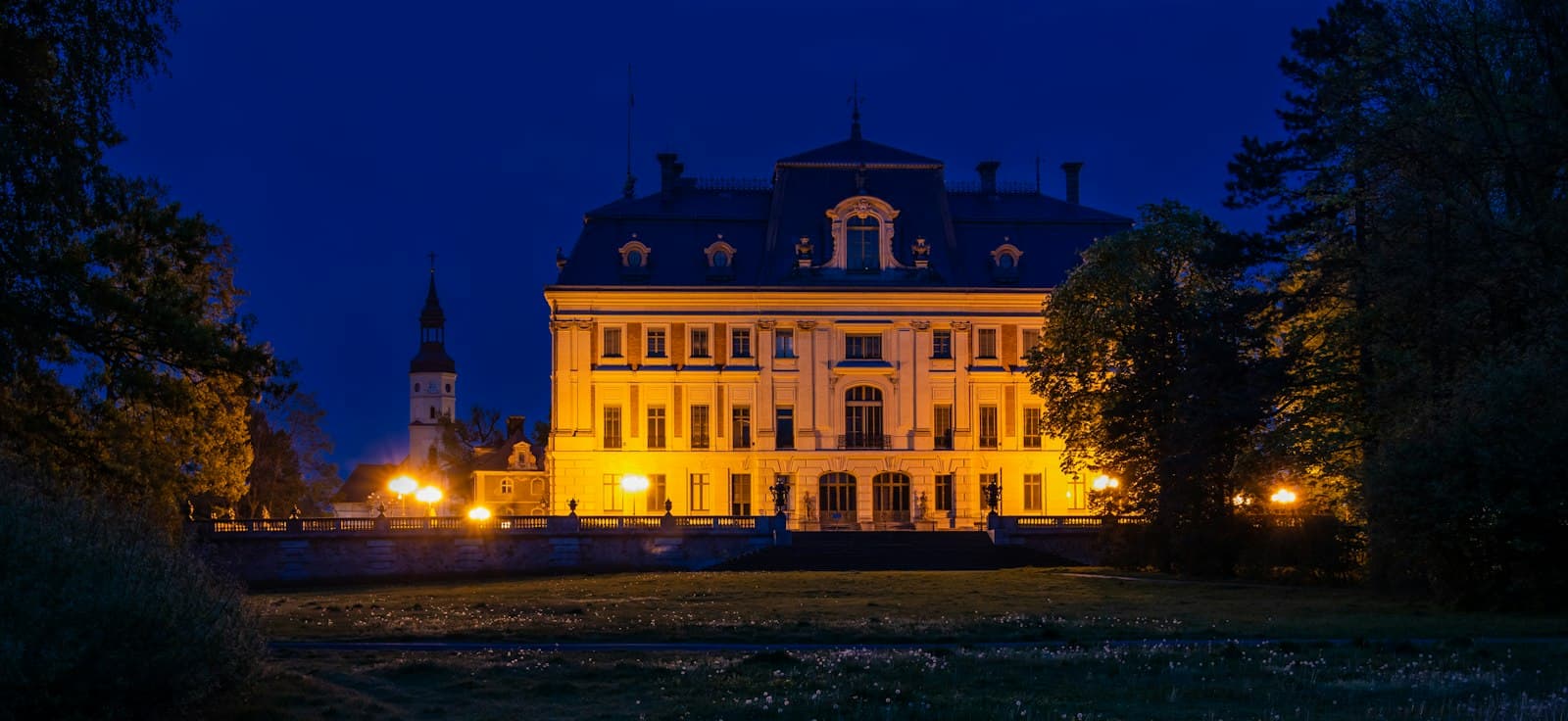
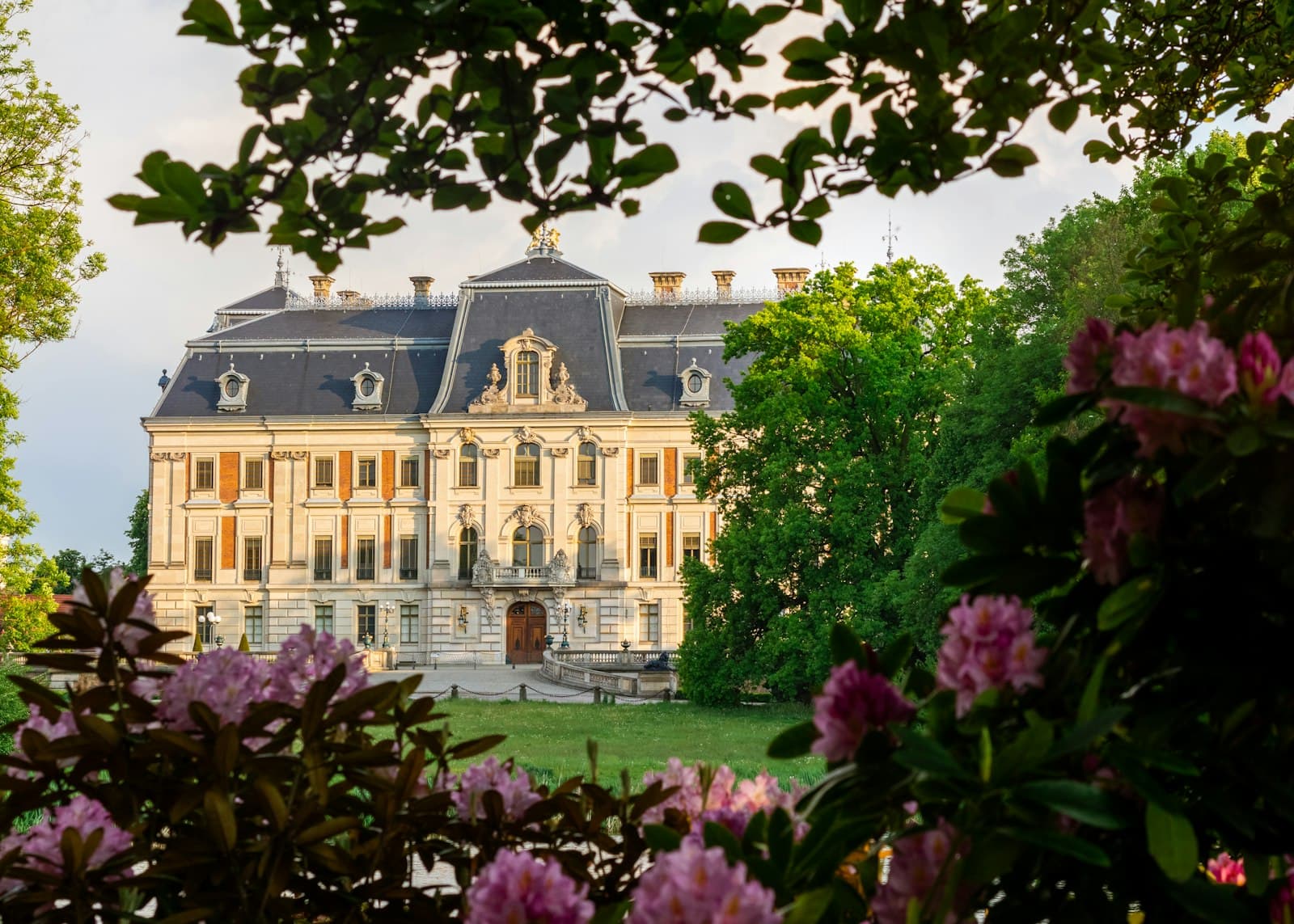
In the 19th century, Pszczyna's golden age began with the arrival of the wealthy and influential Hochberg family, also known as the Dukes of Pless. Between 1870 and 1876, Prince Hans Heinrich XI commissioned French architect Hippolyte Destailleur to transform the Baroque-Classical palace into the Neo-Baroque masterpiece seen today. This period saw the castle become a lavish hunting lodge and a center for European aristocracy, hosting Prussian kings, German emperors, and notable artists like Georg Philipp Telemann. The castle played a unique role during World War I, serving as Kaiser Wilhelm II's headquarters. After the war and the Silesian Uprisings, Pszczyna was returned to Poland in 1922. Remarkably, the castle survived World War II largely intact and was converted into a museum in 1946, preserving its authentic interiors.
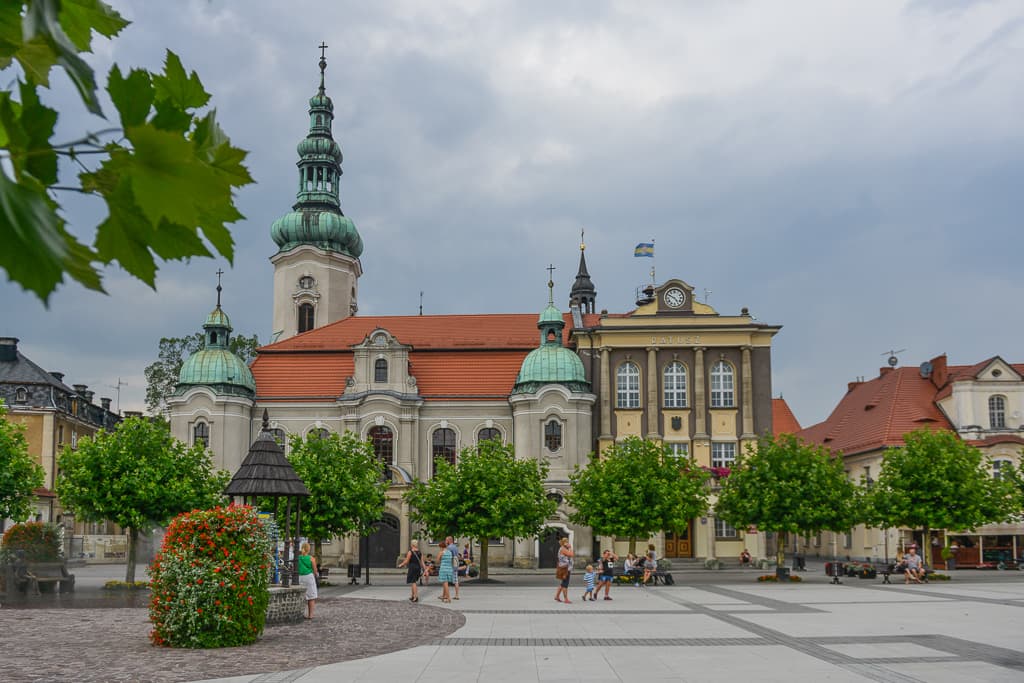
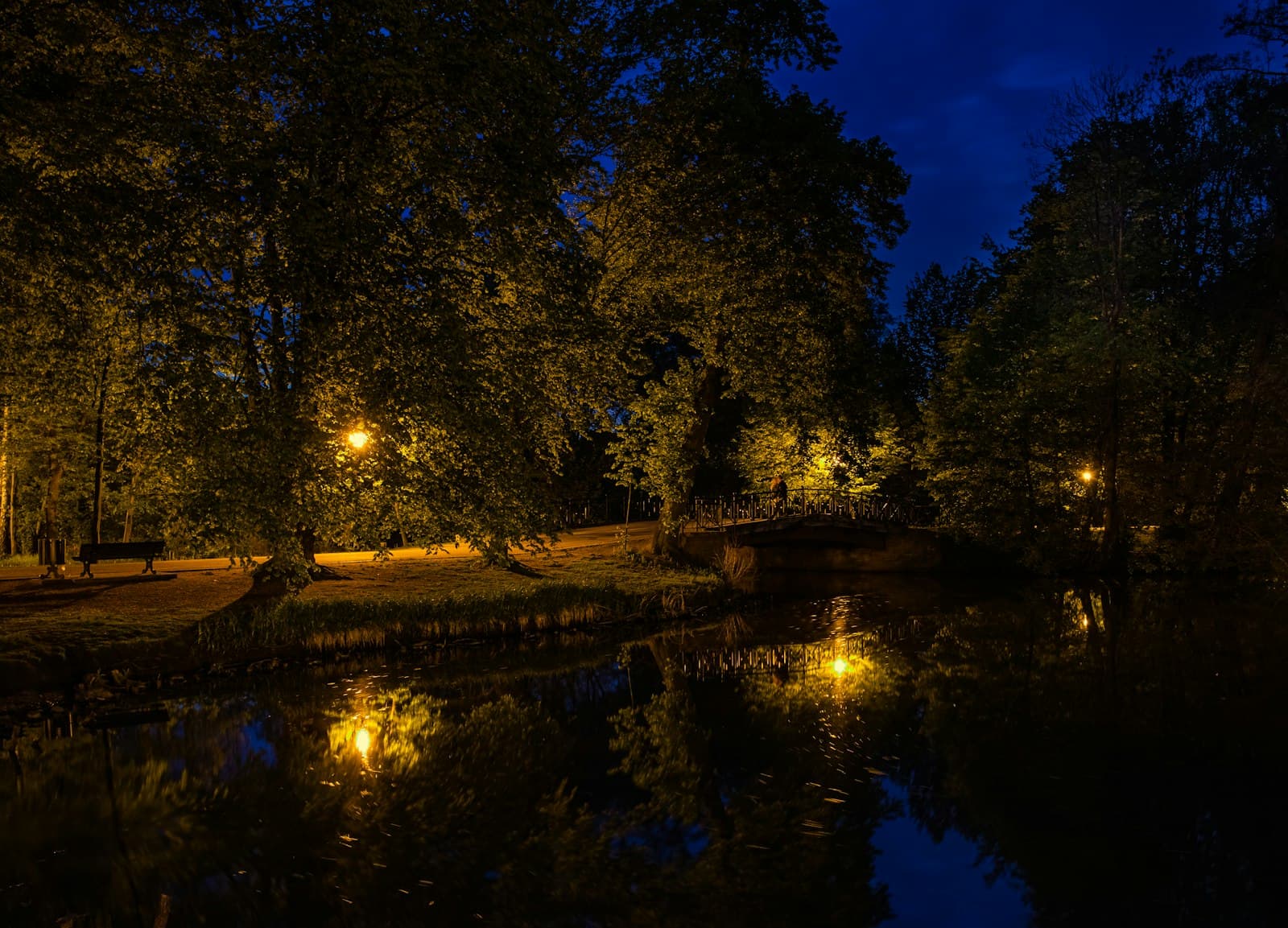
The undisputed highlight of Pszczyna is the Pszczyna Castle, a Neo-Baroque palace that houses a museum with exceptionally preserved 19th-century interiors. Wander through opulent rooms like the Mirror Hall and the private chambers of Princess Daisy von Pless. Adjacent to the castle is the sprawling Castle Park, a historic landscape garden perfect for leisurely strolls. Within the park, discover the delightful Tea Room on the Island and the impressive Princely Stables, which can be visited as part of the Castle Museum experience.
Just a short walk from the Old Town, the European Bison Reservation (Pokazowa Zagroda Żubrów) offers a chance to see these magnificent creatures, along with other local wildlife like mouflon and deer, in a natural setting. Explore Pszczyna's Market Square (Rynek), lined with historic tenements and home to the Town Hall and the Protestant Church. Do not miss the Museum of Silesian Press, a singular institution dedicated to the region's printing history. For a glimpse into traditional rural architecture, visit the Open-Air Museum (Skansen – Zagroda Wsi Pszczyńskiej), featuring historic wooden buildings.
The best time to visit Pszczyna for comfortable weather and outdoor activities is from mid-June to late August, with a peak in the second week of August. During these summer months, daytime highs average around 25°C (77°F), and July is the sunniest month. Spring (April/May) and early autumn (September/October) can also be pleasant, offering comfortable temperatures and fewer crowds, though the weather can be more unpredictable with a chance of rain. May and June are particularly recommended for seeing the castle gardens in full bloom, and you might catch the 'Daisy Days' festival.
Pszczyna is easily accessible by car, train, and bus. The nearest major airport is Katowice Airport (KTW), approximately 30 kilometers away, with train or bus connections to Pszczyna. The town center is compact and best explored on foot or by bicycle. The Tourist Information Office, located in the late Renaissance entrance gate to the Castle Museum (Gate of the Elect), provides comprehensive information on local attractions, accommodation, and trails.
When visiting the Open-Air Museum, note that tickets are cash-only. Guided tours require prior booking. Photography and filming for private use are permitted free of charge at the Open-Air Museum. The castle and park complex is a registered Historic Monument of Poland. For dining, the town offers traditional Polish cuisine at places like Frykowka, and delightful desserts at Café Dolce Vita.
Pszczyna in Korean, in Chinese or in Hebrew — and 29 more languages, every stop narrated by a native voice. The widest language range of any self-guided audio tour.
Available in: