Puente de Richmond
El puente más venerable de Australia transporta más que solo tráfico; una leyenda local de presencia espectral se aferra a sus piedras.
La historia completa se desbloquea en el tour
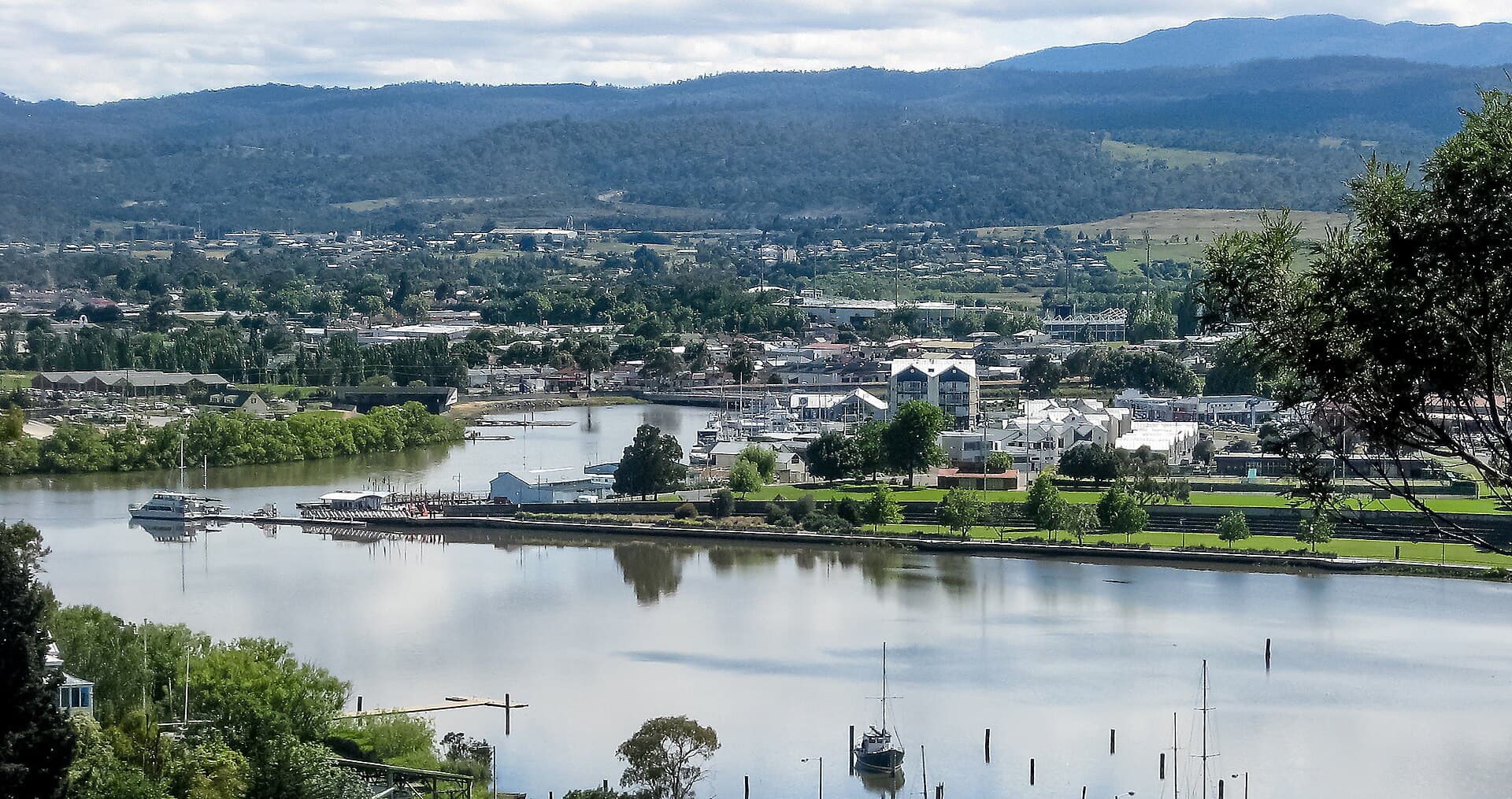 Photo of Launceston, via Wikimedia Commons
Tour de audio autoguiado de Richmond — ruta GPS a pie, reproducción offline, narración en 32 idiomas.
“Donde los ecos de la historia se encuentran con el pulso de la vida contemporánea, y cada rincón revela un nuevo descubrimiento.”
No las postales. Las historias que ni los locales conocen — al oído, justo donde ocurrieron.
El puente más venerable de Australia transporta más que solo tráfico; una leyenda local de presencia espectral se aferra a sus piedras.
Esta antigua cárcel australiana albergó una figura cuya historia de vida se cree que dio forma a uno de los villanos más memorables de la literatura.
Una de las principales arterias de Richmond transporta a los comensales a un continente diferente a través de su oferta culinaria.
Descubre todos los secretos de Richmond
Cada dirección, cada revelación al completo — a tu oído, justo donde ocurrió.
Eliges tus paradas. Caminas. La voz te revela lo que los demás ignoran.


Tu tour de audioguía por Richmond te espera — elige tus lugares, tu idioma y empieza al llegar.
ComprarRichmond, Australia, es un suburbio dinámico y culturalmente rico situado justo al este del Distrito Central de Negocios de Melbourne. Es un lugar donde la arquitectura perdurable coexiste elegantemente con la innovación contemporánea, creando una experiencia urbana distintiva. Richmond es reconocido por su atmósfera diversa, calles animadas, una próspera comunidad artística y una arraigada tradición deportiva.
El suburbio se erige como una intersección convincente, históricamente acomodando tanto a las clases adineradas como a las trabajadoras. Las tranquilas calles traseras revelan cabañas de trabajadores renovadas y antiguas fábricas reinventadas como residencias exclusivas. Su carácter permanece arraigado en su pasado industrial, su ferviente equipo de fútbol y una comunidad enérgica formada por inmigrantes griegos y vietnamitas. Las tres avenidas comerciales principales de Richmond —Victoria Street, Bridge Road y Swan Street— ofrecen cada una un ambiente único, desde exploraciones culinarias hasta moda y animadas tabernas.
La tierra ahora conocida como Richmond tiene un pasado largo y estratificado, sirviendo inicialmente como un lugar de reunión para la Nación Indígena Kulin mucho antes de la llegada europea. La ciudad de Richmond en Tasmania fue establecida a principios del siglo XIX como un puesto militar vital y estación de convictos, forjando un enlace entre Hobart y Port Arthur. Su posición estratégica en el río Coal, aproximadamente a 26 kilómetros al noreste de Hobart, impulsó la construcción del puente más antiguo de Australia en 1823, proporcionando acceso esencial para colonos y comercio. La ciudad fue designada oficialmente como municipio en 1824 y prosperó con el cultivo de trigo en la década de 1830.
Los primeros días de Richmond a menudo estuvieron marcados por una historia sombría, particularmente en lo que respecta a su papel como un importante distrito policial y la presencia de la Cárcel de Richmond, la cárcel intacta más antigua de Australia, erigida en 1825. Esta era fue testigo de la llegada de convictos, cuyas narrativas aún resuenan dentro de los muros de la cárcel. La arquitectura de la era colonial de la ciudad, con más de 50 estructuras georgianas, muchas de las cuales datan de la década de 1820, es un testimonio de este período fundacional.
En Melbourne, Richmond se transformó de un modesto centro industrial a un codiciado lugar urbano. Después de la Segunda Guerra Mundial, el suburbio experimentó un cambio significativo con la llegada de 'nuevos australianos', notablemente una sustancial población griega, que influyó profundamente en su comunidad y cultura. Esto fue sucedido por una ola de inmigrantes vietnamitas, enriqueciendo aún más el tejido cultural del suburbio, especialmente a lo largo de Victoria Street, ahora cariñosamente conocida como 'Little Saigon'. A mediados del siglo XX también se llevaron a cabo reurbanizaciones de viviendas públicas, con apartamentos de gran altura que reemplazaron viviendas más antiguas e inadecuadas. Desde finales de la década de 1960 en adelante, Richmond experimentó un período de revitalización, ya que los jóvenes reconocieron el atractivo de sus residencias victorianas y su conveniente proximidad al centro de la ciudad. Hoy en día, Richmond continúa abrazando su diversa herencia mientras evoluciona perpetuamente como un barrio dinámico y animado.
Richmond ofrece una atractiva mezcla de monumentos históricos y atracciones contemporáneas. Comience su viaje en el perdurable Puente de Richmond, el puente más antiguo de Australia, un lugar pintoresco para un paseo o una comida tranquila al aire libre. Cerca, visite la Iglesia Católica de San Juan Evangelista, la iglesia católica más antigua de la nación que aún se conserva, construida en 1837. Adéntrese en el pasado en la Cárcel de Richmond, la cárcel intacta más antigua de Australia, donde podrá explorar edificios originales y celdas de aislamiento, completas con efectos de sonido que evocan su solemne historia.
Para una experiencia singular, visite el Pooseum, un museo de ciencias dedicado a los excrementos de animales, o retroceda en el tiempo en Old Hobart Town, un pueblo modelo que recrea el Hobart de la década de 1820. Explore la encantadora arquitectura georgiana por todo el pueblo, con muchos edificios cuidadosamente restaurados que ahora albergan cafeterías, restaurantes, galerías y boutiques. No pase por alto La Tienda de Dulces de Richmond para un dulce capricho.
Más allá de su núcleo histórico, Richmond en Melbourne es un centro para la gastronomía y el comercio. Victoria Street es esencial para la auténtica cocina vietnamita, mientras que Bridge Road presenta una multitud de tiendas de moda y muebles. Swan Street es reconocida por sus excelentes restaurantes, cafeterías y una animada escena de pubs. El suburbio también está a poca distancia del principal recinto deportivo de Melbourne, incluyendo el MCG, AAMI Park y Rod Laver Arena.
Richmond, Australia, da la bienvenida a los visitantes durante todo el año, pero las estaciones de transición ofrecen el clima más agradable. La primavera (septiembre a noviembre) y el otoño (marzo a mayo) traen temperaturas más suaves, menos lluvias y son ideales para la exploración. Durante estos meses, las temperaturas diurnas promedio oscilan entre 17 °C y 25 °C (63 °F a 77 °F), perfectas para caminar y actividades al aire libre. El verano (diciembre a febrero) es cálido y agradable, con temperaturas diurnas promedio de alrededor de 20-26 °C (68-79 °F), aunque las noches pueden ser frescas. El invierno (junio a agosto) trae un clima más fresco, con temperaturas diurnas que bajan a 9-13 °C (48-55 °F), lo que requiere ropa más abrigada.
Richmond está bien conectado y es de fácil acceso. Si llega por aire, el aeropuerto principal más cercano es Melbourne (MEL), aproximadamente a 21.6 km de distancia, con varias opciones de traslado disponibles. Para el transporte público dentro de Melbourne, Richmond tiene cuatro estaciones de tren: North Richmond, West Richmond, East Richmond y Richmond, esta última sirviendo como un importante intercambiador. El suburbio también es servido por múltiples líneas de tranvía desde el CBD (12, 48, 70, 75, 109), y el tranvía 78 circula de norte a sur a través de Church Street. Los servicios de autobús también son extensos.
Si conduce, puede encontrar estacionamiento en varios aparcamientos como Richmond Traders Car Park, Coles Richmond Icon Car Park o Victoria Gardens Shopping Centre. El estacionamiento en la calle está disponible pero a menudo es de pago y está sujeto a límites de tiempo, con una aplicación diligente, especialmente durante eventos en los estadios cercanos. Considere reservar estacionamiento con antelación a través de servicios como Parkhound para opciones más fiables. La mayoría de las tiendas abren de 9 AM o 10 AM a 5 PM todos los días, con horarios extendidos los jueves y viernes. Las tarjetas de crédito y débito son ampliamente aceptadas, incluidos los pagos sin contacto.
Richmond en coreano, en chino o en hebreo — y 29 idiomas más, cada parada narrada por una voz nativa. La mayor variedad de idiomas de cualquier audioguía autoguiada.
Disponible en: