The Nut
Cette formation emblématique a une désignation originale surprenante et moins connue.
L'histoire complète se débloque dans le tour
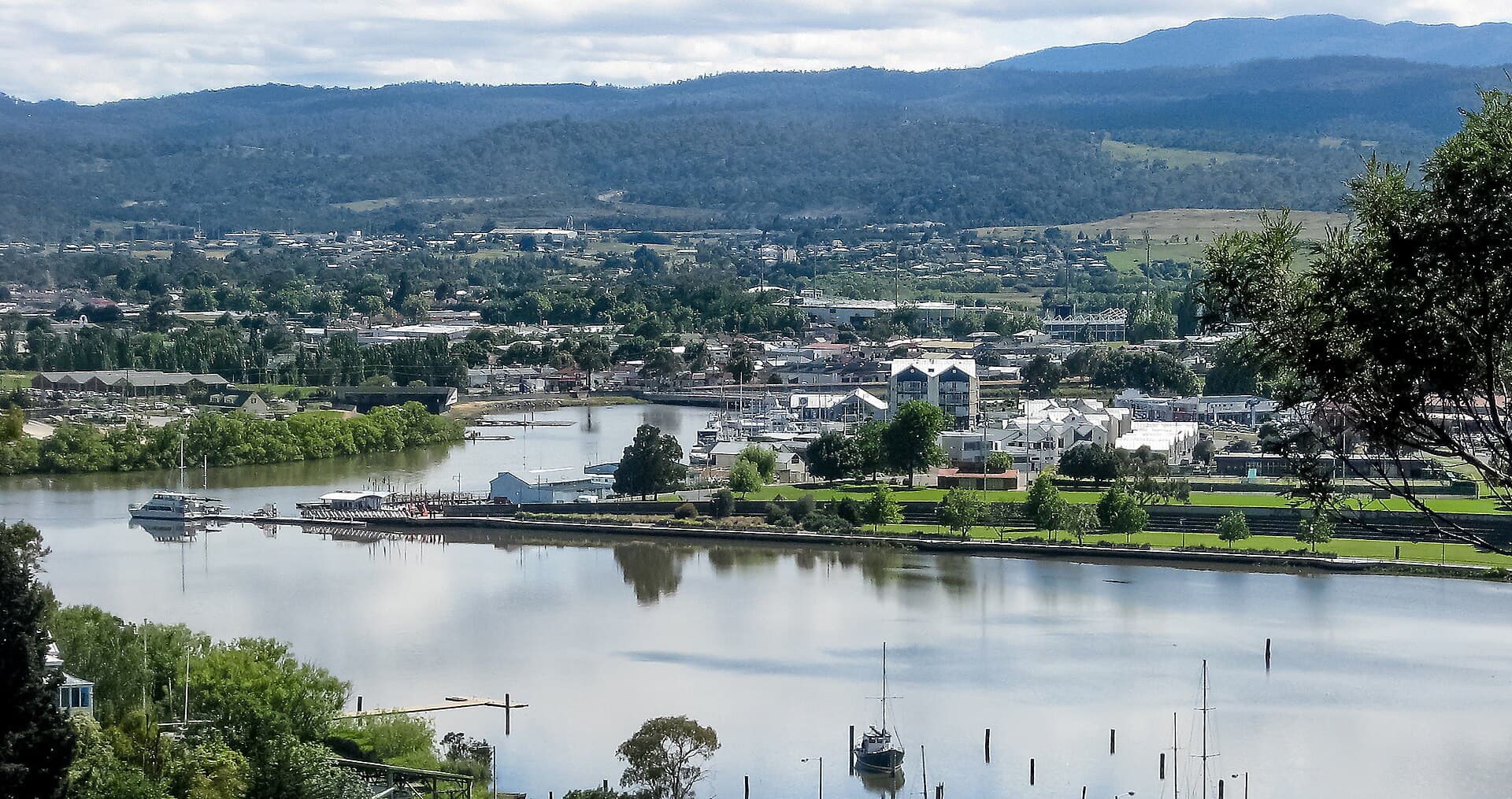 Photo of Launceston, via Wikimedia Commons
Visite audio autoguidée de Stanley — parcours GPS à pied, lecture hors ligne, narration en 32 langues.
“Là où une ancienne sentinelle volcanique veille sur une carte postale vivante au charme colonial.”
Pas les cartes postales. Les histoires que même les habitants ignorent — soufflées à l'oreille, là où elles se sont passées.
Cette formation emblématique a une désignation originale surprenante et moins connue.
La première liaison téléphonique de la Tasmanie avec le continent n'a pas été établie dans un grand centre urbain.
Ce grand domaine, témoignage de l'entreprise coloniale précoce, faisait autrefois partie d'une vision beaucoup plus vaste, ambitieuse et finalement imparfaite.
Découvrez tous les secrets de Stanley
Chaque adresse, chaque révélation en entier — dans ton oreille, là où elle s'est passée.
Tu choisis tes lieux. Tu marches. La voix te révèle ce que les autres ignorent.


Votre visite audioguidée de Stanley vous attend — choisissez vos lieux, votre langue, et lancez-vous dès votre arrivée.
AcheterLume intègre un guide en réalité augmentée. Levez votre téléphone : sa caméra montre la rue devant vous, avec une flèche lumineuse posée sur l'image réelle qui pointe toujours vers votre prochain arrêt — aucune carte à déchiffrer, aucun mauvais virage. Comme tout dans Lume, ça fonctionne entièrement hors-ligne.
Stanley, une ville captivante sur la côte nord-ouest de la Tasmanie, offre un voyage dans le temps. Encadrée par l'impressionnant piton volcanique connu sous le nom de « The Nut », la ville présente un paysage urbain colonial magnifiquement préservé qui ressemble à un musée vivant. Sa position sur une étroite péninsule s'avançant dans le détroit de Bass offre des vues côtières étendues et une connexion constante avec la mer.
Au-delà de son attrait visuel, Stanley fonctionne comme le principal port de pêche de la région, assurant un approvisionnement en fruits de mer frais. La taille compacte de la ville rend son centre historique facilement accessible à pied, permettant aux visiteurs d'explorer son mélange unique de merveille naturelle et de patrimoine architectural à un rythme tranquille.
## Les débuts et la Van Diemen's Land Company L'histoire de Stanley a commencé en 1825 lorsque la Van Diemen's Land Company, une entreprise privée britannique, a obtenu une quantité substantielle de terres dans le nord-ouest de la Terre de Van Diemen, qui comprenait la région de Stanley. Des employés anglais de la compagnie se sont installés dans la région en octobre 1826. Le site a été initialement appelé Circular Head, un nom donné par les explorateurs Bass et Flinders en 1798 lorsqu'ils ont fait le tour de la Tasmanie et ont aperçu la formation distincte maintenant connue sous le nom de The Nut. La ville a ensuite été rebaptisée Stanley en l'honneur de Lord Stanley, qui a été secrétaire d'État britannique à la Guerre et aux Colonies dans les années 1830 et 1840 et est devenu plus tard Premier ministre britannique à trois reprises.
## Croissance et développement Un port a été établi en 1827, facilitant l'arrivée de bétail, d'outils, d'artisans, de travailleurs et de condamnés assignés, ce qui était crucial pour les opérations de la compagnie. La ville a connu un développement ultérieur avec l'ouverture de sa première école en 1841 et est officiellement devenue une ville en 1842. En 1843, plus de 8 000 acres avaient été vendues ou louées à près de 70 individus. Le bureau de poste a ouvert le 1er juillet 1845, initialement connu sous le nom de bureau de poste de Circular Head jusqu'en 1882. En 1880, le premier service de diligence a relié Stanley à Burnie, améliorant les voyages et le commerce.
## Un lieu d'importance Stanley occupe une place exceptionnellement importante dans l'histoire australienne pour une ville de sa taille. C'est le lieu de naissance de Joseph Lyons, le seul Premier ministre australien né en Tasmanie, qui a servi de 1932 à 1939. Le paysage urbain colonial de la ville reste l'un des mieux préservés de Tasmanie. En 1936, un câble téléphonique sous-marin révolutionnaire d'Apollo Bay à Stanley a fourni la première connexion téléphonique de la Tasmanie au continent australien. Aujourd'hui, Stanley prospère en tant que destination touristique et port de pêche vital, reconnu pour ses bâtiments préservés et ses fruits de mer frais.
La caractéristique la plus frappante de Stanley est sans aucun doute The Nut, un piton volcanique ancien de 143 mètres de haut qui domine le paysage. Les visiteurs peuvent monter à son sommet plat par un sentier de randonnée escarpé ou un télésiège panoramique, les deux offrant des vues à 360 degrés sur le détroit de Bass, la ville et le littoral. À l'approche du crépuscule, dirigez-vous vers la plateforme d'observation des pingouins de Godfrey's Beach pour observer les petits pingouins revenir à terre. Cette plateforme accessible offre une expérience mémorable et gratuite.
Remontez le temps au site historique de Highfield, une ferme magnifiquement préservée des années 1830 qui a servi de quartier général original à la Van Diemen's Land Company. Explorez la ferme géorgienne et ses dépendances fonctionnelles. Pour une plongée plus profonde dans l'histoire locale, le Stanley Discovery Museum and Genealogy Centre offre des aperçus intrigants du passé de la région. Une promenade patrimoniale auto-guidée de Stanley vous permet d'explorer l'architecture et l'histoire de la ville à votre propre rythme. Ne manquez pas le Joe Lyons Cottage, le lieu de naissance du seul Premier ministre australien né en Tasmanie. Pour des fruits de mer locaux frais, Hursey Seafoods est une institution locale, connue pour ses langoustes et ses poissons directement du détroit de Bass.
Stanley est une destination qui offre des expériences uniques tout au long de l'année, chaque saison présentant un caractère différent. L'été (décembre à février) est la période la plus populaire, offrant des heures de clarté plus longues, des températures plus chaudes et des conditions idéales pour les activités de plein air comme la randonnée de The Nut. L'automne (mars à mai) apporte des journées plus calmes et une belle lumière, avec des feuillages changeants. L'hiver (juin à août) est plus frais et peut être sauvage, mais offre une chance de découvrir la ville avec moins de monde et de profiter d'activités intérieures confortables. Le printemps (septembre à novembre) voit les fleurs sauvages fleurir dans les landes environnantes. Quelle que soit la saison, une veste chaude est conseillée en raison des vents d'ouest forts, connus sous le nom de Quarantièmes Rugissants, qui peuvent balayer la région.
Stanley est située sur la côte nord-ouest de la Tasmanie, à environ 4,5 à 5 heures de Hobart, 2,5 heures de Launceston et 1,5 à 2 heures de Devonport (où le ferry Spirit of Tasmania accoste). Le moyen le plus pratique d'atteindre Stanley est en voiture, offrant un trajet panoramique. Pour ceux qui n'ont pas de véhicule, une connexion de bus est disponible via Burnie, avec un transfert vers le bus de la ligne 768 à destination de Smithton, qui s'arrête à Stanley. L'aéroport le plus proche est l'aéroport de Burnie/Wynyard (BWT).
Bien que le centre-ville historique soit accessible à pied, une voiture est recommandée pour explorer la région plus large, y compris le parc national de Rocky Cape, la nature sauvage de Tarkine et le parc éolien de Woolnorth. Pour de l'aide à la planification, le Stanley Visitor Information Centre, situé au 45 Main Road, propose des cartes locales, des suggestions d'activités et des services de réservation. Du carburant est disponible à Stanley à la supérette de Wharf Road, ainsi qu'à Smithton (à 18 km) et Rocky Cape (à 26 km).
Stanley en coréen, en chinois ou en hébreu — et dans 29 autres langues, chaque étape narrée par une voix native. La plus large gamme de langues de tous les audioguides autoguidés.
Disponible en :