Museo La Piscine
Antes de convertirse en uno de los museos de arte e industria más impactantes de Francia, La Piscine cumplió una función pública muy diferente, pero igualmente vital.
La historia completa se desbloquea en el tour
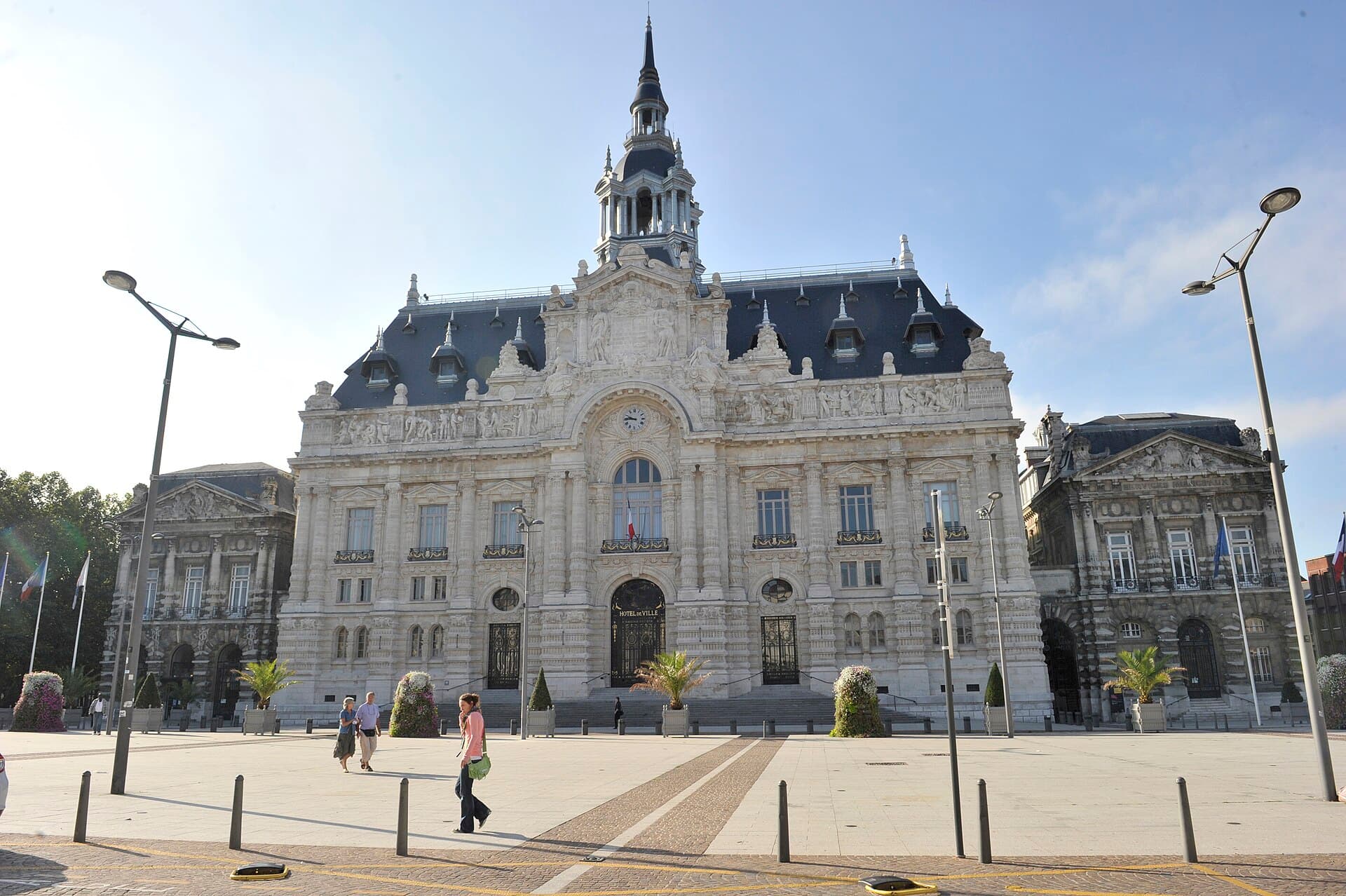 Mairie de roubaix / CC BY-SA 3.0, via Wikimedia Commons
Tour de audio autoguiado de Roubaix — ruta GPS a pie, reproducción offline, narración en 32 idiomas.
“Donde los ecos industriales se encuentran con el renacimiento artístico.”
No las postales. Las historias que ni los locales conocen — al oído, justo donde ocurrieron.
Antes de convertirse en uno de los museos de arte e industria más impactantes de Francia, La Piscine cumplió una función pública muy diferente, pero igualmente vital.
El legendario Velódromo de Roubaix, conocido por la agotadora carrera ciclista París-Roubaix, tiene una historia tan dura e impredecible como sus famosos sectores adoquinados.
Esta maravilla arquitectónica modernista, un marcado contraste con sus vecinos más tradicionales, estuvo a punto de perderse por el abandono antes de su gran resurgimiento.
Descubre todos los secretos de Roubaix
Cada dirección, cada revelación al completo — a tu oído, justo donde ocurrió.
Eliges tus paradas. Caminas. La voz te revela lo que los demás ignoran.


Tu tour de audioguía por Roubaix te espera — elige tus lugares, tu idioma y empieza al llegar.
ComprarLume incluye una guía de realidad aumentada. Levanta el móvil y su cámara muestra la calle que tienes delante, con una flecha luminosa sobre la imagen real que siempre apunta a tu próxima parada — sin mapas que descifrar, sin giros equivocados. Como todo en Lume, funciona completamente sin conexión.
Roubaix, una ciudad en el norte de Francia cerca de la frontera belga, lleva los ecos de su pasado industrial mientras abraza un futuro dinámico como centro de arte e innovación. Antiguamente capital mundial de la industria textil, lo que le valió el apodo de "Ciudad de las Mil Chimeneas", Roubaix experimentó un rápido crecimiento en el siglo XIX. Hoy, sus distintivas fábricas de ladrillo rojo y su arquitectura industrial han sido reimaginadas, albergando museos, talleres creativos y una floreciente escena de la moda.
Parte del área metropolitana de Lille, Roubaix ofrece una singular mezcla de patrimonio y cultura contemporánea. Es una ciudad que recompensa la exploración, desde sus sitios industriales reutilizados hasta su diversa oferta culinaria. La transformación de Roubaix de una potencia industrial a un centro de arte y diseño la convierte en un destino atractivo para aquellos interesados en la renovación urbana y una faceta diferente de la Flandes francesa.
## De Aldea Medieval a Titán Textil Los orígenes de Roubaix se remontan al siglo IX, apareciendo por primera vez en documentos históricos alrededor del año 863 bajo el nombre de "Villa Rusbais". Durante siglos, siguió siendo un asentamiento modesto, pero su destino comenzó a cambiar en el siglo XV cuando recibió su primera carta de fabricación para la producción de telas en 1469. Esto marcó la chispa inicial de lo que se convertiría en una floreciente industria textil.
El siglo XVIII vio a Roubaix competir ferozmente con la vecina Lille, asegurándose finalmente los mismos privilegios para fabricar una amplia gama de textiles. Esto allanó el camino para una explosión de crecimiento durante la Revolución Industrial. En la primera mitad del siglo XIX, la población de la ciudad se había triplicado a 25.000, y en vísperas de la Primera Guerra Mundial, superaba los 122.000 residentes. Roubaix se convirtió en sinónimo de producción de lana y a menudo se la llamaba "la fábrica de Francia", con talleres textiles floreciendo. El paisaje de la ciudad fue dramáticamente remodelado por esta prosperidad, caracterizado por numerosas fábricas y viviendas para trabajadores, y grandes edificios cívicos como su impresionante Ayuntamiento.
## Guerra, Declive y Reinvención Roubaix enfrentó desafíos significativos durante la Primera y la Segunda Guerra Mundial, siendo ocupada por las fuerzas alemanas. Después de la Segunda Guerra Mundial, la industria textil comenzó un período de declive debido a la competencia internacional y la automatización, lo que llevó al cierre de fábricas y a un alto desempleo en las décadas de 1970 y 1980. Esta desindustrialización impulsó a Roubaix a embarcarse en un viaje de reinvención.
Desde principios de la década de 2000, Roubaix se ha centrado en la renovación urbana y en el aprovechamiento de su patrimonio industrial para el desarrollo cultural y económico. La ciudad ha transformado muchos de sus antiguos sitios industriales en instituciones culturales y espacios creativos. Fue designada oficialmente "Ciudad de Arte e Historia" en 2001, reconociendo su patrimonio arquitectónico y su compromiso con la revitalización cultural. Hoy, Roubaix se erige como un testimonio de resiliencia, atrayendo nuevas industrias, fomentando una fuerte presencia estudiantil y desarrollando iniciativas económicas innovadoras, incluido un enfoque en el comercio minorista en línea y las empresas de TI.
Roubaix ofrece una experiencia distintiva, fusionando su pasado industrial con un vibrante presente artístico. El Museo La Piscine es un punto culminante, ubicado en una impresionante piscina Art Decó de 1932. Más allá de su entorno único, el museo exhibe diversas colecciones de artes aplicadas, bellas artes y textiles.
Otra maravilla arquitectónica es la Villa Cavrois, una mansión modernista diseñada por Robert Mallet-Stevens a principios de la década de 1930 para un industrial textil. Esta obra maestra restaurada ofrece una visión del diseño vanguardista y la vida lujosa de la época.
Para los interesados en las raíces textiles de Roubaix, La Manufacture, Museo de la Memoria y la Creación Textil es una visita obligada. Este museo, ubicado en una antigua fábrica textil, ofrece demostraciones de tejido y explora la evolución de las técnicas textiles y la vida de los trabajadores textiles.
Los entusiastas del deporte reconocerán Roubaix por su icónico Velódromo André-Pétrieux, la histórica línea de meta de la carrera ciclista París-Roubaix. Los visitantes pueden ver la pista donde han triunfado leyendas del ciclismo.
La ciudad también cuenta con La Condition Publique, un antiguo almacén industrial transformado en un centro cultural que alberga exposiciones, actuaciones y proyectos comunitarios. Explorar la arquitectura industrial de ladrillo rojo de la ciudad, a menudo reutilizada como espacios creativos o pueblos outlet, proporciona una conexión tangible con su pasado.
La época más agradable para visitar Roubaix para actividades al aire libre es desde finales de junio hasta principios de septiembre, cuando las temperaturas suelen oscilar entre 18°C y 27°C (65°F y 80°F) y los cielos están más despejados. La primavera (abril-junio) y principios de otoño (septiembre) ofrecen un clima confortable para explorar los sitios históricos y la oferta cultural de la ciudad, con menos multitudes. Los veranos traen eventos al aire libre y paseos artísticos, mientras que los inviernos son más tranquilos, aunque la ciudad permanece activa con atracciones interiores como museos.
Roubaix está bien conectada dentro del área metropolitana de Lille y con otras partes de Francia y Bélgica. La ciudad cuenta con el sistema de metro de Lille (Línea 2), autobuses y una estación de tren regional (TER). La estación de metro Gare Jean-Lebas Roubaix está convenientemente ubicada cerca del centro de la ciudad y la estación de tren, ofreciendo conexiones rápidas a Lille Flandres. Un sistema de billetes unificado, ILÉVIA, cubre los servicios de metro, tranvía y autobús. Para aquellos que llegan en avión, volar a Bruselas suele ser más conveniente que a Lille-Lesquin, con servicios de transporte disponibles al centro de Lille.
Dentro de la ciudad, el diseño compacto de Roubaix la hace transitable a pie para distancias cortas, y ofrece más de 50 kilómetros de carriles bici. El alquiler de coches también es una opción, aunque se debe considerar el tráfico y el aparcamiento. Para comer, Roubaix ofrece una escena culinaria diversa, desde brasseries francesas tradicionales que sirven especialidades locales como welsh y carbonade hasta cocina internacional, incluyendo opciones libanesas y de África Occidental.
Roubaix en coreano, en chino o en hebreo — y 29 idiomas más, cada parada narrada por una voz nativa. La mayor variedad de idiomas de cualquier audioguía autoguiada.
Disponible en: