El puente colgante
Antes de adentrarse en el corazón de Rupit, un puente se presenta como un desafío lúdico.
La historia completa se desbloquea en el tour
 raul2010 from Catalonia / CC BY-SA 2.0, via Wikimedia Commons
Tour de audio autoguiado de Rupit — ruta GPS a pie, reproducción offline, narración en 32 idiomas.
“Donde la piedra antigua guarda secretos y las cascadas fluyen.”
No las postales. Las historias que ni los locales conocen — al oído, justo donde ocurrieron.
Antes de adentrarse en el corazón de Rupit, un puente se presenta como un desafío lúdico.
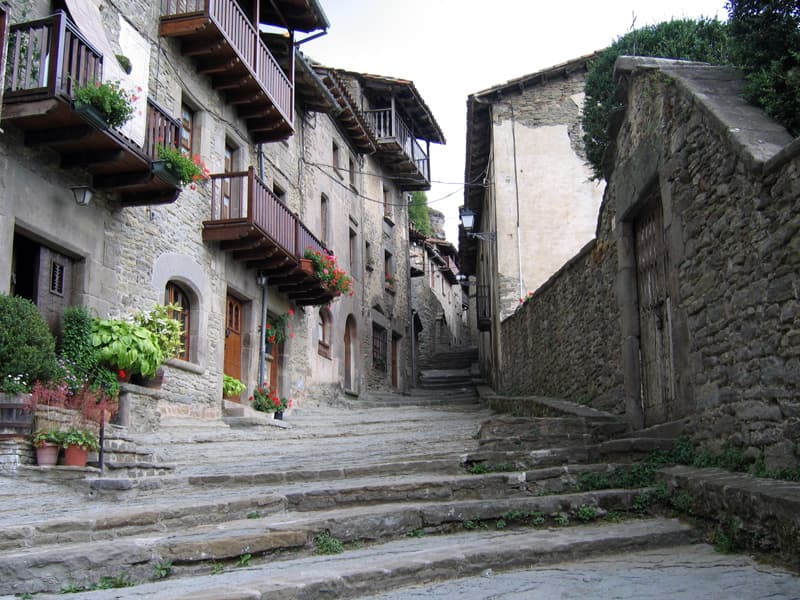
Muchas de las vías de Rupit no están pavimentadas con piedras uniformes.
Rupit es a menudo conocido como 'el pueblo de las brujas', un nombre que insinúa un pasado sombrío.
Descubre todos los secretos de Rupit
Cada dirección, cada revelación al completo — a tu oído, justo donde ocurrió.
Eliges tus paradas. Caminas. La voz te revela lo que los demás ignoran.


Tu tour de audioguía por Rupit te espera — elige tus lugares, tu idioma y empieza al llegar.
ComprarLume incluye una guía de realidad aumentada. Levanta el móvil y su cámara muestra la calle que tienes delante, con una flecha luminosa sobre la imagen real que siempre apunta a tu próxima parada — sin mapas que descifrar, sin giros equivocados. Como todo en Lume, funciona completamente sin conexión.
Rupit, un pueblo medieval en Cataluña, España, parece existir más allá del alcance del tiempo. Situado a unos 100 kilómetros al norte de Barcelona, es un lugar donde casas de piedra de los siglos XVI y XVII bordean antiguas, a menudo rocosas, vías. El pueblo forma parte del municipio de Rupit i Pruit, ubicado en la subregión de Collsacabra de Osona, a una altitud de 822 metros sobre el nivel del mar.
Rodeado de bosques frondosos, precipicios dramáticos y el arroyo Rupit, el pueblo ofrece una mezcla de carácter perdurable y esplendor natural. Su arquitectura bien conservada y su atmósfera única le han valido el reconocimiento, incluyendo la distinción de 'Poble amb Encant' (Pueblo con Encanto) de la Agencia Catalana de Turismo. Rupit invita a los visitantes a pasear por su casco histórico, cruzar su distintivo puente colgante y explorar los cautivadores paisajes que definen este rincón de Cataluña.
La historia de Rupit comienza en el año 968, con los primeros registros que mencionan la iglesia de Sant Joan de Fàbregues y su castillo. El pueblo mismo comenzó a tomar forma alrededor del castillo de Rupit en el siglo XII. Este nuevo castillo reemplazó una estructura más antigua en Fàbregues, y a medida que los colonos construyeron sus casas cerca, la comunidad se expandió.
Las familias nobles desempeñaron un papel significativo en el desarrollo de Rupit, encargando una nueva iglesia, Sant Miquel, cerca de sus residencias, que finalmente se convirtió en la iglesia parroquial. Aunque a menudo se describe como un asentamiento medieval, la mayoría de las casas visibles hoy en Rupit fueron construidas en el siglo XVII de estilo barroco. Los siglos XVII y XVIII marcaron un período de considerable prosperidad para la ciudad. Estas casas de piedra a menudo muestran el año de su construcción y los nombres de sus fundadores, junto con ventanas esculpidas y balcones de madera.
En 1959, el municipio fue oficialmente nombrado Rupit, y en 1977, la aldea de Pruit se unió al pueblo de Rupit, formando el actual municipio de Rupit i Pruit. A pesar de su ubicación aislada, Rupit ha adoptado el turismo como medio de crecimiento económico, invitando a los visitantes a experimentar su singular atractivo y patrimonio conservado.
Para absorber verdaderamente Rupit, comience cruzando el conocido puente colgante, una estructura de 28 metros construida en 1945 y renovada en 1994, que sirve como entrada peatonal principal al pueblo. Una vez al otro lado, deambule por el centro histórico, donde casas de piedra de los siglos XVI al XVIII bordean caminos tanto pavimentados como naturalmente rocosos. Observe las fechas de construcción y los nombres de los fundadores originales grabados en muchas fachadas.
Los principales puntos de interés arquitectónico incluyen la Iglesia de Sant Miquel, de estilo barroco, que ofrece vistas del pueblo desde su campanario. Cerca, encontrará la Plaza Mayor y la Plaza Cavallers, ambos lugares evocadores. No pase por alto la calle Fossar, un sendero de piedra antiguo y empinado considerado una de las secciones más rústicas del municipio. En su cima se encuentran los restos del Castillo de Rupit, construido alrededor del año 1000 en un promontorio rocoso. Otras viviendas artesanales históricas, como la casa del boticario, la notaría Soler y la antigua fragua del herrero, también ofrecen una visión del pasado del pueblo.
Más allá del pueblo, un sendero conduce a la Cascada de Sallent, la cascada más alta de Cataluña con una caída de más de 90 metros, particularmente impresionante durante la temporada de lluvias. La Ermita de Santa Magdalena, una ermita de estilo barroco del siglo XVII, también es accesible a través de un estrecho sendero desde la iglesia, ofreciendo vistas panorámicas.
Rupit ofrece disfrute durante todo el año, pero proporciona experiencias distintas según la estación. Para un clima agradable y condiciones óptimas para el senderismo, considere una visita entre mayo y octubre. La primavera (abril y mayo) es especialmente recomendable para presenciar la Cascada de Sallent en su momento más voluminoso debido al aumento de las lluvias. El otoño (septiembre a noviembre) también trae un clima templado y hermosos paisajes naturales. Mientras que los veranos son cálidos, los inviernos pueden ser fríos. Para un ambiente festivo, visite durante la Navidad para experimentar el belén viviente del pueblo, o a finales de septiembre para la Fiesta Mayor de Rupit.
Rupit se encuentra a unos 100 kilómetros de Barcelona, un viaje que suele durar entre 1,5 y 2 horas en coche. No está permitido conducir dentro del pueblo, por lo que los visitantes deben aparcar en el aparcamiento exterior de la entrada y explorar a pie. Hay un puesto de información turística cerca de la entrada, donde se puede obtener un mapa de la zona.
Las opciones de alojamiento en Rupit incluyen hoteles rurales, casas de huéspedes y alquileres vacacionales; se recomienda reservar con antelación, especialmente durante las temporadas altas. Aunque conocer algunas frases básicas en español o catalán puede ser útil, muchas personas en la industria turística hablan inglés. El pueblo ofrece una variedad de tiendas que venden artesanías locales y comida tradicional catalana, como fuets (embutidos curados) y ratafía (un licor dulce). La oficina de turismo organiza visitas guiadas por el centro histórico durante la primavera y el verano.
Rupit en coreano, en chino o en hebreo — y 29 idiomas más, cada parada narrada por una voz nativa. La mayor variedad de idiomas de cualquier audioguía autoguiada.
Disponible en: