Mina de Plata de Sala
Imagina pasar una noche 155 metros bajo tierra, en completo silencio y oscuridad, rodeado de roca milenaria.
La historia completa se desbloquea en el tour
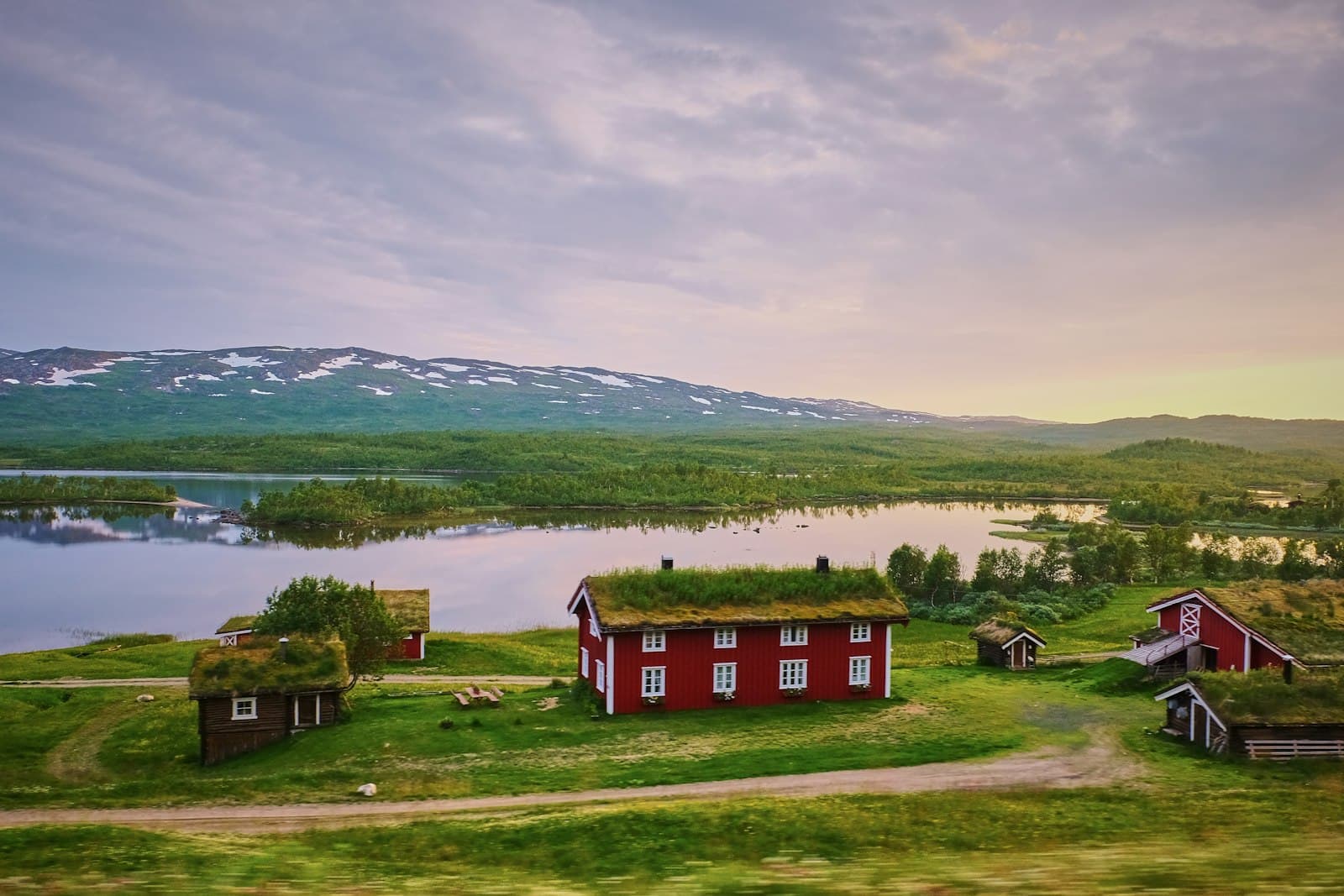 Photo: Jessica Pamp / Unsplash
Tour de audio autoguiado de Sala — ruta GPS a pie, reproducción offline, narración en 32 idiomas.
“Donde las vetas de plata corren profundas y la historia resuena en la piedra.”
No las postales. Las historias que ni los locales conocen — al oído, justo donde ocurrieron.
Imagina pasar una noche 155 metros bajo tierra, en completo silencio y oscuridad, rodeado de roca milenaria.
Observa de cerca las paredes de la iglesia parroquial de Sala y podrías descubrir una reliquia de una era mucho más antigua.
La ordenada disposición del centro de la ciudad de Sala no es accidental; es una declaración real deliberada.
Descubre todos los secretos de Sala
Cada dirección, cada revelación al completo — a tu oído, justo donde ocurrió.
Eliges tus paradas. Caminas. La voz te revela lo que los demás ignoran.

Tu tour de audioguía por Sala te espera — elige tus lugares, tu idioma y empieza al llegar.
ComprarLume incluye una guía de realidad aumentada. Levanta el móvil y su cámara muestra la calle que tienes delante, con una flecha luminosa sobre la imagen real que siempre apunta a tu próxima parada — sin mapas que descifrar, sin giros equivocados. Como todo en Lume, funciona completamente sin conexión.
Sala, una cautivadora ciudad en la región de Västmanland en Suecia, te invita a un viaje a través del pasado industrial del país y hacia sus serenos paisajes naturales. Con una población de aproximadamente 13,000 habitantes, Sala mantiene una atmósfera acogedora, definida por su arquitectura tradicional y una profunda conexión con sus bosques, lagos y tierras de cultivo circundantes.
En su corazón, la identidad de Sala está entrelazada con su histórica mina de plata, que alguna vez fue una de las principales productoras de plata del mundo. Este legado perdurable sigue atrayendo a visitantes, ofreciendo distintivos recorridos subterráneos y una ventana a siglos de historia minera. Más allá de la mina, la ciudad presenta una mezcla de patrimonio cultural y recreación al aire libre, lo que la convierte en un destino ideal para quienes buscan una experiencia sueca más tranquila lejos de los principales centros metropolitanos.
Sala es fácilmente accesible en tren desde ciudades más grandes como Estocolmo y Västerås, lo que la convierte en una conveniente excursión de un día o una base para la exploración regional. Ya seas un entusiasta de la historia, un amante de la naturaleza o simplemente busques una atmósfera relajada de pueblo pequeño, Sala te invita a descubrir su carácter único.
La historia de Sala es, en esencia, la historia de su plata. Aunque el área muestra rastros de actividad humana desde la Era Vikinga y antes, el desarrollo significativo de la ciudad comenzó verdaderamente con el descubrimiento de la plata. Se cree que la extracción de plata en la región comenzó tan temprano como a fines del siglo XV, con la primera carta oficial para la Mina de Plata de Sala emitida en 1512 por el Regente Sten Sture el Joven.
Las décadas de 1530 y 1540 marcaron un período de inmensa prosperidad para la mina, con la producción alcanzando su punto máximo bajo el rey Gustavo Vasa. La producción de la mina fue tan vital para la Corona sueca que fue célebremente apodada el 'Tesoro del Reino', proporcionando una parte significativa de los ingresos nacionales y desempeñando un papel crucial en la financiación de la independencia y el crecimiento económico de Suecia. Durante este tiempo, la mina produjo la asombrosa cantidad de 450 toneladas métricas de plata y 40,000 toneladas métricas de plomo.
Reconociendo la creciente importancia de la comunidad minera, el rey Gustavo II Adolfo otorgó a Sala privilegios de ciudad en 1624. Este decreto real también ordenó la reubicación de la ciudad desde su asentamiento minero original y desestructurado a su sitio actual, a poca distancia de la mina misma. El nuevo plan urbano fue una aplicación deliberada de los ideales renacentistas, presentando una estricta cuadrícula de calles rectangulares que permanece en gran parte intacta hoy en día. La plaza del mercado, Stora Torget, se convirtió en el centro neurálgico, rodeada de barrios administrativos y comerciales.
Durante más de 500 años, la Mina de Plata de Sala permaneció en operación continua, un testimonio de su valor perdurable. La mina se expandió significativamente a lo largo de los siglos, alcanzando una profundidad de más de 300 metros y contando con una red de más de 20 kilómetros de túneles. Pozos clave, como el pozo de la Reina Cristina a mediados del siglo XVII y el pozo de Carlos XI, profundizado a 318 metros en la década de 1830, marcaron períodos de renovada explotación y avance tecnológico.
Aunque la minería principal de plata cesó en 1908, y la última parte de la mina cerró en 1962, su legado perdura. En 1988, la Mina de Plata de Sala reabrió como museo y atracción turística, permitiendo a los visitantes explorar sus cámaras históricas y aprender sobre las vidas de los mineros. Hoy en día, Sala continúa honrando su pasado mientras abraza su presente como un eco-municipio, centrándose en el desarrollo sostenible y ofreciendo una mezcla de inmersión histórica y belleza natural.
Sala ofrece una cautivadora mezcla de sitios históricos y belleza natural. La pieza central innegable es la Mina de Plata de Sala (Sala Silvergruva), uno de los entornos mineros mejor conservados del mundo. Aquí, puedes descender a los profundos y sinuosos túneles en visitas guiadas, explorar cámaras mineras históricas e incluso experimentar la oportunidad única de dormir en la habitación de hotel más profunda del mundo, a 155 metros bajo tierra.
Sobre tierra, el área de la mina cuenta con un Museo Minero y el Pueblo Minero de Sala, que ofrecen más información sobre la historia de la mina y las vidas de quienes trabajaron allí. El centro de la ciudad en sí es una zona encantadora para explorar, con su diseño de estilo renacentista y casas del siglo XVIII bien conservadas a lo largo de la calle Magasinsgatan. Visita Stora Torget, la plaza del pueblo, que sirve como corazón de la vida urbana y alberga mercados.
Para un toque de arte y cultura, visita el Museo Aguéli, dedicado al reconocido artista local Ivan Aguéli, que alberga la colección más grande conocida de su obra. La Iglesia Parroquial de Sala también merece una visita, con su significado histórico y el intrigante detalle de una piedra rúnica vikinga incorporada en sus paredes.
Más allá de la ciudad, la región circundante de Västmanland ofrece pintorescas rutas de senderismo, lagos y paisajes naturales para actividades al aire libre. Considera una visita a Sätra Brunn, un histórico balneario conocido por sus aguas curativas.
Sala experimenta estaciones distintas, cada una ofreciendo un encanto diferente. Para actividades de clima cálido y una exploración cómoda de la ciudad y la mina, la mejor época para visitar es desde finales de junio hasta mediados de agosto, cuando las temperaturas son suaves y las horas de luz son largas. El verano es temporada alta, así que espera más visitantes.
La primavera (abril-mayo) y el otoño (septiembre-octubre) ofrecen un clima más suave, paisajes en flor o hermosos follajes otoñales, y una atmósfera más tranquila con menos multitudes. Los inviernos (diciembre-febrero) son fríos y nevados, proporcionando una atmósfera acogedora y oportunidades para deportes de invierno en la región circundante, aunque los tours subterráneos de la mina están disponibles durante todo el año. Recuerda que la mina misma mantiene una temperatura fresca constante de 2-5°C, por lo que la ropa abrigada es esencial independientemente de la temporada si planeas ir bajo tierra.
Sala es una ciudad compacta y transitable a pie, lo que facilita la exploración de los principales lugares de interés del centro de la ciudad. Para llegar a la Mina de Plata de Sala, que está a unos 2,5 km del centro, o para explorar las afueras, los autobuses locales VL (Västmanlands Lokaltrafik) o las bicicletas de alquiler son buenas opciones. Los taxis están disponibles pero son más caros, y es aconsejable reservar con antelación.
Sala está bien conectada por tren, con rutas directas desde Estocolmo (aproximadamente 1,5 horas) y Uppsala (unos 40 minutos). El aeropuerto principal más cercano para viajeros internacionales es el Aeropuerto de Estocolmo Arlanda (ARN), a unos 80 km de distancia, con buenas conexiones ferroviarias a Sala.
La moneda local es la Corona Sueca (SEK). Como gran parte de Suecia, Sala es en gran medida una sociedad sin efectivo, con tarjetas de crédito y débito ampliamente aceptadas. Algunos establecimientos pueden incluso ser "solo tarjeta", por lo que depender de tu tarjeta es generalmente seguro, aunque una pequeña cantidad de efectivo puede ser útil para compras menores.
Al visitar la mina de plata, vístete con varias capas de ropa abrigada y usa zapatos resistentes y cerrados, ya que la temperatura subterránea es constantemente fresca y el terreno puede ser irregular. Para viajes en general, las capas y una chaqueta impermeable son siempre una opción inteligente debido al clima cambiante de Suecia.
Sala en coreano, en chino o en hebreo — y 29 idiomas más, cada parada narrada por una voz nativa. La mayor variedad de idiomas de cualquier audioguía autoguiada.
Disponible en: