La Casa de los Siete Tejados
La famosa novela de Nathaniel Hawthorne dio nombre a una mansión histórica, pero la casa en sí ofrece más que solo inspiración literaria.
La historia completa se desbloquea en el tour
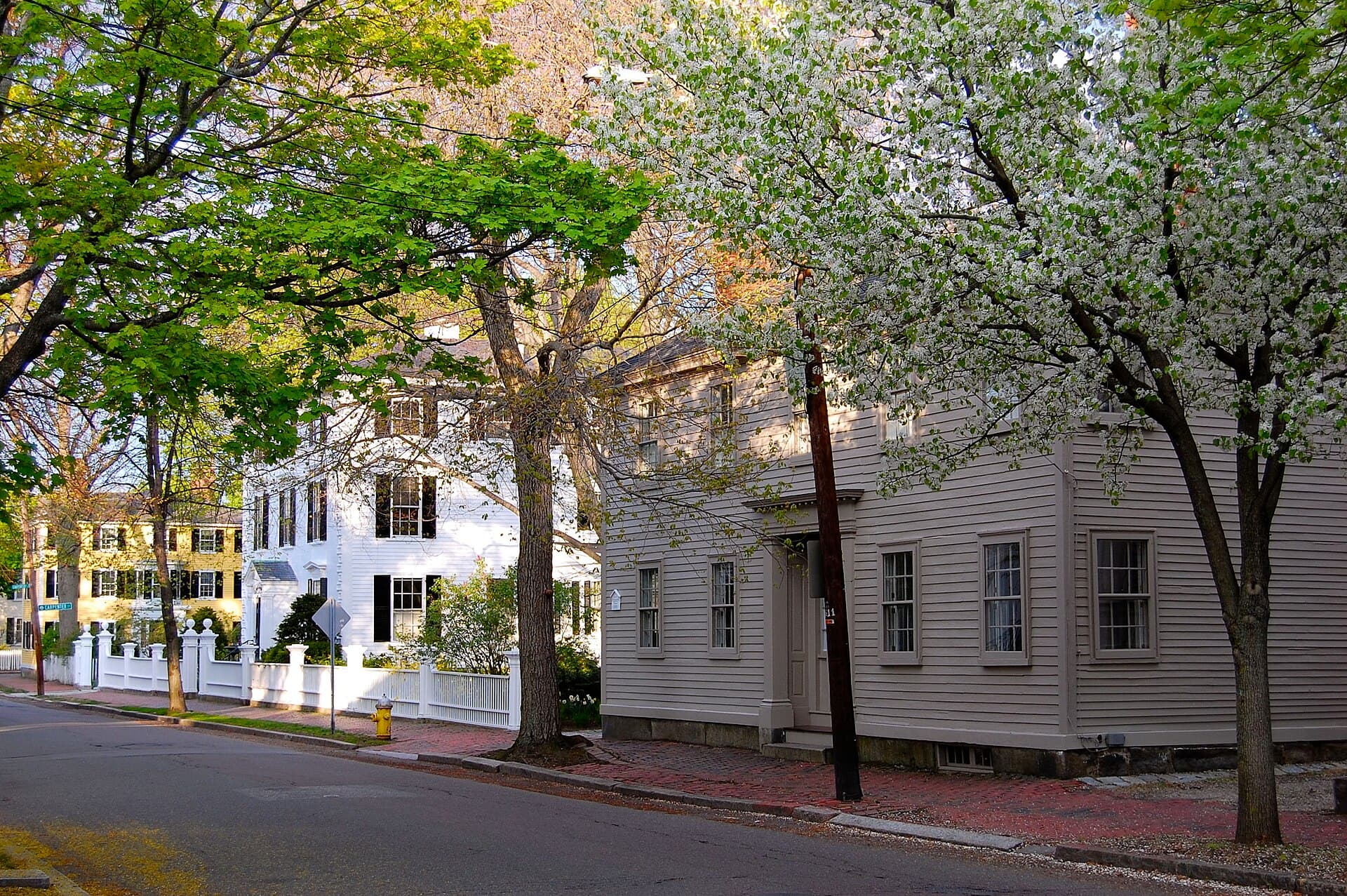 Fletcher6 / CC BY-SA 3.0, via Wikimedia Commons
Tour de audio autoguiado de Salem — ruta GPS a pie, reproducción offline, narración en 32 idiomas.
“Más allá de los susurros de las brujas, te espera una profunda historia marítima y un legado literario.”
No las postales. Las historias que ni los locales conocen — al oído, justo donde ocurrieron.
La famosa novela de Nathaniel Hawthorne dio nombre a una mansión histórica, pero la casa en sí ofrece más que solo inspiración literaria.
Los Juicios de Brujas de Salem son un capítulo oscuro bien conocido, pero la persona más joven acusada a menudo pasa desapercibida.
A lo largo de la costa de Salem, se alza un faro, pero su propósito no siempre fue guiar a los barcos hacia el puerto.
Descubre todos los secretos de Salem
Cada dirección, cada revelación al completo — a tu oído, justo donde ocurrió.
Eliges tus paradas. Caminas. La voz te revela lo que los demás ignoran.

Lume incluye una guía de realidad aumentada. Levanta el móvil y su cámara muestra la calle que tienes delante, con una flecha luminosa sobre la imagen real que siempre apunta a tu próxima parada — sin mapas que descifrar, sin giros equivocados. Como todo en Lume, funciona completamente sin conexión.
Salem, Massachusetts, una ciudad costera al norte de Boston, es quizás más conocida por los infames Juicios de Brujas de 1692. Este evento crucial en la historia estadounidense vio a más de 200 personas acusadas de brujería, resultando en 19 ejecuciones por ahorcamiento, una persona aplastada hasta la muerte y cinco muertes en la cárcel. Sin embargo, la identidad de Salem se extiende mucho más allá de este sombrío período. Establecida en 1626, y originalmente llamada Naumkeag por los nativos americanos, fue renombrada Salem, que significa "paz" en hebreo, en 1629.
Más allá de su dramático pasado, Salem fue un importante puerto marítimo en los siglos XVIII y principios del XIX, comerciando con el Caribe y Asia. Esta prosperidad marítima llevó a la construcción de grandes casas, muchas de las cuales aún se mantienen en pie, particularmente a lo largo de Chestnut Street, conocida por su arquitectura de estilo Federal. La ciudad sigue abrazando su diversa historia, ofreciendo a los visitantes una mezcla de sitios históricos, museos y una animada escena cultural.
## De Naumkeag a un puerto global La historia de Salem comenzó en 1626 cuando Roger Conant y sus asociados, originarios de un asentamiento pesquero en Cape Ann, establecieron un nuevo asentamiento. La primera colonia de colonos llegó en 1628 bajo el Capitán John Endicott. El área, conocida como Naumkeag por los nativos americanos, fue renombrada Salem en 1629. Para el 4 de marzo de 1635, se establecieron los límites entre Salem y lo que ahora son Lynn y Marblehead.
## La sombra de los juicios de brujas En febrero de 1692, un capítulo oscuro en la historia de Salem comenzó cuando jóvenes, incluida la hija del Reverendo Samuel Parris, Elizabeth, comenzaron a exhibir comportamientos extraños, que un médico atribuyó a la brujería. Esto desató los infames Juicios de Brujas de Salem, un período de histeria masiva que llevó a la acusación de más de 150 individuos de Salem Village (actual Danvers) y comunidades vecinas. Las acusaciones a menudo se basaban en "evidencia espectral", donde las víctimas afirmaban ser atormentadas por los espíritus de los acusados. Finalmente, 19 personas fueron ahorcadas, un hombre fue aplastado hasta la muerte y otras cinco murieron en la cárcel. Los juicios concluyeron en mayo de 1693, en parte debido a la acusación de la esposa del gobernador. Pasaron siglos para que Massachusetts reconociera oficialmente los errores, con indultos emitidos en varias tandas a lo largo de cientos de años, y la última exoneración ocurrió en 2022.
## Potencia marítima e inspiración literaria Después de los juicios, Salem se transformó en un importante puerto marítimo estadounidense durante los siglos XVIII y principios del XIX. Elias Hasket Derby, considerado el primer millonario de América, fue un prominente comerciante de Salem cuyos barcos fueron de los primeros en comerciar más allá del Cabo de Buena Esperanza, abriendo rutas a China, Rusia, Japón, África y Australia. Esta riqueza marítima todavía es visible en la arquitectura de la ciudad, particularmente en las casas de estilo Federal en Chestnut Street.
La historia de Salem también inspiró a gigantes literarios. Nathaniel Hawthorne, nacido en Salem en 1804, utilizó la ciudad como telón de fondo para algunas de sus obras más famosas. Su tiempo como supervisor del puerto de Salem de 1846 a 1849 en la Casa de Aduanas de EE. UU. está famosamente documentado en la introducción de La letra escarlata. La Casa de los Siete Tejados, una mansión colonial de 1668, inspiró directamente su novela de 1851 del mismo nombre.
Comience su exploración en el Monumento a los Juicios de Brujas de Salem, una pared de granito con veinte bancos de piedra, cada uno inscrito con el nombre de una víctima y su fecha de ejecución. Para una inmersión más profunda en los juicios, el Museo Peabody Essex (PEM), uno de los museos en funcionamiento continuo más antiguos de los Estados Unidos, alberga objetos auténticos de este período. El PEM también cuenta con extensas colecciones de arte americano, asiático, oceánico y africano, así como historia marítima, lo que refleja las conexiones globales de Salem.
Adéntrese en las páginas de la literatura en La Casa de los Siete Tejados, una mansión de 1668 que inspiró la novela de Nathaniel Hawthorne. Este museo histórico también continúa su legado como casa de asentamiento, apoyando a la comunidad inmigrante local. Cerca, puede visitar el Lugar de Nacimiento de Nathaniel Hawthorne, una de las siete estructuras en el campus del Distrito Histórico Nacional.
Explore el pasado marinero de Salem en el Sitio Histórico Nacional Marítimo de Salem, que incluye Derby Wharf y el Faro de Derby Wharf, construido en 1871 para ayudar a los barcos que entraban al puerto. Para un paseo pintoresco, Chestnut Street exhibe una impresionante arquitectura de estilo Federal, un testimonio del próspero comercio marítimo de Salem. No se pierda el Jardín de la Mansión Ropes, un hermoso y a menudo pasado por alto lugar detrás de la mansión, que también fue un lugar de rodaje para Hocus Pocus.
Salem ofrece experiencias únicas durante todo el año. El otoño, especialmente octubre, es la época más popular para visitar debido a las festividades de "Haunted Happenings", que incluyen desfiles, ferias callejeras, tours de fantasmas y bailes de disfraces. Sin embargo, este período también trae grandes multitudes y precios más altos para el alojamiento.
Para una visita más tranquila con un clima agradable, considere la primavera (marzo-mayo) o el verano (junio-agosto). La primavera ofrece flores en flor y menos multitudes, mientras que el verano ofrece días cálidos perfectos para actividades al aire libre y explorar la costa. El invierno (diciembre-febrero) es la temporada menos concurrida y más asequible, con mercados navideños festivos en diciembre y acogedoras actividades en interiores.
Salem es accesible por la línea Newburyport/Rockport del tren de cercanías MBTA desde la North Station de Boston, con un viaje que dura aproximadamente 30 minutos. Durante los "Haunted Happenings" de octubre, a menudo se añaden trenes adicionales los fines de semana. La ciudad también cuenta con varias líneas de autobús MBTA.
Para conducir, Salem ofrece varias opciones de estacionamiento, incluyendo garajes y estacionamientos fuera de la calle para duraciones más largas, y estacionamiento con parquímetro en la calle para estancias más cortas. El Museum Place Garage y el South Harbor Garage son opciones populares. Muchos estacionamientos utilizan la aplicación Passport Parking para un pago conveniente. El Salem Skipper es un servicio de furgoneta compartida bajo demanda para moverse por la ciudad.
Los veranos son generalmente cálidos con máximas cercanas a los 27°C (80°F) y mínimas en los 17°C (60s°F). Los inviernos son los más fríos, con lluvias frecuentes y cielos mayormente nublados, aunque las nevadas significativas son raras dentro de los límites de la ciudad. Siempre se recomienda consultar los pronósticos meteorológicos locales más cerca de su visita.
Salem en coreano, en chino o en hebreo — y 29 idiomas más, cada parada narrada por una voz nativa. La mayor variedad de idiomas de cualquier audioguía autoguiada.
Disponible en: