Kankai Mata Tempel
Diep in het Gir-woud lonkt een tempel, waar de lokale gewoonte voorschrijft dat elke reiziger zegeningen zoekt.
Volledig verhaal ontgrendeld in de tour
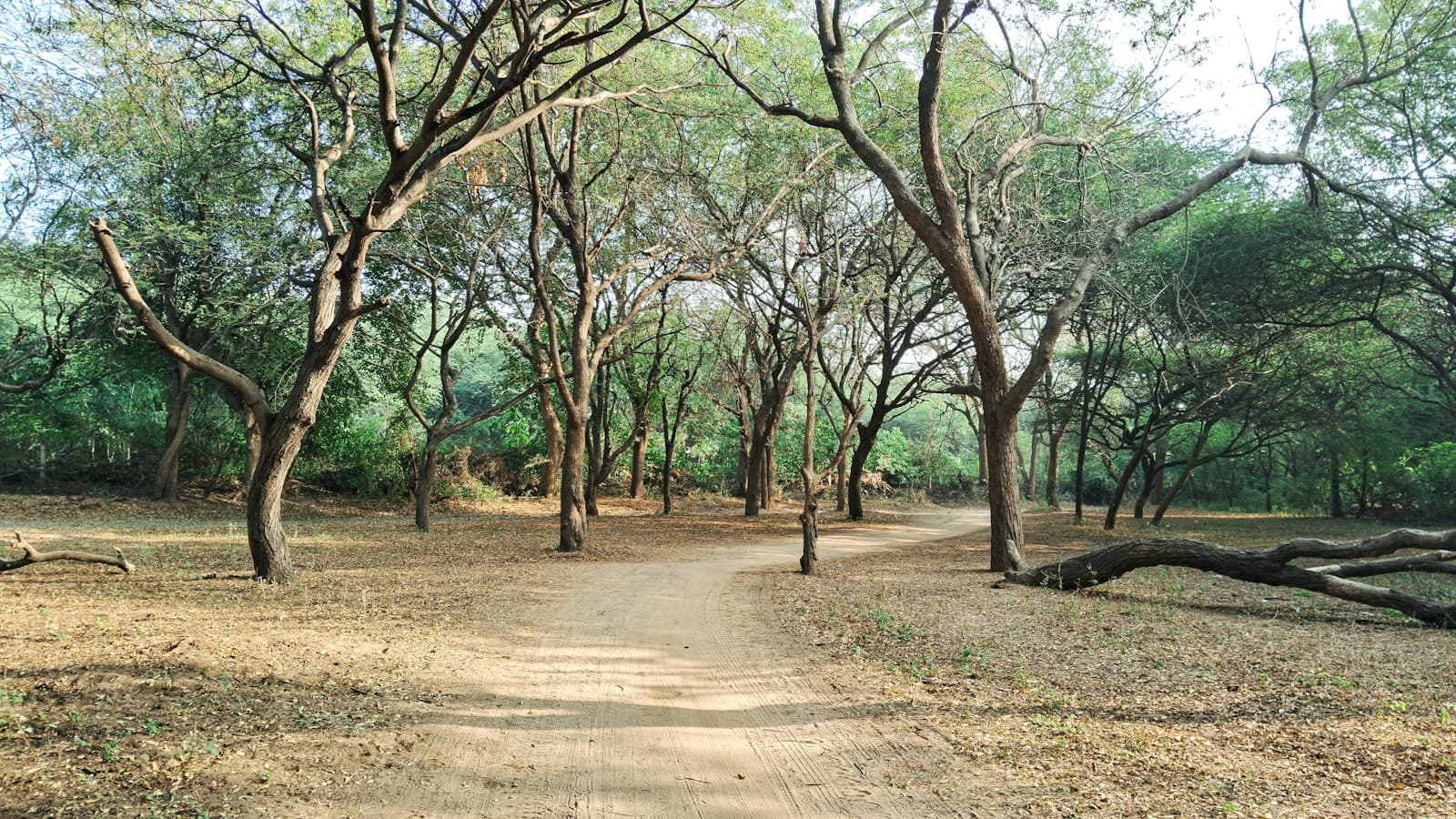
 Photo: Bhavesh Joshi / Unsplash
Zelfgeleide audiowandeling door Sasan Gir — GPS-route, offline afspelen, meeslepende vertelling in 32 talen.
“Waar de laatste Aziatische leeuwen rondzwerven en oude bossen onvertelde verhalen herbergen.”
Niet de ansichtkaarten. De verhalen die zelfs locals niet kennen — gefluisterd in je oor, precies waar ze gebeurden.
Diep in het Gir-woud lonkt een tempel, waar de lokale gewoonte voorschrijft dat elke reiziger zegeningen zoekt.
Bepaalde gemeenschappen delen hun land met Aziatische leeuwen, levend zonder barrières of wapens.
Een eenzaam spoorwegplatform diende hier ooit een doel dat veel groter was dan alleen het vervoeren van mensen.
Ontdek elk geheim van Sasan Gir
Elk adres, elke onthulling volledig — in je oor, precies waar het gebeurde.
Jij kiest je stops. Jij wandelt. De stem onthult wat de anderen missen.

Je zelfgeleide audiotour van Sasan Gir is klaar — kies je bezienswaardigheden, kies je taal en start zodra je aankomt.
KopenLume heeft een ingebouwde augmented-reality-gids. Houd je telefoon omhoog: de camera toont de straat voor je, met een oplichtende pijl over het echte beeld die altijd naar je volgende stop wijst — geen kaart om uit te puzzelen, geen verkeerde afslagen. Zoals alles in Lume werkt het volledig offline.
Sasan Gir, vaak simpelweg Gir genoemd, is een uniek landschap op het Gujarat-schiereiland in het noordwesten van India. Het wordt wereldwijd erkend als het laatst overgebleven natuurlijke leefgebied van de Aziatische leeuw (Panthera leo persica) in het wild. Dit beboste, heuvelachtige reservaat strekt zich uit over ongeveer 1.412 vierkante kilometer en omvat een volledig beschermd nationaal park en een breder wildreservaat.
Naast de bejubelde leeuwen is Sasan Gir een bloeiend ecosysteem dat een rijke verscheidenheid aan flora en fauna ondersteunt. De droge loofbossen, open graslanden en rotsachtige heuvels bieden onderdak aan talloze soorten, waardoor het een belangrijk ecologisch brandpunt is. Een bezoek hier biedt een zeldzame kans om deze magnifieke roofdieren in hun natuurlijke omgeving te observeren, naast een fascinerende verzameling andere wilde dieren en meer dan 300 vogelsoorten.
Dit gebied strekt zich uit voorbij de wilde dieren; het heeft ook een diepe culturele resonantie, met inheemse gemeenschappen zoals de Maldhari's die al generaties lang naast de leeuwen leven. Deze fusie van natuurlijke wonderen en opmerkelijke interactie tussen mens en dier creëert een onuitwisbare ervaring voor natuurliefhebbers, fotografen en iedereen die verbinding zoekt met het wilde hart van India.
Het verhaal van Sasan Gir is nauw verweven met de bescherming van de Aziatische leeuw, een soort die ooit door West- en Zuid-Azië zwierf. Tegen het einde van de 19e eeuw had uitgebreide jacht door heersers van Indiase prinsdommen en Britse kolonisten hun populatie gedecimeerd, waardoor er slechts ongeveer een dozijn Aziatische leeuwen in India overbleven, allemaal binnen het Gir-bos, dat destijds het privé-jachtterrein van de Nawab van Junagadh was.
Zich bewust van de drastische achteruitgang, nam de Nawab van Junagadh beslissende maatregelen om de resterende leeuwen te beschermen. Hij verbood de leeuwenjacht en verklaarde het Gir-gebied begin 1900 tot een beschermd reservaat. Deze vroege natuurbeschermingsinspanning, ondersteund door Britse autoriteiten, markeerde het begin van een opmerkelijk herstel. De leeuwenpopulatie, die rond 1900 was gedaald tot slechts 15 individuen, begon langzaam te stijgen.
In 1965 werd het Gir-bos officieel aangewezen als wildreservaat, en in 1975 werd een kerngebied van 259 vierkante kilometer uitgeroepen tot nationaal park. Deze formele bescherming leidde tot een aanzienlijke toename van het aantal leeuwen, van minder dan 200 eind jaren '60 tot naar schatting 674 in de volkstelling van 2020. Dit succes heeft Gir National Park gepositioneerd als een wereldwijd voorbeeld voor de bescherming van grote katachtigen.
Naast de leeuwen omvat het verleden van het park ook de unieke co-existentie van zijn wilde dieren met menselijke gemeenschappen. De Maldhari-gemeenschap, traditionele herders, woont al meer dan 125 jaar in het Gir-bos, hun nederzettingen staan bekend als 'nesses'. Hoewel velen zijn verhuisd, is hun historische aanwezigheid en unieke relatie met de leeuwen een integraal onderdeel van het verhaal van Gir. De toewijding van het park aan natuurbescherming strekt zich uit tot het diverse ecosysteem, dat 606 plantensoorten, 36 zoogdieren, meer dan 300 vogelsoorten en 2000 insectensoorten omvat.
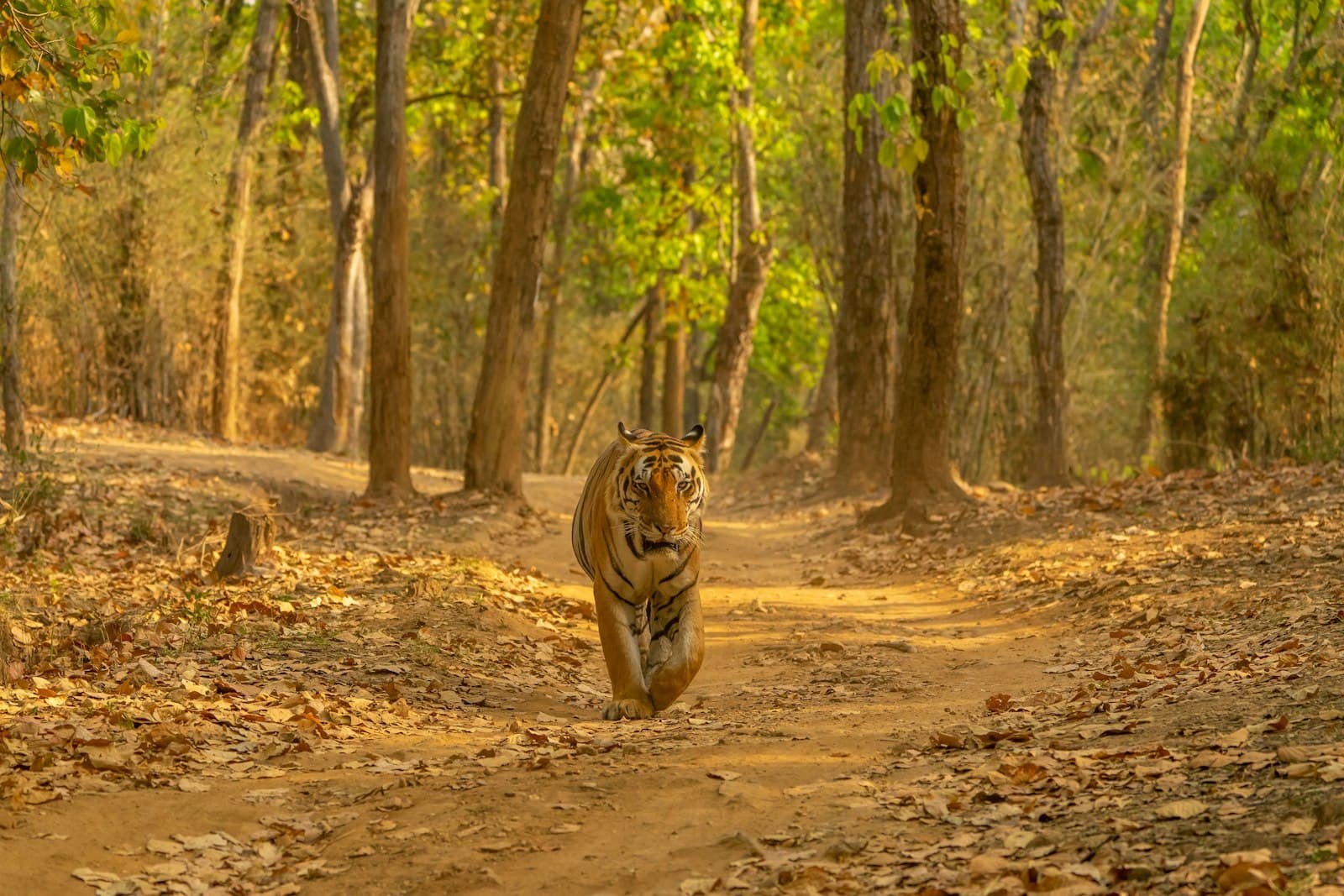
De belangrijkste aantrekkingskracht van Sasan Gir is zonder twijfel de mogelijkheid om de magnifieke Aziatische leeuw in zijn natuurlijke habitat te observeren. Open jeep safari's zijn de meest gebruikelijke manier om het park te verkennen, en bieden uitstekende kansen op leeuwenobservaties, vooral tijdens vroege ochtendexcursies.
Naast de leeuwen is het park een centrum van biodiversiteit. Houd oog voor andere katachtigen zoals luipaarden, woestijnkatten en roestkatten. De droge loofbossen herbergen ook een verscheidenheid aan herbivoren, waaronder chital (gevlekte herten), sambarherten, nilgai (blauwe stier), chousingha (vierhoornige antilope) en chinkara (gazelle). Wilde zwijnen, hyena's en jakhalzen worden ook vaak waargenomen.
Vogelspotters zullen Sasan Gir ontdekken als een toevluchtsoord, met meer dan 300 gedocumenteerde soorten. Kijk uit naar de kuifslangarend, Indische pitta, roodnekibis en diverse watervogels rond de Kamleshwar Dam. De Kamleshwar Dam zelf is een schilderachtige locatie en een cruciale waterbron, ook bekend om zijn moeraskrokodillen.
Voor een gegarandeerde leeuwenobservatie-ervaring kunt u overwegen de Gir Interpretation Zone te bezoeken, ook bekend als Devalia Safari Park, een omheind gebied binnen het reservaat dat kortere bustours biedt. Nabijgelegen attracties zijn het oude Uparkot Fort en de Mahabat Maqbara in Junagadh, en de Somnath Tempel, een belangrijke pelgrimsoord.
De ideale tijd om Sasan Gir te bezoeken is tijdens de koelere, drogere maanden van oktober tot maart. Gedurende deze periode zijn de temperaturen aangenaam, variërend van 10 tot 25 graden Celsius, waardoor het observeren van wilde dieren gemakkelijker wordt, aangezien dieren zich verzamelen rond waterbronnen. Het park sluit tijdens het moessonseizoen, van half juni tot half oktober, vanwege zware regenval. Hoewel zomers (april tot mei) warm kunnen zijn, met temperaturen die oplopen tot 45 graden Celsius, kunnen ze ook een uitstekende tijd zijn voor natuurfotografie, aangezien dieren vaak waterlichamen bezoeken.
Sasan Gir is goed bereikbaar per vliegtuig, trein en weg. De dichtstbijzijnde luchthaven is Diu (ongeveer 110 km verderop), met Rajkot (160 km) en Ahmedabad (350 km) die ook als haalbare opties dienen. Het dichtstbijzijnde treinstation is Junagadh Junction (65 km verderop), vanwaar taxi's of bussen u naar Sasan Gir kunnen brengen. Regelmatige bussen en particuliere taxi's verbinden Sasan Gir met grote steden in Gujarat.
Safari-vergunningen moeten vooraf online worden gereserveerd via de officiële website van het bosbeheer, vooral tijdens het hoogseizoen, aangezien de vergunningen beperkt zijn. Particuliere voertuigen zijn niet toegestaan in het park voor safari's; bezoekers moeten geleide jeep safari's boeken met geautoriseerde voertuigen en getrainde gidsen. Een tweedaagse reis wordt over het algemeen aanbevolen om het park en de omliggende attracties volledig te ervaren. Vergeet niet een verrekijker mee te nemen en gedempte kleding te kiezen om uw ervaring met het observeren van wilde dieren te verbeteren.
Sasan Gir — Koreaans, Chinees, Hebreeuws en nog 29 talen, elke stop verteld door een moedertaalspreker. Het grootste taalaanbod van alle zelfgeleide audiotours.
Beschikbaar in: