La Marktplatz de Gmünd
A mediados del siglo XVIII, el maestro de obras de la ciudad, Johann Michael Keller, emprendió un rediseño significativo de la plaza del mercado de Schwäbisch Gmünd.
La historia completa se desbloquea en el tour
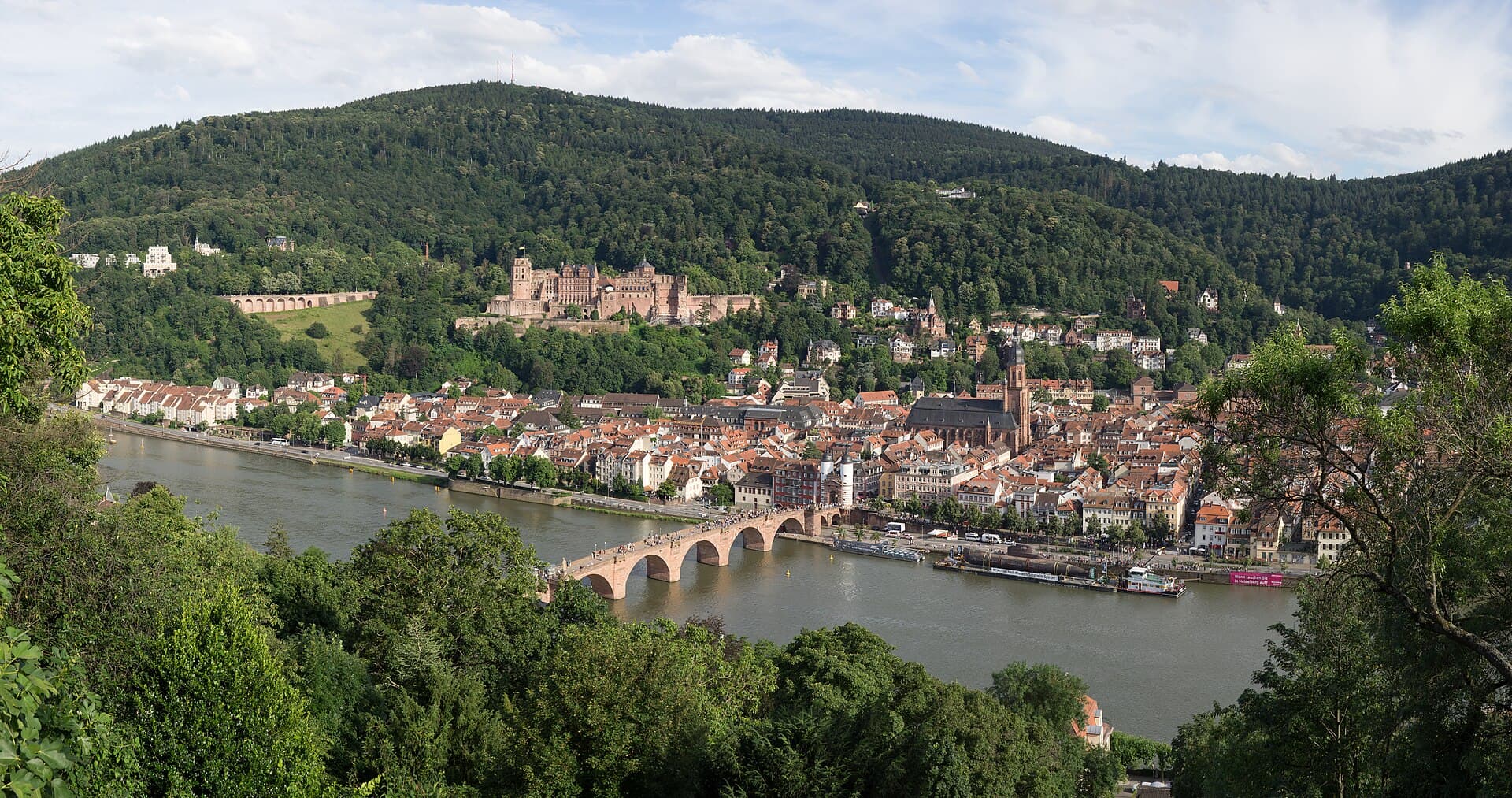 Photo of Heidelberg, via Wikimedia Commons
Tour de audio autoguiado de Schwäbisch Gmünd — ruta GPS a pie, reproducción offline, narración en 32 idiomas.
“Donde los cimientos romanos se encuentran con el legado Staufer y el esplendor barroco.”
No las postales. Las historias que ni los locales conocen — al oído, justo donde ocurrieron.
A mediados del siglo XVIII, el maestro de obras de la ciudad, Johann Michael Keller, emprendió un rediseño significativo de la plaza del mercado de Schwäbisch Gmünd.
La historia de la ciudad incluye un período de intenso miedo y persecución.
El valle del Rems, donde se encuentra Schwäbisch Gmünd, alguna vez marcó el límite de un imperio.
Descubre todos los secretos de Schwäbisch Gmünd
Cada dirección, cada revelación al completo — a tu oído, justo donde ocurrió.
Eliges tus paradas. Caminas. La voz te revela lo que los demás ignoran.
Tu tour de audioguía por Schwäbisch Gmünd te espera — elige tus lugares, tu idioma y empieza al llegar.
ComprarLume incluye una guía de realidad aumentada. Levanta el móvil y su cámara muestra la calle que tienes delante, con una flecha luminosa sobre la imagen real que siempre apunta a tu próxima parada — sin mapas que descifrar, sin giros equivocados. Como todo en Lume, funciona completamente sin conexión.
Schwäbisch Gmünd, ubicada en el este de Baden-Württemberg, aproximadamente a 50 kilómetros al este de Stuttgart, es una ciudad donde siglos de historia están visiblemente grabados en su tejido urbano. Ostenta la distinción de ser la ciudad Staufer más antigua del suroeste de Alemania, un legado que moldeó su desarrollo temprano y dejó una marca indeleble en su arquitectura e identidad. La ciudad está elegantemente situada al pie de la Jura de Suabia y los Dreikaiserberge (Montañas de los Tres Emperadores), ofreciendo una mezcla de exploración histórica y belleza natural.
Explorar Schwäbisch Gmünd es un viaje a través del tiempo, con edificios que abarcan ocho siglos, desde estilos románico hasta gótico, barroco y moderno. Su centro histórico, particularmente la Marktplatz y la Münsterplatz, se considera entre las plazas más hermosas del sur de Alemania. Más allá de su atractivo arquitectónico, Schwäbisch Gmünd tiene una reputación por su artesanía, especialmente en oro y plata, una tradición que se remonta a siglos y que sigue floreciendo hoy en día.
Los orígenes de Schwäbisch Gmünd se remontan al siglo II d.C., cuando un muro protector romano, el Limes, atravesaba la zona. Esta línea defensiva, custodiada por aproximadamente 1.500 soldados romanos, marcó la frontera del Imperio Romano en el valle del Rems hasta alrededor del 260 d.C. En la segunda mitad del siglo III, el pueblo alamán se asentó en las tierras abandonadas por los romanos.
La historia urbana más definida de la ciudad comienza con la dinastía Staufer. Aunque se debate el gobernante Staufer exacto que concedió a Gmünd sus derechos de ciudad, una fuerte evidencia sugiere que ocurrió durante el reinado del rey Conrado III (1138–1152), convirtiéndola en la ciudad Staufer más antigua del suroeste de Alemania. En 1162, los registros ya enumeran varios ciudadanos nombrados, confirmando su estatus de ciudad. Los Staufer, una poderosa familia noble, establecieron su castillo ancestral en la montaña Hohenstaufen, y su influencia se extendió por un vasto territorio desde el Mar del Norte hasta Sicilia. El emperador Federico I, conocido como Barbarroja, visitó Gmünd en 1168, un testimonio de la temprana importancia de la ciudad.
Tras el declive de la dinastía Staufer, Schwäbisch Gmünd logró gradualmente el estatus de Ciudad Imperial Libre en el siglo XIII, una entidad autónoma dentro del Sacro Imperio Romano Germánico hasta 1802. Este período vio a la ciudad florecer, prosperando gracias al comercio de telas y vinos, y la producción y venta de guadañas en toda Europa. A partir del siglo XVII, la artesanía en oro y plata se convirtió en el gremio dominante, una tradición que continúa definiendo la economía y el patrimonio cultural de la ciudad. A mediados del siglo XVIII, se produjo un importante auge cultural, caracterizado por el opulento mobiliario de sus iglesias, la remodelación de casas patricias y el rediseño de la Marktplatz por el arquitecto municipal Johann Michael Keller, que dotó a la ciudad de su distintivo aire barroco tardío. Schwäbisch Gmünd permaneció en gran parte intacta durante la Segunda Guerra Mundial y fue capturada por las tropas estadounidenses en abril de 1945. Después de la guerra, se enfrentó al desafío de integrar a un gran número de alemanes desplazados, quienes trajeron nuevas industrias, particularmente en vidrio y joyería, enriqueciendo aún más el panorama económico de la ciudad.
Schwäbisch Gmünd ofrece una gran cantidad de lugares de interés histórico y cultural. El Heilig-Kreuz-Münster (Minster de la Santa Cruz), una catedral gótica cuya construcción comenzó en 1325 y tardó aproximadamente 500 años en completarse, es la iglesia de salón más grande del sur de Alemania y un importante hito arquitectónico. La Johanniskirche (Iglesia de San Juan), una basílica románica tardía construida entre 1220 y 1250, fue concebida como iglesia bautismal para la familia Staufer y presenta elaboradas decoraciones escultóricas.
La Marktplatz (Plaza del Mercado) y la Münsterplatz son fundamentales para el atractivo de la ciudad, mostrando una colección de edificios históricos y una atmósfera animada. Los visitantes pueden explorar las torres de la ciudad conservadas, incluida la Johannisturm, que ofrece vistas de los alrededores. Restos de la era Staufer aún se pueden ver en partes del Grät, una sede medieval de un alguacil real y grandes almacenes de la ciudad, y secciones de la muralla interior de la ciudad de principios del siglo XIII.
Para aquellos interesados en el pasado romano de la ciudad, el Museum im Prediger alberga artefactos romanos del cercano fuerte de Schirenhof. Un recorrido circular arqueológico, guiado por señales con un casco romano, permite a los visitantes explorar los restos del fuerte de la cohorte romana en Schirenhof y el límite interior reconstruido del Limes en el valle de Rotenbachtal. Además, el parque paisajístico y familiar Himmelsgarten ofrece una torre de madera, el 'Himmelsstürmer', que proporciona vistas expansivas, y el jardín de plantas medicinales Weleda.
La época más agradable para visitar Schwäbisch Gmünd es durante los meses más cálidos, de mayo a septiembre. Las temperaturas durante este período oscilan entre aproximadamente 19°C (66°F) y 24°C (76°F), lo que lo hace ideal para explorar las atracciones al aire libre y las calles históricas de la ciudad. Aunque hay algunas lluvias durante estos meses, las condiciones son generalmente suaves y cómodas. Julio suele ser el mes con más sol, con un promedio de 7.8 horas por día. El período desde finales de junio hasta principios de septiembre es particularmente recomendable para actividades de clima cálido.
Schwäbisch Gmünd está situada aproximadamente a 50 kilómetros al este de Stuttgart, lo que la hace accesible para excursiones de un día o estancias más largas. La ciudad está bien conectada por ferrocarril con Stuttgart y Aalen. Para aquellos que viajan en coche, hay varias zonas de aparcamiento disponibles en las afueras del centro de la ciudad. La moneda local es el Euro. El idioma oficial es el alemán, aunque el inglés puede ser entendido en establecimientos orientados al turismo. El i-Punkt Schwäbisch Gmünd, ubicado en Marktplatz 37/1, sirve como oficina central de información turística, ofreciendo asistencia e información. Su número de teléfono es +49 (0)7171 603 42 50 y su correo electrónico es tourist-info@schwaebisch-gmuend.de.
Schwäbisch Gmünd en coreano, en chino o en hebreo — y 29 idiomas más, cada parada narrada por una voz nativa. La mayor variedad de idiomas de cualquier audioguía autoguiada.
Disponible en: