Iglesia Evangélica de Sebeș
El gran altar de la Iglesia Evangélica de Sebeș esconde un importante cambio artístico para Transilvania.
La historia completa se desbloquea en el tour
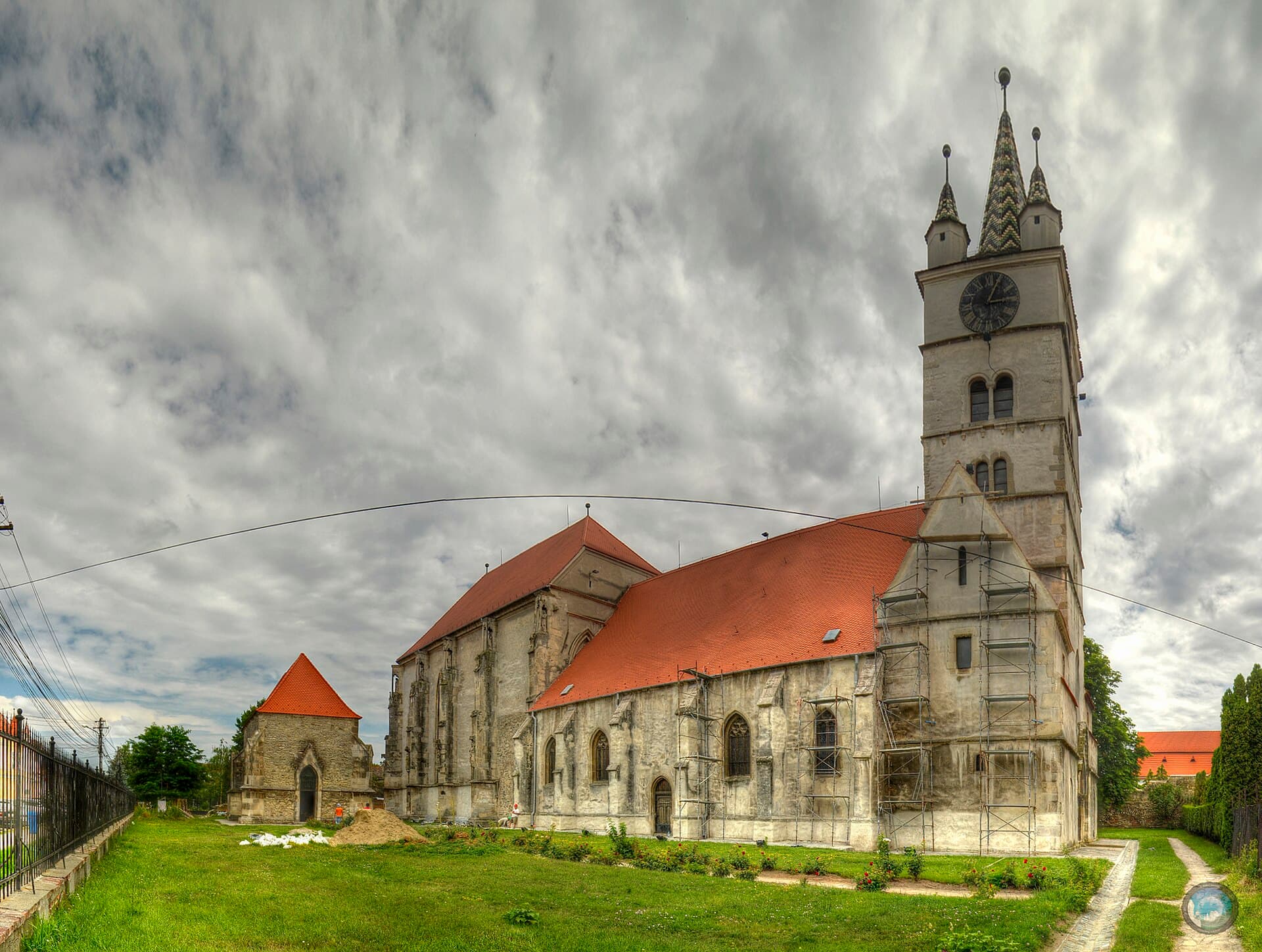 Levente Nuber / CC BY-SA 4.0, via Wikimedia Commons
Tour de audio autoguiado de Sebeș — ruta GPS a pie, reproducción offline, narración en 32 idiomas.
“Donde las antiguas murallas resuenan con las sagas de los gremios sajones y los asedios otomanos.”
No las postales. Las historias que ni los locales conocen — al oído, justo donde ocurrieron.
El gran altar de la Iglesia Evangélica de Sebeș esconde un importante cambio artístico para Transilvania.
Una de las perdurables torres medievales de Sebeș lleva dos nombres, cada uno vinculado a una apasionante historia de un joven cautivo.
Este modesto edificio fue en su día el escenario de las asambleas políticas más influyentes de Transilvania.
Descubre todos los secretos de Sebeș
Cada dirección, cada revelación al completo — a tu oído, justo donde ocurrió.
Eliges tus paradas. Caminas. La voz te revela lo que los demás ignoran.
Tu tour de audioguía por Sebeș te espera — elige tus lugares, tu idioma y empieza al llegar.
ComprarLume incluye una guía de realidad aumentada. Levanta el móvil y su cámara muestra la calle que tienes delante, con una flecha luminosa sobre la imagen real que siempre apunta a tu próxima parada — sin mapas que descifrar, sin giros equivocados. Como todo en Lume, funciona completamente sin conexión.
Sebeș, una ciudad en el condado de Alba, en el centro-oeste de Rumanía, se erige como un testimonio de siglos de historia transilvana. Refundada en el siglo XII por colonos alemanes, más tarde conocidos como sajones de Transilvania, la ciudad se convirtió rápidamente en un importante centro medieval. Su ubicación estratégica en el valle del río Sebeș, en una importante autopista rumana, ha asegurado su perdurable importancia.
Hoy, Sebeș ofrece una cautivadora mezcla de su profundo pasado y su vida moderna. El centro de la ciudad mantiene una atmósfera distintivamente medieval, con coloridas casas transilvanas del siglo XVIII y XIX de techos altos. Los visitantes pueden explorar impresionantes fortificaciones, una monumental Iglesia Evangélica y un museo ubicado en un edificio histórico que una vez albergó asambleas políticas fundamentales. Sebeș sirve como una base ideal para explorar el centro de Transilvania, con su ubicación en el cruce de las autopistas A1 y A10 que proporciona un acceso rápido a las principales atracciones en Alba y los condados vecinos.
## Del Asentamiento Dacio a la Fortaleza Sajona Los orígenes de Sebeș se remontan a asentamientos neolíticos y daco-romanos, con un posible asentamiento rural anterior habitado por poblaciones rumanas y pechenegues. La ciudad tal como la conocemos fue refundada en el siglo XII por colonos alemanes, quienes desempeñaron un papel crucial en la configuración de su identidad medieval. Inicialmente conocida como 'Malembach' o 'Millenbach' en los primeros documentos, refiriéndose al río y sus molinos, la ciudad fue documentada por primera vez en 1245.
## Sobreviviendo a Invasiones y Fortificando el Futuro La historia medieval de Sebeș estuvo marcada por períodos de crisis, destacando la invasión mongola de 1241-1242, que devastó la ciudad. Sin embargo, sus habitantes resilientes la reconstruyeron, y sus murallas fueron posteriormente reforzadas. En 1387, Sebeș obtuvo el significativo privilegio de ser la primera ciudad transilvana autorizada a construir una fortaleza de piedra, un testimonio de su creciente importancia. Estas fortificaciones, que originalmente abarcaban 1,6 km con ocho torres de defensa y cuatro puertas de acceso, fueron vitales para su protección. A pesar de estas defensas, la ciudad cayó en manos de los turcos otomanos en 1438, un período que duró casi 40 años.
## Un Centro de Comercio y Cultura Para el siglo XIV, Sebeș se había convertido en un importante centro comercial, clasificándose como la tercera ciudad sajona más significativa comercialmente en 1376. Su prosperidad fue impulsada por prósperas actividades artesanales, con numerosos gremios de zapateros, tejedores, sastres, curtidores y peleteros. La ciudad también desempeñó un importante papel político, albergando la Dieta de Transilvania varias veces en el siglo XVI en la Casa Zápolya. Los siglos XVII y XVIII vieron a Sebeș continuar como un centro para artesanos, quienes contribuyeron a la mejora de su monumental Iglesia Evangélica.
## Era Moderna y Patrimonio Duradero Después de la unión con Rumanía en diciembre de 1918, Lionel Blaga, hermano del renombrado poeta y filósofo rumano Lucian Blaga, se convirtió en el primer alcalde de Sebeș. Hoy, Sebeș sigue siendo una ciudad industrial dinámica, con importantes industrias del cuero, textil y de la madera. Continúa abrazando su profundo patrimonio, con su núcleo medieval bien conservado y sus sitios históricos que ofrecen una ventana a su ilustre pasado.
Comience su exploración en la Iglesia Evangélica de Sebeș, una obra monumental de arquitectura románica y gótica que tardó dos siglos en completarse. Admire su altar de madera policromada ricamente decorado, un ejemplo significativo de la transición del arte gótico al renacentista. Junto a la iglesia, descubra la Capilla de Santiago, una estructura gótica del siglo XIV con murales visibles que representan las vidas de San Francisco de Asís y San Nicolás. Pasee por las secciones conservadas de las Fortificaciones de Sebeș, incluyendo la Torre de los Sastres, también conocida como la Torre del Estudiante, y otras torres de defensa restantes como las Torres Octogonal, Semicircular y de los Zapateros. Estas murallas, originalmente de 1,6 km de largo, ofrecen una conexión tangible con el pasado medieval de la ciudad. Visite el Museo Municipal Ioan Raica, ubicado en la histórica Casa Zápolya, donde una vez se reunió la Dieta de Transilvania. El museo también conserva una talla de piedra del escudo de armas del león rampante dorado de la ciudad de 1765. Para una maravilla natural, considere un viaje al cercano Barranco Rojo (Râpa Roșie), un cañón distintivo con dramáticas formaciones de arcilla. La Iglesia Fortificada de Câlnic, un sitio del Patrimonio Mundial de la UNESCO y una de las estructuras defensivas más representativas de Transilvania, también se encuentra a poca distancia en coche.
El momento ideal para visitar Sebeș para actividades de clima cálido se extiende desde mediados de junio hasta principios de septiembre, cuando las temperaturas máximas diarias promedio superan los 22 °C (72 °F). Julio se destaca como el mes más cálido, con una máxima promedio de 27 °C (80 °F). La parte más despejada del año en Sebeș dura desde mediados de junio hasta mediados de septiembre, siendo julio el mes que ofrece los cielos más despejados. La primavera (abril-junio) y el otoño (septiembre-octubre) también ofrecen un clima agradable y templado, perfecto para explorar el campo y asistir a las festividades locales durante la temporada de cosecha.
Sebeș se encuentra en el condado de Alba, en el centro de Rumanía. La moneda local es el Leu rumano (RON), simbolizado como 'lei'. Si bien algunos establecimientos turísticos pueden aceptar euros, es mejor usar RON para todas las transacciones. Los cajeros automáticos están fácilmente disponibles, y es aconsejable elegir que se le cobre en Leus rumanos al usar una tarjeta para evitar tipos de cambio desfavorables. Sebeș cuenta con buenas conexiones de tren y autobús, con rutas diarias a las principales ciudades rumanas como Bucarest, Alba Iulia y Sibiu. La conducción en la ciudad sigue la regla de la derecha. La electricidad funciona a 230V/50Hz, utilizando enchufes Tipo C/F. Para el alojamiento, las opciones van desde hoteles económicos como Hotel EKA y Hotel Leul de Aur hasta encantadoras casas de huéspedes. La ciudad es compacta y atractiva para los peatones, con taxis y autobuses locales también a su disposición.
Sebeș en coreano, en chino o en hebreo — y 29 idiomas más, cada parada narrada por una voz nativa. La mayor variedad de idiomas de cualquier audioguía autoguiada.
Disponible en: