The Pines Theatre (heute The Pines Downtown)
Bevor sie international bekannt wurde, trat Dolly Parton hier zum ersten Mal gegen Bezahlung auf.
Die ganze Geschichte wird in der Tour freigeschaltet
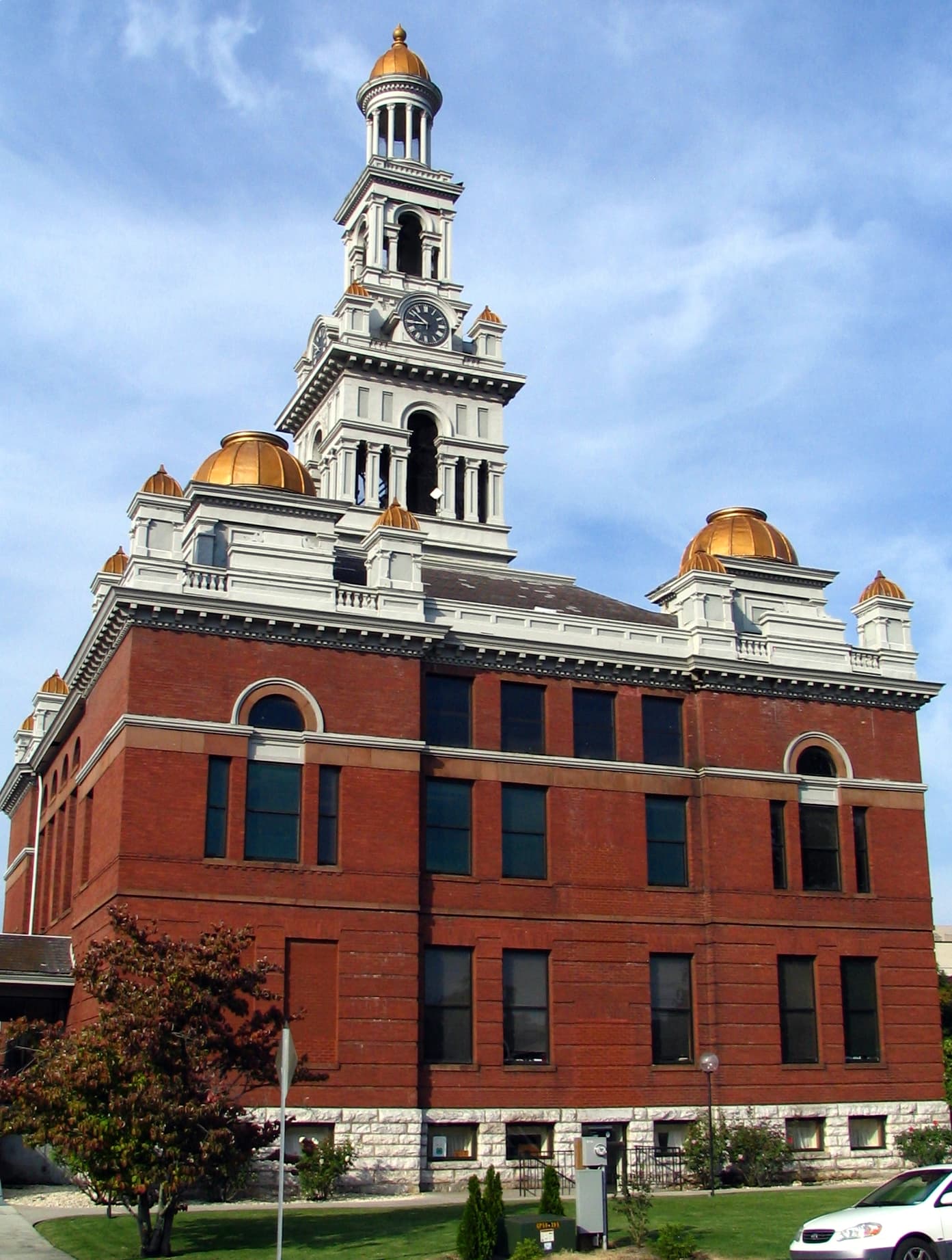 Brent Moore / CC BY 2.0, via Wikimedia Commons
Selbstgeführte Audio-Walking-Tour durch Sevierville — GPS-Route, Offline-Wiedergabe, erzählerische Narration in 32 Sprachen.
“Wo die Geschichte der Appalachen und Bergmelodien zusammenfließen.”
Nicht die Postkarten. Die Geschichten, die selbst Einheimische nicht kennen – dir ins Ohr geflüstert, genau dort, wo sie geschahen.
Bevor sie international bekannt wurde, trat Dolly Parton hier zum ersten Mal gegen Bezahlung auf.
Hier steht eine Bronzestatue der 'Lieblingstochter' von Sevierville, ein Denkmal mit persönlicher Note.
Diese historische gedeckte Brücke erzählt eine einzigartige Geschichte von gemeinschaftlichem Durchhaltevermögen.
Entdecke jedes Geheimnis von Sevierville
Jede Adresse, jede Enthüllung vollständig – in deinem Ohr, genau dort, wo es geschah.
Du wählst deine Stationen. Du gehst. Die Stimme enthüllt, was andere übersehen.

Deine selbstgeführte Audio-Tour durch Sevierville ist bereit – wähle deine Sehenswürdigkeiten, deine Sprache und starte, sobald du ankommst.
KaufenLume enthält einen integrierten Augmented-Reality-Guide. Halten Sie Ihr Handy hoch: Die Kamera zeigt die Straße vor Ihnen, mit einem leuchtenden Pfeil über dem echten Bild, der immer auf Ihren nächsten Stopp zeigt — keine Karte zum Rätseln, keine falschen Abzweigungen. Wie alles bei Lume funktioniert es komplett offline.
Sevierville, Tennessee, ist ein einladendes Tor zu den Great Smoky Mountains und bietet eine Mischung aus Appalachen-Erbe und zeitgenössischen Attraktionen. Gegründet 1795, ist es eine der ältesten Städte Ost-Tennessees und trägt den Namen von John Sevier, einem Helden des Revolutionskriegs und dem ersten Gouverneur des Staates. Die Lage der Stadt am Little Pigeon River machte sie zu einem wichtigen Handelsposten für frühe Siedler und zu einem Zentrum für Handel und Landwirtschaft.
Über seine historischen Grundlagen hinaus ist Sevierville weithin als Heimatstadt der Country-Musik-Legende Dolly Parton bekannt, deren Einfluss in der gesamten Gemeinde spürbar ist. Obwohl Sevierville oft eine weniger überlaufene Alternative zu benachbarten Touristenzentren wie Gatlinburg und Pigeon Forge ist, bietet es dennoch eine vielfältige Palette an Aktivitäten, von der Erkundung der historischen Innenstadt bis hin zu ausgedehnten Einkaufsmöglichkeiten.
Das Land, das heute Sevierville ist, hat eine tiefe Geschichte. Indianer der Woodland-Periode kamen um 200 n. Chr. an. Zwischen 1200 und 1500 n. Chr., während der Dallas-Phase der Mississippian-Periode, wurde am McMahan Mound Site eine bedeutende Siedlung errichtet, die einen Plattformhügel und eine Palisade am Zusammenfluss des West Fork und des Little Pigeon River aufwies. Zu Beginn des 18. Jahrhunderts beherrschten die Cherokee einen Großteil der Smoky Mountains auf der Seite von Tennessee, wobei Pfade wie der Great Indian Warpath sowie der Tuckaleechee und der Southeastern Trail das heutige Sevier County durchzogen.
Mitte des 18. Jahrhunderts kamen europäische Langjäger und Händler an, wobei Isaac Thomas ein bemerkenswerter früher Händler war, der von den Cherokee respektiert wurde. Mit der Ankunft weiterer Siedler nahmen die Spannungen mit den Cherokee zu. Während des Revolutionskriegs führte Colonel John Sevier eine Expedition gegen die Cherokee und besiegte sie im Dezember 1780 in der Schlacht von Boyd's Creek. Mit dem Dumplin-Vertrag von 1785 gaben die Cherokee ihre Ansprüche auf das Land, das Sevier County umfasste, auf, was eine schnelle Besiedlung ermöglichte.
Sevierville wurde offiziell 1795 gegründet und nach John Sevier benannt, der nicht nur ein Held des Revolutionskriegs war, sondern auch sechs Amtszeiten als erster Gouverneur von Tennessee diente. Vor der Staatlichkeit Tennessees war die Region 1785 kurzzeitig Teil des 'Lost State of Franklin', einer autonomen Nation, die der 14. US-Bundesstaat werden wollte. Die Stadt wuchs schnell zu einem Handelsposten und landwirtschaftlichen Zentrum am Little Pigeon River.
Während des Bürgerkriegs waren Sevierville und die umliegende Smoky Mountain-Region Hochburgen der pro-Union-Gesinnung, obwohl Tennessee sich der Konföderation anschloss. Die Bewohner erlebten Härten, darunter Plünderungen und Beschlagnahmung von Eigentum durch sowohl Union- als auch Konföderationstruppen. Die Stadt wurde 1901 eingemeindet, und die Eröffnung des Great Smoky Mountains National Park im Jahr 1934 kurbelte den Tourismus erheblich an und gestaltete die lokale Wirtschaft neu.
Beginnen Sie Ihre Erkundung im historischen Downtown Sevierville, wo Sie das Sevier County Courthouse aus dem Jahr 1896 besichtigen können, das nach wie vor ein zentraler Punkt für Gemeinschaftsveranstaltungen ist. Vor dem Gerichtsgebäude finden Sie die Bronzestatue von Dolly Parton, ein beliebter Ort für Fotos und eine Hommage an die berühmteste Bewohnerin der Stadt. Nur einen kurzen Spaziergang entfernt, in der Bruce Street, entdecken Sie das Schmetterlings-Wandgemälde 'Wings of Wonder', inspiriert von Dolly Partons Lied 'Love is Like a Butterfly'.
Für einen Einblick in die lokale Geschichte besuchen Sie die Harrisburg Covered Bridge, eine 83 Fuß lange Brücke, die im National Register of Historic Places eingetragen ist. Das Tennessee Museum of Aviation bietet einen Einblick in Oldtimer und Luftfahrtgeschichte, während die Forbidden Caverns ein unterirdisches Abenteuer durch natürliche Kalksteinhöhlen mit geführten Touren bietet. Shopper finden eine große Auswahl an Optionen, von den umfangreichen Tanger Outlets bis hin zu einzigartigen lokalen Boutiquen wie Beyond 436 Boutique und Sweet Peas & Ivy in der Innenstadt.
Sevierville erlebt vier ausgeprägte Jahreszeiten. Für Aktivitäten bei warmem Wetter sind die Zeit von Ende Mai bis Ende Juni und von Anfang August bis Anfang Oktober ideal. Die Sommer (Juni-August) sind beliebt für Outdoor-Abenteuer mit durchschnittlichen Höchsttemperaturen von 27-30 °C. Der Herbst (September-November) bringt mildes Wetter und brillante Laubfärbung, was den Oktober wegen seiner kühleren Temperaturen und Festivals zu einem Favoriten macht. Der Frühling (Ende März-Mai) bietet angenehme Temperaturen und Wildblumen, mit leichteren Menschenmengen im frühen Frühling. Die Winter (Dezember-Februar) sind kalt mit gelegentlichem Schneefall, bieten aber weniger Andrang und festliche Veranstaltungen.
Sevierville gilt im Allgemeinen als erschwingliches Reiseziel. Die lokale Wirtschaft wird größtenteils vom Tourismus, Gastgewerbe und Einzelhandel angetrieben, was zahlreiche Beschäftigungsmöglichkeiten in diesen Sektoren bietet. Das mittlere Haushaltseinkommen in Sevierville betrug 2024 52.421 US-Dollar. Die meisten Einwohner pendeln mit dem Auto allein, mit einer durchschnittlichen Pendelzeit von 23,7 Minuten. Der durchschnittliche Autobesitz beträgt zwei Autos pro Haushalt.
Die Unterkunftsmöglichkeiten sind vielfältig und reichen von Hotels und Motels bis hin zu Hüttenvermietungen, Eigentumswohnungen und Campingplätzen. Beliebte Optionen sind Wilderness at the Smokies und The Resort at Governor's Crossing. Sevierville ist als Einkaufsziel bekannt, mit einem Jahresumsatz von über 2 Milliarden US-Dollar, und verfügt über große Outlet-Center wie Tanger Outlets.
Sevierville — Koreanisch, Chinesisch, Hebräisch und 29 weitere Sprachen, jede Station von einer muttersprachlichen Stimme erzählt. Die größte Sprachauswahl aller selbstgeführten Audiotouren.
Verfügbar auf: