Origen del nombre de Smögen
El nombre 'Smögen' no es solo un sonido melódico; insinúa un pasaje secreto.
La historia completa se desbloquea en el tour
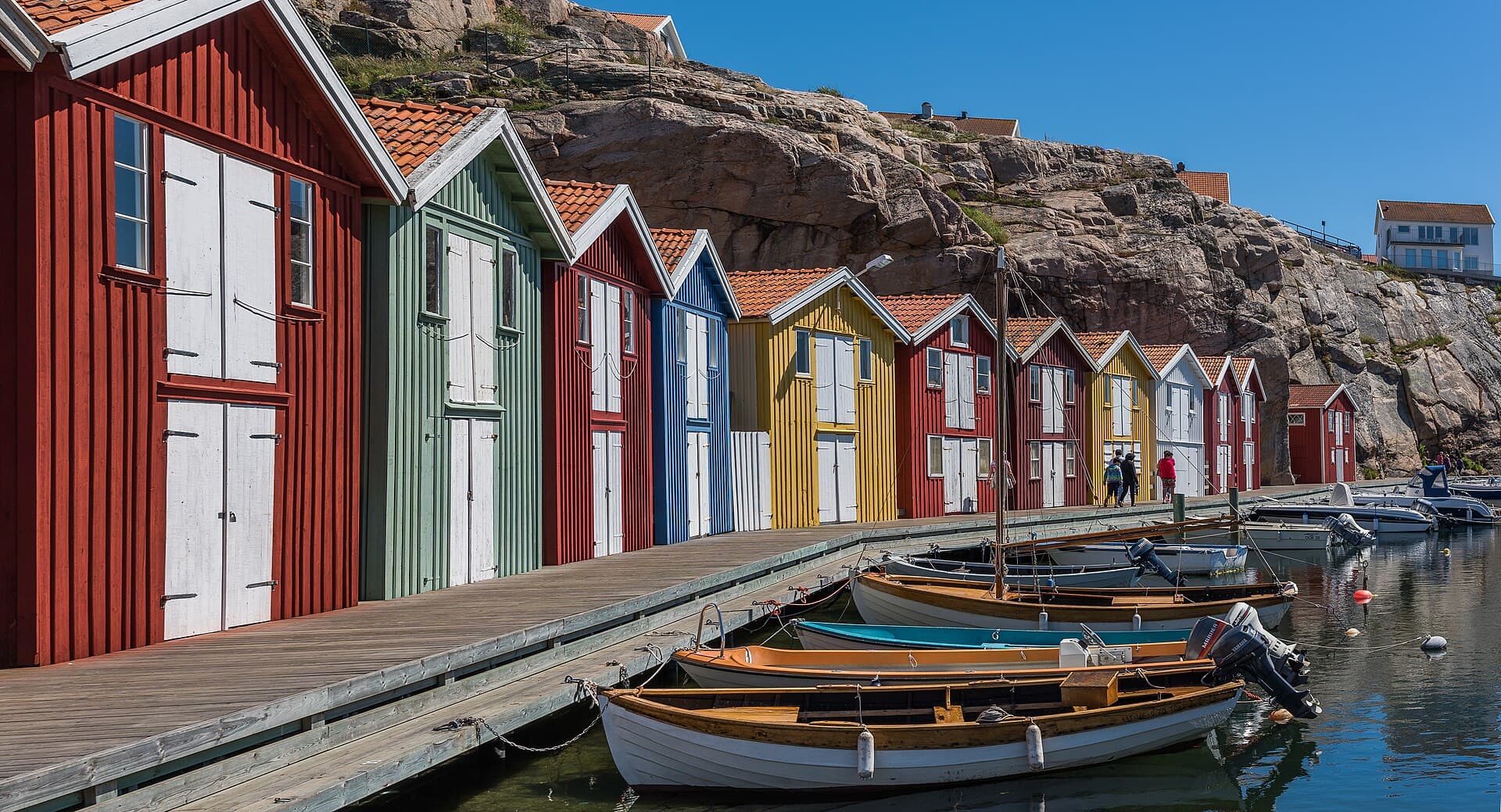 Bengt Nyman from Vaxholm, Sweden / CC BY 2.0, via Wikimedia Commons
Tour de audio autoguiado de Smögen — ruta GPS a pie, reproducción offline, narración en 32 idiomas.
“Donde el granito se encuentra con el mar, y las tradiciones pesqueras pintan el horizonte.”
No las postales. Las historias que ni los locales conocen — al oído, justo donde ocurrieron.
El nombre 'Smögen' no es solo un sonido melódico; insinúa un pasaje secreto.
Imagina la población de un pequeño pueblo multiplicándose por quince de la noche a la mañana.
El puente que conecta Smögen con el continente no siempre estuvo allí, y su llegada marcó un punto de inflexión.
Descubre todos los secretos de Smögen
Cada dirección, cada revelación al completo — a tu oído, justo donde ocurrió.
Eliges tus paradas. Caminas. La voz te revela lo que los demás ignoran.


Tu tour de audioguía por Smögen te espera — elige tus lugares, tu idioma y empieza al llegar.
ComprarLume incluye una guía de realidad aumentada. Levanta el móvil y su cámara muestra la calle que tienes delante, con una flecha luminosa sobre la imagen real que siempre apunta a tu próxima parada — sin mapas que descifrar, sin giros equivocados. Como todo en Lume, funciona completamente sin conexión.
Smögen, una cautivadora localidad en el archipiélago de Bohuslän en Suecia, llama con su distintivo encanto costero. Esta antigua comunidad pesquera, situada en el cinturón marítimo más exterior de la provincia más occidental de Suecia, es conocida por su pintoresco puerto, coloridas casas de botes de madera y una atmósfera animada que atrae a visitantes de todo el mundo.
El corazón de Smögen es, sin duda, su icónico paseo marítimo, Smögenbryggan, un muelle de madera de casi 600 metros de largo lleno de vida con tiendas, cafés y restaurantes que ofrecen mariscos frescos. Más allá del bullicioso muelle, Smögen ofrece dramáticas costas rocosas, serenos lugares para nadar y una profunda cultura marítima que ha moldeado su identidad durante siglos.
Aunque su población durante todo el año es modesta, Smögen realmente cobra vida en verano, transformándose en uno de los destinos turísticos más populares de Suecia. Es un lugar donde la herencia pesquera tradicional se encuentra con el turismo moderno, ofreciendo una mezcla única de experiencias auténticas y animadas festividades veraniegas.
La historia de Smögen está intrínsecamente ligada al mar, su asentamiento y crecimiento impulsados por los ritmos de la pesca y la abundancia del océano. La ciudad aparece por primera vez en los registros escritos en 1594, su vida temprana moldeada por cuatro importantes períodos de pesca de arenque que se extendieron desde mediados del siglo XVI hasta principios del siglo XX. Estos períodos, particularmente el último gran auge del arenque entre 1877 y 1905, vieron a Smögen florecer como un importante puerto de exportación, con un comercio sustancial que se extendía por toda Europa. Durante este tiempo, se construyeron almacenes y salazones, algunos de los cuales aún se mantienen en pie hoy en día, a lo largo del lado norte del puerto.
En el siglo XIX, Smögen comenzó a diversificar su atractivo, emergiendo como un importante balneario. Este cambio marcó las etapas iniciales del turismo, con 'veraneantes' que comenzaron a visitar la isla, alojándose en sus dos hoteles, pensiones o habitaciones privadas. La introducción de vacaciones obligatorias en Suecia, comenzando con dos semanas en 1938 y aumentando gradualmente a cinco semanas para 1978, impulsó aún más el crecimiento de Smögen como destino turístico. Para 1963, la isla recibió alrededor de 30.000 turistas, un número que continuó aumentando durante la década de 1970, consolidando su reputación como un balneario de primera clase en la costa oeste.
A pesar del auge del turismo, la pesca siguió siendo el sustento de Smögen durante gran parte del siglo XX. En 1939, un notable 85% de la población de la isla dependía directamente de la pesca para su sustento, con 325 pescadores activos y un próspero comercio de pescado y marisco. Smögen era un centro pesquero crucial fuera de la región de Gotemburgo, con arrastreros de camarones, arrastreros de pescado, conserveras, un astillero y empresas exportadoras. Sin embargo, en las últimas décadas, la flota pesquera ha disminuido drásticamente, quedando solo un puñado de pescadores activos, centrándose principalmente en el camarón y el cangrejo de río.
La conectividad de la isla también jugó un papel fundamental en su desarrollo. Si bien la comunidad inicialmente abarcaba varias islas muy cercanas —Smögen, Kleven, Sandön y Hasselön—, estas se han integrado desde entonces en una única masa de tierra. Un servicio de ferry al continente se estableció en 1958, acelerando el crecimiento de la isla, y fue finalmente reemplazado por el Puente de Smögen de 500 metros de largo en 1970, consolidando aún más su accesibilidad. Hoy en día, Smögen continúa evolucionando, equilibrando su profunda herencia marítima con su identidad moderna como un animado punto turístico, particularmente conocido por su activa atmósfera veraniega y su popular paseo marítimo.
Smögen ofrece una mezcla de paisajes pintorescos y una animada cultura costera. El Smögenbryggan, un paseo marítimo de madera de casi 600 metros de largo, es el corazón innegable de la ciudad. Bordeado de coloridas casas de botes que ahora albergan tiendas, cafés y restaurantes, es un lugar perfecto para un paseo tranquilo, observar a la gente y disfrutar de mariscos frescos.
Para una inmersión más profunda en la historia local, visita el Smögens Hembygdsmuseum, que ofrece una visión de la vida de los pescadores del siglo XIX en su "Fiskarstugan" y exhibe una vasta colección de antiguos aparejos de pesca en el "Sjöbodsmuseet". También puedes explorar la Choza del Pescador detrás de Smögenbryggan, una vivienda meticulosamente amueblada de alrededor de 1850, que ofrece un vistazo a la vida de los habitantes pasados.
Un corto viaje en barco te llevará a la Isla de Hållö, hogar del faro más antiguo de Bohuslän y conocida por sus aguas cristalinas, incluida la hermosa Marmorbassängen. Los ferries parten regularmente del puerto de Smögen.
Smögen también es conocida por sus acantilados rocosos y calas, que ofrecen numerosos lugares para nadar y tomar el sol. Vallevik, al final del paseo marítimo, ofrece una plataforma de buceo y una playa de arena apta para niños. Para aquellos que buscan actividades más activas, el kayak, la pesca e incluso el buceo son actividades populares.
No pierdas la oportunidad de visitar la Subasta de Pescado de Smögen, una de las principales subastas de mariscos de Suecia desde 1919, donde podrás encontrar la famosa gamba y el cangrejo de río de Smögen.
Smögen es más popular durante los meses de verano, de junio a agosto, cuando la ciudad realmente cobra vida con una atmósfera activa, tiendas abiertas, restaurantes y una animada vida nocturna. Las temperaturas durante este período oscilan entre máximas promedio de 20-25°C (66-77°F). Sin embargo, prepárate para las multitudes, especialmente en julio y principios de agosto.
Para aquellos que prefieren una experiencia más tranquila mientras disfrutan de un clima agradable, finales de mayo y principios de septiembre ofrecen un buen equilibrio, con menos turistas y temperaturas confortables. El Festival de la Isla de la Luz a principios de septiembre también ofrece una experiencia única, transformando la isla con instalaciones de arte lumínico.
Visitar durante los meses más fríos, de noviembre a marzo, significa que muchas tiendas y restaurantes pueden estar cerrados, pero ofrece la oportunidad de experimentar el lado tranquilo de Smögen, con temperaturas promedio que oscilan entre -1°C y 7°C (29-44°F).
Smögen está conectada con el continente por el Puente de Smögen, lo que la hace accesible en coche. Conducir desde Gotemburgo lleva poco menos de dos horas. El estacionamiento cerca de Smögenbryggan puede ser caro, alrededor de 50 SEK por hora, así que considera estacionar en la cercana Kungshamn, donde las opciones suelen ser más baratas o incluso gratuitas durante un par de horas.
Alternativamente, puedes tomar un taxi acuático "Zita boat" desde Kungshamn hasta Smögen, un pintoresco viaje de 20 minutos. La isla es pequeña y muy transitable, lo que te permite explorar sus diversos lugares para nadar y atracciones a pie.
El alojamiento varía desde hoteles como Smögens Hafvsbad y Pensionat Bryggan hasta casas de huéspedes y alquileres vacacionales, con precios que varían significativamente según la temporada. Se recomienda encarecidamente reservar con antelación, especialmente para el verano y durante las vacaciones de Midsommar (mediados a finales de junio). Aunque Smögen es conocida por su vida nocturna en verano, también atiende a familias con niños, ofreciendo playas de arena seguras y actividades.
Smögen en coreano, en chino o en hebreo — y 29 idiomas más, cada parada narrada por una voz nativa. La mayor variedad de idiomas de cualquier audioguía autoguiada.
Disponible en: