Sölvesborg Bridge
This pedestrian span, a record-setter in length, reveals a different persona once twilight descends.
Full story unlocks in the tour
 Sendelbach (talk) / CC BY-SA 3.0, via Wikimedia Commons
Self-guided audio walking tour of Sölvesborg — GPS route, offline playback, story-driven narration in 32 languages.
“Where ancient stones meet the Baltic breeze, and modern light traces medieval lines.”
Not the postcards. The stories even locals don't know — whispered in your ear, right where they happened.
This pedestrian span, a record-setter in length, reveals a different persona once twilight descends.
Beneath these weathered stones, a narrative of Danish might, Swedish sieges, and a surprising transformation awaits.
This Gothic church safeguards a secret from an era when Sölvesborg served as a spiritual nexus, long before the Reformation's arrival.
Discover every secret of Sölvesborg
Every address, every reveal in full — in your ear, right where it happened.
You pick your stops. You walk. The voice reveals what the others miss.
Your self-guided audio tour of Sölvesborg is ready — pick your landmarks, choose your language, and start the moment you arrive.
BuyLume has a built-in augmented-reality guide. Hold your phone up and its camera shows the street ahead of you, with a glowing arrow laid over the real view that always points to your next stop — no map to puzzle over, no wrong turns. Like everything in Lume, it works fully offline.
Sölvesborg, a captivating coastal town in Sweden's Blekinge County, offers a compelling fusion of medieval legacy and contemporary design. Situated on a headland where the Baltic Sea greets the Listerland peninsula, it is a place where narrow, ancient lanes open onto expansive sea vistas. With a population of approximately 10,000, Sölvesborg maintains a serene rhythm, making it an ideal retreat for those seeking both cultural immersion and the quiet beauty of nature.
The town serves as a portal to varied experiences, from exploring the weathered stones of castle ruins and a Gothic church to traversing one of Europe's longest pedestrian bridges. Beyond its immediate center, Sölvesborg extends into the enchanting landscapes of Listerlandet, with its tranquil fishing villages and sandy shores, and the magical beech forests of Ryssberget to the north. Whether drawn by history, outdoor pursuits, or lively local celebrations, Sölvesborg promises a distinctive and enduring journey.
Sölvesborg's origins stretch back to the Stone Age, with evidence of early settlements dating back 8,000 years in areas like Gammalstorp, Siretorp, and Istaby. The town itself began to coalesce in the 12th century, strategically positioned between the Ryssberget mountain and the Sölvesborgsviken bay. It was during this period that the oldest sections of Sankt Nicolai Kyrka, the town's prominent Gothic church, took form.
For centuries, Sölvesborg held a pivotal role as a Danish stronghold. The Sölvesborg Castle, erected in the 13th century, stood as the largest and most crucial medieval fortification in Eastern Denmark, overseeing vital trade routes between Danish Blekinge and Swedish Småland. The town received its city charter in 1445 from King Christopher of Bavaria. However, its Danish allegiance led to its destruction in 1564, when Danish forces set fire to the castle to prevent it from falling into Swedish hands during a period of conflict.
Sölvesborg eventually became part of Sweden with the Peace of Roskilde in 1658. The 18th century witnessed a decline in its prominence as trade privileges were transferred to nearby Karlshamn, compelling residents to turn to farming and fishing. Yet, the town persisted, later gaining renown for glove and hat making, and in the 19th century, for spirit exports. Today, Sölvesborg embraces its enduring past, evident in its preserved medieval street plan and historical structures, while also looking toward the future with contemporary architectural creations like the Sölvesborg Bridge.
Begin your exploration at the Sölvesborg Bridge, a remarkable 760-meter pedestrian and bicycle span that links the city center to the Ljungaviken district. It becomes particularly captivating at night when its LED lighting orchestrates a dynamic, colorful display. From there, wander toward the Sölvesborg Castle Ruins, the remnants of a significant 13th-century Danish fortress, offering sweeping views of the town and bay.
In the heart of the old town, discover Sankt Nicolai Kyrka, a beautiful Gothic church dating to the late 13th century. It stands as Sölvesborg's sole preserved medieval building after a devastating fire in 1801. Nearby, the Sölvesborg Museum, housed within a former distillery, offers understanding into the town's cultural narrative, including Stone Age artifacts and excavations from the castle and a former Carmelite monastery. Do not overlook Stortorget (Main Square), with its appealing medieval street layout and welcoming cafés. For those who love nature, the Listerlandet peninsula beckons with its picturesque fishing communities like Hällevik, sandy shores, and nature reserves such as Spraglehall. To the north, Ryssberget Nature Reserve presents extensive beech forests and walking paths.
The most pleasant time to visit Sölvesborg for activities in warmer weather is from late June to late August, when temperatures are agreeable, averaging around 20-21°C during the day. This period also aligns with the lively Killebom city festival in early July, which includes a medieval market, and the celebrated Sweden Rock Festival in early June, held in nearby Norje. For fewer crowds and a cooler perspective, consider visiting during the quieter months from November to February, though prepare for colder, snowy, and often overcast conditions.
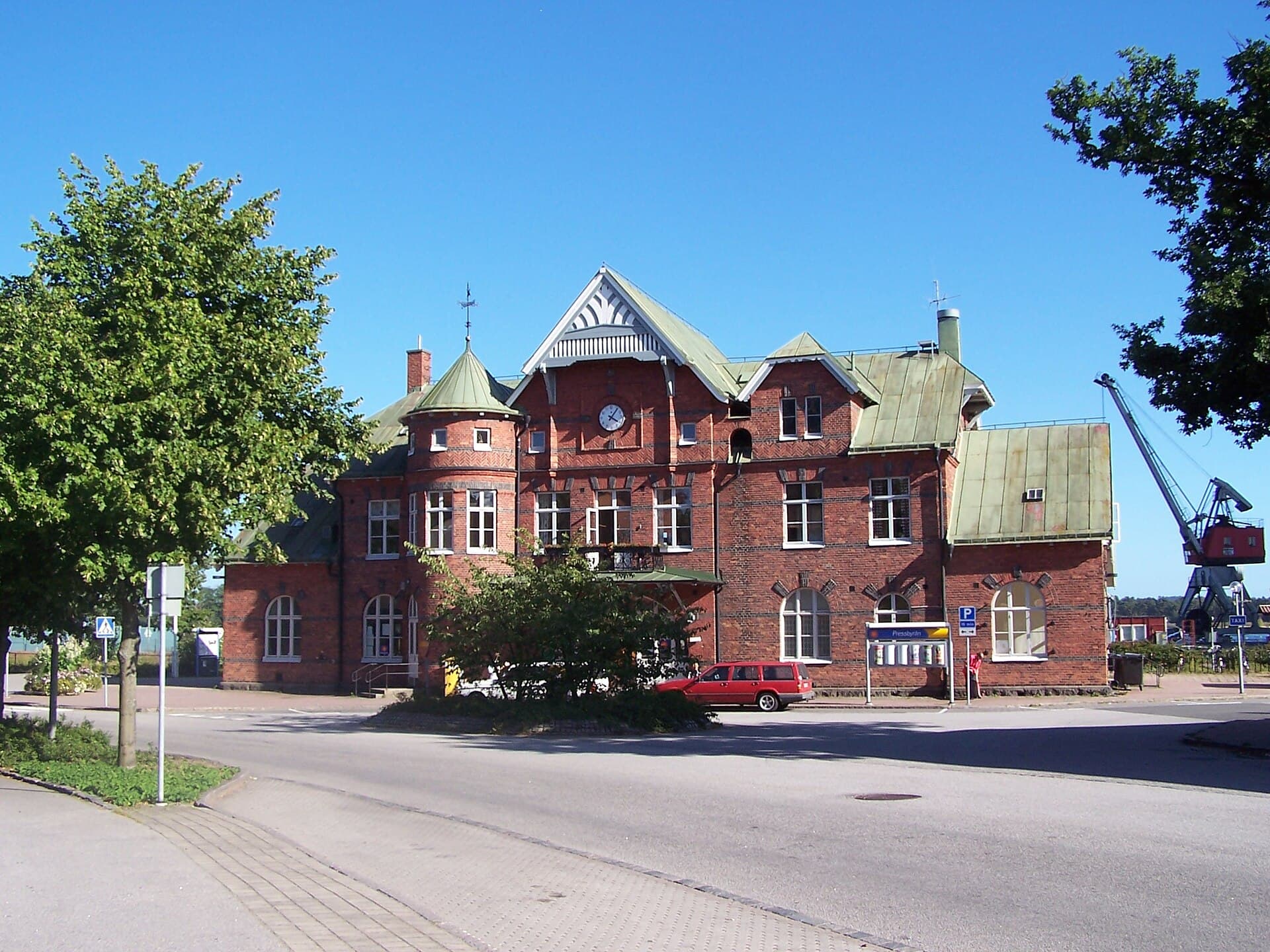
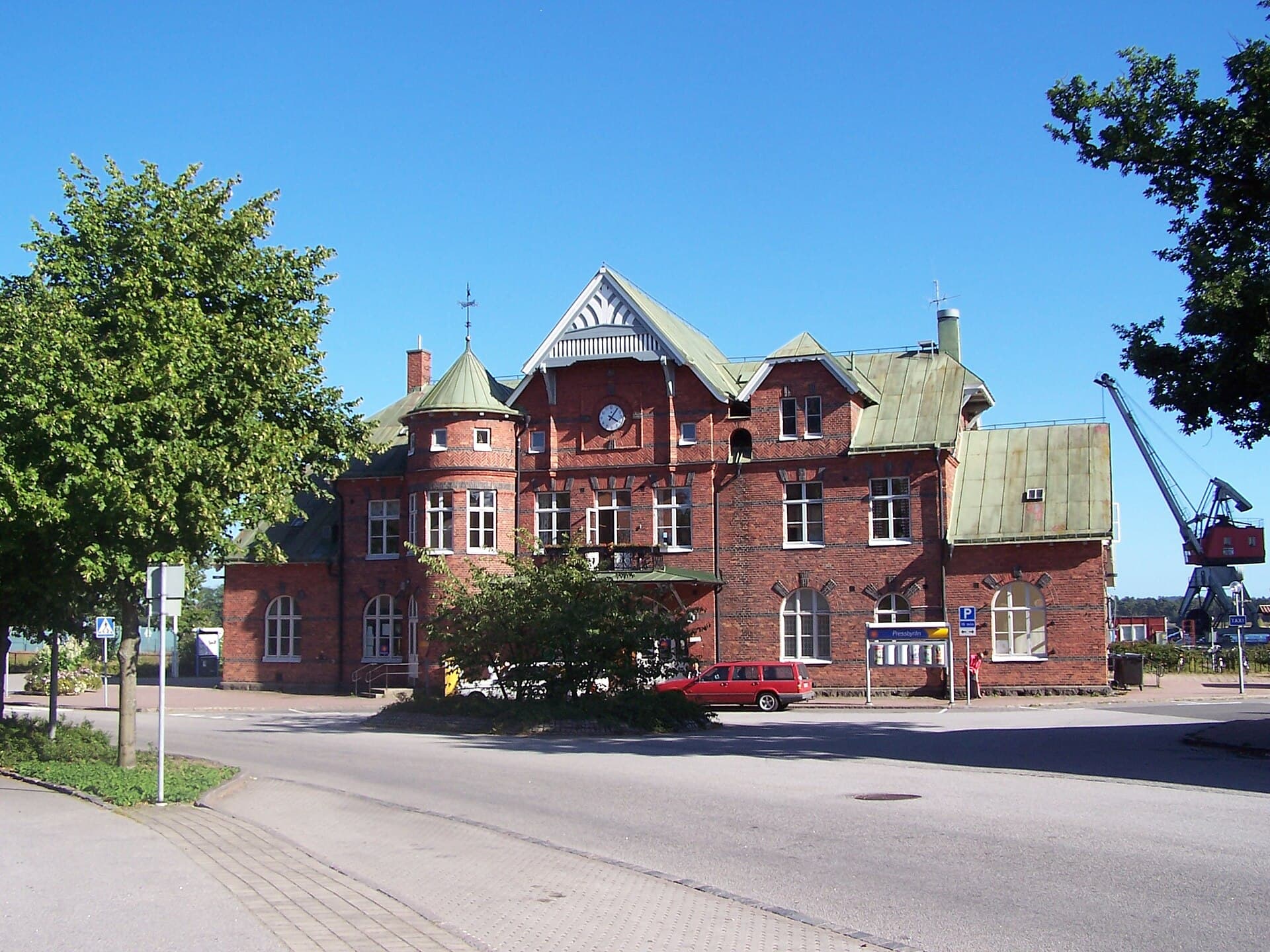
Sölvesborg is readily accessible by car via the E22 highway or by train, with Öresundstågen services connecting to Copenhagen/Malmö and Karlskrona. The train station is centrally situated, providing easy access to the Sölvesborg Bridge and the town center. For local transit, buses serve various stops, including routes to nature reserves and the Listerlandet peninsula. Cycling is a favored way to explore, with bike rentals available in the city and at campsites on Listerlandet. While Sölvesborg is generally a very safe town, it is prudent to reserve taxis in advance for late-night returns, as they can be scarce on the street. Alcoholic beverages in Swedish bars can be costly, with a glass of beer or wine typically priced between 70–100 SEK.
Sölvesborg in Korean, in Chinese or in Hebrew — and 29 more languages, every stop narrated by a native voice. The widest language range of any self-guided audio tour.
Available in: