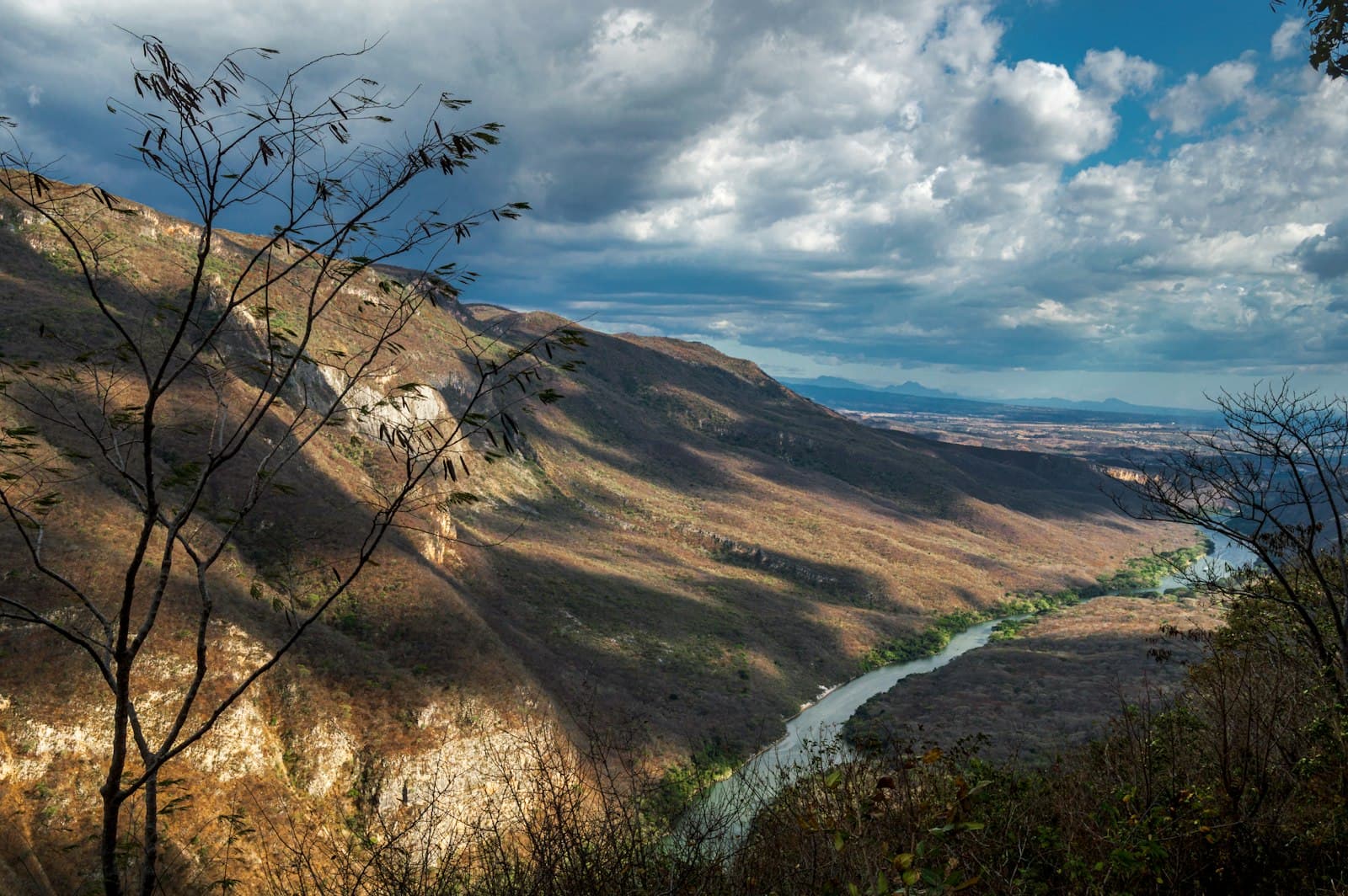
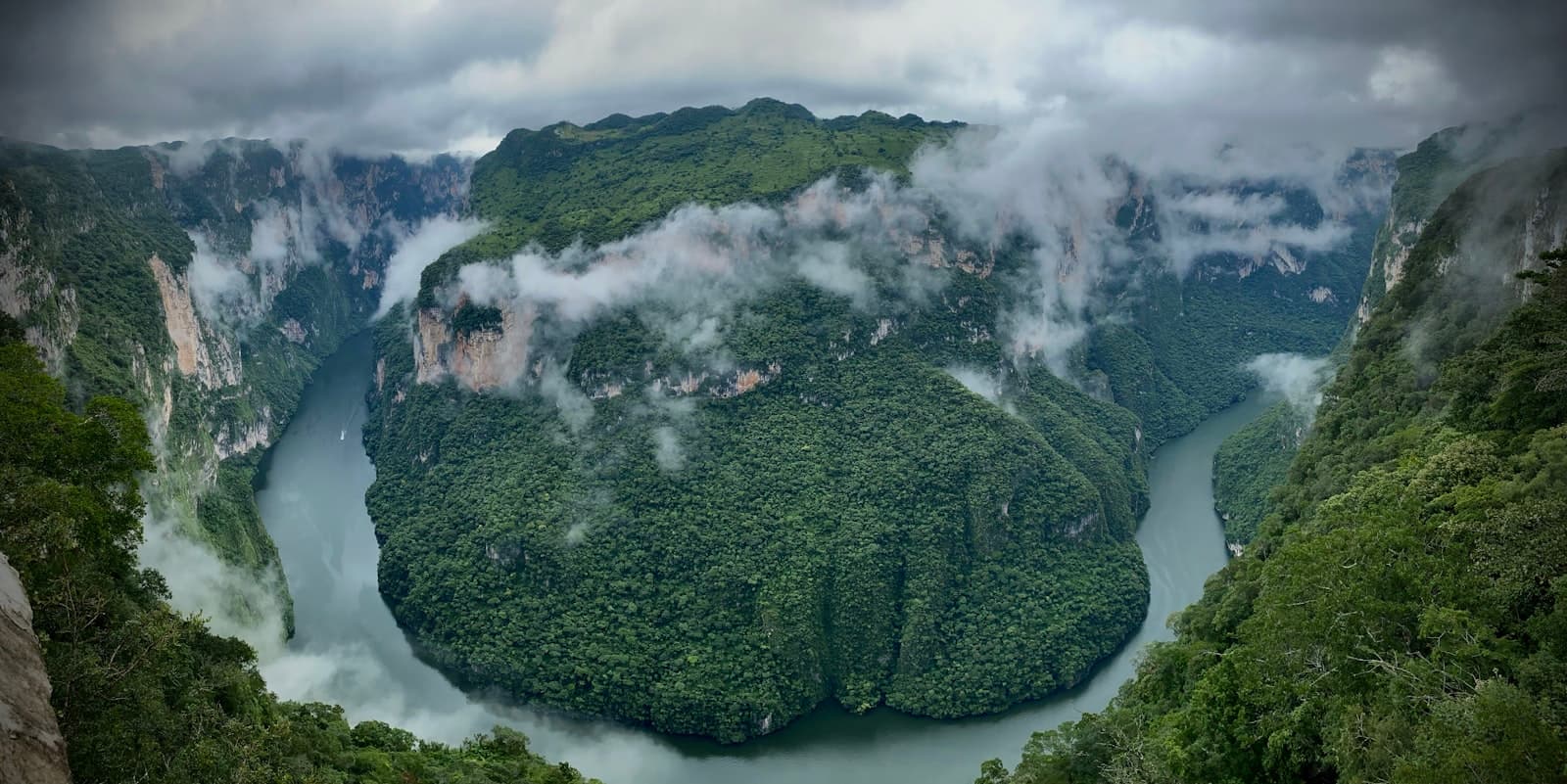
Sumidero Canyon
Beyond the dramatic cliffs, a quiet chapel stands, a testament to enduring faith.
Full story unlocks in the tour
 Baquides / CC BY-SA 3.0, via Wikimedia Commons
Self-guided audio walking tour of Tuxtla Gutiérrez — GPS route, offline playback, story-driven narration in 32 languages.
“Where the jungle breathes ancient secrets and marimbas set the rhythm.”
Not the postcards. The stories even locals don't know — whispered in your ear, right where they happened.
Beyond the dramatic cliffs, a quiet chapel stands, a testament to enduring faith.
Observe the bell tower closely during the hourly chimes, and you will witness a subtle, almost magical, transformation.
The nightly marimba dances carry a profound significance for many of Tuxtla's older residents.
Discover every secret of Tuxtla Gutiérrez
Every address, every reveal in full — in your ear, right where it happened.
You pick your stops. You walk. The voice reveals what the others miss.
Your self-guided audio tour of Tuxtla Gutiérrez is ready — pick your landmarks, choose your language, and start the moment you arrive.
BuyLume has a built-in augmented-reality guide. Hold your phone up and its camera shows the street ahead of you, with a glowing arrow laid over the real view that always points to your next stop — no map to puzzle over, no wrong turns. Like everything in Lume, it works fully offline.
Tuxtla Gutiérrez, the capital of Chiapas, Mexico, is a city that pulses with a modern energy while retaining deep connections to its Zoque indigenous roots. Situated in the Sabinal River valley, it serves as a crucial economic and transportation hub for the state. Unlike some of Chiapas' more overtly colonial towns, Tuxtla presents a contemporary face, with wide avenues and a bustling commercial scene.
While many travelers use Tuxtla as a gateway to Chiapas' renowned natural and cultural attractions, the city itself offers a genuine glimpse into regional life. It's a place where urban development coexists with a profound respect for tradition, evident in its lively markets, unique gastronomy, and the ever-present sounds of the marimba. Tuxtla Gutiérrez is a city of movement and growth, constantly evolving yet firmly grounded in its heritage.
The origins of Tuxtla Gutiérrez trace back to a Zoque settlement known as Coyatoc, meaning 'place of the rabbit or rabbits.' This name was later translated to Tochtlan by Nahua-speaking people after the Aztecs conquered the area between 1486 and 1505.
In the 16th century, Dominican friars reorganized the urban layout and renamed it San Marcos Tuxtla, establishing a church dedicated to Saint Mark in 1560. The town was elevated to a villa by the Cortes of Cádiz, Spain, in 1813, and then to a city in 1829. Tuxtla proclaimed its independence on September 4, 1821.
A significant turning point occurred in 1892 when Tuxtla replaced San Cristóbal de las Casas as the state capital, solidifying its administrative and commercial importance. The city played a role in the Mexican Revolution, with Carrancista troops entering in 1914. In 1915, Chiapas was reorganized into a new municipal system, with Tuxtla Gutiérrez as the head of its own municipality. However, opposition to Carranza's policies led to the burning of the state government building, resulting in the loss of many historical records.
From the 1970s onward, Tuxtla Gutiérrez experienced rapid population growth, becoming the most populous city in Chiapas. This growth led to the annexation of the municipality of Terán in 1973. The city has continued to modernize, with new infrastructure and cultural institutions, while striving to preserve its Zoque heritage and traditions. In 2010, the Diocese of Tuxtla was elevated to an archdiocese.
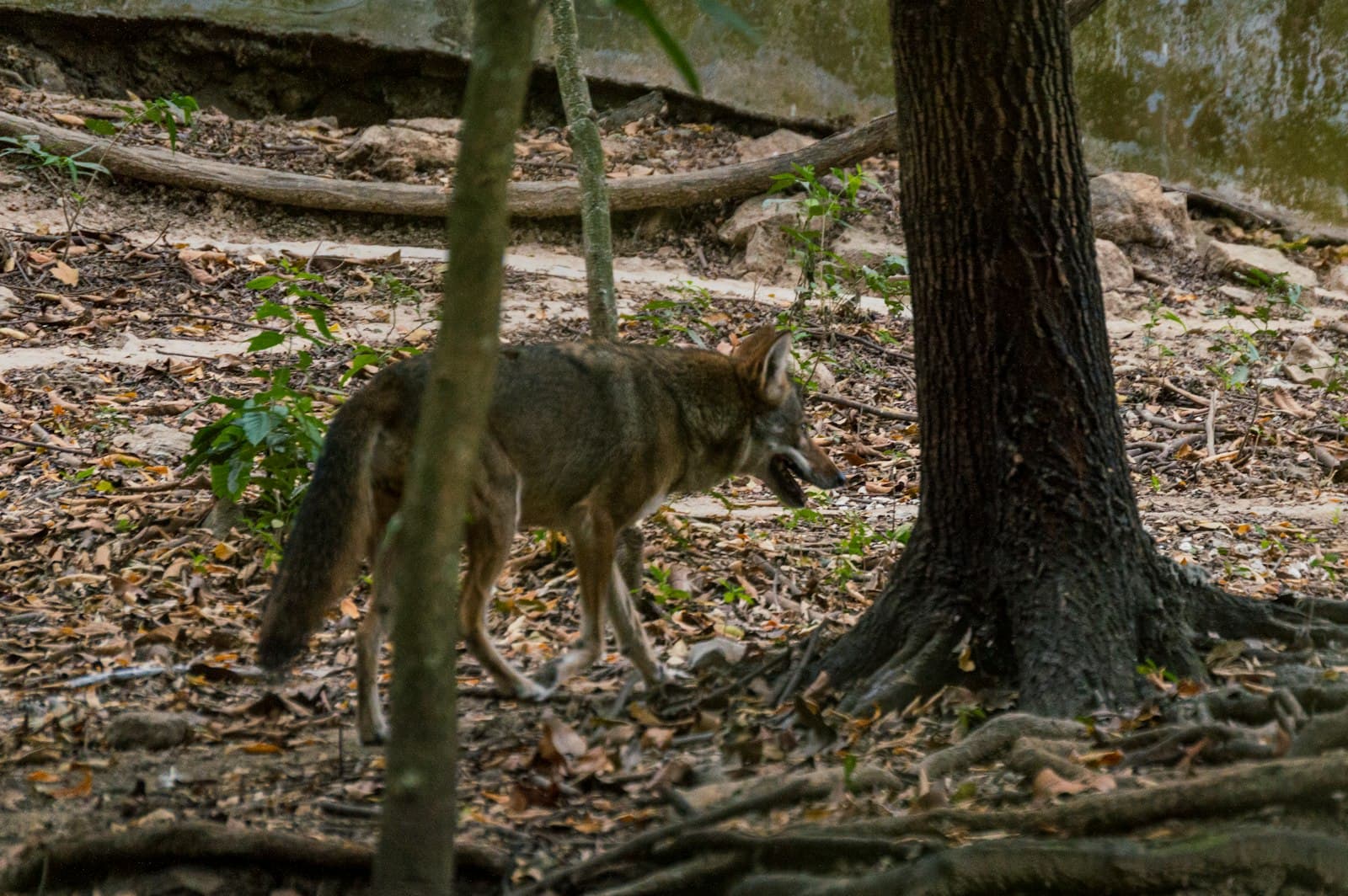
Begin at the Sumidero Canyon National Park, a geological marvel offering dramatic boat tours through towering cliffs and opportunities to view wildlife. Back in the city, the San Marcos Cathedral is a central landmark, notable for its hourly display of the Apostles on its bell tower. Immerse yourself in local culture at Parque de la Marimba, where live marimba music fills the air nightly, inviting locals and visitors to dance. For an encounter with Chiapas' diverse fauna, visit the Miguel Álvarez del Toro Zoo (ZOOMAT), recognized for its conservation efforts and focus on regional species. Explore the botanical wonders of the region at the Faustino Miranda Botanical Garden, which also houses a botanical museum. The Regional Museum of Anthropology and History provides a comprehensive overview of Chiapas' past, from pre-Hispanic times to the present. Discover the Coffee Museum to learn about Chiapas' significant coffee production. For a taste of local crafts, the Institute Casa de Las Artesanías de Chiapas offers both a store and a museum.
The best time to visit Tuxtla Gutiérrez is during the dry season, which runs from November to mid-May. During these months, rainfall is minimal, and the temperatures are more comfortable for outdoor activities. While April, May, and June can be the hottest months, with temperatures reaching up to 42°C (108°F), the cooler dry season offers pleasant conditions for exploring. The wet season, from June to October, brings frequent afternoon rains.
Tuxtla Gutiérrez is generally considered safe for travelers, particularly in central areas and popular attractions. However, like any urban area, it's wise to be aware of your surroundings and avoid isolated spots, especially at night. Street crime, such as robbery, is reported to be moderate, particularly around transport hubs. Road closures due to protests occur more frequently in Chiapas than in other Mexican states, which can cause delays, though they are usually non-violent towards travelers.
Angel Albino Corzo International Airport (TGZ) serves Tuxtla Gutiérrez with flights from major Mexican cities like Mexico City, Guadalajara, and Monterrey. Buses and colectivos (shared vans) are readily available for getting around the city and are an affordable option. When visiting, pack lightweight, breathable clothing, comfortable walking shoes, sunscreen, a hat, and stay hydrated due to the warm, tropical climate. If traveling during the rainy season (June to October), an umbrella or raincoat is recommended.
Tuxtla Gutiérrez in Korean, in Chinese or in Hebrew — and 29 more languages, every stop narrated by a native voice. The widest language range of any self-guided audio tour.
Available in: