Rue des Puces
Vogüé est célèbre pour l'une de ses rues incroyablement étroites.
L'histoire complète se débloque dans le tour
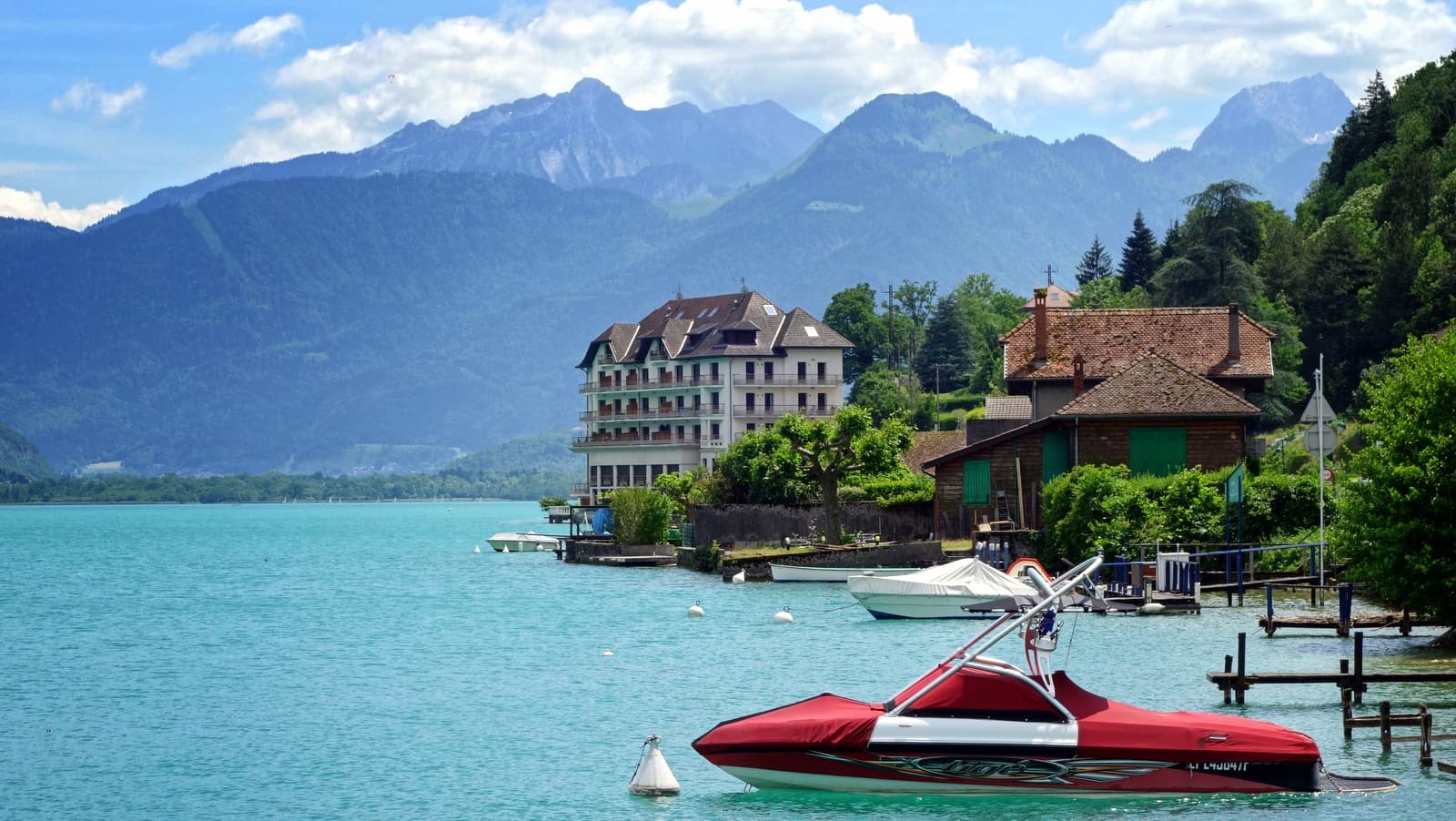 Miwok from France / cc0, via Wikimedia Commons
Visite audio autoguidée de Vogüé — parcours GPS à pied, lecture hors ligne, narration en 32 langues.
“Là où les falaises de calcaire rencontrent le charme médiéval, et l'Ardèche coule.”
Pas les cartes postales. Les histoires que même les habitants ignorent — soufflées à l'oreille, là où elles se sont passées.
Vogüé est célèbre pour l'une de ses rues incroyablement étroites.
Le pont principal menant à Vogüé a un surnom surprenant et durable.
Au-delà des grandes salles et des jardins suspendus, le château cache un secret plus austère et plus ancien.
Découvrez tous les secrets de Vogüé
Chaque adresse, chaque révélation en entier — dans ton oreille, là où elle s'est passée.
Tu choisis tes lieux. Tu marches. La voix te révèle ce que les autres ignorent.

Votre visite audioguidée de Vogüé vous attend — choisissez vos lieux, votre langue, et lancez-vous dès votre arrivée.
AcheterLume intègre un guide en réalité augmentée. Levez votre téléphone : sa caméra montre la rue devant vous, avec une flèche lumineuse posée sur l'image réelle qui pointe toujours vers votre prochain arrêt — aucune carte à déchiffrer, aucun mauvais virage. Comme tout dans Lume, ça fonctionne entièrement hors-ligne.
Vogüé, un village taillé dans une falaise calcaire le long de l'Ardèche, est un exemple frappant de l'architecture médiévale du sud de la France. Régulièrement reconnu comme l'un des « Plus Beaux Villages de France », ses bâtiments semblent surgir directement de la roche, créant une silhouette dramatique et pittoresque. L'agencement circulaire unique du village, caractérisé par des rues étroites et pavées et des arcades en pierre, invite à l'exploration. Vogüé est plus qu'une simple étape pittoresque ; c'est un « Village de Caractère » désigné et une « Station Verte », reflétant son engagement à préserver à la fois son patrimoine culturel et son environnement naturel.
Le village sert de porte d'entrée aux Gorges de l'Ardèche, offrant un mélange de découvertes historiques et d'aventures en plein air. Du canoë sur la rivière à la randonnée sur les sentiers environnants, Vogüé offre une évasion tranquille où le rythme de vie ralentit, permettant aux visiteurs d'apprécier la pierre chauffée par le soleil et le parfum des herbes sauvages de la garrigue. Que vous recherchiez des vacances en famille relaxantes, un cadre romantique ou une exploration active de la nature, Vogüé offre un coin authentique et préservé de la France.
Sa situation stratégique dans le département de l'Ardèche, en région Auvergne-Rhône-Alpes, près de villes comme Aubenas, en fait une base idéale pour découvrir la région. Le charme du village lui a même valu une place dans le top 5 de l'émission télévisée « Village préféré des Français » en 2016.
L'histoire de Vogüé est profondément liée à sa position stratégique sur l'Ardèche et aux imposantes falaises calcaires qui définissent son paysage. Bien que les détails spécifiques de ses origines les plus anciennes soient rares, les caractéristiques géologiques de la région suggèrent une longue présence humaine. Le nom du village et sa principale caractéristique architecturale, le Château de Vogüé, témoignent d'un important passé médiéval. Le site du château actuel englobait probablement un donjon initial datant de la fin du XIIe ou du début du XIIIe siècle, indiquant sa fonction précoce de position fortifiée.
Au XVe siècle, le château avait évolué, comportant à l'origine trois corps de logis en forme de U flanqués de tours circulaires. Le village lui-même s'est développé autour de cette forteresse centrale, avec des rues étroites et sinueuses et des maisons en pierre formant un agencement défensif en amphithéâtre contre la falaise. La famille de Vogüé, une lignée locale proéminente, a conservé la propriété du château pendant des siècles, façonnant son destin.
Le XVIIe siècle a marqué une période de transformation significative pour le Château de Vogüé. D'importantes rénovations ont adouci sa façade médiévale austère, introduisant des éléments de grâce et de raffinement caractéristiques de la Renaissance. De larges fenêtres, des balcons et les jardins suspendus distinctifs — une terrasse surélevée construite sur les douves comblées — ont été ajoutés, transformant la forteresse en une résidence plus agréable. Cependant, cette période de grandeur a été interrompue par la Révolution française, au cours de laquelle le château a été incendié et est tombé en ruine.
Le château a été reconstruit dans la seconde moitié du XIXe siècle, retrouvant son apparence imposante avec quatre tours d'angle et des fenêtres à meneaux. Aujourd'hui, les façades sont inscrites à l'Inventaire Supplémentaire des Monuments Historiques, et le château est ouvert au public, servant d'espace d'exposition pour les arts visuels. Le village de Vogüé continue d'honorer son passé, avec des visites guidées régulièrement proposées pour aider les visiteurs à s'imprégner de son histoire durable. Son caractère médiéval et son cadre pittoresque lui ont valu la reconnaissance comme l'un des « Plus Beaux Villages de France » et un « Village de Caractère », assurant sa préservation pour les générations futures.
Le village de Vogüé offre un voyage captivant à travers le temps, qu'il est préférable d'explorer en flânant dans ses rues pavées labyrinthiques. Un sentier balisé et numéroté guide les visiteurs devant les caractéristiques les plus remarquables, y compris d'anciens puits et un moulin.
Au cœur du village se dresse le majestueux Château de Vogüé, une forteresse médiévale transformée en résidence Renaissance. Les visiteurs peuvent explorer ses salles historiques, y compris une chapelle de style roman avec des vitraux d'Alfred Manessier et une collection du graveur sur bois Jean Chièze, ainsi que la Salle des États de Vivarais. Les donjons et les caves du château sont également accessibles, offrant un aperçu de sa fonction défensive antérieure. Prenez le temps de découvrir les jardins suspendus, également connus sous le nom de « jardins de la marquise », qui offrent des vues panoramiques exceptionnelles sur les Monts d'Ardèche et la rivière en contrebas.
Au-delà du château, découvrez la Rue des Puces, réputée l'une des rues les plus étroites de France, et la Tourasse, l'une des premières résidences de la famille de Vogüé. L'église Sainte-Marie, reconstruite à la fin du XVIIe siècle après les guerres de Religion, abrite le caveau des seigneurs de Vogüé. Pour une vue spectaculaire, suivez le sentier depuis le château jusqu'à la Chapelle Saint-Cerice, ou « Gleysette », construite dans la roche et surplombant le village.
Les périodes les plus agréables pour visiter Vogüé sont le printemps (avril-mai) et le début de l'automne (septembre-octobre). Durant ces mois, le temps est doux, les paysages sont verdoyants et les foules sont moins nombreuses, permettant une expérience plus tranquille. Les températures en mai, juin, juillet, août et septembre sont généralement favorables, allant de 22°C à 29°C. Bien que l'été (juillet et août) offre des températures chaudes idéales pour la baignade dans l'Ardèche, le village et ses attractions seront considérablement plus fréquentés. Octobre offre une délicieuse combinaison de temps agréable et de moins de monde, avec des températures moyennes l'après-midi entre 18°C et 24°C.
Vogüé se découvre idéalement à pied, des chaussures confortables sont donc essentielles pour parcourir ses rues pavées et ses sentiers vallonnés. Le stationnement est généralement disponible à l'extérieur du centre historique, et les visiteurs peuvent entrer dans le village par le pont traversant l'Ardèche. L'office de tourisme du village fournit des cartes et des informations sur le sentier balisé qui guide les visiteurs vers les sites clés.
Pour ceux qui prévoient des activités nautiques, des locations de canoës et de kayaks sont disponibles près du pont à l'entrée du village. Si vous avez l'intention d'explorer la région environnante de l'Ardèche, une voiture est généralement essentielle pour atteindre de nombreuses attractions à proximité. Le marché local a lieu tous les lundis matin en juillet et août, offrant l'occasion de déguster des produits régionaux. Plusieurs charmants cafés et restaurants servent une cuisine ardéchoise, réputée pour ses plats copieux élaborés avec des ingrédients locaux comme les crique ardéchoise (galettes de pommes de terre), les fromages de chèvre et les châtaignes.
Vogüé en coréen, en chinois ou en hébreu — et dans 29 autres langues, chaque étape narrée par une voix native. La plus large gamme de langues de tous les audioguides autoguidés.
Disponible en :