El Nombre 'Zahara'
El nombre del pueblo no es un guiño poético a sus abundantes azahares, como muchos podrían suponer.
La historia completa se desbloquea en el tour
 Lesamourai at English Wikipedia / Public domain, via Wikimedia Commons
Tour de audio autoguiado de Zahara de la Sierra — ruta GPS a pie, reproducción offline, narración en 32 idiomas.
“Donde las paredes encaladas se encuentran con aguas turquesas, y la historia antigua resuena desde las cumbres.”
No las postales. Las historias que ni los locales conocen — al oído, justo donde ocurrieron.
El nombre del pueblo no es un guiño poético a sus abundantes azahares, como muchos podrían suponer.
Uno podría esperar que un pueblo de montaña estuviera lejos de cualquier playa, sin embargo, Zahara de la Sierra ofrece una sorprendente escapada acuática.
Esta parte de Andalucía es conocida por su clima seco, sin embargo, Zahara de la Sierra experimenta un peculiar fenómeno meteorológico.
Descubre todos los secretos de Zahara de la Sierra
Cada dirección, cada revelación al completo — a tu oído, justo donde ocurrió.
Eliges tus paradas. Caminas. La voz te revela lo que los demás ignoran.
Tu tour de audioguía por Zahara de la Sierra te espera — elige tus lugares, tu idioma y empieza al llegar.
ComprarLume incluye una guía de realidad aumentada. Levanta el móvil y su cámara muestra la calle que tienes delante, con una flecha luminosa sobre la imagen real que siempre apunta a tu próxima parada — sin mapas que descifrar, sin giros equivocados. Como todo en Lume, funciona completamente sin conexión.
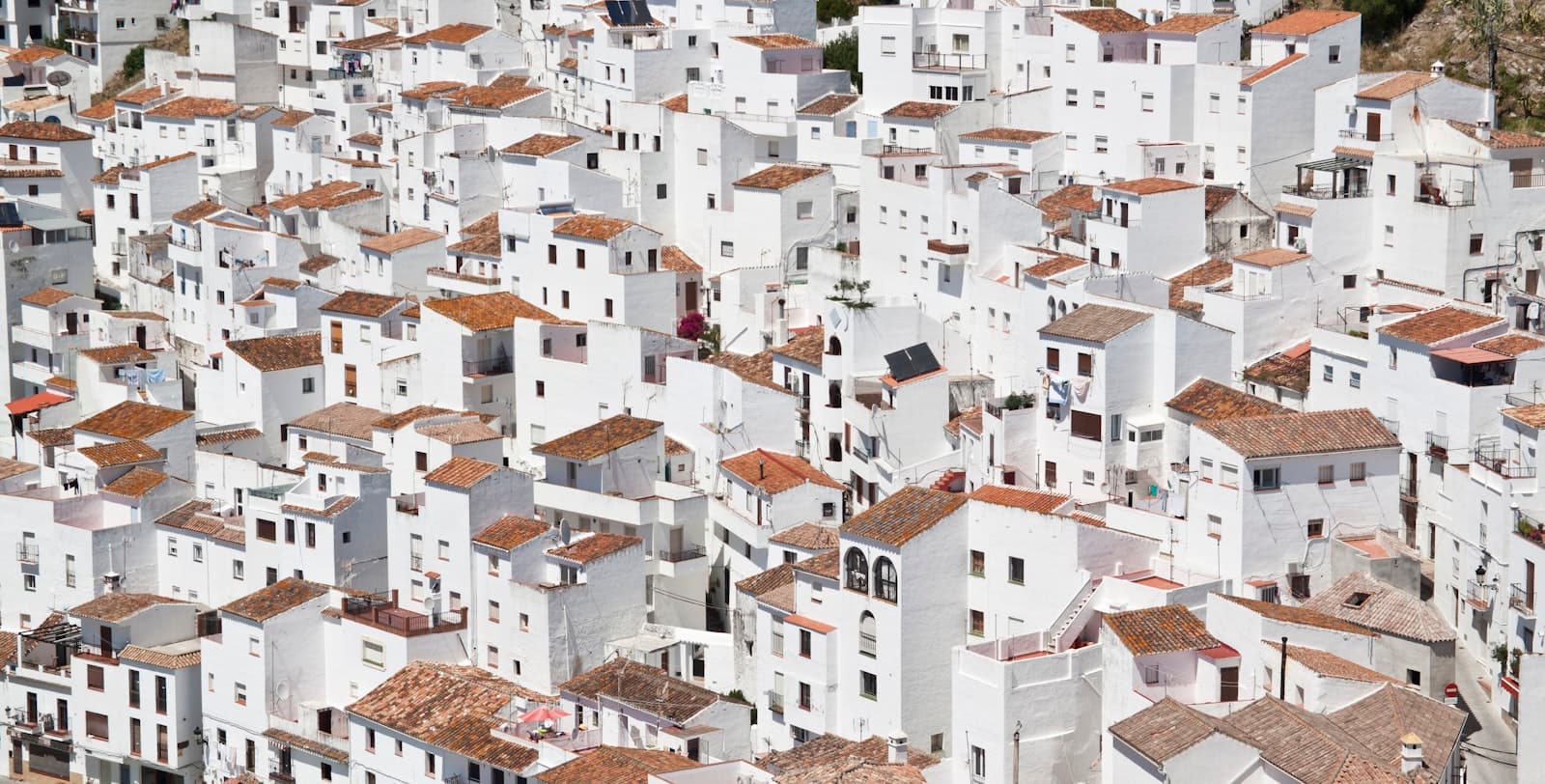
Zahara de la Sierra, uno de los 'pueblos blancos' de Andalucía, capta la atención desde su posición en lo alto de una colina rocosa en la provincia de Cádiz. Con vistas a las aguas turquesas del embalse de Zahara-El Gastor y enmarcado por el escarpado Parque Natural Sierra de Grazalema, el pueblo presenta un llamativo cuadro de edificios encalados coronados por un castillo medieval.
Este pueblo ofrece más que solo vistas panorámicas; es un lugar donde la historia es palpable en sus calles estrechas y sinuosas y en su arquitectura tradicional. Los visitantes pueden explorar antiguas fortificaciones, admirar iglesias barrocas y descubrir un ritmo de vida más lento, profundamente conectado con la naturaleza y el patrimonio. Zahara de la Sierra proporciona una auténtica experiencia andaluza, a menudo descrita como un retiro tranquilo de destinos turísticos más concurridos.
Los orígenes de Zahara de la Sierra se remontan a tiempos prehistóricos, con restos arqueológicos que indican una temprana habitación humana. Según los relatos históricos, fue la antigua Lastigi durante el período romano. Sin embargo, fue durante la ocupación morisca cuando Zahara realmente alcanzó su esplendor, convirtiéndose en un puesto avanzado estratégicamente vital para el reino musulmán de Granada.
Su ubicación entre Ronda y Sevilla la convirtió en un lugar ideal para una fortaleza, lo que llevó a la construcción de su impresionante castillo entre los siglos XIII y XIV. Esta fortaleza fue un actor clave en la frontera medieval de Ronda, presenciando numerosos conflictos entre fuerzas moriscas y cristianas. La referencia documentada más antigua a Zahara data de 1282.
Zahara de la Sierra fue capturada por primera vez por los cristianos en 1407, pero luego recapturada por los moros nazaríes en 1481. Esta pérdida sorpresa proporcionó a los Reyes Católicos un pretexto para avanzar en sus esfuerzos de reconquista. En 1483, las tropas castellanas, lideradas por Rodrigo Ponce de León, recapturaron el castillo, una conquista que le valió el título de 1er Duque de Cádiz en 1484. Incluso después de la reconquista cristiana, la influencia musulmana siguió siendo evidente en la arquitectura y la cultura.
La población del pueblo experimentó un declive a mediados del siglo XX, perdiendo la mitad de sus habitantes entre 1970 y 1985. Sin embargo, su importancia histórica y artística fue reconocida oficialmente en 1983 cuando fue declarado Conjunto Histórico-Artístico. Hoy en día, Zahara de la Sierra es celebrada como uno de los pueblos blancos más hermosos de Andalucía y forma parte de la renombrada Ruta de los Pueblos Blancos.
Comience su exploración en el Castillo de Zahara de la Sierra, una fortaleza de los siglos XIII al XIV que corona el pueblo. El ascenso a la Torre del Homenaje ofrece vistas panorámicas del embalse, las montañas circundantes y los tejados encalados. La arquitectura del castillo refleja una mezcla de estilos nazarí y cristiano.
Descienda al casco antiguo para pasear por calles estrechas y empinadas bordeadas de casas tradicionales encaladas adornadas con flores. Esta zona ofrece numerosas oportunidades para fotos y una atmósfera andaluza clásica.
Visite la Iglesia de Santa María de la Mesa, una iglesia de estilo barroco construida entre los siglos XVII y XVIII. Su retablo mayor, elaborado en madera tallada con ornamentos dorados, es una característica destacada. Busque también la Capilla de San Juan de Letrán, que se alza en el lugar de una antigua mezquita, de la cual solo queda su torre del reloj de la estructura original.
Para un cambio refrescante, diríjase a La Playita de Zahara de la Sierra, una playa artificial de agua dulce junto al embalse de Zahara-El Gastor. Es un lugar popular para nadar y relajarse, especialmente en verano, ofreciendo una experiencia única de playa de montaña.
No se pierda el Mirador de Zahara de la Sierra (también conocido como Mirador Peñón de la Horca) antes de entrar al pueblo para una vista completa de toda la localidad y su espectacular entorno.
Las épocas más agradables para visitar Zahara de la Sierra son durante la primavera (abril, mayo, junio) y principios de otoño (septiembre, octubre). Durante estos meses, el clima es suave y agradable, lo que lo hace ideal para explorar el pueblo y realizar actividades al aire libre como el senderismo. Los paisajes naturales son particularmente vibrantes en primavera. Los veranos pueden ser bastante cálidos, con temperaturas diurnas promedio que alcanzan los 33°C (91°F) en julio, mientras que los inviernos son suaves pero pueden ser más nublados y húmedos.
Zahara de la Sierra se encuentra en la provincia de Cádiz, dentro del Parque Natural Sierra de Grazalema. Es fácilmente accesible en coche, aproximadamente a 90 kilómetros de Sevilla y 118 kilómetros de Málaga. Aunque el transporte público está disponible, se recomienda alquilar un coche o utilizar transporte privado para mayor flexibilidad, especialmente para navegar por las carreteras de montaña y explorar otros pueblos blancos. El aparcamiento puede ser limitado, particularmente los fines de semana y días festivos, por lo que se aconseja llegar temprano.
La mayoría de los visitantes encuentran que medio día a un día completo es suficiente para ver las principales atracciones de Zahara de la Sierra. Sin embargo, si planea hacer senderismo en el Parque Natural Sierra de Grazalema o pasar tiempo en La Playita, considere extender su estancia. El pueblo ofrece gastronomía local con cocina de montaña, que incluye quesos artesanales, embutidos y guisos tradicionales.
Zahara de la Sierra en coreano, en chino o en hebreo — y 29 idiomas más, cada parada narrada por una voz nativa. La mayor variedad de idiomas de cualquier audioguía autoguiada.
Disponible en: