Kasbah Tamnougalt
Esta antigua fortaleza, que alguna vez fue un poderoso bastión tribal Mezguita, guarda un sorprendente secreto dentro de sus muros relacionado con sus antiguos habitantes.
La historia completa se desbloquea en el tour
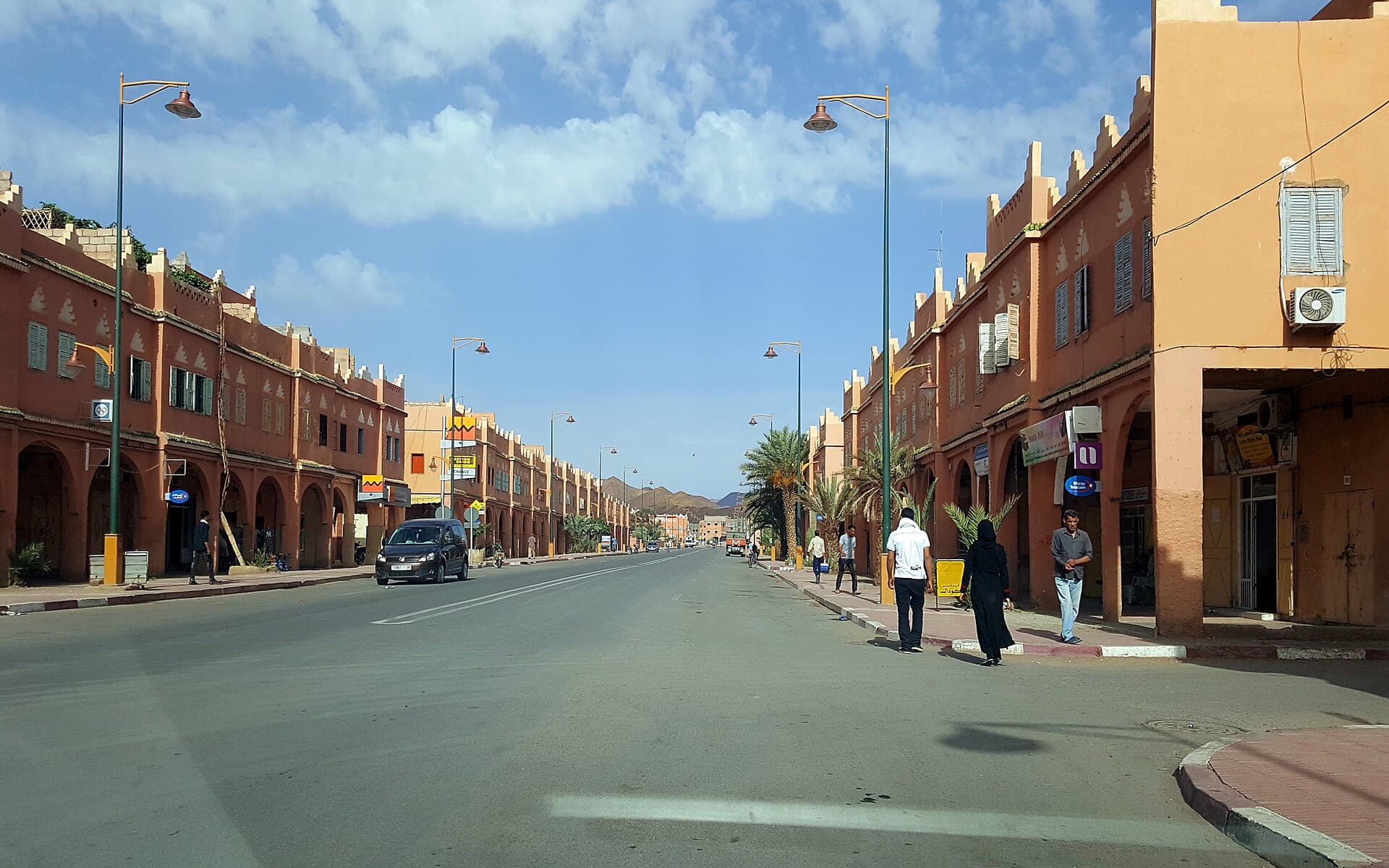 Stegop / CC BY-SA 4.0, via Wikimedia Commons
Tour de audio autoguiado de Agdz — ruta GPS a pie, reproducción offline, narración en 32 idiomas.
“Donde las antiguas caravanas hacían una pausa y las palmeras susurran secretos.”
No las postales. Las historias que ni los locales conocen — al oído, justo donde ocurrieron.
Esta antigua fortaleza, que alguna vez fue un poderoso bastión tribal Mezguita, guarda un sorprendente secreto dentro de sus muros relacionado con sus antiguos habitantes.
La forma distintiva de la montaña que domina Agdz no es solo una coincidencia; lleva el nombre de un objeto marroquí común.
El propio nombre de Agdz tiene un significado que habla de su papel histórico para los viajeros cansados.
Descubre todos los secretos de Agdz
Cada dirección, cada revelación al completo — a tu oído, justo donde ocurrió.
Eliges tus paradas. Caminas. La voz te revela lo que los demás ignoran.


Tu tour de audioguía por Agdz te espera — elige tus lugares, tu idioma y empieza al llegar.
ComprarLume incluye una guía de realidad aumentada. Levanta el móvil y su cámara muestra la calle que tienes delante, con una flecha luminosa sobre la imagen real que siempre apunta a tu próxima parada — sin mapas que descifrar, sin giros equivocados. Como todo en Lume, funciona completamente sin conexión.
Agdz, una serena ciudad en la región marroquí de Drâa-Tafilalet, ofrece una experiencia auténtica de la vida marroquí lejos del bullicio de las grandes ciudades. Su nombre, que significa 'lugar de descanso' en bereber, captura perfectamente su ambiente tranquilo, un legado de su pasado como parada crucial en la antigua ruta de caravanas entre Marrakech y Tombuctú. La ciudad está enmarcada por la dramática presencia de Jbel Kissane, una montaña cuyo perfil distintivo se dice que se asemeja a los vasos de té tradicionales marroquíes.
En el corazón de Agdz se encuentra el Valle del Draa, una cinta verde de oasis de palmeras datileras que se extiende por kilómetros, un contraste marcado y hermoso con el árido paisaje desértico. Este exuberante entorno, sostenido por ingeniosos sistemas de riego antiguos, es el alma de la comunidad local, donde los ritmos tradicionales de la agricultura y la vida diaria continúan como lo han hecho durante generaciones. Para aquellos que buscan experiencias culturales genuinas, belleza natural y una conexión con el profundo pasado de Marruecos, Agdz ofrece un destino pacífico y profundamente gratificante.
## Cruce de Caravanas y Culturas La historia de Agdz está profundamente entrelazada con su ubicación estratégica a lo largo del río Draa, sirviendo durante siglos como un nexo vital en la ruta de caravanas transahariana. Esta antigua vía conectaba Marrakech con la legendaria ciudad de Tombuctú, convirtiendo a Agdz en un crucial 'lugar de descanso' para comerciantes, camellos y mercancías que atravesaban el vasto desierto. La importancia histórica de la ciudad es evidente en sus numerosas kasbahs y ksour (aldeas fortificadas), fortalezas de adobe que salpican el paisaje y cuentan historias de comercio, defensa y vida comunitaria.
Uno de los sitios históricos más notables es la Kasbah Tamnougalt, a pocos kilómetros de Agdz. Data del siglo XVI y fue una vez la capital de la región de Mezguita y la sede de poderosos jefes locales, conocidos como Caïds. Esta kasbah sirvió como un 'peaje' estratégico para las caravanas y fue un bastión para la tribu Mezguita independiente hasta finales del siglo XVIII. Su arquitectura revela una fascinante mezcla de influencias judías, bereberes y árabes, reflejando las diversas comunidades que coexistieron y prosperaron aquí, incluida una importante población judía que residía en un barrio dedicado, o Mellah.
El propio Valle del Draa tiene una historia que se remonta a milenios, con evidencia arqueológica de actividad humana prehistórica, incluido el arte rupestre. Más tarde, el valle se convirtió en un bastión para varias dinastías, incluidas la Saadi y la Alaouite, que dieron forma aún más a la región mediante la construcción de numerosos ksour. Durante la era del Protectorado francés, la política de la región fue compleja, con figuras como Caid Ali de Tamnougalt manteniendo rivalidades con aquellos que colaboraron con los colonizadores franceses. Hoy en día, Agdz sigue conservando su carácter auténtico, ofreciendo un archivo vivo de un pasado donde el comercio, la migración y la ingeniosa gestión del agua moldearon una comunidad resiliente profundamente arraigada en su paisaje.
Agdz ofrece una tranquila exploración de la vida tradicional marroquí y llamativos paisajes desérticos. Una atracción principal es la Kasbah Tamnougalt, una fortaleza del siglo XVI bellamente conservada justo al sur de la ciudad. Puedes pasear por sus laberínticas habitaciones, patios e incluso ver los restos de su Barrio Judío, obteniendo una visión de siglos de historia y diversas culturas.
La dramática montaña Jbel Kissane, que se asemeja a los vasos de té marroquíes, ofrece un telón de fondo llamativo para Agdz y es particularmente cautivadora al atardecer, cuando su cara cambia a tonos de amarillo, naranja y morado. Para una auténtica experiencia local, visita el zoco semanal (mercado) los jueves. Este animado mercado es un centro de vida comunitaria, donde los agricultores venden dátiles frescos, aceitunas y cerámica hecha a mano, ofreciendo una verdadera ventana a los ritmos diarios del pueblo.
Explora los extensos palmerales del Valle del Draa, un vasto oasis sostenido por antiguas seguias. Caminar por estas exuberantes cintas verdes proporciona un escape refrescante y la oportunidad de presenciar las prácticas agrícolas tradicionales de primera mano. Para una experiencia artística única, busca la Kasbah Sidi Arts, una kasbah abandonada transformada en un museo al aire libre por artistas internacionales, con animados murales en muros antiguos. Aunque no es una cascada imponente, la Cascada de Tizgui ofrece un lugar pintoresco para un refrescante descanso entre palmeras e higueras.
Las mejores épocas para visitar Agdz son durante la primavera (de marzo a mayo) y el otoño (de septiembre a noviembre). Durante estos períodos, el clima es templado y agradable, con temperaturas diurnas que oscilan entre 20 °C y 30 °C (68 °F a 86 °F), lo que lo hace ideal para explorar y realizar actividades al aire libre. Los veranos (julio y agosto) pueden ser extremadamente calurosos, a menudo superando los 40 °C (104 °F), lo que puede resultar incómodo para excursiones prolongadas al aire libre. Los inviernos son generalmente templados durante el día, pero las noches pueden ser sorprendentemente frías, por lo que se recomienda llevar varias capas de ropa.
Agdz es accesible por carretera; puedes llegar en autobús o taxi desde ciudades importantes como Ouarzazate (a unos 65-70 km de distancia) o Marrakech. El viaje desde Marrakech, de aproximadamente 4,5 horas, te lleva a través del pintoresco paso de Tizi n'Tichka. Alquilar un coche ofrece la mayor flexibilidad para explorar las kasbahs y los paisajes circundantes. El aeropuerto más cercano está en Ouarzazate.
Las opciones de alojamiento en Agdz incluyen casas de huéspedes, algunas kasbahs bellamente convertidas y pequeños hoteles, que ofrecen experiencias auténticas. El árabe marroquí y el bereber son los idiomas principales, y el francés también se habla ampliamente, especialmente en las zonas turísticas. Aprender algunas frases básicas en árabe o francés puede mejorar tus interacciones. La moneda local es el Dirham marroquí (MAD). Los enchufes eléctricos suelen ser de tipo europeo de dos clavijas. Se agradece el respeto por las costumbres locales, como la vestimenta modesta en espacios públicos y pedir permiso antes de fotografiar a personas.
Agdz en coreano, en chino o en hebreo — y 29 idiomas más, cada parada narrada por una voz nativa. La mayor variedad de idiomas de cualquier audioguía autoguiada.
Disponible en: