Castillo de los Duques de Alençon
Las imponentes torres del castillo ducal de Alençon ocultan un capítulo sorprendentemente oscuro, muy alejado de sus orígenes reales.
La historia completa se desbloquea en el tour
 Unknown author / CC BY 1.0, via Wikimedia Commons
Tour de audio autoguiado de Alençon — ruta GPS a pie, reproducción offline, narración en 32 idiomas.
“Donde los delicados hilos de encaje se entrelazan con siglos de historia ducal.”
No las postales. Las historias que ni los locales conocen — al oído, justo donde ocurrieron.
Las imponentes torres del castillo ducal de Alençon ocultan un capítulo sorprendentemente oscuro, muy alejado de sus orígenes reales.
Esta basílica gótica flamígera guarda un secreto ligado a una red de silenciosa resistencia durante la guerra.
La exquisita 'Reina de los Encajes' tiene una sorprendente historia de origen que involucra un decreto real y espionaje veneciano.
Descubre todos los secretos de Alençon
Cada dirección, cada revelación al completo — a tu oído, justo donde ocurrió.
Eliges tus paradas. Caminas. La voz te revela lo que los demás ignoran.
Tu tour de audioguía por Alençon te espera — elige tus lugares, tu idioma y empieza al llegar.
ComprarLume incluye una guía de realidad aumentada. Levanta el móvil y su cámara muestra la calle que tienes delante, con una flecha luminosa sobre la imagen real que siempre apunta a tu próxima parada — sin mapas que descifrar, sin giros equivocados. Como todo en Lume, funciona completamente sin conexión.
Alençon, la capital del departamento de Orne en Normandía, Francia, es una ciudad donde la historia está grabada en sus fachadas de piedra y sus delicados hilos. Situada en la confluencia de los ríos Sarthe y Briante, es un lugar que ha moldeado discretamente importantes narrativas culturales y religiosas. Aunque quizás menos bulliciosa que los grandes centros franceses, Alençon ofrece un profundo viaje al pasado, celebrada por sus singulares tradiciones de encaje y su profunda conexión con Santa Teresa de Lisieux.
El carácter de la ciudad está definido por su patrimonio arquitectónico, desde vestigios medievales hasta grandiosas residencias del siglo XVIII. Es un destino que invita a un ritmo más lento, animando a los visitantes a descubrir historias de duques, santos y hábiles artesanos. Alençon también está bordeada por los Parques Naturales Regionales de Normandía-Maine y Perche, ofreciendo una escapada verde al campo circundante.
Los orígenes de Alençon se remontan al siglo IV, con los primeros asentamientos cristianos cerca del río Sarthe. En el siglo XI, se había convertido en una fortaleza fortificada en la frontera sur del Ducado de Normandía. El propio Guillermo el Conquistador sitió la ciudad en 1047. La leyenda cuenta que los habitantes de la ciudad se burlaron de la ascendencia de curtidor de Guillermo colgando pieles de animales de las murallas, una burla que, según se dice, provocó una brutal represalia cuando finalmente capturó la ciudad, ordenando que se les cortaran las manos a los habitantes.
En 911, Alençon fue incorporada al Ducado de Normandía. Ganó prominencia en 1415 cuando se convirtió en la sede de un ducado, un título a menudo otorgado a los hijos menores de los reyes franceses hasta la Revolución Francesa. Este período vio la construcción de edificios importantes, incluyendo partes del Château des Ducs, que sirvió como residencia ducal.
El siglo XVII marcó un momento crucial para Alençon con el establecimiento de su industria de encaje de renombre mundial. En 1665, Jean-Baptiste Colbert, ministro de finanzas del rey Luis XIV, fundó una Manufactura Real en Alençon para producir encaje al estilo veneciano, con el objetivo de reducir la dependencia de costosas importaciones extranjeras. Marthe La Perrière, una encajera local, refinó la técnica veneciana, dando lugar al distintivo encaje de aguja Point d'Alençon alrededor de 1675. Esta intrincada artesanía, conocida como la 'Reina de los Encajes', requiere una inmensa habilidad y paciencia, tardando un estimado de 7 a 15 horas en crear solo un centímetro cuadrado. La calidad excepcional del Point d'Alençon fue reconocida globalmente en la primera Exposición Universal de Londres en 1851 y fue posteriormente inscrita como Patrimonio Cultural Inmaterial de la Humanidad por la UNESCO en 2010.
Alençon tiene una gran importancia religiosa como lugar de nacimiento de Santa Teresa de Lisieux (Teresa Martín) en 1873. Sus padres, Luis y Zélie Martín, también fueron canonizados, convirtiéndose en la primera pareja casada en la historia en ser declarados santos juntos por la Iglesia Católica. Su hogar familiar es ahora un lugar de peregrinación.
Durante la Segunda Guerra Mundial, Alençon sufrió la ocupación alemana desde junio de 1940. Sin embargo, tiene la distinción de ser la primera ciudad francesa liberada por las fuerzas francesas, específicamente la 2ª División Blindada del General Leclerc, el 12 de agosto de 1944. La ciudad fue intencionalmente salvada del uso de artillería pesada durante su liberación para preservar sus edificios históricos.
Comience su exploración en el Musée des Beaux-Arts et de la Dentelle, una parada esencial para comprender la célebre herencia de encaje de la ciudad. Aquí podrá admirar intrincados ejemplos de encaje Point d'Alençon y aprender sobre su meticulosa creación. El museo también alberga colecciones de pinturas, esculturas y objetos camboyanos.
A continuación, visite la Basílica de Notre-Dame, un sorprendente ejemplo de arquitectura gótica flamígera con un gran pórtico del siglo XV. En su interior, observe las hermosas vidrieras y la nave donde se casaron los padres de Santa Teresa.
Para los interesados en la historia religiosa, la Maison de la Famille Martin es la casa natal de Santa Teresa de Lisieux. Esta casa del siglo XIX, bien conservada, ofrece una visión de la vida diaria de la familia Martin y es un importante lugar de peregrinación.
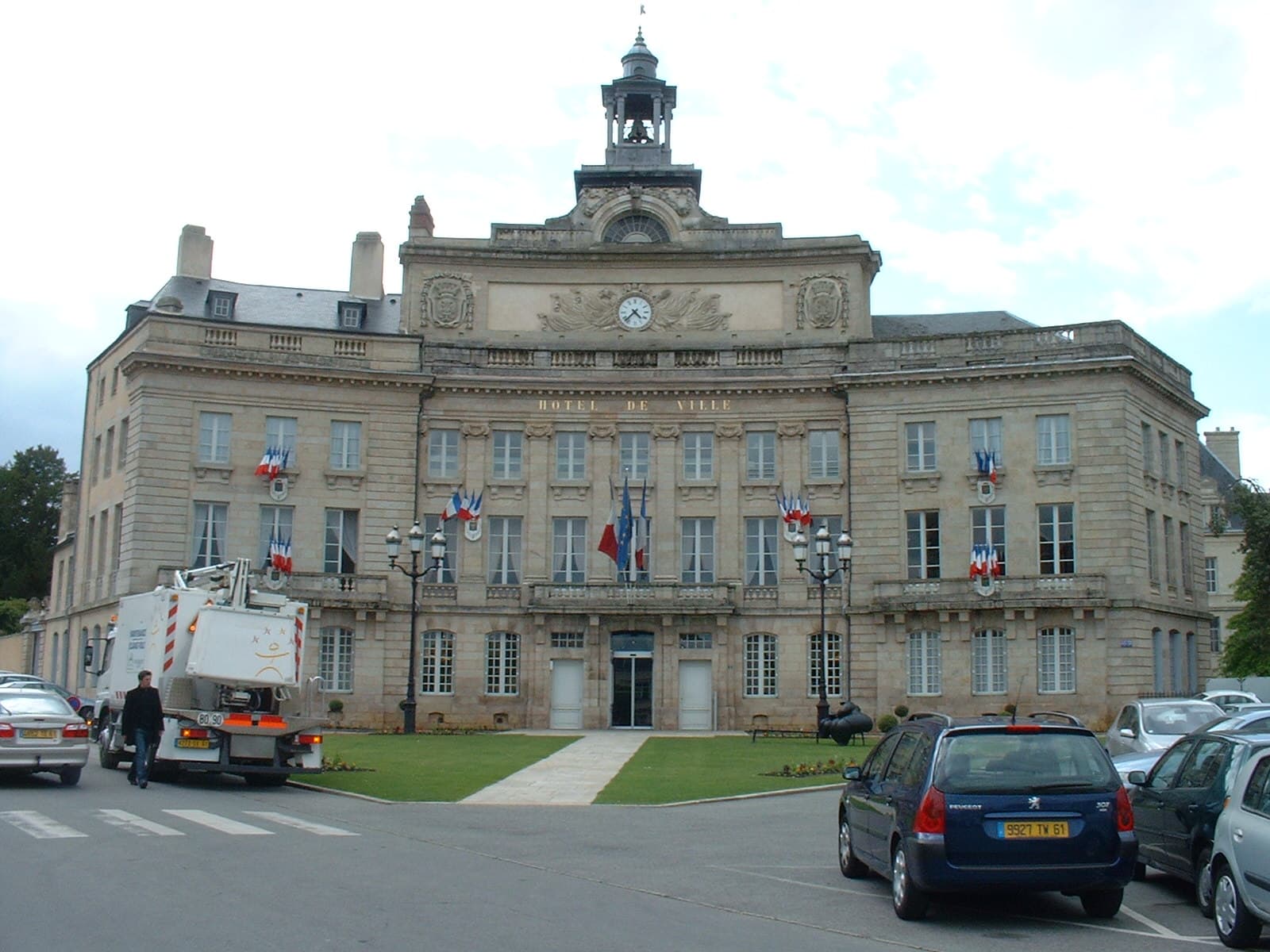
Aunque solo quedan algunas partes, el Château des Ducs d'Alençon aún presenta un enorme pabellón de entrada flanqueado por dos torres con matacanes, un testimonio del pasado medieval de la ciudad. La medieval Maison d'Ozé y el ayuntamiento del siglo XVIII también sobrevivieron a los bombardeos de la guerra y merecen ser vistos. Para un momento de tranquilidad, pasee por el Parc des Promenades.
Alençon experimenta un clima marítimo templado con inviernos suaves y veranos agradables. La estación cálida, de mediados de junio a mediados de septiembre, ofrece temperaturas máximas diarias promedio superiores a 20°C (69°F), siendo julio el mes más cálido, con un promedio de 23.5°C (74°F) de máximas. Este período se considera generalmente el más favorable para visitar, con un poco menos de días lluviosos. Los inviernos son frescos y húmedos, con temperaturas promedio en enero de alrededor de 4.9°C (41°F). La lluvia es constante durante todo el año, por lo que es aconsejable llevar un paraguas o un impermeable ligero independientemente de la estación.
La moneda local en Alençon, y en toda Francia, es el Euro (€). Las tarjetas de crédito y débito (Visa y Mastercard) son ampliamente aceptadas, pero siempre es aconsejable llevar algo de efectivo para compras más pequeñas en mercados o panaderías. La propina no es obligatoria ya que normalmente se incluye un cargo por servicio en las facturas, pero una pequeña gratificación (pourboire) por un buen servicio es un gesto amable.
Alençon es generalmente una ciudad segura para los turistas. Las farmacias están fácilmente disponibles. Aunque el transporte público en autobús está disponible, los servicios suelen terminar a primera hora de la tarde, por lo que se recomienda reservar un taxi con antelación si planea salir hasta tarde. El centro histórico cuenta con calles de piedra, por lo que es esencial llevar calzado cómodo. El idioma oficial es el francés. La Oficina de Información Turística de Alençon, situada en 38, rue aux Sieurs, está abierta todo el año con horarios variables según la temporada y puede ayudar con información y reservas para visitas guiadas.
Alençon en coreano, en chino o en hebreo — y 29 idiomas más, cada parada narrada por una voz nativa. La mayor variedad de idiomas de cualquier audioguía autoguiada.
Disponible en: