El Polvorín Principal (antiguo emplazamiento del castillo)
Las formidables defensas de Almeida tuvieron una vez un final dramático y explosivo. ¿Qué causó un evento tan catastrófico?
La historia completa se desbloquea en el tour
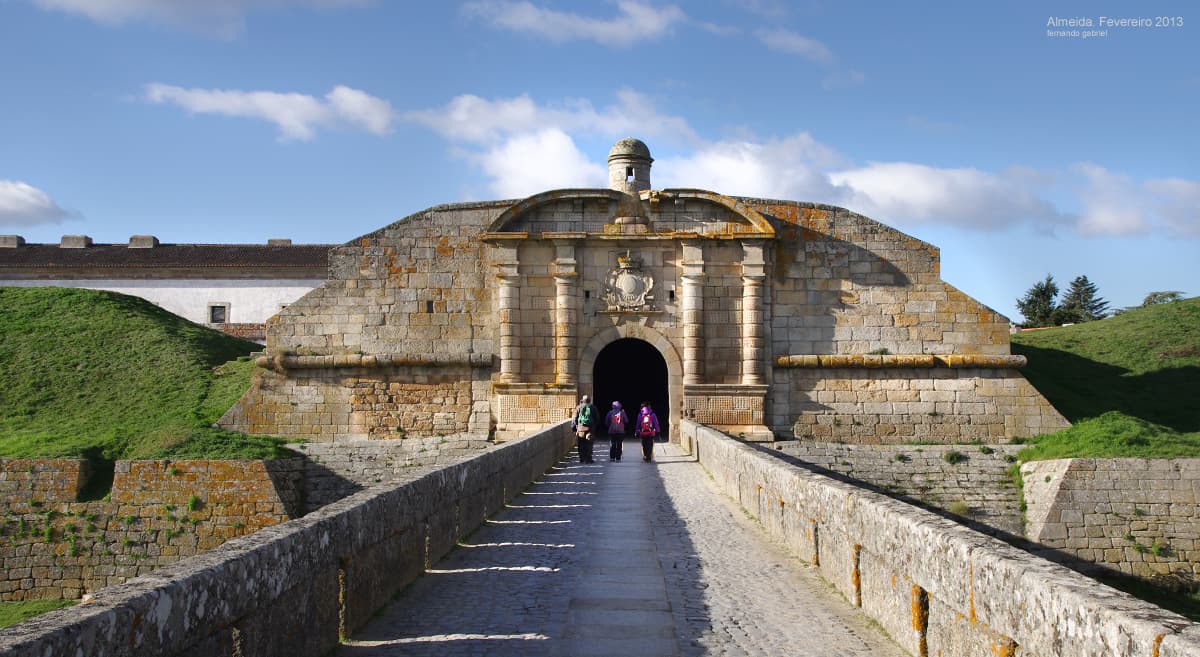 Fernando Gabriel / CC BY-SA 3.0, via Wikimedia Commons
Tour de audio autoguiado de Almeida — ruta GPS a pie, reproducción offline, narración en 32 idiomas.
“Más allá de los muros en forma de estrella, un pueblo de resiliencia y ecos de imperio.”
No las postales. Las historias que ni los locales conocen — al oído, justo donde ocurrieron.
Las formidables defensas de Almeida tuvieron una vez un final dramático y explosivo. ¿Qué causó un evento tan catastrófico?
Entrar en Almeida a través de las puertas principales es como retroceder en el tiempo. ¿Qué hay debajo de la entrada?
El nombre 'Almeida' suena distintivamente portugués, pero su origen apunta a una historia mucho más antigua, quizás más opulenta.
Descubre todos los secretos de Almeida
Cada dirección, cada revelación al completo — a tu oído, justo donde ocurrió.
Eliges tus paradas. Caminas. La voz te revela lo que los demás ignoran.


Tu tour de audioguía por Almeida te espera — elige tus lugares, tu idioma y empieza al llegar.
ComprarLume incluye una guía de realidad aumentada. Levanta el móvil y su cámara muestra la calle que tienes delante, con una flecha luminosa sobre la imagen real que siempre apunta a tu próxima parada — sin mapas que descifrar, sin giros equivocados. Como todo en Lume, funciona completamente sin conexión.
Almeida, un pueblo histórico en el distrito de Guarda en Portugal, se erige como un testimonio de la ingeniosidad militar y la resiliencia duradera. Desde una perspectiva aérea, la ciudad revela su característica más llamativa: una estrella perfectamente simétrica de 12 puntas, formada por sus formidables fortificaciones de los siglos XVII y XVIII. Esta maravilla arquitectónica, a menudo comparada con las fortalezas de Elvas, fue diseñada para resistir las brutales realidades de la guerra de cañones, lo que la convierte en uno de los mejores ejemplos de fortificación amurallada en Portugal.
Más allá de sus imponentes muros, Almeida ofrece una visión de siglos de conflictos fronterizos y de la vida cotidiana dentro de un asentamiento fortificado. Su posición estratégica, a solo 12 kilómetros de la frontera española, aseguró su papel fundamental en numerosas luchas históricas, desde la Guerra de Restauración portuguesa hasta las Invasiones Napoleónicas. Hoy en día, Almeida es un pueblo tranquilo que invita a los visitantes a explorar sus defensas bien conservadas, adentrarse en su pasado y pasear por sus estrechas calles empedradas.
## Desde Raíces Antiguas hasta Fortaleza en Forma de Estrella La historia de Almeida se remonta a la antigüedad, con evidencia de ocupación humana desde la Edad del Bronce y del Hierro, seguida por la presencia romana, sueva y visigoda. Las primeras fortificaciones se construyeron durante la ocupación musulmana, quienes también dieron a la ciudad su nombre perdurable, 'Al-Ma'ida', que significa 'la mesa', quizás haciendo referencia a su ubicación en una meseta plana.
La Reconquista Cristiana vio a Almeida cambiar de manos varias veces, convirtiéndose finalmente en portuguesa en 1297 bajo el rey D. Dinis, según lo definido por el Tratado de Alcanices. D. Dinis ordenó la construcción de un nuevo castillo, sentando las bases para su futura importancia defensiva.
La verdadera transformación de Almeida en la fortaleza en forma de estrella que vemos hoy comenzó en 1641, después de la Guerra de Restauración portuguesa. Diseñadas para repeler el fuego de cañones, las nuevas defensas incorporaron principios pioneros de Sébastien Le Prestre de Vauban, con muros de sillería, un vasto foso seco, bastiones estratégicamente ubicados y casamatas subterráneas. Este período vio a la fortaleza convertirse en un bastión crucial contra las incursiones españolas, un papel que mantuvo durante los siglos XVII y XVIII.
Las defensas de Almeida fueron puestas a prueba repetidamente. En 1762, durante la Guerra de los Siete Años, cayó en manos de las fuerzas españolas, pero fue devuelta a Portugal un año después. Sin embargo, su momento más dramático llegó durante la Guerra de la Independencia en 1810. Bajo el asedio de las tropas de Napoleón, la fortaleza sufrió una catastrófica explosión de su polvorín principal, lo que llevó a su rendición. A pesar de la devastación, las murallas resistieron en gran medida, un testimonio de su robusta construcción. Después de las Guerras Liberales, Almeida perdió su función militar principal, transformándose en el pacífico pueblo fronterizo que es hoy.
Lo más destacado de Almeida es su fortaleza en forma de estrella, una maravilla de la arquitectura militar. Camine a lo largo de los 2,5 kilómetros de muros de doble hexágono para apreciar plenamente la escala y complejidad de su diseño, incluyendo sus doce bastiones y revellines. El foso seco, de una notable profundidad de 12 metros y 62 metros de ancho, enfatiza aún más la destreza defensiva de la fortaleza.
Entre por las Portas de São Francisco, las puertas dobles principales, y descubra el Museo de Arquitectura Militar ubicado dentro de un búnker del siglo XVII. Explore las Casamatas, cámaras subterráneas diseñadas para la protección de las tropas durante los asedios, completas con su propio suministro de agua y pasajes secretos. Aunque el castillo medieval original fue en gran parte destruido, aún se pueden observar restos de sus cimientos.
Dentro de la fortaleza, pasee por las estrechas calles empedradas, admirando las casas construidas armoniosamente y los diversos edificios religiosos y civiles. Los puntos de interés incluyen la iglesia de S. Pedro, el Pelourinho del siglo XVIII y la Iglesia de S. Vicente del siglo XVII. El antiguo ayuntamiento, ubicado en el antiguo cuartel de artillería, es otro notable edificio de estilo barroco. Para disfrutar de vistas panorámicas del campo circundante, encuentre un mirador a lo largo de las murallas.
Almeida es un destino cautivador durante todo el año, pero los momentos más agradables para visitar son durante los meses de primavera y otoño. El clima es templado y los paisajes circundantes son particularmente vívidos. Estas estaciones también ofrecen oportunidades para experimentar eventos culturales y festivales locales. Los veranos pueden ser cálidos, mientras que los inviernos son generalmente frescos.
Almeida se encuentra en el distrito de Guarda, a unos 45 kilómetros al noreste de Guarda y a solo 7 kilómetros de la frontera española. Si conduce, tome la autopista A25, que conecta Lisboa con el norte de España. El transporte público también es una opción, aunque requiere más planificación. Puede llegar a Vilar Formoso en tren desde Lisboa, Oporto o Coimbra, y luego tomar un autobús para el viaje final de 30 minutos a Almeida.
Dentro de las murallas fortificadas, el pueblo se explora fácilmente a pie. Para el alojamiento, las opciones incluyen el Hotel Fortaleza de Almeida, un hotel de 4 estrellas dentro de la fortaleza, o casas de huéspedes como A Muralha y Residencial Morgado. La cocina local presenta especialidades regionales como platos de cerdo, varias salchichas y quesos locales. No deje de probar el bizcocho local, la mermelada de calabaza y los vinos regionales.
Almeida en coreano, en chino o en hebreo — y 29 idiomas más, cada parada narrada por una voz nativa. La mayor variedad de idiomas de cualquier audioguía autoguiada.
Disponible en: