Rio Lima
Avant de traverser une rivière particulière près d'Arcos de Valdevez, les soldats romains craignaient de perdre leur identité.
L'histoire complète se débloque dans le tour
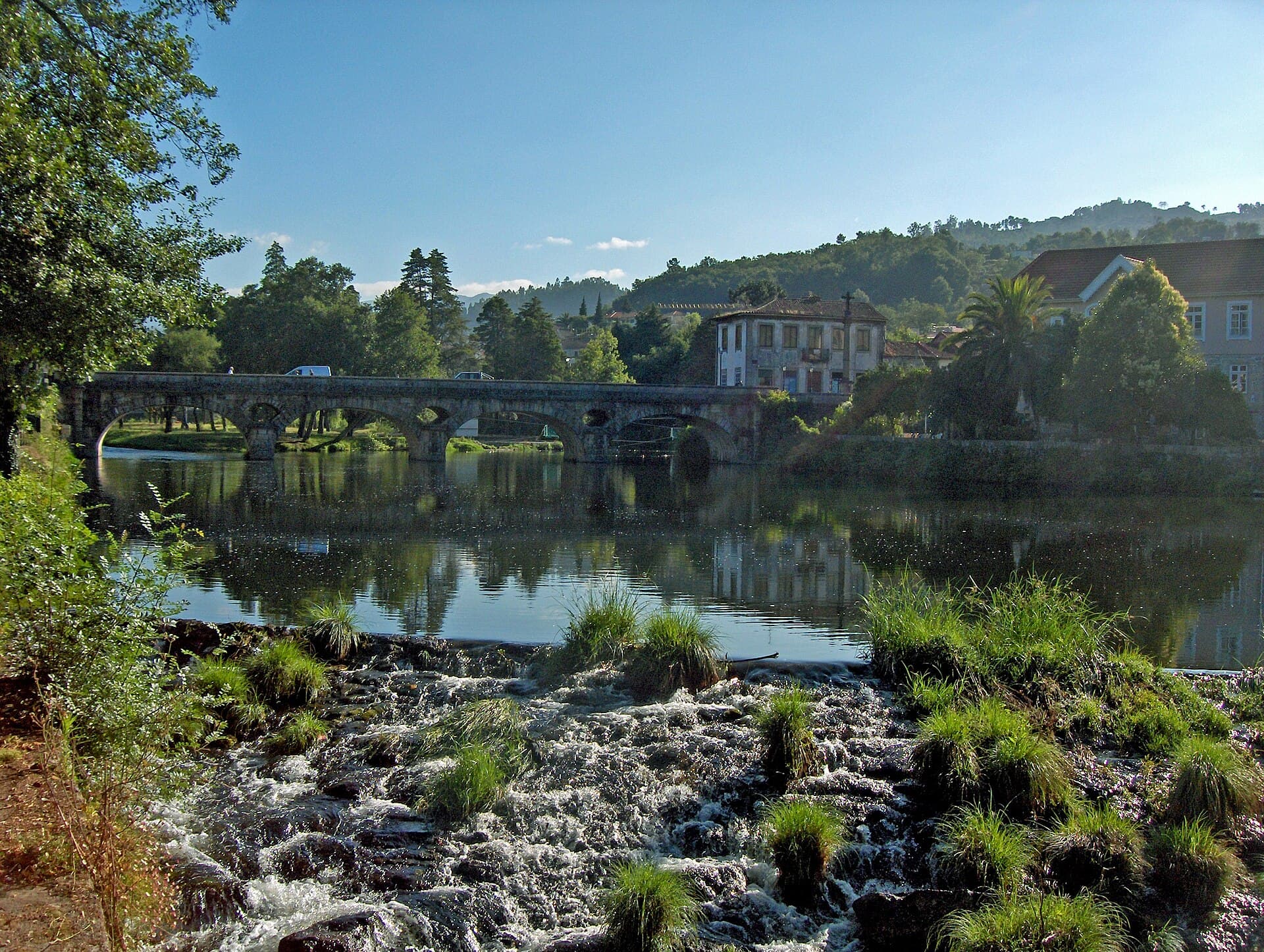 PatríciaR / CC BY-SA 3.0, via Wikimedia Commons
Visite audio autoguidée de Arcos de Valdevez — parcours GPS à pied, lecture hors ligne, narration en 32 langues.
“Là où les pierres ancestrales racontent la naissance d'une nation.”
Pas les cartes postales. Les histoires que même les habitants ignorent — soufflées à l'oreille, là où elles se sont passées.
Avant de traverser une rivière particulière près d'Arcos de Valdevez, les soldats romains craignaient de perdre leur identité.
Un moment clé de l'indépendance du Portugal ne fut pas une bataille sanglante, mais un tournoi médiéval.
Le pont principal enjambant la rivière Vez n'est pas aussi ancien que son apparence romane le suggère.
Découvrez tous les secrets de Arcos de Valdevez
Chaque adresse, chaque révélation en entier — dans ton oreille, là où elle s'est passée.
Tu choisis tes lieux. Tu marches. La voix te révèle ce que les autres ignorent.


Votre visite audioguidée de Arcos de Valdevez vous attend — choisissez vos lieux, votre langue, et lancez-vous dès votre arrivée.
AcheterLume intègre un guide en réalité augmentée. Levez votre téléphone : sa caméra montre la rue devant vous, avec une flèche lumineuse posée sur l'image réelle qui pointe toujours vers votre prochain arrêt — aucune carte à déchiffrer, aucun mauvais virage. Comme tout dans Lume, ça fonctionne entièrement hors-ligne.
Arcos de Valdevez, une ville marchande du nord du Portugal, dans la région du Minho, repose sur les rives pittoresques de la rivière Vez, dont elle tire son nom – « Arcos » faisant référence aux arches de ses ponts. Cette ville évocatrice sert de porte d'entrée verdoyante au parc national de Peneda-Gerês, le seul parc national du Portugal, offrant un paysage de collines verdoyantes, de vignobles en terrasses et de villages traditionnels en granit.
Loin d'être une relique statique, Arcos de Valdevez est une communauté où l'histoire et le présent s'entremêlent harmonieusement. Ses rues sinueuses, ses tours médiévales et son éventail d'églises racontent des histoires millénaires, des établissements préhistoriques à l'occupation romaine et aux moments pivots de l'indépendance portugaise. L'atmosphère de la ville est empreinte d'une authenticité enracinée, attrayante pour ceux qui recherchent un rythme de vie centré sur la nature et les traditions locales.
Les visiteurs sont attirés par Arcos de Valdevez pour ses activités de plein air, ses paysages fluviaux et la possibilité de découvrir la culture traditionnelle du Minho et la gastronomie rurale. Elle offre suffisamment de points d'intérêt pour une visite d'une journée complète, servant de base idéale pour explorer la région plus vaste.
L'histoire d'Arcos de Valdevez remonte à des millénaires, les premières implantations datant du cinquième au troisième millénaire avant J.-C. Des preuves archéologiques, y compris des tumulus funéraires comme ceux du Núcleo Megalítico do Mezio et des gravures rupestres à la station archéologique de Gião, attestent de ses habitants préhistoriques. La région a également connu une importante occupation romaine, laissant une influence durable sur ses toponymes et les structures défensives et d'habitation disséminées dans le paysage. Les ponts romains, certains encore praticables aujourd'hui, soulignent son importance en tant que point de passage.
Un moment charnière de l'histoire portugaise s'est déroulé ici à l'été 1140 ou 1141. La bataille de Valdevez, une série de joutes entre chevaliers du Royaume du Portugal et du Royaume de León, s'est avérée cruciale pour l'indépendance du Portugal. Ce « tournoi », plutôt qu'une bataille à grande échelle, a conduit à un accord de paix qui a ouvert la voie au Traité de Zamora en 1143, reconnaissant officiellement le Portugal comme une nation indépendante. Le site de cette rencontre historique est devenu connu sous le nom de « Campo da Matança » ou « Champ de la Tuerie ».
Arcos de Valdevez a été élevée au rang de village en 1515 par le roi Manuel Ier, reflétant son importance croissante le long des routes commerciales et militaires. Cependant, la ville a connu des difficultés pendant la Guerre de Restauration, étant saccagée et incendiée. Elle a ensuite été reconstruite au XVIIe siècle. Un incendie dévastateur dans les années 1700 a entraîné la destruction ou la restauration de nombreux bâtiments précieux, y compris l'église paroissiale du XIVe siècle. Malgré ces défis, le centre historique conserve des exemples d'architecture portugaise traditionnelle, y compris des façades baroques, comme celle de l'Igreja da Nossa Senhora da Lapa, achevée en 1767.
Aujourd'hui, Arcos de Valdevez continue de célébrer son passé. Le Paço de Giela, un ancien château et manoir, sert désormais de centre muséal où les visiteurs peuvent découvrir l'histoire de la ville, y compris le Recontro de Valdevez. Le pont principal de la ville, bien que reconstruit au XIXe siècle, conserve l'esthétique romane de son prédécesseur médiéval, reflétant l'héritage architectural durable.
La ville d'Arcos de Valdevez offre un mélange de sites historiques et de beauté naturelle. Commencez votre exploration au Paço de Giela, un ancien château et manoir qui fonctionne désormais comme un musée, offrant un aperçu de l'histoire de la ville, y compris le Recontro de Valdevez, un événement pivot. Dans le centre historique, vous trouverez la Capela da Nossa Senhora da Conceição, une petite chapelle gothique au passé étonnamment varié.
Ne manquez pas le Pilori d'Arcos de Valdevez (Pelourinho), une structure en pierre de style manuélin avec une histoire de déplacement, maintenant un monument national. L'Igreja da Nossa Senhora da Lapa, une église baroque du XVIIIe siècle avec des intérieurs rococo, est également un point fort architectural notable. Pour une plongée plus profonde dans la culture locale et un secret surprenant, visitez la bibliothèque de la Casa das Artes pour en savoir plus sur le Padre Himalaya.
Au-delà de la ville, Arcos de Valdevez est une porte d'entrée vers le Parc national de Peneda-Gerês. Explorez les Passadiços de Sistelo, un sentier de randonnée réputé, ou aventurez-vous dans le village de Soajo, connu pour ses greniers traditionnels en granit, les espigueiros. Les Antas da Serra do Soajo (Dolmens de la Serra do Soajo) offrent un aperçu de l'histoire mégalithique, avec des sites funéraires datant de 5 000 ans. Pour les amoureux de la nature, les Lagoas da Travanca offrent de sereins lagons naturels et des cascades au sein du parc national.
Arcos de Valdevez est accueillante toute l'année, mais les mois de printemps et d'été (avril à septembre) offrent le temps le plus agréable pour les activités de plein air comme la randonnée et les activités fluviales. Attendez-vous à des températures chaudes et à des paysages luxuriants pendant cette période, avec des maximales diurnes moyennes atteignant 26°C (79°F) en août. L'automne est également une période agréable, avec un feuillage coloré et des vendanges ajoutant au charme de la campagne. Bien qu'il y ait une saison des pluies distincte d'octobre à janvier, les offres culturelles de la ville restent accessibles.
Arcos de Valdevez est située dans la région du Minho, au nord du Portugal, à environ 70 km de Porto. Bien qu'il n'y ait pas de services ferroviaires directs vers Arcos de Valdevez, des trains réguliers relient Porto à Braga (à environ 36 km), avec des services de bus assurant la liaison vers Arcos de Valdevez. La voiture est une option pratique, le trajet depuis Porto prenant environ 1 heure et 20 minutes, et depuis Braga environ 45 minutes. Si vous arrivez d'Espagne, vous pouvez emprunter l'autoroute A3 ou les routes nationales, en entrant par Valença, Monção ou Melgaço.
La ville elle-même est facile à explorer à pied, son centre historique étant aisément accessible. Pour s'aventurer plus loin, vers des lieux comme le parc national de Peneda-Gerês ou les villages de Soajo et Sistelo, il est fortement recommandé d'avoir une voiture pour plus de flexibilité. La cuisine locale à Arcos de Valdevez est ancrée dans les traditions rurales et saisonnières, proposant des plats copieux et le Vinho Verde distinctif de la région. Vous trouverez une gamme d'hébergements, des manoirs proposant du tourisme rural aux hôtels et maisons d'hôtes.
Arcos de Valdevez en coréen, en chinois ou en hébreu — et dans 29 autres langues, chaque étape narrée par une voix native. La plus large gamme de langues de tous les audioguides autoguidés.
Disponible en :