Château d'Angles-sur-l'Anglin
Las ruinas del castillo guardan un secreto sobre su construcción que desafía la cronología medieval típica.
La historia completa se desbloquea en el tour
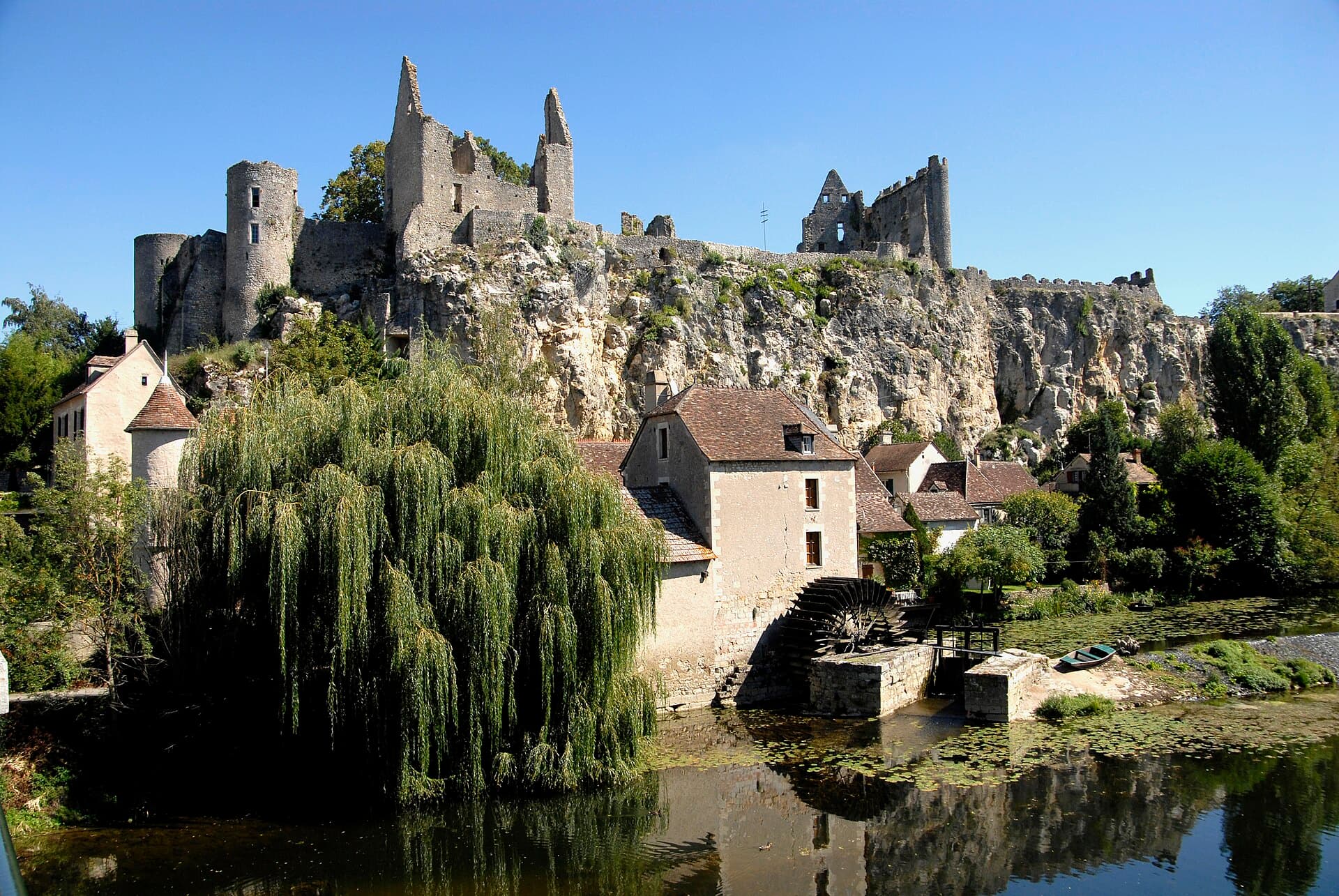 Joachim Jahnke (Jochen Jahnke) / CC BY-SA 2.0 de, via Wikimedia Commons
Tour de audio autoguiado de Angles-sur-l'Anglin — ruta GPS a pie, reproducción offline, narración en 32 idiomas.
“Donde la piedra ancestral se encuentra con el fluir del río Anglin.”
No las postales. Las historias que ni los locales conocen — al oído, justo donde ocurrieron.
Las ruinas del castillo guardan un secreto sobre su construcción que desafía la cronología medieval típica.
El famoso friso prehistórico aquí no es solo arte; es una ventana a una práctica culinaria antigua y casi olvidada.
El aparentemente tranquilo río Anglin desempeñó un papel sorprendente y estratégico en las defensas de la ciudad.
Descubre todos los secretos de Angles-sur-l'Anglin
Cada dirección, cada revelación al completo — a tu oído, justo donde ocurrió.
Eliges tus paradas. Caminas. La voz te revela lo que los demás ignoran.


Tu tour de audioguía por Angles-sur-l'Anglin te espera — elige tus lugares, tu idioma y empieza al llegar.
ComprarLume incluye una guía de realidad aumentada. Levanta el móvil y su cámara muestra la calle que tienes delante, con una flecha luminosa sobre la imagen real que siempre apunta a tu próxima parada — sin mapas que descifrar, sin giros equivocados. Como todo en Lume, funciona completamente sin conexión.
Angles-sur-l'Anglin, oficialmente reconocido como uno de los 'Plus Beaux Villages' o 'Pueblos Más Bonitos' de Francia, se despliega a lo largo de las suaves curvas del río Anglin en la región de Nueva Aquitania. Esta designación habla de su carácter medieval conservado, donde antiguos edificios de piedra se aferran a una ladera coronada por las imponentes ruinas de un castillo feudal. El pueblo se divide en dos partes distintas: la 'Ville Basse' o Ciudad Baja, que serpentea junto al río, y la 'Ville Haute' o Ciudad Alta, que asciende hacia el castillo, ofreciendo amplias vistas del campo circundante.
El encanto del pueblo reside en su armoniosa mezcla de belleza natural y legado arquitectónico. Calles estrechas y sinuosas invitan a la exploración, revelando talleres de artesanos, pintorescas casas adornadas con flores y vistas inesperadas a cada paso. La atmósfera es de una serenidad atemporal, un lugar donde el pasado se siente palpablemente presente, invitando a los visitantes a desacelerar y sumergirse en su ambiente único. Es un destino que atrae a quienes buscan una escapada tranquila, una conexión con la historia y una apreciación por las sutiles bellezas de la Francia rural.
## De la Prehistoria al Poder Feudal Angles-sur-l'Anglin posee una historia que se remonta al Paleolítico Superior, evidenciada por el notable Roc-aux-Sorciers. Este refugio rocoso, descubierto en 1950, contiene un friso de esculturas y grabados magdalenienses que datan de aproximadamente 15.000 años, representando bisontes, caballos y figuras humanas. Se erige como un testimonio significativo del arte prehistórico y la habitación humana en la región.
Durante la era galorromana, el área continuó siendo habitada, aunque los restos extensos son menos visibles que los de períodos posteriores. La posición estratégica de Angles-sur-l'Anglin, con vistas al río Anglin, lo convirtió en un lugar deseable para fortificaciones. El castillo más antiguo registrado en el sitio data del siglo XI, un período de significativo desarrollo feudal en toda Francia.
## Fortaleza y Conflictos Medievales El período medieval vio el ascenso del Château d'Angles-sur-l'Anglin como una formidable fortaleza. El castillo desempeñó un papel crucial durante la Guerra de los Cien Años, un conflicto prolongado entre Inglaterra y Francia. Su importancia estratégica como fortaleza fronteriza significó que cambiara de manos frecuentemente entre las facciones en guerra. Esta era dejó una marca indeleble en la arquitectura y las defensas del pueblo, con muchas de las estructuras supervivientes reflejando la ingeniería militar de la época.
A lo largo de los siglos, el castillo evolucionó, con varios señores añadiendo a sus defensas y cuartos residenciales. Sin embargo, como muchos castillos medievales, finalmente cayó en desuso, particularmente después del declive de su significado militar. A pesar de su estado ruinoso, el castillo sigue siendo un poderoso símbolo del largo y a menudo turbulento pasado de Angles-sur-l'Anglin, ofreciendo un telón de fondo dramático para el pueblo y un vínculo tangible con su herencia feudal.
Comience su exploración en el Château d'Angles-sur-l'Anglin, cuyas impresionantes ruinas dominan el horizonte. Pasee por los restos de la torre del homenaje, las murallas y los edificios residenciales, imaginando la vida dentro de sus confines medievales. Las vistas desde los terrenos del castillo sobre el valle del Anglin son particularmente gratificantes.
Descienda a la Ville Haute para descubrir la Iglesia de Saint-Martin, un edificio románico con elementos arquitectónicos que datan del siglo XII. Su diseño simple pero elegante proporciona un sereno contraste con la grandeza del castillo.
Continúe hasta el Roc-aux-Sorciers, un refugio rocoso prehistórico famoso por su friso magdaleniense. Si bien el acceso al friso original está restringido para protegerlo, un centro de interpretación dedicado ofrece réplicas detalladas y explicaciones de este importante sitio arqueológico.
En la Ville Basse, pasee a lo largo del río Anglin, disfrutando de las pintorescas vistas del pueblo reflejadas en el agua. Explore las tiendas de artesanos, donde a menudo se exhiben artesanías locales, y aprecie el encantador puente medieval que cruza el río.
El momento ideal para visitar Angles-sur-l'Anglin es durante la primavera (abril a junio) o principios de otoño (septiembre a octubre). Durante estos meses, el clima es generalmente suave y agradable, perfecto para explorar el pueblo a pie. Las multitudes también son más escasas que en los meses pico de verano, lo que permite una experiencia más tranquila. El verano (julio y agosto) ofrece un clima cálido pero puede ser más concurrido, mientras que el invierno puede ser tranquilo pero algunas atracciones pueden tener horarios reducidos.
Angles-sur-l'Anglin se explora mejor a pie, por lo que unos zapatos cómodos para caminar son esenciales, especialmente para navegar por las calles empedradas y el ascenso al castillo. Hay estacionamiento disponible en la entrada del pueblo y en áreas designadas en la parte baja. Si bien algunos establecimientos aceptan tarjetas de crédito, es aconsejable llevar algo de efectivo para compras más pequeñas o tiendas de artesanía. El transporte público a Angles-sur-l'Anglin es limitado, por lo que viajar en coche ofrece la mayor flexibilidad. Considere combinar su visita con otros 'Plus Beaux Villages' de la región para una experiencia completa del encanto rural francés.
Angles-sur-l'Anglin en coreano, en chino o en hebreo — y 29 idiomas más, cada parada narrada por una voz nativa. La mayor variedad de idiomas de cualquier audioguía autoguiada.
Disponible en: