Cueva del Palacio del Dragón
Más allá del paseo en bote por el río subterráneo más largo, hay un detalle particular que hace que esta cueva sea verdaderamente única.
La historia completa se desbloquea en el tour
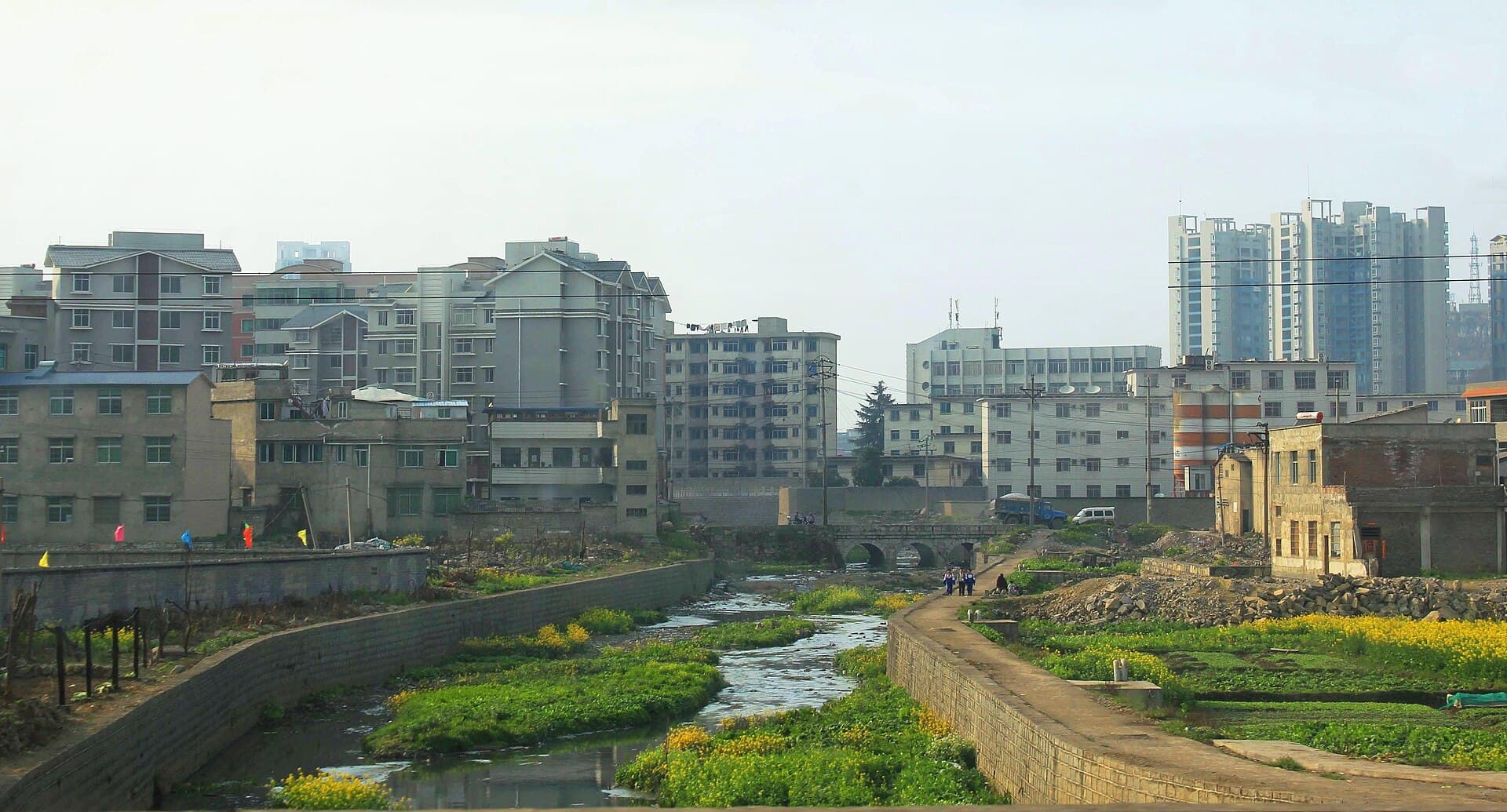 Zhangmoon618 / CC BY-SA 3.0, via Wikimedia Commons
Tour de audio autoguiado de Anshun — ruta GPS a pie, reproducción offline, narración en 32 idiomas.
“Donde las antiguas tradiciones se encuentran con el rugido de la cascada más alta de China.”
No las postales. Las historias que ni los locales conocen — al oído, justo donde ocurrieron.
Más allá del paseo en bote por el río subterráneo más largo, hay un detalle particular que hace que esta cueva sea verdaderamente única.
Estas antiguas aldeas no son meramente viejas; son museos vivientes con una sorprendente conexión con una poderosa dinastía.
Mientras exploras el bullicioso mercado nocturno, podrías encontrarte con una delicia local que desafíe tu paladar.
Descubre todos los secretos de Anshun
Cada dirección, cada revelación al completo — a tu oído, justo donde ocurrió.
Eliges tus paradas. Caminas. La voz te revela lo que los demás ignoran.

Tu tour de audioguía por Anshun te espera — elige tus lugares, tu idioma y empieza al llegar.
ComprarLume incluye una guía de realidad aumentada. Levanta el móvil y su cámara muestra la calle que tienes delante, con una flecha luminosa sobre la imagen real que siempre apunta a tu próxima parada — sin mapas que descifrar, sin giros equivocados. Como todo en Lume, funciona completamente sin conexión.
Anshun, una ciudad en la provincia de Guizhou, se despliega en medio de un paisaje de formaciones kársticas y agua que fluye. Es un lugar donde la tierra misma parece contar historias a través de su dramática topografía, desde cuevas profundas hasta cascadas imponentes. La ciudad sirve como puerta de entrada a maravillas naturales y una ventana a prácticas culturales duraderas, invitando a los viajeros a explorar su identidad en capas. Aquí, el ritmo de la vida diaria se entrelaza con la grandeza del mundo natural, ofreciendo un sentido de lugar distintivo.
Esta región de China se caracteriza por su esplendor geológico, con innumerables cavernas y cascadas que dan forma a la tierra. Anshun es un centro donde las prácticas de la vida moderna se encuentran con la presencia duradera de las tradiciones antiguas. El aire lleva el aroma de la cocina local, y los sonidos del comercio diario se mezclan con el murmullo distante del agua. Es un destino que recompensa la exploración paciente, revelando su carácter a través de encuentros íntimos y vistas panorámicas.
## Inicios Tempranos y Cambios Dinásticos La historia de Anshun comienza en la antigüedad, con evidencia de asentamientos humanos que se remontan a miles de años. Las tierras fértiles de la región y su ubicación estratégica a lo largo de antiguas rutas comerciales la convirtieron en un punto de interés significativo para varias dinastías. Durante las dinastías Qin y Han, el área comenzó a consolidar su papel como centro regional, con las primeras estructuras administrativas echando raíces. Los pueblos indígenas, incluidos los Miao y Bouyei, establecieron profundas conexiones con la tierra, desarrollando culturas únicas que continúan dando forma a la zona hoy en día.
## El Legado Duradero de la Dinastía Ming La Dinastía Ming (1368–1644) trajo una profunda transformación a Anshun. Para asegurar la frontera suroeste, la corte Ming envió un gran número de soldados, muchos de los cuales se asentaron permanentemente en la región. Estos soldados y sus familias formaron comunidades distintas, particularmente el pueblo Tunpu, quienes conscientemente preservaron su idioma, vestimenta y costumbres durante siglos. Sus aldeas son testimonios vivientes de este período, ofreciendo un vínculo tangible con una era pasada. Esta afluencia de cultura Han, junto con los grupos étnicos existentes, creó un rico mosaico cultural que define la identidad de Anshun.
## Desarrollos Modernos y Preservación Cultural En siglos más recientes, Anshun continuó evolucionando, adaptándose a los cambiantes paisajes políticos y económicos de China. Durante la Dinastía Qing y en la era republicana, mantuvo su importancia como centro administrativo y comercial regional. A mediados del siglo XX se produjo un desarrollo significativo de infraestructura, conectando Anshun más estrechamente con otras partes del país. Hoy en día, la ciudad equilibra sus aspiraciones de modernización con un fuerte compromiso con la preservación de su patrimonio natural y las prácticas culturales únicas de sus diversas comunidades. Se realizan esfuerzos para mantener la integridad de sitios como la Cascada de Huangguoshu y las Aldeas Tunpu, asegurando que sus historias continúen siendo contadas.
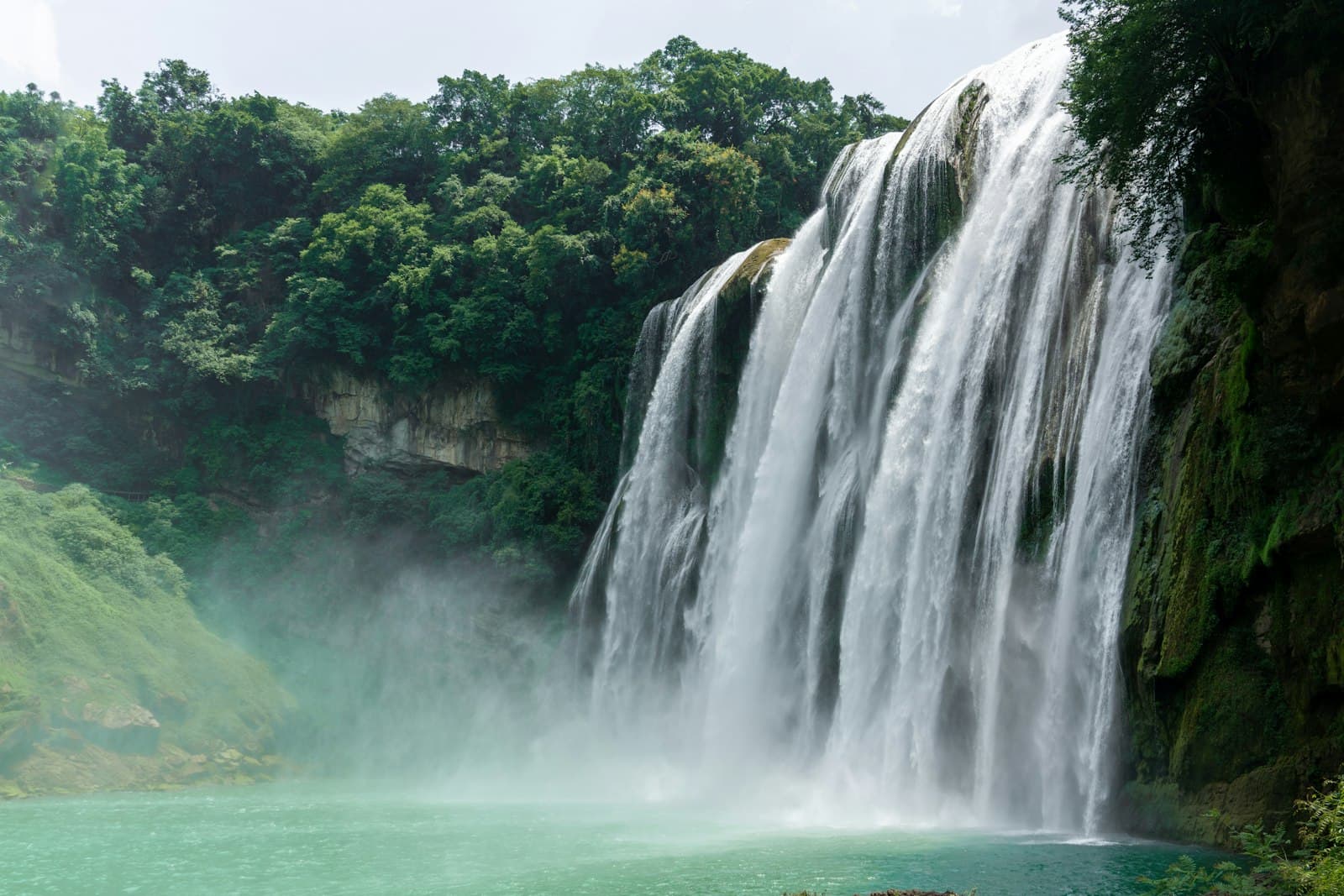
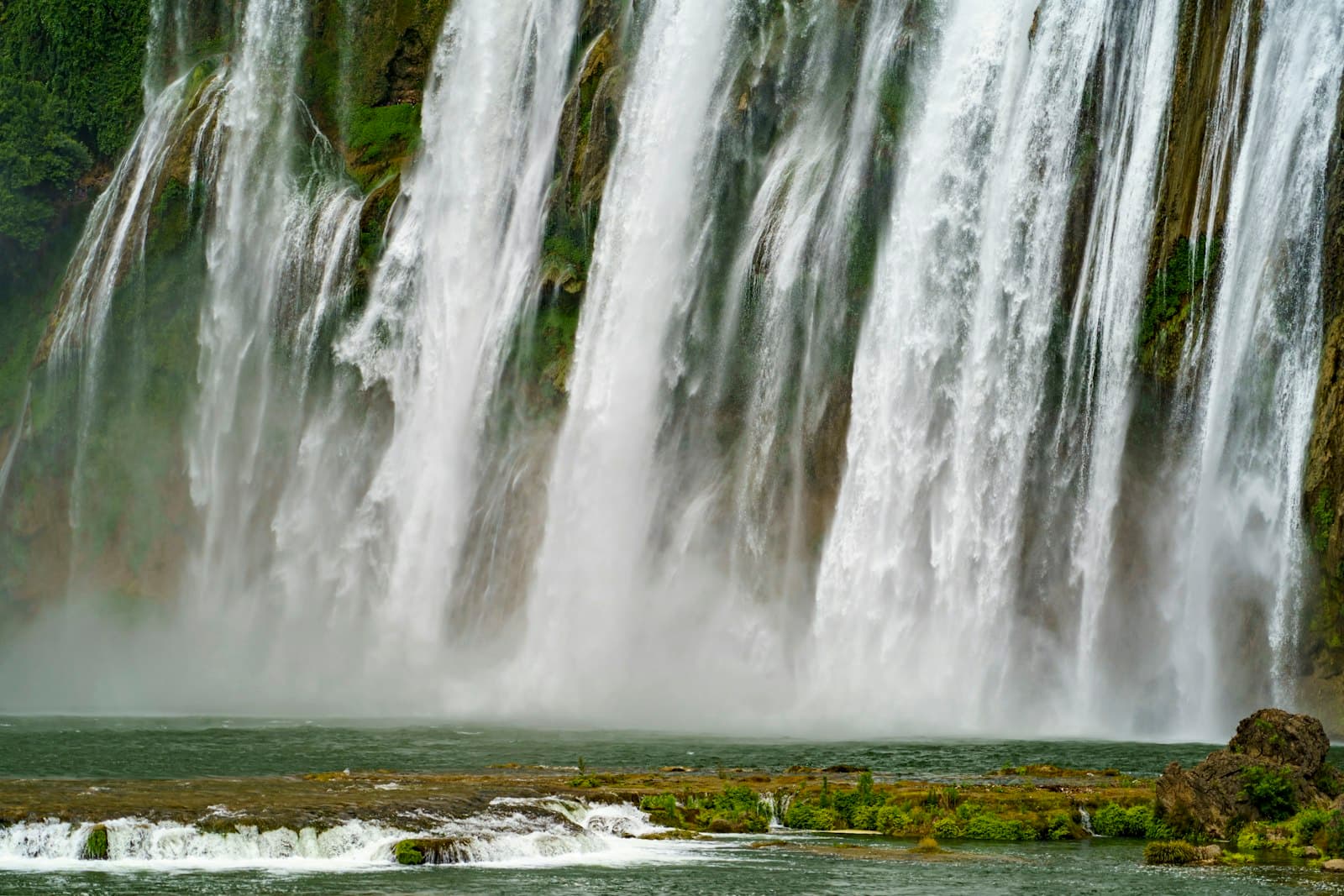
Comienza tu exploración en la Cascada de Huangguoshu, una monumental cascada que llama la atención por su magnitud y poder. Camina detrás de la cortina de agua en Shuiliandong (Cueva de la Cortina de Agua) para una perspectiva distinta, sintiendo la niebla y escuchando el rugido. Cerca, el Área Escénica de Tianxingqiao presenta un paisaje de formaciones calizas, puentes naturales y piscinas interconectadas, invitando a paseos tranquilos por su variado terreno. Explora la Cueva del Palacio del Dragón, un extenso sistema de cuevas kársticas navegable en bote a lo largo de un río subterráneo, revelando cámaras adornadas con estalactitas y estalagmitas. Para una inmersión cultural, visita las Aldeas Tunpu, donde los descendientes de los soldados de la Dinastía Ming mantienen sus tradiciones ancestrales, ofreciendo un vistazo a una forma de vida preservada. Concluye tus días en el Mercado Nocturno de Anshun, donde los sabores locales y el animado comercio brindan una auténtica experiencia nocturna.
El momento ideal para visitar Anshun es durante la primavera (marzo a mayo) y el otoño (septiembre a noviembre). Estas estaciones ofrecen temperaturas agradables y menos precipitaciones, lo que hace que la exploración al aire libre sea cómoda. El verano (junio a agosto) puede ser cálido y húmedo con lluvias más frecuentes, aunque las cascadas están en su punto más voluminoso. El invierno (diciembre a febrero) es más fresco y seco, con menos multitudes, pero algunas atracciones pueden tener horarios reducidos.
Anshun es accesible en tren de alta velocidad, conectándola con ciudades importantes como Guiyang. El sistema de autobuses local es extenso y asequible para moverse dentro de la ciudad y llegar a atracciones cercanas. Los taxis y servicios de transporte compartido también están disponibles. Muchas señales en los principales sitios turísticos incluyen traducciones al inglés, pero aprender algunas frases básicas en mandarín puede mejorar tu experiencia. Si bien se aceptan tarjetas de crédito en establecimientos más grandes, es aconsejable tener algo de moneda local (RMB) para vendedores más pequeños y áreas rurales. Considera llevar zapatos cómodos para caminar, especialmente si planeas explorar extensamente las áreas escénicas naturales. Sé consciente de las costumbres locales y vístete respetuosamente al visitar templos o aldeas tradicionales.
Anshun en coreano, en chino o en hebreo — y 29 idiomas más, cada parada narrada por una voz nativa. La mayor variedad de idiomas de cualquier audioguía autoguiada.
Disponible en: