Aldea Miao de Qianhu
El nombre del pueblo, 'Qianhu', significa 'mil hogares', pero el recuento original era un poco más específico.
La historia completa se desbloquea en el tour
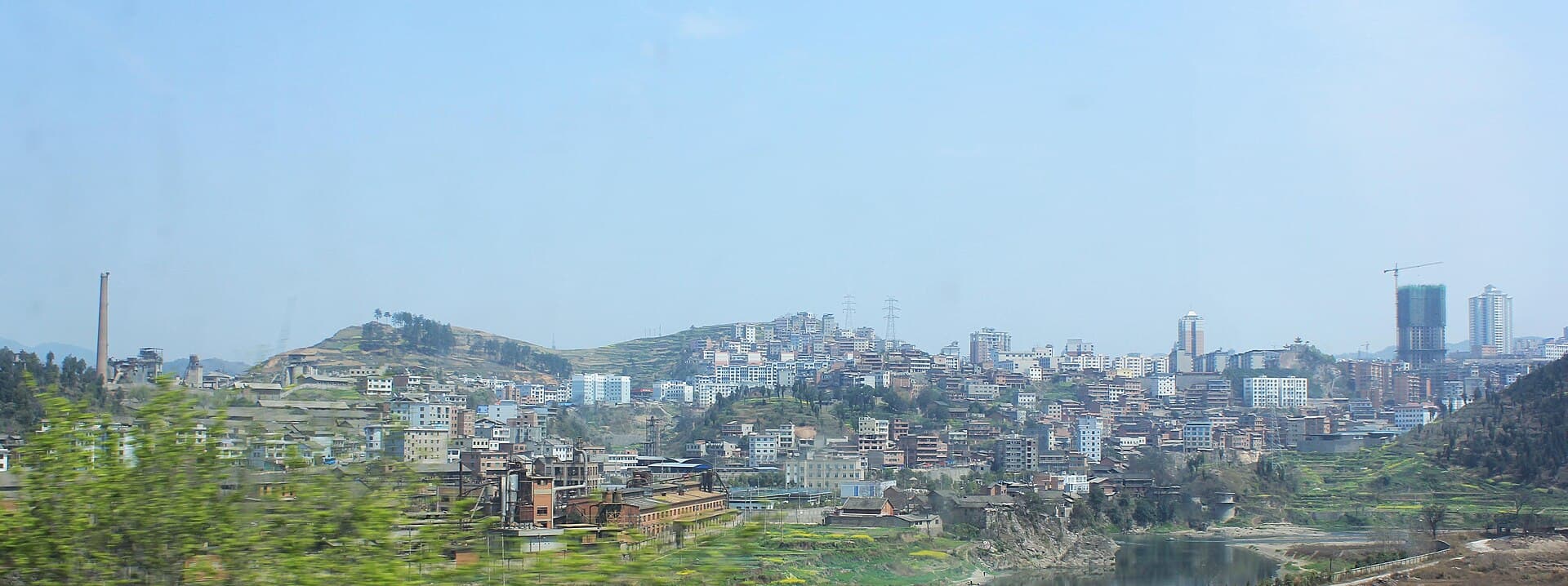 Zhangmoon618 / CC BY-SA 3.0, via Wikimedia Commons
Tour de audio autoguiado de Kaili — ruta GPS a pie, reproducción offline, narración en 32 idiomas.
“Donde las canciones del Lusheng perduran en el aire de la montaña.”
No las postales. Las historias que ni los locales conocen — al oído, justo donde ocurrieron.
El nombre del pueblo, 'Qianhu', significa 'mil hogares', pero el recuento original era un poco más específico.
Entre la intrincada orfebrería de plata y los textiles, una exhibición particular cuenta una historia de belleza y defensa.
Observe de cerca los graneros de madera, y podría notar un detalle curioso que habla de una plaga local muy específica.
Descubre todos los secretos de Kaili
Cada dirección, cada revelación al completo — a tu oído, justo donde ocurrió.
Eliges tus paradas. Caminas. La voz te revela lo que los demás ignoran.


Tu tour de audioguía por Kaili te espera — elige tus lugares, tu idioma y empieza al llegar.
ComprarLume incluye una guía de realidad aumentada. Levanta el móvil y su cámara muestra la calle que tienes delante, con una flecha luminosa sobre la imagen real que siempre apunta a tu próxima parada — sin mapas que descifrar, sin giros equivocados. Como todo en Lume, funciona completamente sin conexión.
Kaili, la capital de la Prefectura Autónoma Miao y Dong de Qiandongnan en la provincia de Guizhou, China, sirve como portal a las variadas expresiones culturales de las minorías étnicas de la región. Rodeada de colinas ondulantes y paisajes verdes, la ciudad en sí es un centro animado, pero su verdadero atractivo reside en la cercanía de numerosas aldeas tradicionales. Aquí, las costumbres de los pueblos Miao y Dong, entre otros, no son ecos del pasado, sino aspectos vivos y respiratorios de la vida diaria, expresados a través de intrincados trabajos de plata, textiles y melodiosas canciones folclóricas.
El aire en Kaili a menudo lleva los sonidos del Lusheng, un instrumento de viento de lengüeta múltiple central en las celebraciones Miao, y el tamborileo rítmico de los grandes coros Dong. Los visitantes pueden explorar los mercados locales, donde los colores y aromas de los productos frescos y las artesanías hechas a mano crean una experiencia sensorial. Más allá del centro urbano, el viaje a la campiña circundante revela un mundo donde las costumbres antiguas y los estilos arquitectónicos se han conservado durante siglos, ofreciendo una mirada profunda a una forma de vida profundamente conectada con la tierra y su herencia.
## La Cuna de las Culturas La historia de Kaili está profundamente entrelazada con los grupos étnicos que han habitado las regiones montañosas de Guizhou durante milenios. La zona ha sido durante mucho tiempo un punto de encuentro para varios pueblos, principalmente los Miao y Dong, cuyas distintas culturas han florecido aquí. La evidencia arqueológica sugiere actividad humana en la región que se remonta al período Neolítico, con los primeros asentamientos formándose a lo largo de los valles de los ríos.
Durante la China imperial, el terreno remoto y accidentado de Guizhou a menudo permitió a estos grupos étnicos mantener cierto grado de autonomía, aunque fueron periódicamente sometidos al control de varias dinastías. Las dinastías Ming y Qing, en particular, vieron mayores esfuerzos para integrar la región en la administración imperial más amplia, lo que llevó a períodos de conflicto y de intercambio cultural. Fue durante estos tiempos que se desarrollaron muchas de las características arquitectónicas defensivas vistas en algunas aldeas, como puertas fortificadas y torres de vigilancia.
## Un Legado de Resiliencia La ubicación estratégica de Kaili la convirtió en un importante centro administrativo y comercial dentro de la prefectura. El desarrollo de rutas comerciales, particularmente para el té y otros productos locales, facilitó aún más las interacciones entre diferentes grupos étnicos y con los Han chinos. A pesar de las influencias externas, los pueblos Miao y Dong conservaron firmemente sus idiomas, costumbres y tradiciones artísticas únicas. Su resiliencia es evidente en las intrincadas joyas de plata, un símbolo de riqueza y estatus, y el elaborado bordado que cuenta historias de sus ancestros y migraciones.
En el siglo XX, Kaili, como gran parte de China, experimentó transformaciones significativas. El establecimiento de la Prefectura Autónoma Miao y Dong de Qiandongnan en 1956 reconoció formalmente y tuvo como objetivo proteger el patrimonio cultural de las minorías étnicas de la región. Hoy, Kaili sirve como un centro vital para el estudio y la preservación de estas culturas, con instituciones como el Museo de Minorías Étnicas de Kaili desempeñando un papel crucial en la exhibición de su legado perdurable. La ciudad continúa evolucionando, equilibrando la modernización con un profundo respeto por sus raíces históricas y culturales, atrayendo a visitantes ansiosos por experimentar las tradiciones perdurables de su gente.
Comience su exploración en el Museo de Minorías Étnicas de Kaili, que ofrece una excelente visión general de las diversas culturas de la Prefectura de Qiandongnan. Aquí, puede examinar trajes tradicionales, intrincados ornamentos de plata y herramientas utilizadas por los Miao, Dong y otros grupos étnicos. Desde Kaili, aventúrese a las aldeas circundantes. La Aldea Miao de Qianhu, a menudo llamada 'Aldea Miao de Xijiang Qianhu', es una de las aldeas Miao más grandes del mundo, caracterizada por sus casas de madera sobre pilotes que descienden por las laderas. Observe actuaciones tradicionales, explore los estrechos callejones y visite los diversos museos de la aldea. Otro destino notable es la Aldea Miao de Jidao, conocida por su arquitectura tradicional de madera bien conservada y su ritmo más lento, que ofrece una experiencia más íntima de la vida Miao. Para conocer la cultura Dong, considere un viaje a la Aldea Dong de Zhaoxing, célebre por sus torres de tambor y puentes de viento y lluvia. Estas maravillas arquitectónicas no solo son hermosas, sino que también sirven como espacios de reunión comunitaria. En todas estas aldeas, encontrará mercados locales, donde podrá encontrar artesanías hechas a mano, textiles y delicias locales.
La mejor época para visitar Kaili y las aldeas circundantes es durante la primavera (marzo a mayo) y el otoño (septiembre a noviembre). El clima es generalmente templado y agradable, ideal para explorar las atracciones al aire libre y las aldeas. La primavera trae abundante vegetación y varios festivales, mientras que el otoño ofrece temperaturas agradables y celebraciones de la cosecha. Los veranos (junio a agosto) pueden ser calurosos y húmedos con lluvias frecuentes, mientras que los inviernos (diciembre a febrero) son frescos y húmedos, aunque algunos festivales importantes ocurren entonces.
Se puede acceder a Kaili en tren de alta velocidad desde las principales ciudades como Guiyang, Chengdu y Chongqing. La estación de tren de Kaili Sur se encuentra a poca distancia del centro de la ciudad, con autobuses locales y taxis disponibles para el viaje. Dentro de Kaili, los taxis están fácilmente disponibles y son relativamente económicos. Para visitar las aldeas circundantes, los autobuses locales operan desde la estación de autobuses de larga distancia de Kaili, aunque contratar un coche privado o unirse a un tour puede ofrecer más flexibilidad. Muchas casas de huéspedes y hoteles en las aldeas pueden ayudar con los arreglos de transporte. El inglés no se habla ampliamente fuera de las principales zonas turísticas, por lo que es aconsejable tener una aplicación de traducción o un libro de frases. Hay cajeros automáticos disponibles en Kaili, pero es aconsejable llevar algo de efectivo para las compras en las aldeas más pequeñas.
Kaili en coreano, en chino o en hebreo — y 29 idiomas más, cada parada narrada por una voz nativa. La mayor variedad de idiomas de cualquier audioguía autoguiada.
Disponible en: