Canteras de Apremont-sur-Allier
La piedra dorada que define la arquitectura de Apremont-sur-Allier una vez viajó mucho más allá del pueblo.
La historia completa se desbloquea en el tour
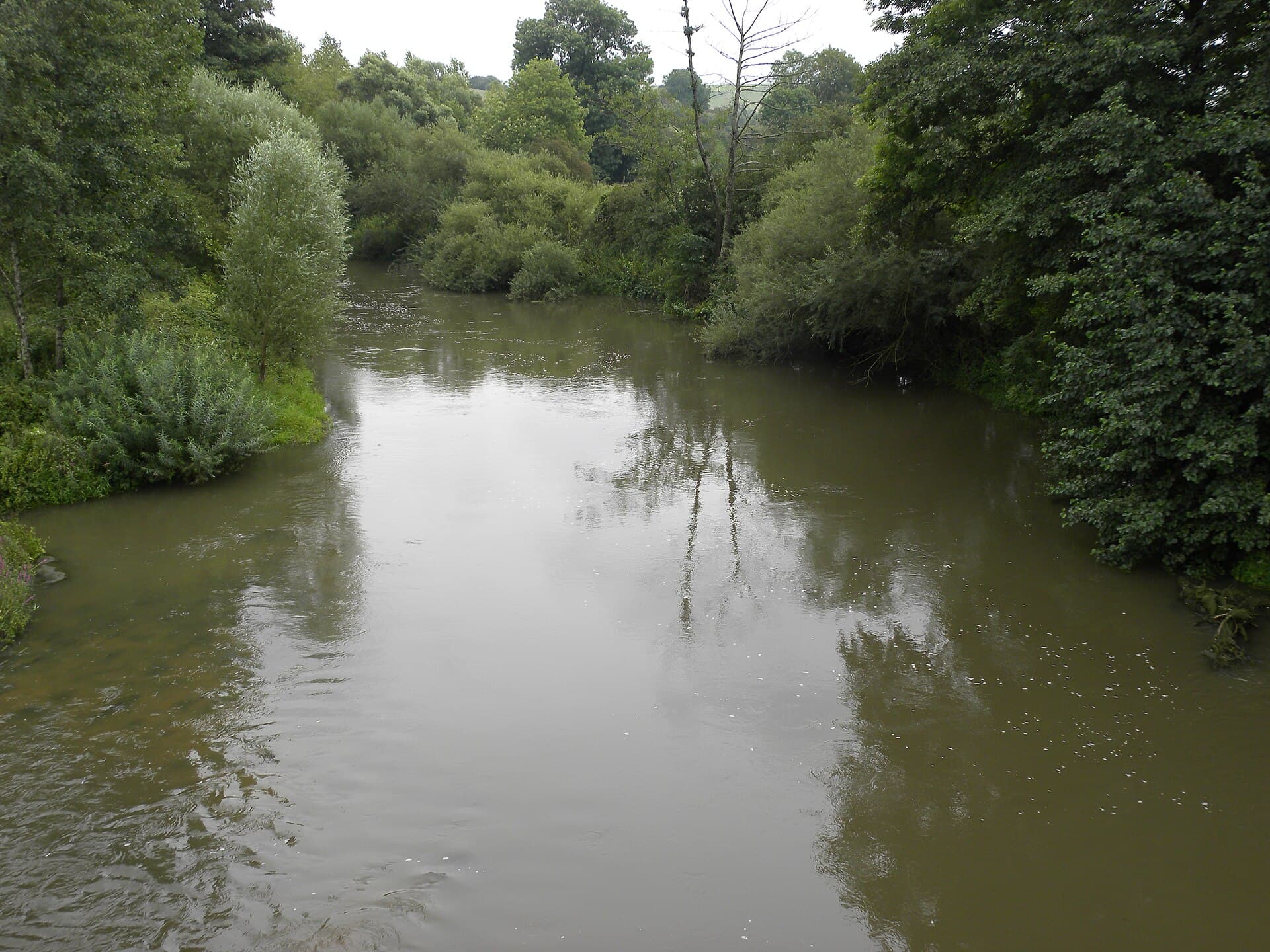 Wilson44691 / Public domain, via Wikimedia Commons
Tour de audio autoguiado de Apremont — ruta GPS a pie, reproducción offline, narración en 32 idiomas.
“Donde el susurro de un río se encuentra con la piedra atemporal y jardines esculpidos.”
No las postales. Las historias que ni los locales conocen — al oído, justo donde ocurrieron.
La piedra dorada que define la arquitectura de Apremont-sur-Allier una vez viajó mucho más allá del pueblo.
The serene ponds and flowing water features of the Floral Park aren't just for aesthetics.
The golden stone that defines Apremont-sur-Allier's architecture once traveled far beyond the village.
Descubre todos los secretos de Apremont
Cada dirección, cada revelación al completo — a tu oído, justo donde ocurrió.
Eliges tus paradas. Caminas. La voz te revela lo que los demás ignoran.

Tu tour de audioguía por Apremont te espera — elige tus lugares, tu idioma y empieza al llegar.
ComprarLume incluye una guía de realidad aumentada. Levanta el móvil y su cámara muestra la calle que tienes delante, con una flecha luminosa sobre la imagen real que siempre apunta a tu próxima parada — sin mapas que descifrar, sin giros equivocados. Como todo en Lume, funciona completamente sin conexión.
Apremont-sur-Allier, oficialmente reconocido como uno de «Les Plus Beaux Villages de France», se asienta en el departamento de Cher de la región Centre-Val de Loire, donde el río Allier se encuentra con el Loira. Este pueblo, con sus casas de piedra rubia y calles adornadas con flores, ofrece un viaje en el tiempo. Su ubicación estratégica en un promontorio rocoso con vistas al río Allier ha moldeado su identidad, desde una fortaleza defensiva hasta un bullicioso pueblo de canteros.
El carácter distintivo del pueblo se debe en gran parte a un visionario proyecto de restauración a principios del siglo XX. Eugène Schneider, un rico industrial, y su esposa, Antoinette de Saint-Sauveur, se embarcaron en la misión de reconstruir y embellecer el pueblo al estilo medieval berrichón. Crearon un conjunto arquitectónico armonioso que complementa el château. Hoy, Apremont-sur-Allier invita a los visitantes a pasear por sus tranquilas callejuelas, explorar su renombrado parque floral y descubrir los sutiles ecos de su pasado grabados en piedra y paisaje.
Más allá de su atractivo arquitectónico, Apremont-sur-Allier es un lugar donde la naturaleza juega un papel protagonista. El pueblo está enclavado en un paisaje de bocage, con el salvaje río Allier serpenteando a sus pies. La zona es un paraíso para las aves, incluyendo grullas, cigüeñas, gansos y charranes, ofreciendo un contraste pacífico con la belleza cultivada del pueblo.
La historia de Apremont-sur-Allier se remonta a la época galorromana, con evidencia de ocupación temprana encontrada cerca de sus manantiales. Su posición estratégica a lo largo del río Allier llevó a la fortificación de la ladera donde ahora se encuentra el château ya en la Edad Media, sirviendo para defender el camino del río y cobrar peajes. Un pueblo comenzó a formarse en el siglo XV, expandiéndose a lo largo del Allier en el siglo XIX.
Históricamente, Apremont-sur-Allier fue un importante pueblo cantero. Hasta cinco canteras de piedra operaron dentro del pueblo, algunas empleando a más de 70 trabajadores. La piedra caliza dorada local, apreciada por su color y grano fino, era muy adecuada para la escultura y se transportaba por todo el Valle del Loira. Se utilizó en la construcción de edificios prominentes como la Abadía de Fontmorigny, la Catedral de Sainte-Croix en Orleans, la Catedral de Moulins y la escalera del Castillo de Chambord. Canteros, barqueros y silvicultores constituían la mayoría de la población del pueblo, que alcanzó un máximo de casi 600 habitantes alrededor de 1850. Las canteras cesaron su actividad a principios del siglo XX y la población del pueblo experimentó un declive significativo.
La apariencia actual de Apremont-sur-Allier se debe en gran parte a Eugène Schneider, un destacado industrial y maestro de la forja en Le Creusot. En 1894, se casó con Antoinette de Saint-Sauveur, quien había heredado el château. Profundamente enamorado del lugar, Eugène Schneider dedicó casi 50 años, hasta su muerte en 1942, a restaurar el château y casi todas las casas del pueblo. Con la ayuda del arquitecto Antoine de Galéa, reconstruyó y embelleció meticulosamente el pueblo al estilo medieval berrichón, con el objetivo de crear una identidad arquitectónica cohesiva con el château. Esta ambiciosa empresa resultó en la excepcional unidad arquitectónica que le valió a Apremont-sur-Allier su designación como uno de «Les Plus Beaux Villages de France».
En la década de 1970, Gilles de Brissac, descendiente de la familia Schneider y entonces propietario del château, mejoró aún más el atractivo del pueblo al crear el renombrado Parque Floral. Este jardín de cinco hectáreas, que combina el romanticismo inglés con la elegancia francesa e inspiraciones globales, abrió al público en 1977 y desde entonces ha sido galardonado con la etiqueta «Jardin Remarquable» (Jardín Notable).
Apremont-sur-Allier ofrece una colección de lugares que combinan historia, arquitectura y belleza natural. El pueblo en sí es una atracción principal, con sus casas de piedra rubia, tejados de tejas y puertas adornadas con flores que crean una atmósfera tranquila y auténtica. Pasear por sus estrechas calles revela un estilo arquitectónico armonioso, resultado directo de los esfuerzos de restauración de principios del siglo XX.
El Château d'Apremont-sur-Allier, una imponente estructura con torres medievales, domina el pueblo. Si bien el château en sí es una residencia privada y no está abierto al público, su exterior se puede admirar desde varios puntos del pueblo. Los establos del château, sin embargo, albergan un museo de carruajes del siglo XIX y ofrecen un viaje inmersivo al año 1900.
El Parc Floral d'Apremont-sur-Allier es un punto destacado, reconocido con la etiqueta «Jardin Remarquable». Este jardín de cinco hectáreas, creado en la década de 1970, presenta una mezcla de estilos de jardín francés, inglés y japonés, con estanques, cascadas y caprichos inspirados en el siglo XVIII. Los visitantes pueden explorar un jardín blanco, una pérgola cubierta de glicinas, un puente pagoda chino, un mirador de estilo ruso con murales de cerámica y un pabellón turco.
La Église Notre-Dame-de-l'Assomption, construida entre 1858 y 1861 en el sitio de una capilla más antigua, presenta un estilo románico con un coro elevado. La campana de 1612 y la pila de agua bendita son reliquias de la iglesia original.
Para disfrutar de vistas panorámicas del pueblo y el paisaje de bocage circundante, la torre de agua, construida en 1966, ofrece un ascensor a una sala de observación. Suele estar abierta en julio y agosto. Además, un paseo por las orillas del río Allier ofrece una experiencia serena, con oportunidades para observar la vida silvestre local.
La mejor época para visitar Apremont-sur-Allier para actividades de clima cálido es desde finales de junio hasta mediados de septiembre. Durante estos meses, las temperaturas son agradables, con máximas promedio en julio y agosto de alrededor de 23-25°C (73-74°F). Julio es también el mes más soleado, con aproximadamente 7.5 horas de sol al día. El Parque Floral está abierto todos los días desde finales de marzo hasta principios de octubre, y luego los fines de semana hasta principios de noviembre, con eventos especiales como festivales de flores de primavera y otoño en mayo y octubre.
Apremont-sur-Allier es un pueblo pequeño, que se explora mejor a pie. El estacionamiento suele estar fuera de la zona principal del pueblo, lo que permite una experiencia peatonal. El Parque Floral es en gran parte accesible, con acceso parcial para visitantes con discapacidad, y ofrece servicios como baños con cambiadores y un calientabiberones bajo petición. Se permiten perros con correa en el parque.
Para comer, la Brasserie du Lavoir ofrece cocina de temporada con asientos interiores y exteriores con vistas al parque floral, generalmente abierta de abril a octubre. Otra opción, «Les petites causeries», ofrece servicio de mostrador y productos locales durante un período similar. Hay mesas de picnic disponibles a lo largo de las orillas del río Allier, aunque no se permite hacer picnic dentro del Parque Floral.
Para aquellos interesados en el ciclismo, Apremont-sur-Allier está cerca de las rutas «Via Allier» y «Loire à vélo». Las ciudades principales más cercanas son Nevers (a unos 10-17 km) y Bourges (a unos 56 km al sureste).
Apremont en coreano, en chino o en hebreo — y 29 idiomas más, cada parada narrada por una voz nativa. La mayor variedad de idiomas de cualquier audioguía autoguiada.
Disponible en: